
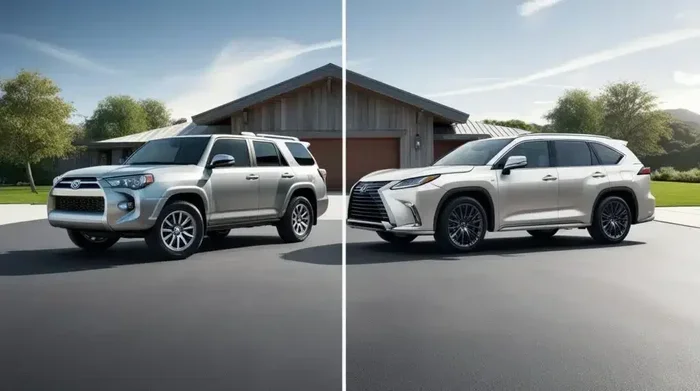
Lexus and Toyota share deep roots, but they are not the same brand. Toyota builds practical, affordable vehicles for everyday drivers. Lexus focuses on luxury, comfort, and premium features. Both brands use similar engineering foundations, yet they target different buyers and price points. Understanding this relationship helps you choose the right vehicle for your budget and lifestyle.
Many car shoppers ask the same question: is Lexus the same as Toyota? The short answer is no, but the full story is more interesting. Lexus and Toyota are closely related, yet they serve different buyers. Toyota is the parent company, and Lexus is its luxury division. That means they share factories, engineers, and many core technologies. Still, they build vehicles with very different goals.
Toyota focuses on dependable daily drivers that fit a wide range of budgets. Lexus focuses on upscale comfort, smoother rides, and premium details. If you compare a Toyota sedan with a Lexus sedan, you will see the difference in materials, sound insulation, and interior design. You may also notice a difference in price. That gap matters because it affects what you get for your money.
This relationship can be helpful if you want luxury without starting from scratch. Lexus uses proven mechanicals from Toyota, which often helps with reliability and maintenance. At the same time, Lexus adds its own styling, suspension tuning, and cabin experience. That mix gives the brand a distinct identity. So, while the two names are connected, they are not interchangeable.
Key Takeaways
- Shared Heritage: Lexus operates as the luxury division of Toyota, so both brands share engineering DNA and manufacturing standards.
- Different Positioning: Toyota targets mass-market buyers with reliable, affordable vehicles. Lexus targets buyers who want premium materials, refined comfort, and higher price tags.
- Similar Technology: Many powertrains, safety systems, and hybrid technologies overlap between the two brands, but Lexus usually adds extra tuning and luxury features.
- Price Gap: Lexus vehicles cost more because of upgraded interiors, advanced infotainment, and more focused brand experience.
- Service and Ownership: Both brands benefit from strong dealer networks, but Lexus owners often receive more concierge-style support and premium warranty perks.
- Buying Choice: Choose Toyota if you want value, practicality, and lower ownership costs. Choose Lexus if you want a quieter ride, more upscale feel, and luxury-focused design.
- Brand Identity: Toyota emphasizes durability and everyday usefulness. Lexus emphasizes comfort, elegance, and a more polished driving experience.
📑 Table of Contents
How Lexus and Toyota Are Connected
The connection starts with corporate ownership. Toyota created Lexus to compete in the luxury car market. Before that, many buyers associated Toyota with practical transportation, not premium luxury. Lexus changed that by giving Toyota a dedicated upscale brand. This allowed Toyota to keep its mainstream lineup while building a separate luxury image.
That separation matters for shoppers. When you buy a Lexus, you are still buying a product from the Toyota family, but the brand experience is different. Lexus models get their own design language, marketing, and dealership atmosphere. The goal is to feel more refined from the moment you walk into the showroom.
The Corporate Relationship
Toyota Motor Corporation owns Lexus. That means Lexus benefits from Toyota’s global scale, research, and manufacturing expertise. It also means Lexus can share certain components with Toyota vehicles. This sharing can include engines, transmissions, safety technology, and hybrid systems. Sharing helps keep development costs manageable while maintaining strong quality standards.
At the same time, Lexus does not simply badge-engineer a Toyota and call it luxury. The brand usually adjusts suspension settings, sound deadening, interior materials, and electronic features. Those changes create a different driving feel. A Lexus is often tuned for comfort first, while many Toyotas are tuned for practicality and broad appeal.
Why Toyota Created Lexus
Toyota launched Lexus to enter the premium car segment with a clean, modern identity. The brand needed to stand apart from the Toyota name because luxury buyers often look for exclusivity. A separate brand also gave Toyota room to charge higher prices and offer more premium services. That strategy worked because Lexus could build a reputation for comfortable rides and polished interiors.
This history still affects how the brand feels today. Lexus continues to position itself as a refined alternative within the Toyota family. If you want a car that feels more upscale, Lexus offers that path. If you want straightforward value, Toyota remains the core option.
What Makes Lexus Different From Toyota
Even though the brands are related, the difference shows up in the details. Lexus usually uses softer seat materials, more sound insulation, and more polished trim. The exterior design also tends to look more sculpted and deliberate. Inside, Lexus often focuses on quietness and ease of use. Toyota, by contrast, often aims for durable, functional designs that keep costs reasonable.

Visual guide about Lexus and Toyota cars side by side
Image source: lexusofgreenwich.com
Driving feel is another major difference. Lexus vehicles are often tuned to feel calm and smooth. The steering may feel lighter, and the suspension may absorb bumps more gently. Toyota vehicles often feel more straightforward and energetic in their own way. That does not mean Toyota is less capable. It means the two brands usually prioritize different experiences.
Design and Interior Quality
Interior quality is one of the clearest differences. Lexus tends to use more leather, better-looking soft-touch surfaces, and more careful stitching. The controls may also feel more premium in a Lexus cabin. Toyota interiors can still be excellent, but they usually focus on function over luxury. For many buyers, that tradeoff makes sense because it keeps the price lower.
Another point is layout and comfort. Lexus often designs seats and dashboards with a more upscale mood. Ambient lighting, higher-resolution screens, and quieter cabins can show up more often in Lexus models. Toyota may offer many of the same features, but Lexus usually packages them in a more luxurious way.
Performance and Driving Feel
Performance is not just about horsepower. It is also about how a car feels on the road. Lexus often tunes its vehicles for comfort, refinement, and ease of driving. That can mean softer suspension settings and more isolation from road noise. Toyota models may feel firmer or more direct, depending on the model. Some Toyota vehicles are built for rugged use, while others are built for efficiency and daily commuting.
Powertrain choices can also differ. Lexus and Toyota may share engine families, but Lexus often pairs them with transmissions and tuning that favor smoothness. In hybrids, both brands can use similar systems, but Lexus may emphasize quiet electric driving and premium presentation. If you care about a relaxed ride, Lexus may feel more aligned with that goal.
Shared Technology and Engineering
One reason people ask is Lexus the same as Toyota is because the mechanical overlap can be significant. Both brands use Toyota’s engineering knowledge, which means many core parts can come from the same toolbox. That can include engines, hybrid components, safety features, and infotainment architecture. This shared foundation can be a strength because it gives both brands a solid starting point.
Shared technology does not mean identical products. Lexus still adapts those systems for a luxury audience. For example, a Toyota and a Lexus may use similar safety sensors, but Lexus may present the alerts and driver aids in a more refined interface. The same idea applies to hybrid systems. The underlying technology may be related, but the driving experience and feature packaging can differ.
Engines and Transmissions
Many Lexus models use engines that have Toyota roots. That can be good news for reliability and serviceability. When a powertrain has a long track record, it often becomes easier to understand and maintain. Lexus may tune the same engine differently, though. It might prioritize smoothness, torque delivery, or quiet operation more than a mainstream Toyota version.
Transmissions also matter. Both brands may use automatic transmissions with similar design ideas, but Lexus often aims for silky shifts and comfortable gear changes. Toyota may focus on durability and efficiency. In either case, the result is usually a dependable drivetrain. The difference is mostly in how it feels during everyday use.
Safety and Hybrid Systems
Safety technology is another area where the brands overlap. Toyota developed strong driver-assist systems, and Lexus uses similar concepts in its own way. That means both brands can offer helpful features for lane keeping, collision avoidance, and adaptive cruise control. Lexus may present those tools with a more premium interface, but the basic idea is shared.
Hybrid technology is also important. Toyota is well known for hybrid expertise, and Lexus benefits from that knowledge. Many Lexus hybrids use systems that are closely related to Toyota hybrids. The difference often comes down to tuning and branding. Lexus may focus more on quiet operation and upscale packaging, while Toyota may emphasize efficiency and broad usability.
Price, Ownership, and Brand Experience
Price is one of the easiest ways to tell the brands apart. Lexus vehicles usually cost more than comparable Toyota models. That higher price reflects luxury materials, extra refinement, and a more premium brand image. It can also reflect more focused customer service and a different dealership experience. If budget is your main concern, Toyota usually offers more value up front.
Ownership experience also differs. Lexus often tries to create a more personalized feel. That can include a calmer showroom environment, more attention to comfort, and service processes that feel more upscale. Toyota dealers are often practical and efficient, which many buyers appreciate. Both networks can be strong, but they serve different expectations.
Cost of Ownership
Cost of ownership is about more than the sticker price. It includes maintenance, repairs, fuel, insurance, and depreciation. Toyota models often have a reputation for lower running costs, especially when you choose a mainstream trim. Lexus can also be reliable, but luxury parts and features may raise repair or replacement costs in some cases. That does not make Lexus a poor choice. It simply means the total cost can be higher.
Fuel costs can vary by model. A Toyota hybrid may be very efficient, and a Lexus hybrid may be efficient too, but the larger or more powerful Lexus models can use more fuel. Insurance can also differ because luxury vehicles sometimes fall into different coverage categories. If you want the lowest possible ongoing costs, compare specific models instead of assuming all Lexus or all Toyota vehicles cost the same.
Dealer Experience and Service
The dealer experience can shape how you feel about the brand. Lexus showrooms often aim for a quieter, more polished atmosphere. Service may feel more tailored, and the brand may offer more premium support options. Toyota dealers usually focus on clear pricing, practical service, and broad availability. That can make Toyota feel easier and more straightforward for many buyers.
Both brands can provide dependable service when the dealership is well run. The main difference is tone and presentation. If you want a more luxurious purchase experience, Lexus may appeal to you. If you want a no-nonsense experience, Toyota may fit better. Either way, it helps to visit local dealers and see how they treat customers in person.
Which Brand Should You Choose
The best choice depends on what you value most. If you want a dependable vehicle with a lower entry price, Toyota is often the simpler path. If you want a quieter cabin, more upscale materials, and a more refined feel, Lexus may be worth the extra cost. You do not have to choose one brand forever. Many people like Toyota for daily practicality and appreciate Lexus for a more premium experience.
It also helps to compare specific models rather than thinking only about the brand. A well-equipped Toyota can feel excellent, and a base Lexus can still feel more luxurious than a mainstream Toyota. The right decision comes from matching the vehicle to your needs. Think about comfort, budget, size, fuel economy, and how long you plan to keep the car.
Best Fit for Different Buyers
Some buyers want maximum value. For them, Toyota usually makes the most sense. These buyers care about practical features, broad availability, and lower upfront cost. They may also want a model with a strong reputation for long-term dependability. Toyota often fits that mindset well.
Other buyers want a more premium feel. They may care about ride quality, interior appearance, and a calmer driving experience. For them, Lexus can be a strong option. These buyers are often willing to pay more for comfort and presentation. If that sounds like you, Lexus deserves a close look.
Quick Tips for Comparing Models
Start by setting your budget before you compare trim levels. Then look at the total package, not just the badge. Check the seat comfort, cabin noise, screen usability, and cargo space. Test drive both a Toyota and a Lexus if you are undecided. Pay attention to how each vehicle feels at low speeds and on rough roads.
Also compare warranty terms, service options, and estimated maintenance costs. A lower purchase price does not always mean lower long-term cost. A slightly higher price may be worth it if the car feels better and suits your lifestyle. The goal is to choose the vehicle that fits your daily use, not just the one that sounds best on paper.
Common Misunderstandings About the Two Brands
One common misunderstanding is that Lexus is just a more expensive Toyota with a different logo. That is too simple. Lexus does share engineering roots with Toyota, but it is tuned and presented as a luxury brand. The difference shows up in materials, comfort, sound, and overall brand experience. That is why the two names are related but not identical.
Another misunderstanding is that Toyota cannot feel premium. Some Toyota models are very well built and can feel quite refined. Still, Lexus usually pushes further in the luxury direction. It aims for a more exclusive image and a more polished cabin. So, even if a Toyota feels solid, a Lexus may feel more upscale in subtle ways.
What the Badge Really Means
The badge signals brand positioning. Toyota signals broad practicality and value. Lexus signals luxury, comfort, and a higher level of refinement. That does not mean one brand is automatically better. It means they are built for different expectations. If you understand that, you can compare models more honestly and avoid confusion.
This is also why people keep asking is Lexus the same as Toyota. The brands are connected, so the question makes sense. But the answer is more useful when you think about purpose and audience. Toyota is the mainstream foundation. Lexus is the luxury expression. Both can be excellent, but they are not the same purchase.
Final Thoughts on Lexus and Toyota
So, is Lexus the same as Toyota? No, but they are closely related. Toyota provides the engineering backbone, and Lexus builds a luxury identity on top of that foundation. That relationship gives buyers a useful choice. You can pick Toyota for value, practicality, and broad appeal. You can pick Lexus for comfort, refinement, and a more premium feel.
The smartest approach is to compare the actual vehicle you want, not just the brand name. Look at the interior, the ride, the technology, and the total cost of ownership. Think about how you will use the car every day. If you do that, you will see why Toyota and Lexus matter in different ways. They share a family tree, but they serve different drivers with different priorities.
Frequently Asked Questions
Is Lexus owned by Toyota?
Yes, Lexus is the luxury vehicle division of Toyota Motor Corporation. They share corporate ownership, engineering resources, and many underlying technologies.
Is Lexus the same as Toyota?
No, Lexus and Toyota are not the same. Lexus is a luxury brand under Toyota, while Toyota focuses on mainstream, practical vehicles for a wider range of buyers.
Do Lexus and Toyota use the same engines?
Sometimes they use related powertrains, but Lexus often tunes them differently for smoother, more refined performance. The exact engine depends on the model.
Why is Lexus more expensive than Toyota?
Lexus usually costs more because it offers more premium materials, extra refinement, and a luxury brand experience. The higher price also reflects upscale features and presentation.
Are Lexus vehicles more reliable than Toyota vehicles?
Both brands can be reliable, but reliability depends on the specific model and how it is maintained. Lexus often benefits from Toyota’s engineering reputation, while Toyota is known for practical durability.
Should I buy Lexus or Toyota?
Choose Toyota if you want lower upfront cost and practical daily use. Choose Lexus if you want a quieter, more refined cabin and a more luxury-focused experience.