
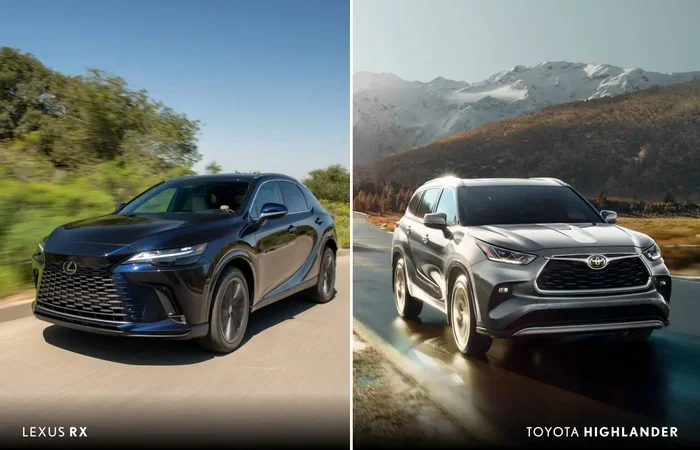
Is Lexus better than Toyota? The answer depends on your budget and priorities. Lexus offers premium luxury and refined comfort, while Toyota delivers proven reliability and affordability. Both brands share engineering DNA, but they target different drivers. Understanding their key differences helps you make a smarter purchase decision.
Many car buyers face a tough question when they shop for a new vehicle. They want dependable transportation, but they also crave comfort and style. That is where the debate begins. Is Lexus better than Toyota? The answer is not simple, because both brands bring strong reputations to the table. They share corporate roots, engineering knowledge, and a focus on long-term dependability. Yet they serve different buyers and chase different goals.
Toyota has built a global reputation for affordable reliability. Lexus entered the market to give Toyota a luxury identity. That split creates two distinct driving experiences. You get practical value from Toyota and premium refinement from Lexus. Still, the lines blur in important ways. Many Lexus vehicles use Toyota-based platforms, engines, and transmission technology. That shared foundation matters a lot when you compare ownership costs, repair needs, and long-term satisfaction.
This guide breaks down the real differences between these two popular brands. You will learn how they compare in reliability, luxury, pricing, maintenance, and daily driving feel. We will also look at how each brand handles resale value, customer service, and technology. By the end, you will know which brand fits your lifestyle and budget.
Key Takeaways
- Shared Engineering Roots: Lexus and Toyota share many mechanical components, but Lexus focuses on premium features and refined driving dynamics.
- Reliability Comparison: Both brands rank highly for dependability, though Toyota often edges out Lexus in long-term ownership cost studies.
- Luxury Level: Lexus delivers higher-end materials, advanced technology, and superior cabin quietness compared to mainstream Toyota models.
- Price Difference: Toyota models start at lower price points, while Lexus commands a premium for luxury badges, comfort features, and exclusive dealerships.
- Maintenance Costs: Lexus repairs and parts typically cost more, though routine service intervals remain similar to Toyota vehicles.
- Driving Experience: Lexus prioritizes smooth, quiet rides and responsive handling, while Toyota emphasizes practicality, fuel efficiency, and everyday usability.
- Best Fit: Choose Lexus for luxury-focused daily driving, and pick Toyota for budget-friendly reliability and lower total cost of ownership.
📑 Table of Contents
- Is Lexus Better Than Toyota for Reliability and Longevity
- Is Lexus Better Than Toyota for Luxury and Comfort
- Is Lexus Better Than Toyota for Pricing and Value
- Is Lexus Better Than Toyota for Maintenance and Repair Costs
- Is Lexus Better Than Toyota for Driving Feel and Performance
- Is Lexus Better Than Toyota for Technology and Features
- Conclusion: Which Brand Makes More Sense for You
Is Lexus Better Than Toyota for Reliability and Longevity
Reliability is the biggest reason people compare these two brands. Toyota earned its strong reputation by designing vehicles that run well for years with basic care. Lexus carries that same engineering mindset, but it adds more complex comfort features and luxury systems. That combination can affect long-term ownership in subtle ways.
In general, both brands score well in dependability surveys and owner satisfaction studies. Toyota models often shine because they use simpler designs and fewer premium add-ons. Simpler designs usually mean fewer parts that can fail. Lexus vehicles also show strong reliability, especially in powertrain performance and overall build quality. However, luxury features like advanced air suspension, premium infotainment systems, and multi-zone climate controls can create more repair opportunities over time.
When you think about longevity, maintenance habits matter just as much as brand reputation. Regular oil changes, fluid checks, tire rotations, and brake inspections help any vehicle last longer. If you compare a Toyota sedan with a Lexus sedan that share similar engines, you may find that both can reach high mileage with proper care. The main difference is what happens when something does need repair.
What Reliability Looks Like in Everyday Ownership
Daily reliability is about more than avoiding breakdowns. It also includes how often you visit the service center, how consistent the vehicle feels over time, and whether small issues turn into expensive problems. Toyota tends to keep ownership simple. Parts are widely available, service procedures are straightforward, and many models have a long track record of low-cost maintenance.
Lexus offers a different kind of ownership experience. The driving feel is usually smoother, the cabin is quieter, and the interior materials feel more upscale. That premium experience can make the car feel more dependable in daily use because it simply feels more polished. Still, owners should expect higher parts and labor costs when service is needed. If you want a vehicle with fewer luxury complications, a Toyota model may be the easier path.
Expert Insight on Brand Dependability
Industry experts often point out that reliability depends on the specific model, not just the brand name. A well-reviewed Toyota and a well-reviewed Lexus can both deliver excellent long-term performance. The smartest approach is to compare model-by-model data, read owner feedback, and check common repair trends before buying. If you want a deeper look at Toyota reliability trends, you can explore why Toyota has such a strong reliability reputation.
Is Lexus Better Than Toyota for Luxury and Comfort
Luxury is where Lexus clearly tries to stand apart. The brand focuses on quiet cabins, soft rides, high-grade materials, and user-friendly technology. Toyota offers comfort too, but it usually aims for a broader audience. That means Toyota vehicles often balance comfort with cost control, while Lexus leans harder into premium refinement.
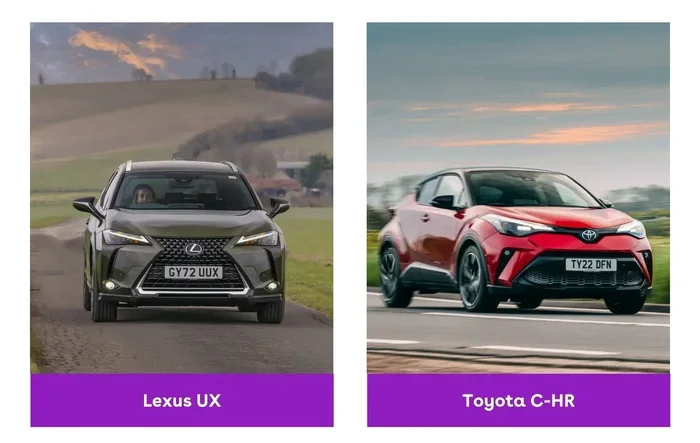
Visual guide about Lexus and Toyota cars comparison
Image source: a.storyblok.com
If you value a serene driving experience, Lexus has a strong advantage. Many models use extra sound-deadening materials, more supportive seats, and smoother suspension tuning. The steering feel is often lighter and more refined. Even the shift quality in automatic transmissions can feel more effortless. These details matter when you spend a lot of time in traffic or commute long distances.
Toyota still delivers a comfortable ride in many models, especially in higher trims. You can find supportive seats, decent noise control, and useful convenience features. But the overall goal is usually practical comfort rather than luxury indulgence. That difference is important if you want a car that feels special every time you step inside.
Interior Quality and Daily Comfort
Interior quality is one of the easiest ways to tell these brands apart. Lexus interiors often emphasize soft-touch materials, clean design, and careful fit and finish. Controls are usually arranged for easy access, and the overall atmosphere feels more upscale. Toyota interiors are functional and durable, but they often use harder plastics and simpler designs to keep costs manageable.
Comfort also includes seat design, cabin noise, and ride quality. Lexus usually works harder to reduce road noise and harshness. Toyota can feel more direct and lively in some models, which some drivers prefer. Others want a softer, quieter experience, and that is where Lexus tends to win. If you are comparing luxury feel with everyday practicality, it helps to test drive both brands back-to-back.
Quick Tips for Judging Luxury Value
- Pay attention to cabin noise at highway speeds.
- Compare seat comfort on long drives, not just short test rides.
- Check how easy the infotainment system is to use.
- Look at material quality on high-touch surfaces like the steering wheel and dash.
- Ask how the suspension feels over bumps and rough pavement.
Is Lexus Better Than Toyota for Pricing and Value
Price is often the deciding factor for buyers. Toyota usually starts at a lower price point, which makes it attractive for budget-conscious shoppers. Lexus typically costs more because it includes luxury features, premium styling, and a more refined ownership experience. That price gap can be significant, especially if you compare similar vehicle types.
Value depends on what you want from the car. If your goal is low upfront cost and lower long-term expenses, Toyota often makes more sense. If you want a more polished cabin, smoother ride, and brand-exclusive dealership service, Lexus may feel worth the extra money. Neither choice is wrong. The better option depends on your priorities.
Resale value also plays a role in total cost. Toyota models often hold their value well because of their reliability reputation. Lexus vehicles can also retain value strongly, especially popular models with strong luxury demand. Still, depreciation can hit luxury vehicles harder in some cases, so it is smart to compare model-specific resale trends before buying.
Price vs. Features at a Glance
The table below gives a simple comparison of how these brands usually stack up in everyday buying decisions.
| Category | Toyota | Lexus |
|---|---|---|
| Starting Price | Generally lower | Usually higher |
| Interior Materials | Durable and practical | More premium and refined |
| Ride Comfort | Balanced and functional | Softer and quieter in many models |
| Technology Features | Solid and user-friendly | Often more advanced or more polished |
| Maintenance Cost | Often lower | Often higher |
| Brand Experience | Practical and accessible | Luxury-focused and upscale |
Common Mistakes When Comparing Value
- Assuming a higher price always means better quality.
- Ignoring long-term maintenance and repair costs.
- Comparing only base trims without checking similar equipment levels.
- Forgetting to factor in insurance, tires, and parts pricing.
- Buying for the badge instead of the actual vehicle needs.
Is Lexus Better Than Toyota for Maintenance and Repair Costs
Maintenance is one of the most important parts of ownership, especially if you plan to keep the vehicle for many years. Toyota generally offers lower routine service costs and more affordable replacement parts. That makes it a strong choice for buyers who want predictable expenses. Lexus can cost more to service because luxury parts and specialized labor often carry a higher price tag.
That said, Lexus service quality can be excellent. Lexus dealerships focus heavily on customer experience, and service centers often provide a more premium feel during visits. Many owners appreciate the attention to detail, loaner vehicles, and polished service environment. Toyota service is usually more straightforward and practical, which many buyers also value.
When comparing repair costs, the model matters a lot. A simpler Toyota model may need fewer repairs over time simply because it has fewer complex systems. A Lexus model with advanced suspension or high-end electronics may cost more when those systems need attention. If you want to understand Toyota service pricing better, you can read how much an oil change at a Toyota dealership typically costs.
How to Keep Ownership Costs Lower
- Follow the recommended maintenance schedule on time.
- Use quality parts and fluids that meet manufacturer standards.
- Address small warning signs before they become major repairs.
- Compare service quotes between dealership and trusted independent shops.
- Keep tires, brakes, and fluids in good condition to reduce wear on other parts.
Is Lexus Better Than Toyota for Driving Feel and Performance
Driving feel is where personal preference matters most. Toyota vehicles often aim for a balanced, easy-to-live-with character. They usually feel stable, predictable, and efficient. That makes them a good fit for daily commuting, family use, and long-term practicality. Lexus usually tries to add more refinement and a more composed highway experience.
In many comparisons, Lexus delivers a smoother ride with less road harshness. The steering may feel lighter, the throttle response may feel more polished, and the overall experience may seem more relaxed. Some Lexus models also offer more powerful engine options or more focused handling tunes, depending on the vehicle line. Toyota can still feel engaging, especially in sport-tuned models or smaller vehicles designed for nimble driving.
If you care about fuel economy, both brands offer efficient choices. Toyota is well known for practical efficiency, including hybrid options across many models. Lexus also offers hybrid and efficient powertrains, especially in sedans and SUVs that prioritize smooth driving. The best choice depends on whether you want maximum efficiency, more power, or a softer ride.
What to Test Drive Before Deciding
- City driving feel, including steering response and stop-and-go comfort.
- Highway stability, noise levels, and seat support.
- Brake feel and how the vehicle settles after bumps.
- Acceleration smoothness, not just top-end power.
- Visibility, parking ease, and everyday maneuverability.
Is Lexus Better Than Toyota for Technology and Features
Technology is another area where these brands differ in style. Toyota usually provides dependable, easy-to-use features that cover the essentials well. You can expect useful safety systems, clear infotainment controls, and practical driver aids. Lexus often builds on that foundation with a more premium presentation, more polished screens, and more advanced comfort-oriented technology.
Both brands have invested heavily in safety and driver assistance features. That includes lane guidance, adaptive cruise control, automatic emergency braking, and parking support in many models. Lexus often packages these features with a more luxurious interface and extra convenience tools. Toyota tends to focus on broad availability and straightforward operation.
If you want the latest tech with a more upscale feel, Lexus may appeal to you more. If you want reliable technology that is simple to understand and use every day, Toyota may be the better match. The best choice depends on whether you value advanced presentation or practical usability.
Expert Insight on Feature Choices
Buyers often assume that more technology automatically means a better car. That is not always true. Some premium systems can be impressive, but they may also be more complicated to use or more expensive to repair. A simpler system that works consistently can be a better long-term choice. If you want to compare Toyota and Lexus more broadly, you may also find it helpful to read which is better Toyota or Honda for a wider brand perspective.
Conclusion: Which Brand Makes More Sense for You
So, is Lexus better than Toyota? The truth is that each brand excels in different areas. Lexus is usually the stronger choice if you want luxury materials, a quieter cabin, and a more refined driving experience. Toyota is often the better choice if you want lower upfront costs, simpler ownership, and a strong reputation for dependable everyday use. Both brands can be excellent, but they are built for different priorities.
The best decision comes down to your budget, your comfort needs, and how long you plan to keep the vehicle. If you value premium feel and are willing to pay more for it, Lexus can be a rewarding choice. If you want practical reliability and lower total cost of ownership, Toyota is hard to beat. Either way, test driving both brands and comparing specific models will help you choose with confidence.
Frequently Asked Questions
Is Lexus more reliable than Toyota?
Not always. Both brands are known for strong reliability, but Toyota often uses simpler designs that can cost less to maintain over time. Lexus can be just as dependable, especially in powertrain durability, though luxury features may add repair complexity.
Why is Lexus more expensive than Toyota?
Lexus costs more because it focuses on premium materials, refined engineering, and a luxury brand experience. You also pay for upgraded interiors, smoother ride tuning, and often more advanced convenience features. Toyota usually keeps prices lower by focusing on practicality and broader affordability.
Do Lexus and Toyota share parts?
Yes, they often share underlying technology, including some engines, transmissions, and platform components. That shared foundation helps both brands maintain solid reliability. However, Lexus usually adds more luxury-focused parts, finishes, and feature systems.
Which brand is better for low maintenance costs?
Toyota is usually the better choice for lower maintenance costs because its parts and service tend to be more affordable. Lexus can cost more to service, especially when premium components need repair. Regular maintenance helps keep either brand running well.
Is Lexus worth the extra money?
It can be, if you value a quieter cabin, softer ride, and more upscale materials. Lexus makes sense for buyers who want a luxury experience in daily driving. If you care more about budget and simplicity, Toyota may offer better overall value.
Should I buy Lexus or Toyota for long-term ownership?
Both can work well for long-term ownership if you maintain them properly. Toyota may be easier and cheaper to own over time, while Lexus may feel more comfortable and polished. The best pick depends on whether you prioritize cost or luxury refinement.