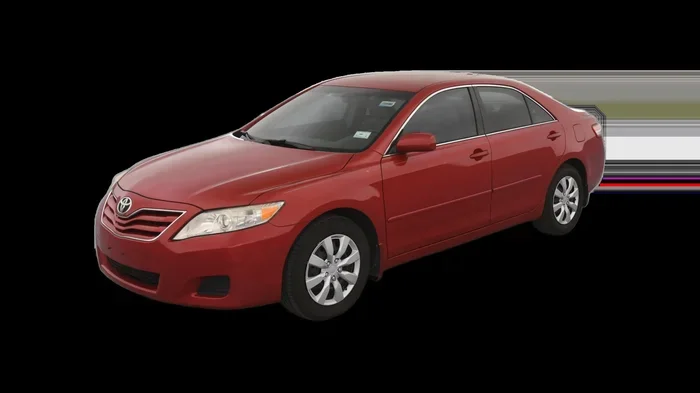

If you are wondering how much is a 2011 Toyota Camry worth, you have come to the right place. This reliable sedan typically ranges from $3,500 to $8,500 depending on mileage, condition, and trim level. Understanding the true used car value helps you negotiate better deals and avoid overpaying. We will break down every factor that impacts pricing so you can make confident decisions.
Buying a used car can feel like walking through a maze. You want a reliable ride without breaking the bank. The 2011 Toyota Camry has long been a favorite for families, commuters, and budget-conscious drivers. It offers a smooth ride, solid build quality, and a reputation for lasting well beyond the hundred-thousand-mile mark. But before you hand over your cash, you need to know the real numbers.
Many shoppers ask the same question: how much is a 2011 Toyota Camry worth in today’s market? The answer depends on several moving parts. You have to look at mileage, trim level, overall condition, service history, and even where you live. A car that looks perfect on the outside might hide costly mechanical issues. On the flip side, a well-maintained example with higher miles can still be a smart buy. We will walk you through everything you need to know so you can price your car correctly or negotiate like a pro.
Key Takeaways
- Market Range: A 2011 Toyota Camry typically sells for $3,500 to $8,500 based on condition and mileage.
- Trim Matters: LE, SE, and XLE trims affect pricing, with higher trims commanding better resale value.
- Mileage Impact: Lower mileage vehicles retain more value, while high-mileage cars drop in price faster.
- Condition Counts: Mechanical health, interior wear, and accident history heavily influence the final price.
- Location Plays a Role: Regional demand and climate can shift used car prices up or down.
- Private vs Dealer: Buying from a private seller often saves money, while dealers add fees but offer warranties.
- Research Tools: Use valuation guides and compare listings to get the most accurate market estimate.
📑 Table of Contents
- Understanding the 2011 Toyota Camry Market
- Key Factors That Determine How Much Is a 2011 Toyota Camry Worth
- Pricing Ranges for Different Trims and Conditions
- How to Get an Accurate Valuation
- Buying vs Selling: What You Need to Know
- Common Mistakes to Avoid
- Expert Insights on Toyota Camry Value
- Final Thoughts on Pricing Your 2011 Toyota Camry
Understanding the 2011 Toyota Camry Market
The used car market has shifted a lot in recent years. Supply chain issues, inflation, and changing consumer habits have all played a role. While new car prices have climbed, the used car segment has followed suit. That means older models like the 2011 Toyota Camry still hold decent value because they are known for reliability and low running costs.
When you look at used car value trends, you will notice that Toyota vehicles tend to age well. The Camry is no exception. It competes with other midsize sedans that offer comfort, fuel efficiency, and easy maintenance. Buyers often choose it because parts are easy to find and repairs are usually straightforward. That steady demand keeps prices from falling too fast.
How Depreciation Affects Pricing
Every car loses value over time. The steepest drop happens in the first few years. After that, the curve flattens out. By the time a Camry reaches eleven years old, it has already taken the biggest hit. What remains is the resale value based on current condition and market need. If the car has been cared for, it will command a better price. If it has been neglected, the value drops quickly.
Regional Differences in Pricing
Where you live matters more than you might think. In colder regions, rust and corrosion can lower a car’s worth. In warmer climates, interior fading and AC issues may become more common. Urban areas often have higher demand for reliable commuters, which can push prices up. Rural areas might see lower prices because buyers have more options or different needs. Always check local listings to see what similar cars are asking in your area.
Key Factors That Determine How Much Is a 2011 Toyota Camry Worth
You cannot pin down a single number without looking at the details. Several factors work together to shape the final price. Let’s break them down so you know what to check before you buy or sell.
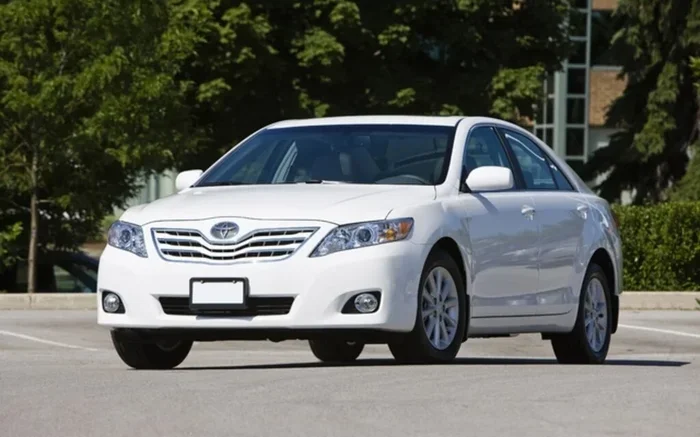
Visual guide about 2011 Toyota Camry sedan
Image source: i.gaw.to
Trim Level and Features
The 2011 Toyota Camry came in several trims, including LE, SE, XLE, and hybrid versions. Each trim adds different features that affect value. The LE is the base model with essential comforts. The SE adds sporty styling and a slightly firmer ride. The XLE brings premium touches like leather seats, power adjustments, and better sound insulation. Hybrid models often hold their value well because buyers want fuel savings.
When comparing trims, look at the extras that matter to you. A sunroof, navigation system, or upgraded wheels can add appeal. However, fancy features do not always translate to higher prices if they are worn or outdated. Focus on the overall package and how it matches what buyers in your area want.
Mileage and Its Impact
Mileage is one of the first things buyers check. Lower miles usually mean less wear on the engine, transmission, and suspension. A Camry with under 100,000 miles will often fetch a higher price than one pushing 150,000 miles. That said, a well-maintained high-mileage car can still be a great deal if the service records are solid.
Keep in mind that mileage alone does not tell the full story. Highway miles are generally easier on a car than stop-and-go city driving. A car with 120,000 highway miles might be in better shape than one with 90,000 city miles. Always ask for maintenance history and look for signs of consistent care.
Condition and Mechanical Health
The overall condition of the car plays a huge role in pricing. Buyers and sellers should inspect the paint, interior, tires, brakes, and undercarriage. Surface rust, deep scratches, torn seats, and worn tires all lower the value. Mechanical issues matter even more. A healthy engine and smooth transmission are worth their weight in gold.
If the car has a clean Carfax or vehicle history report, that adds confidence. Accidents, flood damage, or title problems can slash the price dramatically. Always verify the history before you agree on a number. A car that looks good but hides a rough past is a risk you do not want to take.
Pricing Ranges for Different Trims and Conditions
While every car is unique, you can use general ranges to set expectations. These numbers are rough estimates based on typical market trends. Your local area, exact mileage, and specific condition will shift the final figure.
Base LE Model Estimates
The LE trim is the most common version. It offers a balanced mix of comfort and value. In good condition with moderate mileage, it often lands in the mid-range of pricing. If the car has higher miles or visible wear, the price drops toward the lower end. Sellers should price honestly and buyers should compare multiple examples before deciding.
SE and XLE Trim Estimates
The SE trim appeals to buyers who want a sportier look. It often commands a small premium over the LE if the condition is strong. The XLE trim brings more luxury features, which can attract buyers willing to pay extra. However, those premium features must be in working order. If the leather is cracked or the power seats fail, the value falls back down.
Hybrid Variants and Their Value
Hybrid models stand out because they offer better fuel economy. That appeal can keep their resale value stronger than non-hybrid versions. Buyers who care about gas costs often seek out hybrids, especially in cities with heavy traffic. Just remember that hybrid batteries age over time. A battery replacement can be costly, so factor that into your decision.
How to Get an Accurate Valuation
Guessing a price is never a good idea. You need data. The good news is that you can gather solid information without leaving your home. Use multiple sources to build a clear picture of what the market is doing right now.
Using Online Valuation Tools
Start with trusted valuation guides. These tools let you enter the year, make, model, trim, mileage, and condition. They then give you a estimated range. While no tool is perfect, they provide a reliable starting point. Compare results from more than one source to see where the numbers align.
Checking Local Listings
Online marketplaces show what sellers are actually asking for similar cars. Search for 2011 Toyota Camry listings in your area and note the prices. Look for patterns. If most cars with similar mileage are asking around the same number, that is a strong signal. Also read the descriptions carefully. Some sellers list flaws upfront, which can explain a lower price.
Getting a Professional Appraisal
If you want the most accurate number, consider a professional appraisal. A trusted mechanic or appraisal service can inspect the car and give you a detailed report. This is especially helpful if you are selling a car with unique features or if you suspect hidden issues. The cost is usually small compared to the peace of mind you get.
Buying vs Selling: What You Need to Know
Whether you are buying or selling, the approach changes a bit. Sellers want the highest fair price. Buyers want the best deal without surprises. Understanding both sides helps you negotiate with confidence.
Tips for Sellers
If you are selling your Camry, preparation pays off. Clean the car inside and out. Fix small issues like burnt-out bulbs, wiper blades, or minor dents if they are affordable. Gather all maintenance records and organize them neatly. A folder full of service receipts shows buyers that the car was cared for. Be honest about any flaws. Transparency builds trust and can speed up the sale.
Set your price based on research, not emotion. Leave a little room for negotiation, but do not start too high. Buyers will compare your car to others, so make sure your price matches the market. If you want a quick sale, price slightly below the average. If you can wait, you may hold out for a better offer.
Tips for Buyers
Buyers should do their homework before test driving. Know the typical price range for the trim and mileage you want. Inspect the car in daylight so you can spot paint issues, leaks, and interior wear. Test every feature, from the AC to the audio system. Take a careful look at the tires and brakes, since replacing them soon after purchase adds to your total cost.
Always ask for a pre-purchase inspection by an independent mechanic. A small fee can save you from buying a car with hidden problems. If the seller refuses, that is a red flag. Use any issues you find as leverage to negotiate a better price. A fair deal benefits both sides and keeps the transaction smooth.
Common Mistakes to Avoid
Even experienced car shoppers make errors. Avoiding these pitfalls can save you time, money, and stress.
- Skipping the history check: A clean-looking car can still have an accident record or title issues.
- Focusing only on price: The cheapest car is not always the best deal if it needs expensive repairs.
- Ignoring maintenance records: A well-documented service history often signals a healthier vehicle.
- Overlooking tires and brakes: Worn tires and thin brake pads add immediate costs after purchase.
- Not comparing listings: Local market research helps you spot overpriced or underpriced cars.
- Rushing the decision: Take your time. A careful choice beats a fast mistake.
Expert Insights on Toyota Camry Value
Industry experts often point to a few key themes when discussing used Toyota sedans. First, reliability drives demand. Cars that start every morning and handle routine repairs without fuss stay desirable. Second, simplicity matters. The 2011 Toyota Camry uses proven engineering rather than overly complex systems. That makes it easier and cheaper to maintain over time.
Another insight is that buyers increasingly value total cost of ownership. They look beyond the sticker price and think about fuel, insurance, and repairs. A Camry that sips fuel and needs only routine service fits that mindset. That is why well-kept examples continue to attract interest, even as newer models enter the market.
Experts also note that condition beats age in many cases. A higher-mileage Camry with fresh fluids, recent brakes, and a clean interior can outperform a lower-mileage car that was stored poorly or neglected. The lesson is simple: care matters. If you are selling, document your care. If you are buying, verify it.
Final Thoughts on Pricing Your 2011 Toyota Camry
At the end of the day, how much is a 2011 Toyota Camry worth comes down to real-world details. Trim level, mileage, condition, history, and location all shape the number. Use valuation tools, compare local listings, and inspect the car carefully. Whether you are buying or selling, a clear understanding of the market helps you move forward with confidence.
The 2011 Toyota Camry remains a smart choice for anyone seeking a dependable midsize sedan. It offers a comfortable ride, straightforward maintenance, and a track record that speaks for itself. If you take the time to research and verify the condition, you can land a fair deal that fits your budget and your needs.
Frequently Asked Questions
What is the average price range for a 2011 Toyota Camry?
The average price usually falls between $3,500 and $8,500, depending on mileage, trim, and condition. Well-maintained examples with lower miles tend to sit at the higher end, while high-mileage or worn cars drop toward the lower end.
Does the trim level affect the value of a 2011 Toyota Camry?
Yes, trim level plays a role because features like leather seats, upgraded audio, and sport styling can attract more buyers. Higher trims often sell for a bit more, but only if the extra features are in good working order.
How much does mileage impact the price?
Mileage has a strong impact because lower miles generally mean less wear on major components. However, maintenance history matters too, so a high-mileage car with careful upkeep can still hold good value.
Should I buy a 2011 Toyota Camry with over 100,000 miles?
You can, especially if the car has a solid service record and passes a mechanic inspection. Many Camrys run reliably past 100,000 miles, but you should budget for routine upkeep like tires, brakes, and fluids.
What condition issues lower the value the most?
Major issues like accidents, flood damage, engine trouble, or transmission problems reduce value the most. Smaller concerns like worn interior, surface rust, or old tires also push the price down, though usually by less.
How can I get the best deal when buying a used 2011 Toyota Camry?
Research local listings, compare prices, and inspect the car thoroughly before negotiating. A pre-purchase inspection and a clean vehicle history report can help you avoid surprises and give you leverage to ask for a fair price.