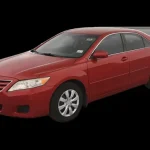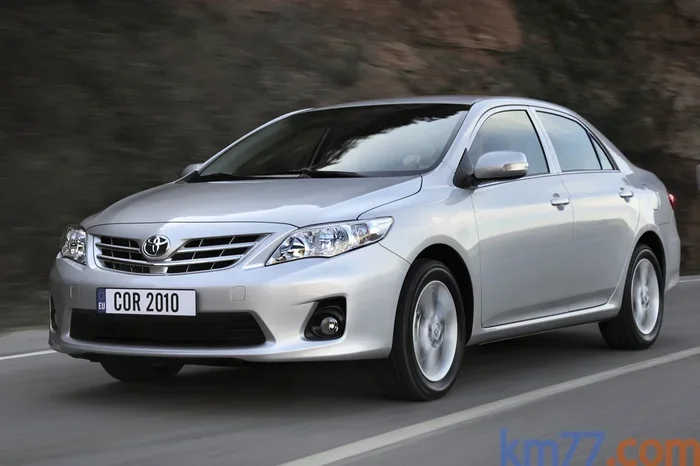

The 2010 Toyota Corolla remains a top choice for budget-conscious buyers seeking reliability. Its current market value typically ranges from $3,500 to $7,500 depending on condition and mileage. Factors like maintenance history, location, and trim level heavily influence the final price. Understanding these variables helps you negotiate better deals or set realistic selling prices. This guide breaks down everything you need to know about pricing this classic sedan.
Key Takeaways
- Market Range: Most 2010 Corollas sell between $3,500 and $7,500 based on condition and mileage.
- Trim Impact: Higher trims like XLE or LE with extra features command better prices.
- Mileage Matters: Vehicles under 100,000 miles retain significantly higher value than high-mileage examples.
- Maintenance History: Documented service records can increase worth by 10-20 percent.
- Location Variance: Prices differ by region due to climate, demand, and local market conditions.
- Private vs Dealer: Private party sales usually yield higher returns than trade-ins or dealer purchases.
- Future Outlook: Values may slowly decline but the Corolla reputation keeps demand steady.
📑 Table of Contents
Understanding the Current Market Value
Finding the right price for a used car can feel confusing. Many buyers and sellers ask the same question: how much is a 2010 Toyota Corolla worth in today market. The answer depends on several clear factors. You need to look at condition, mileage, trim level, and local demand. This guide will walk you through each piece so you can make smart decisions.
The 2010 Corolla sits in a sweet spot for budget buyers. It offers proven reliability without the high cost of newer models. Many people choose this sedan for daily commuting or as a first car. Others use it as a dependable secondary vehicle. Its popularity keeps the resale market active year after year.
You will notice price differences across online listings. Some sellers ask for more while others drop their prices quickly. Understanding why these gaps exist helps you avoid overpaying. It also helps you set a fair asking price if you plan to sell. Let us break down the numbers and the reasons behind them.
Why This Model Holds Value
Toyota built a strong reputation for longevity with the Corolla line. The 2010 generation continues that tradition. Owners report fewer major repairs compared to many competitors. This track record creates steady demand in the used car market. Buyers know they get a vehicle that starts every morning and handles routine trips with ease.
Simple mechanics also play a role. The engine and transmission designs are well understood by local shops. Parts remain easy to find and affordable. This lowers the total cost of ownership. Many buyers factor these savings into their offers. They see a lower purchase price and lower future repair bills as a winning combo.
How Age Affects Pricing
Age alone does not kill value for this sedan. Instead, age works together with mileage and care. A well-maintained ten-year-old car can outperform a neglected five-year-old one. The market recognizes this reality. Sellers who document their upkeep often see better offers. Buyers feel more confident when they see a clear service history.
You should also consider the model year context. The 2010 Corolla arrived with updated styling and refined interiors. It kept the practical layout that fans love. These traits help it age gracefully. You will still find clean examples that look and feel solid. That visual appeal supports stronger asking prices.
Key Factors That Influence Price
Several variables shape the final number on a bill of sale. You can think of them as levers that push the price up or down. Knowing which levers matter most gives you an edge. You can focus your search on the best value or position your car to attract serious buyers.
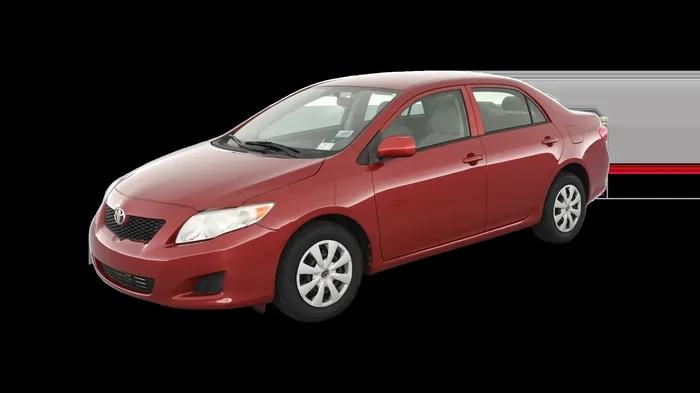
Visual guide about 2010 Toyota Corolla sedan
Image source: vexstockimages.fastly.carvana.io
Trim Level and Features
Not all 2010 Corollas are the same. The base LE model offers essential comforts at a lower price. The CE trim adds a few style touches. The XLE trim brings more conveniences like upgraded cloth, better audio, and extra comfort features. Higher trims usually command a premium because they feel more complete.
Optional equipment also matters. Sunroofs, alloy wheels, and keyless entry can boost interest. A well-equipped example often sells faster. Buyers appreciate ready-to-use features that save them money on add-ons. When you compare listings, note which features each car includes. That detail explains many price gaps.
Mileage and Condition
Mileage remains one of the biggest price drivers. A car with lower miles typically costs more. The engine and suspension endure less wear over time. Buyers see lower mileage as a sign of longer remaining life. That perception supports higher offers.
Condition goes beyond the odometer. Look at the paint, interior, tires, and brakes. Small dents and scratches reduce value. A dirty cabin or worn seats also hurt the price. On the flip side, a detailed interior and fresh tires can lift the number. Buyers notice when a car feels cared for.
Service History and Documentation
Paperwork tells a strong story. A folder full of oil change receipts, tire rotations, and inspection records builds trust. It shows the owner followed a routine. That routine reduces the chance of hidden problems. Many buyers will pay a bit more for that peace of mind.
Missing records do not mean the car is bad. They just create uncertainty. In that case, buyers often lower their offers to cover risk. If you have records, keep them organized. If you are buying, ask for what you can see. A clear history often justifies a stronger price.
Location and Regional Demand
Where you buy or sell changes the number. Urban areas with heavy commuting often show higher demand for reliable compacts. Rural areas may favor trucks, which can soften sedan prices. Climate matters too. Cars from dry regions often show less rust than those from snowy states. That difference affects value.
Local inventory also plays a part. If many similar Corollas sit on lots, prices may dip. If supply is tight, sellers can hold firmer. Check nearby listings to see what others ask. That snapshot helps you gauge the local market and avoid outliers.
Typical Price Ranges in 2026
Now let us look at real numbers. These ranges reflect common market conditions for private sales and dealer listings. Your exact figure will vary based on the factors we discussed. Use these numbers as a starting point, not a final rule.
Private Party vs Dealer Pricing
Private sales usually offer the best deal for both sides. Sellers keep more money. Buyers pay less. Dealer prices include overhead, reconditioning, and warranty options. That added convenience often raises the sticker price. You should compare both channels before you commit.
Trade-in values sit lower than private sales. Dealers need room to resell the car. If you want maximum return, a private sale usually wins. If you want speed and less hassle, a dealer trade-in may suit you. Weigh your priorities before you choose.
Condition-Based Value Tiers
You can group most 2010 Corollas into clear tiers. Each tier reflects a typical condition and price band. This helps you sort listings quickly.
- Excellent: Low miles, full service history, clean interior and exterior. These examples often reach the top of the range.
- Good: Moderate miles, regular care, minor wear. Most listings fall here. Prices stay fair and balanced.
- Fair: Higher miles, visible wear, limited records. Buyers expect a discount and may plan small repairs.
- Project: Notable damage, mechanical concerns, or very high miles. Prices drop sharply. Only buy if you understand the fixes.
Example Scenarios
Seeing real examples makes the ranges clearer. Imagine a LE trim with 90,000 miles and a full service folder. A private buyer might offer near the upper mid-range. Now picture an XLE with 130,000 miles, fresh tires, and a clean title. That car could still attract strong interest due to its features and care.
Contrast those with a high-mileage CE that needs brakes and a battery. The price should reflect the immediate work. Smart buyers calculate repair costs before they bid. Smart sellers price honestly to attract serious offers. Transparency keeps the process smooth.
How to Value Your Car Accurately
If you own a 2010 Corolla, you can estimate its worth with a simple process. Start with broad market data. Then adjust for your car specific details. This method gives you a realistic target for listing or negotiating.
Use Trusted Pricing Tools
Begin with established pricing guides. Enter the trim, mileage, condition, and zip code. Compare results from more than one source. Look for patterns rather than a single number. If two sources agree, you likely have a solid baseline.
Also check active listings in your area. See what similar cars ask and how long they sit. Long sitting times may signal overpricing. Quick sales often show a fair market price. This live data complements the guides and keeps you grounded.
Adjust for Your Car Details
Take a honest look at your car. Note any recent repairs, new tires, or battery replacement. Add value for documented care. Subtract for visible damage, overdue maintenance, or missing records. Small adjustments compound into a fair number.
Do not overstate condition. Buyers will notice gaps during inspection. An honest description builds trust and reduces back-and-forth. It also helps you avoid wasted time with unrealistic expectations. Clear communication speeds up the sale.
Get a Pre-Sale Inspection
A quick inspection can strengthen your position. A mechanic can spot items that need attention. Fixing small issues before listing can improve the offer. Even if you do not repair anything, a report shows transparency. Buyers appreciate knowing the car state upfront.
This step also helps you answer questions confidently. You can share results and explain recent work. That openness often justifies a stronger price. It turns a generic listing into a trusted opportunity.
Tips for Buyers and Sellers
Whether you buy or sell, a few habits lead to better outcomes. Keep your approach simple and focused. The goal is a fair deal and a car that fits your needs.
For Buyers
- Set a budget first. Include taxes, registration, and a small repair cushion.
- Compare multiple cars. Look at several examples to understand the average condition.
- Test drive carefully. Listen for odd noises and check braking, steering, and acceleration.
- Verify the title. Make sure the seller name matches the title and there are no liens.
- Negotiate with facts. Use condition, mileage, and needed repairs to support your offer.
For Sellers
- Clean the car thoroughly. A tidy interior and exterior create a strong first impression.
- Gather records. Organize receipts and service notes in one folder.
- Write a clear ad. List trim, miles, condition, and any recent work.
- Price realistically. Match your asking price to local comps and your car actual state.
- Stay responsive. Quick replies and flexible meeting times help close deals faster.
Common Mistakes to Avoid
Rushing often leads to poor choices. Buyers sometimes skip the test drive or ignore small warning signs. Sellers sometimes overprice based on emotion rather than data. Both sides can lose by skipping paperwork checks. Take your time and verify details.
Another mistake is ignoring total cost. A low purchase price can hide upcoming repairs. A high asking price can scare away serious buyers. Look at the full picture. Balance the sticker number with condition, care, and future needs.
Expert Insights and Market Outlook
Industry observers note that compact sedans keep a steady niche. Fuel efficiency, low running costs, and simple repairs drive interest. The 2010 Corolla fits that profile well. As newer cars rise in price, some buyers turn to reliable older models. That trend supports stable demand for this sedan.
Technology and safety expectations continue to grow. Newer models offer more driver aids and updated infotainment. That shift can soften values for older cars. Still, the Corolla core strengths remain attractive. Many owners prioritize dependability over flashy features. That preference helps this generation hold value better than many peers.
Looking ahead, expect gradual changes rather than sharp swings. Well-kept examples will continue to find buyers. High-mileage or neglected cars will face more pressure. If you plan to keep your Corolla for years, maintenance matters most. If you plan to sell, timing and presentation matter most. Either way, informed decisions pay off.
Final Thoughts on Pricing This Reliable Sedan
So, how much is a 2010 Toyota Corolla worth in 2026? The answer lives in the details. Condition, mileage, trim, records, and location all shape the number. Most cars sit in a practical mid-range that reflects their dependable nature. With careful research, you can find a fair price or set one with confidence.
Take your time, compare real listings, and stay honest about condition. Use pricing tools as guides, not absolutes. Whether you buy or sell, clear information leads to better outcomes. The 2010 Corolla earned its reputation through years of steady performance. That legacy still shows up in the market today.
Frequently Asked Questions
What is the typical price range for a 2010 Toyota Corolla?
Most examples trade between $3,500 and $7,500 depending on condition and mileage. Well-kept low-mileage cars sit at the higher end. High-mileage or worn examples fall lower. Always compare local listings to refine your number.
Does mileage affect the value more than trim level?
Mileage usually has a larger impact than trim because it signals overall wear. Trim still matters because buyers pay more for extra features. A lower-mileage base model can outvalue a high-mileage premium trim. Consider both together for the best estimate.
How can I get the best price when selling my Corolla?
Clean the car, gather service records, and price it near local comps. Write a clear ad that lists trim, miles, and recent work. Respond quickly to inquiries and stay flexible with test drives. Honesty and presentation often lead to stronger offers.
Are 2010 Corollas still reliable for daily driving?
Yes, many remain dependable for commuting and errands when maintained properly. Simple mechanics and widely available parts help keep repair costs low. Regular oil changes, tire care, and brake service go a long way. A pre-purchase inspection adds extra confidence.
Should I buy from a private seller or a dealer?
Private sales often bring lower prices and more room to negotiate. Dealers may offer convenience, reconditioning, and limited warranties. Choose based on your priority: maximum savings or added ease. Compare both options before you decide.
What maintenance items most affect resale value?
Oil changes, brake service, tire replacement, and battery health matter most. Documented routine care shows the car was managed well. Fixing small issues before listing can also improve buyer confidence. Clear records often justify a better price.