
If you are asking how much is a 2010 Toyota Camry worth, the answer typically falls between $4,000 and $9,000 depending on condition and mileage. This reliable sedan remains a smart choice for budget-conscious buyers. We will explore market trends, trim levels, and maintenance factors that shape its current resale price. You will also learn how to evaluate listings and negotiate like a pro.
Buying a used car can feel like navigating a maze. You want reliability, comfort, and a fair price. The 2010 Toyota Camry checks most of those boxes. It has earned a reputation for lasting well beyond expectations. Many drivers still see it on the road every day. That longevity makes it a popular pick in the used market.
But pricing can be confusing. Listings vary widely. Some sellers ask for top dollar. Others drop prices quickly. Understanding what drives those numbers helps you make a smart choice. This guide breaks down the real value of this sedan. You will learn what to look for and how to avoid overpaying.
Key Takeaways
- Current Market Range: Most 2010 Toyota Camry models sell for $4,000 to $9,000 based on trim, mileage, and location.
- Trim Matters: LE, SE, and XLE trims hold different values, with higher-equipped versions commanding premium prices.
- Mileage Impact: Lower mileage usually means higher worth, but overall condition often outweighs raw odometer readings.
- Maintenance History: Documented service records and recent major repairs can significantly boost resale value.
- Regional Differences: Local demand, climate, and inventory levels cause price variations across states and cities.
- Private Sale vs. Trade-In: Selling directly to a buyer typically yields more money than trading it in at a dealership.
- Smart Buying Tips: Always inspect for rust, test drive thoroughly, and verify vehicle history before finalizing a purchase.
📑 Table of Contents
- How Much Is a 2010 Toyota Camry Worth in Today’s Market
- Trim Levels and How They Affect Value
- Mileage, Condition, and Maintenance History
- Regional Differences and Market Demand
- Private Sale vs. Trade-In: Which Pays More
- Tips for Buyers and Sellers
- Expert Insights on Long-Term Reliability
- Final Thoughts on Value and Smart Buying
How Much Is a 2010 Toyota Camry Worth in Today’s Market
The short answer is that values typically range from $4,000 to $9,000. That broad range reflects real-world differences. A well-kept example with low miles sells for more. A high-mileage car with wear and tear sells for less. Location also plays a big role. Urban areas with high demand often see stronger prices. Rural markets may offer better deals.
Online valuation tools give you a solid starting point. They look at recent sales, regional trends, and vehicle specs. Keep in mind that these tools estimate averages. They do not account for unique factors like service history or accident reports. Always treat them as a guide, not a final word.
What Drives the Price Up or Down
Several factors push prices in either direction. Trim level is one of the biggest. Base models cost less. Fully loaded versions cost more. Engine choice matters too. The standard four-cylinder is common and affordable. The V6 offers more power and sometimes attracts a small premium.
Condition is another major driver. A car with clean interior surfaces, working electronics, and fresh tires will fetch more. Visible wear, strange noises, or warning lights reduce value quickly. Buyers pay for peace of mind. They want a car that feels ready to drive.
Quick Tips for Checking Market Value
- Compare multiple listings in your area to spot realistic price ranges.
- Check recent sales data instead of relying only on asking prices.
- Adjust for your region since local demand changes numbers fast.
- Factor in immediate repairs like tires, brakes, or batteries when budgeting.
Trim Levels and How They Affect Value
Toyota offered several trim levels for this model year. Each one targets a different buyer. That difference shows up in pricing. The LE trim is the most common. It focuses on comfort and efficiency. It usually sits at the lower end of the price spectrum. The SE trim adds sporty styling and a bit more personality. It often commands a modest premium. The XLE trim brings extra comfort features and a higher price tag.
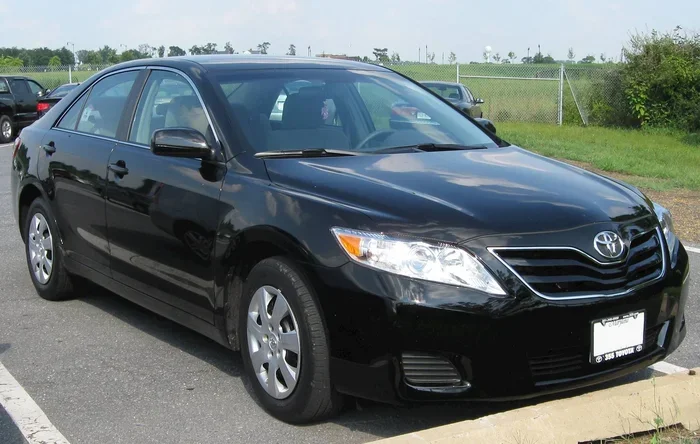
Visual guide about 2010 Toyota Camry sedan
Image source: photos.carspecs.us
Optional packages also matter. Sunroofs, upgraded audio systems, and convenience tech can add appeal. Buyers sometimes pay extra for these features. However, the value boost depends on demand. Not every feature raises the price equally. Some items matter more to certain buyers than others.
Comparing Popular Trims
Here is a simple look at how trims generally stack up in value:
| Trim | Typical Value Range | Key Features | Best For |
|---|---|---|---|
| LE | $4,000 – $6,500 | Comfortable seats, reliable four-cylinder, solid fuel economy | Budget buyers and daily commuting |
| SE | $5,000 – $7,500 | Sport-tuned suspension, unique styling, firmer ride | Drivers who want a bit more attitude |
| XLE | $6,000 – $9,000 | Leather-style seats, power features, sunroof, extra comfort items | Riders who want a more refined feel |
This table gives you a rough idea. Real prices still depend on mileage, condition, and location. Always verify the exact features on the specific car you are considering.
Mileage, Condition, and Maintenance History
Mileage is one of the first things people check. It matters, but it is not the whole story. A car with 120,000 miles can still be a great buy if it was cared for properly. A car with 80,000 miles can be a poor choice if it was neglected. Overall condition often outweighs raw odometer readings.
Service records tell a powerful story. Regular oil changes, brake service, and timing belt or chain maintenance show that the owner took the car seriously. A documented history reduces risk for buyers. That reduced risk often translates into a higher sale price. If records are missing, buyers may assume the worst and lower their offers.
Common Maintenance Items That Influence Value
- Oil changes: Consistent intervals keep the engine healthy and support long-term reliability.
- Brake service: Fresh pads and rotors improve safety and reduce buyer worry.
- Tire condition: Even wear and decent tread add appeal and save the next owner money.
- Battery health: A strong battery shows the car was ready to go when last used.
- Fluid checks: Clean coolant, transmission fluid, and power steering fluid suggest careful ownership.
If you are selling, gather every receipt you can find. Even simple records help. If you are buying, ask for proof of service. A car with a clean history is usually worth the extra effort.
Regional Differences and Market Demand
Where you buy or sell changes the price. Some regions prefer fuel-efficient sedans. Others lean toward trucks or SUVs. That preference affects supply and demand. When more people want a 2010 Camry in your area, prices rise. When inventory is high and interest is low, prices soften.
Climate also plays a role. Cars from dry, mild regions often show less rust and wear. Vehicles from snowy areas may carry more corrosion or undercarriage wear. Buyers notice these differences. They adjust offers based on what they see during an inspection.
How to Use Local Market Knowledge
Check local listings before you decide. Look at similar cars within a reasonable driving distance. Note the average price, mileage, and feature set. This quick research helps you spot outliers. You will see which cars are priced too high and which ones offer real value.
If you are selling, price competitively. A fair asking price attracts more buyers. More interest often leads to a faster sale. If you are buying, stay patient. The right car usually appears when you keep looking.
Private Sale vs. Trade-In: Which Pays More
Many owners face this choice. Selling privately usually brings in more money. You deal directly with the buyer. There is no middleman taking a cut. The trade-off is time and effort. You handle photos, listings, messages, and test drives. You also manage paperwork and safety during meetings.
Trading in at a dealership is simpler. You drop off the car and drive away with your next purchase. The convenience is real. The downside is a lower payout. Dealers need to resell the car and make a profit. They often offer less than a private buyer would pay.
Quick Comparison
- Private sale: Higher payout, more effort, longer timeline, full control over price.
- Trade-in: Lower payout, less effort, faster process, easier paperwork.
- Online buyers: Moderate payout, convenient, quick offer, but may include fees or deductions.
Think about your priorities. If maximizing cash matters most, a private sale usually wins. If time and simplicity matter more, a trade-in may be the better fit.
Tips for Buyers and Sellers
Whether you are buying or selling, a few smart habits make a big difference. Clean the car inside and out before listing it. A tidy interior and a fresh wash make a strong first impression. Fix small issues when they are cheap. A burned-out bulb or a cracked mirror is easy to replace and can improve buyer confidence.
For buyers, take your time during inspections. Look for uneven panel gaps, rust spots, and fluid leaks. Test every button and switch. Listen for odd sounds during a test drive. A careful check now can save you from expensive surprises later.
Common Mistakes to Avoid
- Ignoring vehicle history: Always review reports for accidents, ownership changes, and title issues.
- Focusing only on price: A cheap car with major problems can cost far more in the long run.
- Skipping the test drive: Real-world driving reveals issues that static inspections miss.
- Overlooking paperwork: Title transfer, bill of sale, and local requirements matter a lot.
A little preparation goes a long way. It helps you negotiate with confidence and make a choice you will not regret.
Expert Insights on Long-Term Reliability
This sedan has a strong reputation for staying on the road. Many owners keep it for years because it feels steady and predictable. The powertrain is known for calm, dependable performance. Parts are easy to find. Most mechanics understand these cars well. That familiarity keeps repair costs reasonable.
Fuel economy is another plus. The four-cylinder setup delivers solid efficiency for daily driving. The V6 offers more enthusiasm when you want it. Either way, running costs stay manageable compared with many newer vehicles. Lower fuel bills and affordable maintenance help preserve overall value.
What to Look For During a Purchase
- Engine behavior: Smooth idle, steady acceleration, and no unusual knocking or rattling.
- Transmission shifts: Clean, timely gear changes without slipping or harsh jumps.
- Suspension feel: Controlled ride with no excessive bouncing or clunking over bumps.
- Interior wear: Seat condition, dashboard cracks, and functional controls all tell a story.
- Undercarriage: Look for rust, damaged components, or signs of past leaks.
If you want a car that simply works, this model often fits the bill. Its straightforward design and broad service support make it a practical choice for many drivers.
Final Thoughts on Value and Smart Buying
So, how much is a 2010 Toyota Camry worth? The real answer depends on the specific car in front of you. Trim, mileage, condition, service history, and location all shape the final number. Most examples land in a predictable range, but individual details can move the price up or down. That is why careful research matters.
Take your time. Compare listings. Ask for records. Inspect the car thoroughly. Whether you are buying or selling, a clear picture of value helps you make a confident decision. This sedan continues to offer dependable transportation at a reasonable cost. When you choose wisely, you get a car that can serve you well for years to come.
Frequently Asked Questions
How much is a 2010 Toyota Camry worth with high mileage?
A high-mileage example usually sells for less, often closer to the lower end of the market range. However, strong maintenance records and solid condition can keep the value from dropping too far. Always judge the overall state of the car instead of mileage alone.
Which trim level holds the best value?
Value depends on what buyers in your area want. The LE trim is common and affordable, while the XLE often brings a higher price because of extra comfort features. The SE sits in the middle and appeals to buyers who want a sportier look.
Does a clean vehicle history increase the price?
Yes, a clean history usually makes a car more attractive and can support a higher asking price. Buyers feel more confident when accidents, title problems, and major issues are absent. A clear report often simplifies negotiations too.
Is it better to sell privately or trade in this car?
Selling privately usually brings more money, but it takes more time and effort. Trading in is faster and easier, though the payout is typically lower. Choose the option that matches your priorities for cash, convenience, and timing.
What maintenance items most affect resale value?
Regular oil changes, brake service, tire condition, and battery health matter a lot. Documented service records also help because they show the car was cared for over time. Fixing small problems before listing can improve buyer confidence and price.
How can I check if the asking price is fair?
Compare similar listings in your region and look at recent sales rather than only asking prices. Adjust for mileage, trim, condition, and any needed repairs. If a car is far above or below the local average, ask why before you decide.