
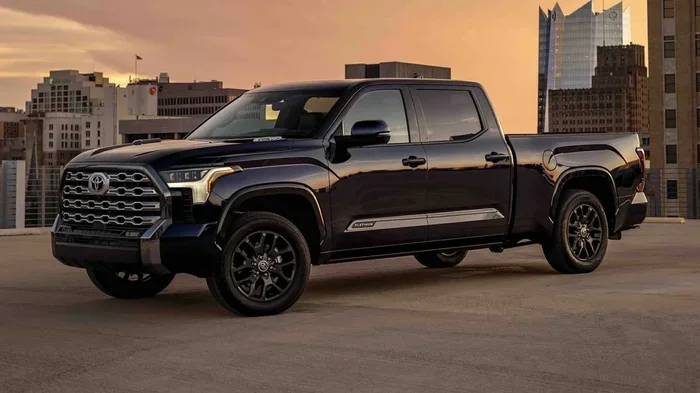

The Toyota Tundra is officially rated as a half-ton truck in the full-size pickup segment. It offers a strong payload capacity near 1,940 pounds and towing up to 12,000 pounds. Buyers should compare trims and configurations to match their hauling needs. This guide breaks down class ratings, real-world capacity, and smart buying tips.
Key Takeaways
- Half-ton classification: The Tundra sits in the full-size half-ton category, balancing daily use with serious hauling.
- Payload range: Most configurations handle around 1,600 to 1,940 pounds of payload depending on trim and options.
- Towing strength: Properly equipped models can tow up to 12,000 pounds with the right package and setup.
- Engine choices: V8 and twin-turbo V6 powertrains offer strong torque for work and everyday driving.
- Bed and cab options: Multiple cab styles and bed lengths let you tailor the truck for work, family, or both.
- Class comparisons: The Tundra competes with other half-ton pickups while keeping a distinct Toyota reliability reputation.
- Buying tip: Match payload and towing needs to your actual use, not just the maximum advertised numbers.
📑 Table of Contents
- Is Toyota Tundra a Half Ton Truck in Real-World Use
- Understanding Truck Class Names and Payload Basics
- Toyota Tundra Payload Capacity and What It Really Means
- Toyota Tundra Towing Capacity and Trailer Smarts
- Engine Choices, Towing Packages, and Daily Driving Balance
- Half Ton vs Three-Quarter Ton vs One Ton: Which Class Fits You
- Common Mistakes When Choosing a Half Ton Pickup
- Expert Insights for Buyers Considering the Tundra
- Final Thoughts on Is Toyota Tundra a Half Ton Truck
Is Toyota Tundra a Half Ton Truck in Real-World Use
If you are shopping for a capable pickup, you have probably asked yourself, is Toyota Tundra a half ton truck? The short answer is yes. The Tundra belongs to the full-size half-ton segment, which means it is built for heavier work than compact pickups, yet it still keeps a balance that many drivers want for daily use. It is not a heavy-duty three-quarter ton or one-ton truck. Instead, it targets buyers who need a strong, versatile truck for towing boats, hauling gear, and carrying families with comfort.
Understanding truck classes can be confusing because names like half-ton do not always match real payload numbers. These labels come from older classification habits, and modern trucks often exceed their historic names. The Tundra is a good example. It carries the half-ton label, but its actual payload and towing numbers can feel closer to a heavier truck in everyday scenarios. That is why it helps to look at the spec sheet, not just the marketing name.
Here is what matters most when you think about class and capability:
- Full-size half-ton segment: The Tundra competes with other large pickups designed for substantial towing and payload.
- Daily usability: It is sized for highway driving, parking lots, and family routines, not just job-site duty.
- Work-ready options: Trims and packages can add towing aids, bed protection, and utility features.
- Toyota reputation: Many buyers also value long-term reliability and strong resale value when comparing brands.
If you want a deeper look at how the Tundra fits into the broader half-ton conversation, you can read more in our guide on is the Toyota Tundra a 3 4 ton. It helps clarify where the Tundra sits in the truck class spectrum.
Understanding Truck Class Names and Payload Basics
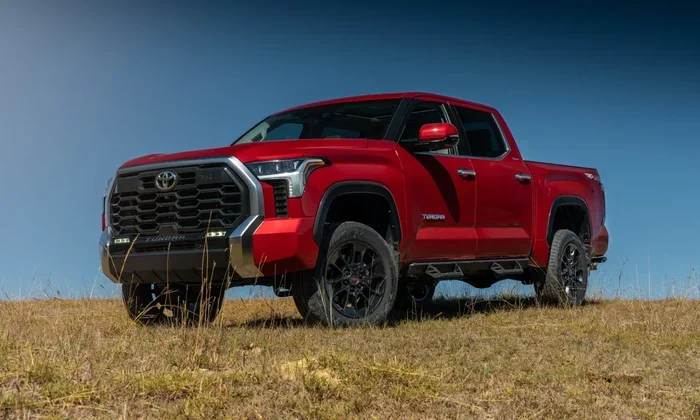
Visual guide about Toyota Tundra half ton truck
Image source: motorbiscuit.com
Truck names can mislead people because they are part tradition and part marketing. A half-ton truck is not limited to 1,000 pounds of payload in modern practice. The name is mostly a category marker. It tells you the truck is larger than a compact pickup and smaller than a heavy-duty class. That is the simple version, but the details matter when you are loading a truck for work or weekend projects.
Payload is the total weight a truck can carry in the cab and bed combined. That includes passengers, cargo, fuel, and any accessories you add. Towing is different. It is the weight the truck can pull behind it with a trailer. Both numbers matter, but they do not work the same way. A truck may tow well while still having a lower payload limit once you factor in passengers and gear.
A few key terms help clear up the confusion:
- Gross Vehicle Weight Rating: This is the maximum total weight of the truck with everything inside it.
- Payload capacity: This is what remains after the truck’s own weight is accounted for.
- Towing capacity: This depends on engine, transmission, axle ratio, and equipment.
- Trailer tongue weight: This is the downward force a trailer places on the hitch, and it counts against payload.
This is why two people can buy the same truck and get different practical results. One driver may use the Tundra for light hauling and family trips. Another may load it with tools, materials, and a heavier trailer. The truck’s class stays the same, but the real-world burden changes. If you want to compare how the Tundra lines up with other Toyota names and segments, it can also help to look at is the Toyota Crown a good car for a different view on Toyota’s broader lineup.
Toyota Tundra Payload Capacity and What It Really Means
When people ask is Toyota Tundra a half ton truck, they often want to know how much it can actually carry. The Tundra’s payload is strong for a half-ton pickup. Depending on configuration, many models can handle roughly 1,600 to 1,940 pounds. That range can shift based on cab style, bed length, engine, and options. A lighter configuration may leave more room for cargo. A fully loaded model may reduce the available payload.
Payload is not just about the bed. It includes everything that adds weight to the vehicle. That means you should count passengers, tools, cooler chests, fuel, and even a winch or truck bed setup if you use one. It is easy to underestimate how fast weight adds up. A few bags of concrete, a full toolbox, and a couple of passengers can make a noticeable difference.
Practical payload tips:
- Check the door sticker: Your truck’s specific rating is listed on the safety certification label.
- Weigh your load: A simple scale can prevent surprises at the trailhead or job site.
- Watch tongue weight: A trailer hitch load reduces available payload before you even load the bed.
- Plan for extras: Accessories like bed liners, tonneau covers, and running boards add weight too.
If you are comparing the Tundra to other Toyota trucks, you may also want to check how wide is a Toyota Tacoma. That can help you understand size differences across Toyota’s pickup family.
Toyota Tundra Towing Capacity and Trailer Smarts
Towing is another big reason buyers look at the Tundra. A well-equipped Tundra can tow up to about 12,000 pounds. That is a strong number for a half-ton truck, and it opens the door to larger boats, travel trailers, and work trailers. Of course, maximum towing is not the same as everyday towing. The actual safe limit depends on your setup, the terrain, and how the truck is equipped.
Engine choice matters. The Tundra offers powerful powertrains that deliver strong torque, which helps when moving heavy loads from a stop. Transmission tuning, axle ratios, and towing packages also affect performance. A truck with the right options will usually feel steadier on hills and during lane changes with a trailer behind it.
Smart towing habits:
- Use the right hitch: Match the hitch class to the trailer and load you plan to pull.
- Check brake controller setup: Larger trailers often need a properly adjusted brake controller.
- Mind the center of gravity: Keep heavy cargo positioned low and centered in the trailer.
- Allow more stopping distance: Heavier loads take longer to stop, especially in wet weather.
If you are also thinking about all-wheel-drive options in Toyota’s lineup, you might find it useful to read is the Toyota Sienna all wheel drive. It shows how Toyota approaches traction and drivetrain choices in different vehicle types.
Engine Choices, Towing Packages, and Daily Driving Balance
The Tundra is designed to feel capable without becoming difficult to live with every day. That balance is important. A half-ton truck should be strong enough for work, but still comfortable for commuting, errands, and family trips. The Tundra’s engine lineup supports that idea by offering strong power and a driving feel that works in a range of situations.
The available powertrains include V8 and twin-turbo V6 options, depending on model year and configuration. These engines are paired with transmissions and drivetrain choices that affect both towing and everyday performance. Some buyers care most about maximum towing. Others care more about smooth acceleration, fuel planning, and ride comfort. The Tundra tries to serve both groups.
Things to weigh when choosing a setup:
- Power versus efficiency: More capability can mean different trade-offs in fuel use and driving feel.
- Cab and bed size: A double cab may suit families better, while a standard cab and longer bed may suit work needs.
- Towing package: If you plan to haul trailers often, look for the right hitch receiver, wiring, and cooling support.
- Driving conditions: Hills, heat, and frequent stop-and-go traffic can change how a truck feels under load.
For buyers comparing Toyota models across categories, it can also help to explore is the Toyota Camry a full size car. That gives context on how Toyota sizes its vehicles in different segments.
Half Ton vs Three-Quarter Ton vs One Ton: Which Class Fits You
Not every buyer needs the same truck class. The half-ton segment is popular because it covers a wide range of uses. It is large enough for meaningful towing and hauling, but usually easier to park and drive than heavier trucks. The three-quarter ton and one-ton classes step up for more extreme workloads, but they also bring more size, weight, and often more complexity in daily use.
A simple way to think about it is this:
- Half-ton: Best for mixed use, family hauling, moderate towing, and general versatility.
- Three-quarter ton: Better for frequent heavier towing and more demanding payload needs.
- One-ton: Built for commercial-style loads, large trailers, and sustained heavy work.
The Tundra fits the half-ton role very well for many buyers. It offers a strong blend of comfort, capability, and practicality. If your needs are mostly recreational towing, home projects, or moderate work use, a half-ton truck may be the smarter choice. If you are regularly moving dense materials or pulling very heavy equipment every day, it is worth checking whether a heavier class makes more sense.
You can also compare how Toyota positions different trucks by reading is a Toyota Tundra a 3 4 ton. That discussion helps clarify the line between half-ton and heavier classifications.
Common Mistakes When Choosing a Half Ton Pickup
Buying a truck is easier when you avoid a few common traps. One mistake is focusing only on the largest advertised number and ignoring the details. Another is forgetting that passengers and gear count against payload. A third is assuming towing capacity is the same in every configuration. Those mistakes can lead to a truck that feels less capable than expected once it is loaded.
Watch out for these issues:
- Ignoring the door sticker: The specific rating for your truck matters more than a general model claim.
- Forgetting accessories: Bed caps, cameras, roof racks, and tools all add weight.
- Mismatching hitch and trailer: The wrong setup can reduce safety and stability.
- Overlooking driving comfort: A truck that tows well but feels awkward daily may not be the best fit.
A good buying habit is to match the truck to your real routine. Think about the heaviest load you expect to carry in a typical month, not just the one extreme trip you might take once a year. That keeps your choice practical and realistic.
Expert Insights for Buyers Considering the Tundra
If you want the most from a Tundra, think ahead about how you will use it. A truck that spends most of its time carrying family and light cargo can be set up differently from one that works on a farm, construction site, or towing route. The best choice usually comes from being honest about your typical workload.
Helpful expert tips:
- Choose the right trim for your use: More features are not always better if they add weight you do not need.
- Consider future needs: A little extra capacity can be useful if your projects grow over time.
- Test with a realistic load: If possible, try the truck with cargo or a trailer that resembles your usual setup.
- Keep maintenance in mind: A capable truck still needs regular care to stay dependable.
If you are curious about Toyota reliability across models, you may also enjoy reading is the Toyota Sequoia reliable. It gives another angle on how Toyota’s larger vehicles hold up over time.
Final Thoughts on Is Toyota Tundra a Half Ton Truck
So, is Toyota Tundra a half ton truck? Yes, it is. It belongs to the full-size half-ton class and offers a strong mix of payload, towing, and everyday usability. For many buyers, that makes it a smart middle ground between compact pickups and heavier-duty trucks. It can handle meaningful work while still feeling practical for regular driving.
The best approach is to look past the label and focus on your actual needs. Check payload, towing, cab and bed choices, and the specific configuration you plan to buy. When you do that, the Tundra becomes easier to judge on its own merits. If your goal is a capable, versatile half-ton pickup with a trusted name behind it, the Tundra deserves a close look.
Frequently Asked Questions
Is Toyota Tundra a half ton truck or a heavy-duty truck?
The Toyota Tundra is a half-ton truck in the full-size pickup class, not a heavy-duty three-quarter ton or one-ton model. It is built for strong everyday capability, with solid payload and towing numbers for that segment. Heavy-duty trucks are better suited for more extreme commercial workloads.
How much payload can a Toyota Tundra carry?
Payload varies by trim, cab, bed, and options, but many Tundra configurations can handle around 1,600 to 1,940 pounds. That includes passengers, cargo, fuel, and accessories. Your specific truck’s door sticker shows the exact rating you should follow.
Can the Toyota Tundra tow large trailers?
Yes, a properly equipped Tundra can tow up to about 12,000 pounds. The real safe limit depends on your setup, trailer type, terrain, and load distribution. Using the right hitch and checking tongue weight are important for stable towing.
What makes a half ton truck different from a three-quarter ton truck?
A half-ton truck is usually more versatile for mixed daily use, while a three-quarter ton truck is geared toward heavier towing and payload demands. The three-quarter ton class is larger and often more work-focused. The best choice depends on how often you haul heavy loads or pull big trailers.
Does engine choice affect towing and hauling in the Tundra?
Yes, engine and equipment choices influence how the truck performs under load. Stronger torque, towing packages, axle ratios, and drivetrain setup can all affect towing confidence and hauling comfort. It helps to match the powertrain to your normal workload rather than only looking at maximum numbers.
Should I buy a Tundra if I only tow occasionally?
If you tow only occasionally and also want a comfortable daily truck, the Tundra can be a very practical choice. It offers strong capability without requiring you to live with a heavier-duty truck all the time. Just make sure the specific configuration you choose matches your normal cargo and passenger needs.


