
The Toyota Tundra is not a 3/4-ton truck; it is classified as a full-size half-ton pickup. While it offers impressive towing and payload capabilities, it does not meet the traditional 3/4-ton rating used for heavier-duty trucks. Understanding the actual payload and towing limits helps you choose the right vehicle for your work or recreation needs.
When shoppers start comparing full-size pickups, one question comes up often: is the Toyota Tundra a 3 4 ton truck? The short answer is no. The Tundra sits in the half-ton segment, which means it is built for daily driving, light commercial work, and recreational towing rather than heavy vocational payloads. That does not make it weak. It simply means the truck follows a different design philosophy than a 3/4-ton or one-ton platform.
People ask this question because payload and towing numbers can feel confusing. Manufacturers list maximum ratings, but real-world capacity changes with configuration, options, and cargo placement. If you are trying to haul heavy equipment, pull a large trailer, or run a contracting business, you need clear numbers and a realistic plan. This guide breaks down what the Tundra actually offers, how it compares to 3/4-ton trucks, and what to check before you buy.
You will learn how payload and towing limits work, why classification matters, and how the Tundra stacks up against heavier trucks. We will also look at engine choices, bed and cabin options, and simple ways to protect your truck from overloading. By the end, you will know exactly where the Tundra fits and whether it matches your needs.
Key Takeaways
- Classification matters: The Toyota Tundra is a half-ton full-size truck, not a 3/4-ton model.
- Payload capacity varies: Most Tundra configurations range between 1,500 and 1,900 pounds depending on trim and options.
- Towing limits are strong: Maximum towing reaches around 12,000 pounds with the right setup and engine.
- Engine choice affects performance: The i-FORCE MAX hybrid and V8 options offer different power and efficiency profiles.
- Real-world use differs from ratings: Added accessories, passengers, and cargo reduce available capacity quickly.
- Compare before you buy: If you need true 3/4-ton capability, look at heavier-duty platforms instead of the Tundra.
- Check official specs: Always verify the door jamb sticker and owner’s manual for your specific VIN.
📑 Table of Contents
Understanding Truck Classification and Why It Matters
Truck classifications are based on payload capacity, not just size or looks. A half-ton truck generally handles around 1,000 to 2,000 pounds of payload in modern designs, while a 3/4-ton truck is built with a stiffer frame, stronger suspension, and higher payload targets. The names sound old-fashioned, but they still help buyers sort vehicles by intended use.
The Toyota Tundra is a full-size pickup, but it is not a 3/4-ton truck. It is engineered for comfortable daily use, strong towing for its class, and modern tech features. If you need a truck for light construction tasks, weekend towing, or family transport with occasional cargo, the Tundra makes sense. If you regularly carry dense materials or run a heavy-duty service body, a 3/4-ton platform may be a better match.
Classification also affects towing expectations. Heavier-duty trucks often use higher-capacity axles, different gearing, and stronger cooling systems. The Tundra can tow a lot for a half-ton, but it is still optimized for a different balance of comfort, efficiency, and capability. Knowing this helps you set realistic goals for your truck.
Payload Basics Explained Simply
Payload is the total weight your truck can carry inside the cabin and in the bed. It includes passengers, cargo, fuel, hitch hardware, and any accessories you add. The number is not just about the bed. It is about everything above the axles and inside the vehicle.
A common mistake is thinking the bed rating is the full payload number. It is not. The payload figure comes from the difference between the gross vehicle weight rating and the curb weight. That means two identical-looking trucks can have different payload numbers if one has more options, a larger engine, or extra equipment.
Quick Tips:
- Check the door jamb sticker for the actual payload rating of your specific truck.
- Count every pound of passengers, gear, fuel, and hitch hardware.
- Watch cargo placement because weight over the axles matters for handling and safety.
How a 3/4 Ton Truck Differs From the Tundra
A 3/4-ton truck usually has a more robust rear axle, heavier springs or air suspension, and a frame tuned for higher stress. These trucks often serve fleets, tradespeople, and owners who tow larger trailers regularly. They can feel stiffer on pavement and may deliver a more work-focused ride.
The Tundra focuses on a smoother ride, modern interiors, and versatile use. It can handle many tasks well, but it is not designed to the same payload extremes as a 3/4-ton model. That difference matters if you plan to carry dense cargo, heavy service bodies, or large camper setups.
Common Mistakes:
- Assuming all full-size trucks are the same when payload and suspension goals differ a lot.
- Ignoring added equipment weight like spray-in bed liners, campers, or aftermarket bumpers.
- Overlooking tongue weight when towing, since it reduces available payload quickly.
Is the Toyota Tundra a 3 4 Ton Truck? The Direct Answer
No, the Tundra is not a 3/4-ton truck. It is a full-size half-ton pickup with strong capability for its class. That means it can tow and carry a lot, but it does not carry the same classification or payload targets as a heavier-duty truck. If someone tells you the Tundra is a 3/4-ton, they are usually mixing up towing strength with official classification.
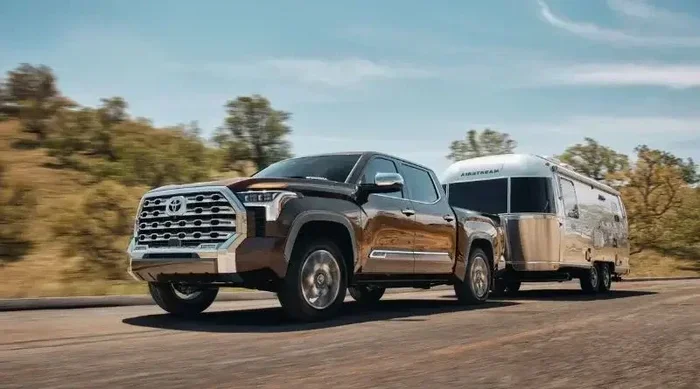
Visual guide about Toyota Tundra 3/4 ton truck
Image source: s1.cdn.autoevolution.com
This distinction matters because buyers sometimes shop the wrong segment. If you need a truck for occasional towing and moderate hauling, the Tundra can be a great choice. If you need a truck for constant heavy loads, a 3/4-ton or one-ton model may serve you better. The right answer depends on your actual workload, not just the badge on the grille.
Expert Insights:
- Match the truck to the task. A half-ton can be plenty for many owners, but heavy daily payloads call for a heavier platform.
- Read the sticker, not the rumor. The door jamb label tells you the real payload limit for your truck.
- Think about future use. If your needs may grow, buy for the workload you expect, not just today’s lightest job.
What the Tundra Is Designed to Do
The Tundra is built for a broad audience. It serves families, weekend adventurers, light business users, and towing customers who want a comfortable full-size truck. Its design balances power, technology, passenger space, and towing support. That makes it versatile, but it also means it is not a specialized heavy-duty work truck.
For many buyers, this is a strength. You get a capable truck that is easier to live with every day. You also get modern safety features, infotainment, and driver aids that improve everyday use. If your workload stays within a half-ton’s range, you may never need a heavier truck.
When a Heavier Duty Truck Makes More Sense
A 3/4-ton truck becomes more appealing when you regularly haul dense materials, install heavy equipment, or tow very large trailers. It also helps when you need a higher rear axle capacity for a big camper or a commercial body. In those cases, the extra structure and suspension tuning can make a real difference.
If you are unsure, list your typical loads and your biggest expected trailer. Then compare that total to the payload and towing numbers of the trucks you are considering. That simple exercise often clears up the confusion fast.
Toyota Tundra Payload and Towing Limits Explained
Payload and towing are related, but they are not the same thing. Payload is what you carry on the truck. Towing is what the truck pulls behind it. A truck can have strong towing numbers and still have a limited payload rating if the rear axle, suspension, and gross vehicle weight rating are tuned for a different balance.
The Tundra offers competitive towing for a half-ton, and its payload is solid for everyday use. Still, the exact numbers change by trim, engine, drivetrain, cab/bed layout, and options. That is why you should never rely on a generic internet number for your specific truck. The safest approach is to confirm the rating for your VIN and planned configuration.
Quick Tips:
- Use the door jamb sticker as your primary payload reference.
- Subtract tongue weight from payload before loading the bed.
- Include fuel, passengers, and gear in your total weight plan.
Real-World Payload Expectations
In real life, payload shrinks faster than many buyers expect. A truck may have a strong rating on paper, but once you add a driver, a passenger, full fuel, a tow package, and some tools, the available capacity drops. Aftermarket parts can also reduce payload because they add weight to the truck.
If you are using the Tundra for work, think about your typical day. How many people ride with you? What tools do you carry? Do you use a bed liner, a tonneau, or a headache rack? Those items all count. Planning for them helps you avoid overload and keeps the truck handling the way it should.
Towing Capacity in Practical Terms
Towing is where the Tundra shines for a half-ton truck. It can handle many boats, travel trailers, and utility setups comfortably when properly equipped. But towing capacity also depends on engine choice, gearing, trailer brakes, and how you load the trailer. A well-loaded trailer is easier to control and puts less stress on the truck.
Tongue weight is a big deal. Too little tongue weight can make a trailer unstable. Too much can overload the rear of the truck. Aim for a balanced setup and use a scale if you tow often. That small habit can prevent big headaches on the road.
Engine Options and How They Affect Capability
Engine choice changes how a truck feels, how much it can tow, and how efficiently it runs. The Tundra offers powerful engine options, including V8 and hybrid powertrains. Each setup brings a different mix of torque, responsiveness, and fuel economy. That matters when you tow often or carry heavy loads on hills.
A hybrid setup can add torque and help with launch control and daily driving smoothness. A traditional V8 can feel familiar and strong for many tasks. Either way, the powertrain is only one part of the capability picture. Suspension, axle rating, cooling, and vehicle weight also matter a lot.
Expert Insights:
- Torque helps towing, but it is not the whole story. Gearing, brakes, and chassis tuning also shape real-world performance.
- Heavier engines can affect payload. More hardware can mean less room for cargo in some cases.
- Match the powertrain to your routine. If you tow often, choose the setup that best fits your load and terrain.
Hybrid vs V8: What Matters for Towing and Payload
If you tow lighter to moderate loads, either engine path can work well. If you tow larger trailers or drive in steep areas, you may prefer the setup that gives you the best balance of power and confidence. The hybrid can feel strong off the line, while the V8 offers a more traditional full-size truck feel.
Payload is affected by overall vehicle weight and equipment. A truck with more hardware may have a different curb weight, which changes available payload. That is another reason to check the actual rating for your truck instead of guessing from a general class average.
Matching the Right Configuration to Your Needs
Start with your most demanding task. If that task is hauling drywall, tools, and a crew, payload matters most. If that task is pulling a large boat or travel trailer, towing and cooling matter most. Once you know your priority, you can choose the trim, engine, and options that support it best.
It also helps to think about comfort. A truck that fits your daily routine is more useful in the long run. If the Tundra meets your workload and feels good to drive, it may be the better choice over a heavier truck that is less pleasant on ordinary days.
How the Tundra Fits Into the Toyota Lineup
Toyota builds a wide range of vehicles, and the Tundra is the flagship full-size pickup. It is not a compact truck, and it is not a heavy-duty 3/4-ton model. It sits in the middle of the truck world, offering full-size space and strong capability without moving into the heavier-duty classification.
If you are comparing the Tundra to other Toyota options, it helps to understand where each vehicle fits. Some buyers look at smaller trucks for easier parking and lower cost. Others look at larger or heavier-duty platforms for more payload and towing. The Tundra is the full-size choice for buyers who want a balance of comfort and capability.
Quick Tips:
- Compare use cases, not just badges. A full-size half-ton and a heavier-duty truck solve different problems.
- Look at the whole vehicle family. Different Toyota models serve different needs and budgets.
- Think about long-term ownership. Choose the truck that matches your routine for the next several years.
Comparing the Tundra to Other Toyota Trucks
If you want a smaller footprint, you may look at compact trucks or SUVs. If you want maximum payload and towing, you may need a heavier-duty truck. The Tundra is for buyers who want a full-size truck with modern features and strong everyday usability.
This is why the question is the Toyota Tundra a 3 4 ton truck comes up so often. People see a big pickup and assume it must be in the heavier class. But size alone does not set classification. Payload targets, axle design, and intended use do.
When to Consider a Different Vehicle Class
If your work requires constant heavy hauling, a 3/4-ton truck may be the smarter buy. If your towing needs are moderate and your priorities include comfort, tech, and family use, the Tundra can be an excellent fit. The best choice depends on your actual workload and how often you hit the upper limits of the truck.
It is also smart to consider resale and availability. A truck that matches your needs will be easier to keep happy, and that can make ownership smoother over time.
Buying Tips and Common Mistakes to Avoid
Buying a truck is easier when you focus on your real needs instead of maximum numbers on a brochure. Start by listing your typical cargo, passenger count, and trailer size. Then check the payload and towing ratings for the exact configuration you plan to buy. That approach prevents disappointment later.
Many buyers also forget that options add weight. A tow package, larger wheels, a bed liner, a camper, or a service body can all change the math. Even fuel weight matters. A full tank is heavier than an empty one, and that difference can reduce available payload.
Common Mistakes:
- Shopping by name only. Full-size does not always mean 3/4-ton capability.
- Ignoring tongue weight. It counts against payload and affects towing safety.
- Forgetting accessories. Aftermarket parts and bodies add weight you must account for.
- Assuming all trims are equal. Options and equipment can change ratings a lot.
How to Verify Your Truck’s Actual Limits
The easiest way to verify limits is to read the vehicle’s safety compliance sticker and the owner’s materials for your VIN. Those sources tell you the rated capacity for that specific truck. If you are buying new, ask the dealer to confirm the configuration and any towing or payload notes for your build.
If you already own a Tundra, weigh it at a scale when it is loaded the way you normally use it. That gives you a real-world picture of how close you are to your limits. It is one of the best habits for anyone who tows or hauls regularly.
Final Checklist Before You Buy
Before you sign, make sure the truck fits your routine. Check the payload sticker, confirm the towing setup, and think through your biggest expected load. If the Tundra covers your needs with room to spare, it is likely a smart choice. If you are right at the edge of its limits, a heavier-duty truck may be worth considering.
Key Takeaways:
- The Tundra is a half-ton full-size truck, not a 3/4-ton.
- Payload and towing depend on configuration, options, and real-world loading.
- Always verify limits for your specific truck before buying or loading.
- Choose the truck that matches your actual workload, not just the biggest number you see.
Frequently Asked Questions
Is the Toyota Tundra a 3/4-ton truck?
No, the Toyota Tundra is a full-size half-ton pickup, not a 3/4-ton truck. It offers strong towing and payload for its class, but it is not classified as a heavier-duty 3/4-ton model. If you need true 3/4-ton capability, you should compare heavier-duty platforms instead.
What is the payload capacity of a Toyota Tundra?
Payload capacity varies by trim, engine, drivetrain, and options, but it generally falls in a half-ton range rather than a 3/4-ton range. The exact number for your truck is listed on the door jamb sticker and in the owner’s materials. Always subtract passengers, fuel, and hitch hardware before loading the bed.
How much can a Toyota Tundra tow?
The Tundra can tow a substantial amount for a half-ton truck, with maximum towing near the top of its class when properly equipped. Real-world towing depends on engine choice, trailer brakes, tongue weight, and road conditions. For the best results, match the truck to the trailer and check the specific towing guidance for your configuration.
Can a Tundra haul heavy work payloads?
It can handle many light to moderate work payloads well, especially for tools, materials, and crew transport. If you regularly carry very dense cargo or heavy commercial bodies, a 3/4-ton truck may be a better fit. The right choice depends on how often you approach the truck’s payload limit.
Does the hybrid Tundra tow differently than the V8?
The hybrid and V8 setups offer different power characteristics, so the driving feel and launch behavior can vary. Both can be capable for towing within the Tundra’s intended range, but the best choice depends on your typical trailer size and terrain. If you tow often, focus on the overall configuration, not just the engine name.
Where can I find the real payload number for my Tundra?
The most reliable source is the safety compliance sticker on the driver’s door jamb, along with the owner’s documentation for your specific VIN. Those sources show the rated capacity for that exact truck. If you are buying new, ask the dealer to confirm the payload and towing details for your build.