Honda vs Toyota is a classic debate among car buyers seeking reliability and value. Both brands offer excellent vehicles, but the right choice depends on your specific needs and budget. We break down the key differences to help you decide which brand fits your lifestyle best.
Buying a new car is a big decision. You want something reliable. You want something safe. You also want a good deal. This is why the Honda vs Toyota debate is so popular. These two Japanese giants dominate the market. They both promise quality. But they are not the same.
People often ask which brand wins. The truth is nuanced. It depends on what you value. Do you want fuel economy? Do you want cargo space? Maybe you want a fun drive. We will explore every angle. You will learn the strengths of each. This helps you make a smart choice.
Key Takeaways
- Reliability: Both brands are known for longevity, but Toyota often edges out in long-term dependability ratings.
- Performance: Honda typically offers a sportier driving experience with sharper handling dynamics.
- Resale Value: Toyota vehicles often retain their value slightly better over time in the used market.
- Fuel Efficiency: Both manufacturers offer strong hybrid options, with Honda focusing on efficient engines too.
- Interior Comfort: Toyota tends to prioritize practicality, while Honda focuses on driver engagement and space.
- Repair Costs: Maintenance costs are similar, but parts availability is excellent for both brands nationwide.
- Best Use Case: Choose Toyota for family haulers and Honda for sporty daily drivers or compact needs.
📑 Table of Contents
Reliability and Longevity
Reliability is the top priority for many buyers. Nobody wants a car that breaks down. Both Honda and Toyota have great reputations. They consistently rank high in dependability studies. However, there are small differences. Toyota often takes the lead in long-term studies. Their engines are proven technology. They use simple designs that last.
Honda is also very reliable. Their engines are efficient and strong. But some recent models had issues. Transmission glitches appeared in some years. Toyota usually avoids these complex transmission issues. They stick to trusted mechanics. This makes Toyota a safe bet for high mileage. If you plan to keep a car for ten years, Toyota is a strong contender.
Engine Durability
Engine life matters a lot. Toyota engines are known for running forever. Many reach 200,000 miles with basic care. Honda engines are similar. They use VTEC technology for efficiency. This helps the engine last longer. But Toyota’s conservative approach often wins. They do not change designs often. This means fewer bugs in the system.
Transmission Quality
Transmissions are complex parts. They can be trouble spots. Toyota uses traditional automatics and CVTs. Their CVTs are generally smooth. Honda also uses CVTs in many models. Some drivers find them less engaging. In the past, Honda had some transmission recalls. Toyota has had fewer widespread issues. This is a key point in the Honda vs Toyota reliability check.
Performance and Driving Dynamics
How does the car feel on the road? This is about driving dynamics. Honda usually wins here. They build cars for drivers. The steering is often sharper. The suspension is tuned for fun. A Honda Civic feels nimble. A Toyota Corolla feels stable. Both are good, but the experience differs.
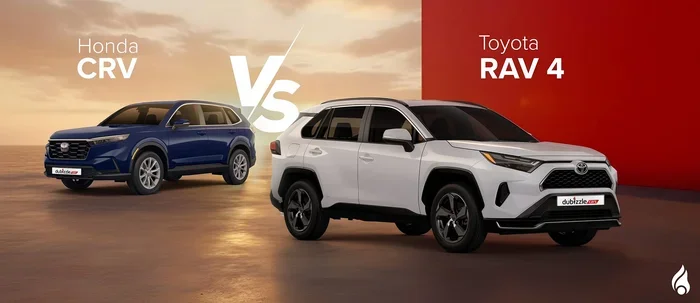
Visual guide about Honda vs Toyota comparison
Image source: d2hucwwplm5rxi.cloudfront.net
Toyota focuses on comfort. Their rides are often softer. This is great for long trips. It hides bumps in the road. Honda can feel a bit stiffer. This gives you more feedback. If you enjoy driving, Honda might be better. If you want a relaxed commute, Toyota is excellent. You should test drive both brands.
Handling Comparison
Handling is about cornering. Honda models often have a lower center of gravity. This helps them turn better. The Accord handles very well. The Toyota Camry is also competent. It is just more relaxed. Sporty trims exist for both. The Honda Sienna offers fun. The Toyota GR86 is a true sports car. But for mainstream sedans, Honda has an edge.
Acceleration and Power
Engine power varies by model. Toyota often offers hybrid systems. These provide instant torque. The Toyota RAV4 Hybrid is quick. Honda also has hybrids now. The Accord Hybrid is very smooth. Gas engines are comparable too. A Honda Civic turbo is punchy. A Toyota Corolla is adequate. You rarely lack power in either brand.
Fuel Efficiency and Hybrid Options
Saving money at the pump is important. Both brands excel here. They pioneered hybrid technology. Toyota launched the Prius first. It set the standard for efficiency. Honda followed with the Insight. Today, both offer many hybrid choices. The Toyota hybrid lineup is vast. You can find a hybrid SUV or sedan.
Honda hybrids are also efficient. They use two-motor systems. This saves fuel in city driving. Real-world mileage is impressive for both. A Toyota Camry Hybrid gets great MPG. A Honda Civic Hybrid is also strong. If fuel economy is your main goal, check the specific model. Some Toyota hybrids edge out Honda slightly. But the gap is small.
Hybrid Technology
Toyota uses a power split device. This is very efficient. It works well in stop-and-go traffic. Honda uses a sport hybrid system. It feels more like driving a gas car. Both technologies are mature. You can trust either system. Battery life is generally long. Warranties cover the hybrid components. This reduces your risk significantly.
Gas Engine Efficiency
Non-hybrid cars are also efficient. Turbochargers help smaller engines. Honda uses turbos in the Civic. This boosts power without using much fuel. Toyota uses dynamic force engines. These reduce friction internally. This improves thermal efficiency. Both brands use lightweight materials. This helps the car move easier. You get good mileage without a hybrid.
Interior Quality and Comfort
The cabin is where you spend time. Comfort matters for daily driving. Toyota interiors are practical. They use durable materials. Buttons are easy to find. Infotainment systems are user-friendly. Honda interiors are often sportier. They use more soft-touch materials. The layout is driver-focused. Both brands have improved greatly.
Seating comfort is key. Toyota seats are supportive. They fit a wide range of bodies. Honda seats are also comfortable. They often have good lumbar support. Cargo space varies by vehicle. A Toyota Sequoia offers massive space. A Honda Pilot is also spacious. For sedans, the trunk sizes are similar. You should measure your gear.
Technology and Infotainment
Modern cars need good tech. Toyota uses the Entune system. It connects to your phone easily. Apple CarPlay is standard on most. Honda uses the Honda Link system. It is also intuitive. Touchscreens are responsive in both. Wireless connectivity is becoming common. Safety tech is standard too. Both offer lane keep assist. They also offer adaptive cruise control.
Materials and Build
Build quality is high for both. Panels fit together well. There are no rattles usually. Toyota uses hard plastics in some spots. This helps durability. Honda uses more soft materials. This feels more premium. Higher trim levels improve this. You can get leather seats in both. Heated seats are common options. Check the specific model year.
Resale Value and Ownership Costs
Your car is an investment. Resale value matters when you sell. Toyota usually holds value well. Their reputation for reliability helps. Buyers trust used Toyotas. This keeps prices high. Honda also has strong resale value. They are popular in the used market. But Toyota often edges them out. This is a factor in Honda vs Toyota costs.
Ownership costs include repairs. Both brands have affordable parts. Dealerships are everywhere. Independent mechanics can fix them too. This keeps labor costs down. Insurance rates are similar. Safety ratings help lower premiums. You should check rates for your zip code. Total cost of ownership is low for both. They are not luxury brands. This keeps expenses manageable.
Maintenance Requirements
Maintenance is straightforward. Oil changes are needed regularly. Tire rotations keep things smooth. Brake pads wear normally. Neither brand requires special care. You can follow the schedule in the manual. Toyota intervals are conservative. Honda intervals are similar. Ignoring maintenance hurts any car. Stick to the plan for longevity.
Depreciation Factors
Depreciation is the value loss. Some cars lose value faster. Luxury cars depreciate more. Toyota and Honda hold value better. Popular models depreciate less. A Toyota Tacoma holds value very well. A Honda CR-V also holds value. Niche models might drop more. Color and options affect price too. White and silver sell easier. This helps resale later.
Model Lineup and Variety
Choice is important. You need the right vehicle type. Toyota has a huge lineup. They make trucks, SUVs, and cars. They even have luxury Lexus cars. Honda has a smaller lineup. They focus on cars and SUVs. They do not make trucks currently. This limits choices for some buyers. If you need a truck, Toyota wins.
SUV popularity is high. Both brands have great SUVs. The Toyota RAV4 is a bestseller. The Honda CR-V is also top-rated. They offer similar features. The Toyota Highlander is larger. The Honda Pilot is a strong rival. For compact cars, the Civic and Corolla compete. Both are excellent daily drivers. You have many options to compare.
Truck Options
Trucks are useful for work. Toyota makes the Tacoma and Tundra. These are robust vehicles. They handle tough jobs well. Honda stopped making the Ridgeline. They focus on other segments. If you need a pickup, look at Toyota. The Tacoma is legendary for durability. The Tundra offers more power. This is a clear win for Toyota.
Electric Vehicle Plans
The future is electric. Toyota has the bZ4X SUV. They are expanding EV options. Honda has the Prologue SUV. They are also entering the EV space. Both brands are cautious but moving. Hybrids are their current focus. This gives you flexibility now. You can buy a hybrid today. You can wait for more EVs later. Both brands are adapting well.
Safety Ratings and Features
Safety is non-negotiable. Both brands perform well here. They earn top marks from IIHS. They also get 5 stars from NHTSA. Standard safety features are common. Automatic emergency braking is standard. Blind spot monitoring is often included. Toyota Safety Sense is on most cars. Honda Sensing is also widespread.
Crash test results are strong. Structures are rigid and strong. Airbag systems protect well. Child seat anchors are easy to use. Teen driver tech is available too. You can set speed limits. This helps new drivers stay safe. Both brands prioritize occupant protection. You can feel confident in either.
Active Safety Systems
Active systems prevent accidents. Lane departure warning helps you stay put. Adaptive cruise control reduces fatigue. These features are great for highways. Traffic jam assist is also useful. It handles stop-and-go traffic. Toyota and Honda offer these. Higher trims include more tech. You should prioritize these features. They add peace of mind.
Passive Safety Structures
Passive safety protects in a crash. Crumple zones absorb energy. High-strength steel reinforces the cabin. This keeps passengers safe. Seatbelts tighten automatically. Airbags deploy quickly. Both brands engineer these well. There is little difference here. Safety is a core value for both. You are well protected in either brand.
Common Mistakes When Choosing
Buyers often make errors. They focus only on the brand. The specific model matters more. A bad Toyota is worse than a good Honda. Do not assume all models are equal. Check the reliability for that year. Some years had issues. Research the specific vehicle you want.
Another mistake is ignoring needs. Do not buy a sedan if you need an SUV. Test drive the car first. Feel the seat and controls. Make sure it fits your life. Budget for insurance and fuel. Do not just look at the sticker price. Total cost matters for your wallet.
Expert Insights on Brand Loyalty
Experts watch brand loyalty closely. Toyota owners often stay loyal. They buy another Toyota next time. Honda owners are also loyal. They trust the brand deeply. This loyalty comes from experience. Satisfied customers return. This proves the quality is real. It is not just marketing hype.
Dealers also play a role. Service experience affects loyalty. Toyota dealers are generally helpful. Honda dealers are also trained well. A good service experience matters. It makes ownership easier. You should visit the dealer before buying. Meet the staff and check the facility. This ensures good support later.
Final Verdict on Honda vs Toyota
So, which brand is better? It depends on you. If you want a truck, choose Toyota. If you want sporty handling, choose Honda. For pure reliability, Toyota is slightly ahead. For driving fun, Honda wins. Both are excellent choices. You cannot go wrong with either.
Consider your budget carefully. Look at the total costs. Compare specific models side by side. Read reviews for the exact year. Test drive both options. Your personal feel matters most. The Honda vs Toyota debate has no single winner. The winner is the car that fits you. Make a choice you will love.
Frequently Asked Questions
Is Honda more reliable than Toyota?
Toyota often ranks slightly higher in long-term reliability surveys. However, Honda is also very dependable and close behind. Both brands are excellent choices for longevity.
Which brand has better resale value?
Toyota typically retains its value slightly better than Honda. Their reputation for durability keeps used prices high. Honda also holds value well in most segments.
Are Honda cars more fun to drive?
Honda generally focuses more on driving dynamics and handling. Their steering and suspension often feel sportier than Toyota. Toyota prioritizes comfort and stability instead.
Do both brands offer hybrid vehicles?
Yes, both Honda and Toyota offer a wide range of hybrid options. Toyota pioneered the technology with the Prius. Honda has caught up with efficient hybrid systems too.
Which brand is better for families?
Both brands offer great SUVs and minivans for families. Toyota has the Sienna minivan and larger SUVs. Honda offers the Pilot and CR-V which are very family-friendly.
Are parts expensive for these cars?
Parts are generally affordable and widely available for both brands. Independent mechanics can service them easily. This keeps long-term ownership costs low for owners.