
DRCC stands for Dynamic Radar Cruise Control. It uses radar sensors to keep your car at a safe distance from others. This system adjusts speed automatically, making long drives less tiring. Understanding what is DRCC in Toyota helps you drive smarter and safer every day.
Key Takeaways
- DRCC uses radar technology: It scans the road ahead to detect vehicles and adjust your speed automatically.
- Reduces driver fatigue: You can relax more on highways since the car handles speed changes for you.
- Works with safety systems: DRCC often pairs with lane keep assist and pre-collision braking for extra protection.
- Not autopilot: You must still steer and stay alert, as DRCC only controls speed and following distance.
- Best for highways: This feature shines on open roads with steady traffic flow and clear lane markings.
- Weather affects performance: Heavy rain, snow, or fog can limit how well the radar sensors work.
- Check your model year: Not every Toyota has DRCC, so verify your trim level or ask about upgrades.
📑 Table of Contents
What Is DRCC in Toyota and Why It Matters
Driving long distances can feel tiring. Your feet stay on the pedals. Your eyes watch the road ahead. You keep adjusting your speed to match traffic. This is where what is DRCC in Toyota becomes a useful question. DRCC stands for Dynamic Radar Cruise Control. It is a smart system that helps your car maintain a safe following distance. It also adjusts your speed without you touching the gas or brake pedals.
Many drivers want a smoother ride. They want less stress on busy highways. They want a car that feels more helpful during long trips. Toyota built DRCC to meet those needs. The system uses radar sensors to read the road ahead. It notices when traffic slows down. It notices when the road opens up again. Then it changes your speed to match the flow. This makes highway driving feel more relaxed.
You still stay in control. You still steer the car. You still watch the road. DRCC simply handles the speed part of the job. That is why so many people ask about what is DRCC in Toyota before they buy or upgrade a vehicle. It offers a helpful balance between comfort and attention. It does not replace the driver. It supports the driver.
If you often travel on open roads, this feature can make a big difference. You spend less time tapping the brakes. You spend less time chasing speed changes. You can focus more on steering and scanning for hazards. That is the main goal of DRCC. It keeps your drive steady and your mind a little freer.
How Toyota DRCC Works on the Road
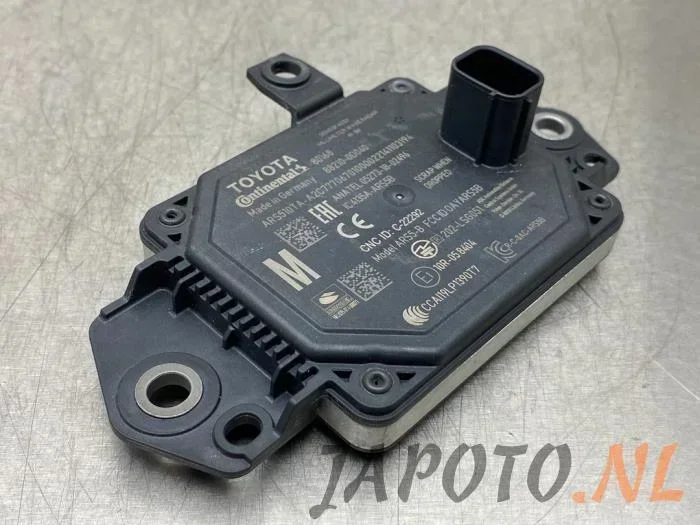
The system uses a radar sensor usually placed in the front of the car. This sensor sends out signals that bounce off vehicles ahead. The car then calculates distance and relative speed. If the vehicle in front slows down, your Toyota slows down too. If the road clears, your Toyota can speed up again to your chosen setting. This is the basic idea behind Toyota DRCC.
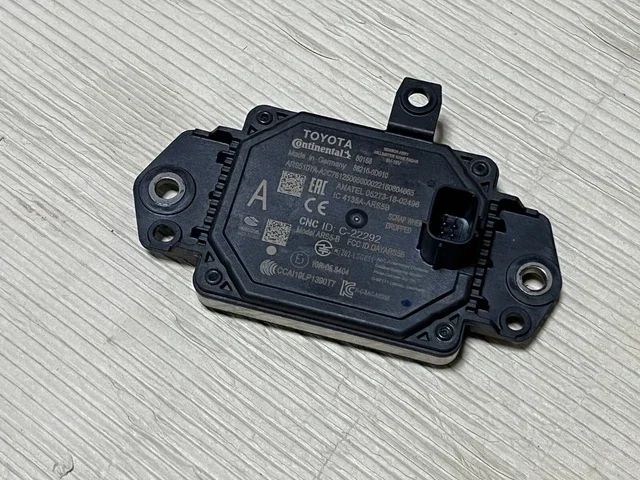
Visual guide about Toyota car with radar sensor
Image source: picclickimg.com
You set a target speed first. Then you activate the system. The car holds that speed as long as the road stays clear. When it detects a slower vehicle ahead, it reduces speed to keep a safe gap. Many models also let you choose a following distance. You can pick a closer gap or a larger buffer. That choice helps you match your comfort level.
The radar works best when it has a clear view. Straight roads help the most. Clear weather helps too. The system can handle gentle curves in many cases. It can also respond to faster or slower traffic. Still, it is not a magic solution. It works best when you use it the right way.
Think of DRCC as a smart partner. You choose the speed. The car handles the small adjustments. This can reduce the constant back-and-forth of manual cruise control. Old cruise control keeps one speed no matter what. DRCC reacts to traffic. That is a major upgrade for daily driving.
Radar Sensors and Speed Control
The radar unit stays focused on the lane ahead. It looks for metal objects that match the shape of vehicles. It then feeds that data to the cruise control computer. The computer decides whether to accelerate, hold, or brake gently. This happens fast and often without you noticing.
You may feel a small change in pressure on the seat. You may see the speed display shift. You may notice the car drifting downward when traffic slows. Those are normal signs that Toyota DRCC is doing its job. The goal is smooth behavior, not sudden moves.
This system also communicates with other parts of the car. It can work with engine response. It can work with brake assist. That coordination helps the car feel more natural. You do not want a robotic ride. You want a steady one.
Following Distance and Driver Input
A good following distance gives you time to react. DRCC helps maintain that space. You still decide how aggressive or cautious you want to be. If you prefer a larger gap, you can usually set that preference. If traffic gets busy, you may need to step in and adjust.
Driver input still matters a lot. Your hands stay on the wheel. Your eyes stay on the scene ahead. If a car cuts in suddenly, you may need to react faster than the system. If road signs change, you may need to update your speed. DRCC supports you, but it does not replace good judgment.
This is an important part of what is DRCC in Toyota. It is a helper, not a driver replacement. The more you understand that, the better your experience will be.
Dynamic Radar Cruise Control and Safety Features
DRCC often works alongside other safety tools. That is one reason people care about what is DRCC in Toyota. A single system is helpful. A group of systems working together is even better. Toyota often pairs cruise control technology with lane support and collision avoidance tools.
For example, lane keep assist can help keep the car centered. Pre-collision systems can warn you about danger ahead. Dynamic radar cruise control can manage speed and spacing. When these tools share information, the car feels more coordinated. You get a more complete safety net.
This does not mean the car drives itself. It means the car can notice more and react faster in normal situations. If the lane starts to drift, the car may give a warning. If the car ahead brakes hard, the system may respond quickly. These layers can reduce stress and improve awareness.
Safety features work best when you stay engaged. Technology can miss things. Weather can hide things. Odd traffic situations can confuse things. That is why DRCC should be seen as part of a larger safety approach. You bring attention. The car brings support.
How It Supports Highway Driving
Highways are where DRCC shines. Traffic tends to move in lanes. Speeds are steadier. Road surfaces are usually smoother. That environment suits radar cruise control well. You can set your speed and let the system handle small changes.
This can be especially helpful on long trips. Your foot gets a break. Your attention can shift between the road and your mirrors. You still need focus, but the constant speed adjustments become less tiring. Many drivers notice this benefit after a few trips.
Highway driving also rewards smooth behavior. Sudden braking can ripple through traffic. DRCC can help reduce those sudden moves by slowing gradually. That makes the road safer for everyone around you.
Limits You Should Know
No system is perfect. Radar can struggle in heavy rain. Snow can hide lane cues. Fog can reduce visibility. Bright sun or dirty sensors can also affect performance. If the car cannot see well, DRCC may not work as intended.
Sharp curves can also be tricky. Some systems handle gentle bends well. Others may lose the vehicle ahead in tight turns. Traffic that weaves a lot can also challenge the system. You should always be ready to take over.
This is a key part of understanding what is DRCC in Toyota. The feature is useful, but it has boundaries. Knowing those boundaries keeps you safer. It also keeps your expectations realistic.
Quick Tips for Better Use
- Keep sensors clean: Wipe the front radar area when it gets dirty.
- Test it gently: Try DRCC in light traffic before relying on it on busy roads.
- Stay ready to brake: Keep your foot near the pedal and your mind alert.
- Use clear weather first: Learn the system on dry, open days.
- Read your manual: Settings can vary by model and year.
Toyota Cruise Control Technology Compared to Standard Cruise
Standard cruise control is simple. You pick a speed. The car holds it. If traffic slows, you brake yourself. If traffic speeds up, you press the gas yourself. That works, but it can feel tiring in heavy flow.
Toyota cruise control technology like DRCC adds a reactive layer. It does not just hold a number on the speedometer. It watches the road and adjusts. That means less pedal work for you. It also means fewer sudden speed changes.
The difference matters on long drives. A regular system is fine for open stretches. DRCC is better when traffic moves at different speeds. It gives you a more flexible experience. You still choose your top speed, but the car helps manage the middle part.
This is why many shoppers compare the two systems. They want to know whether the upgrade is worth it. For highway commuters, the answer is often yes. For short city trips, the benefit may feel smaller. The right choice depends on how you drive.
Where DRCC Shines Most
DRCC works well when traffic is steady but not frozen. It helps on roads with repeated slowdowns and speed-ups. It helps when you want a calmer pace without losing control. It also helps when you want to reduce foot fatigue.
It is also useful for drivers who like a more relaxed style. If you prefer smooth movement over constant adjustment, DRCC can fit your habits. It can make the car feel more composed. That matters when you spend a lot of time on the road.
Common Mistakes to Avoid
- Trusting it too much: Do not assume the car sees everything.
- Using it in bad weather: Poor visibility can limit radar performance.
- Ignoring alerts: Pay attention when the system warns you.
- Setting unrealistic gaps: Pick a distance you can live with safely.
- Forgetting to steer: DRCC handles speed, not direction.
Which Toyota Models Offer DRCC
Not every Toyota comes with DRCC. Availability depends on trim, package, and model year. Some vehicles include it as a standard feature. Others offer it in higher trims. Some use it as part of a larger driver assist package.
If you are shopping, ask for the specific equipment list. Do not assume the feature is there just because the car looks modern. A model can have many good features and still lack radar cruise control. A quick check can save you time.
This is another reason people search what is DRCC in Toyota. They want to know whether their car has it. They also want to know whether a future purchase will include it. Knowing the feature name helps you ask better questions at the dealership.
If your current Toyota does not have DRCC, you may still have regular cruise control. That is still useful. It just lacks the radar-based following feature. If you drive a lot on highways, DRCC is worth looking for in your next trim level.
What to Look For When Buying
Check the exterior for radar-related sensors. Check the dashboard for cruise control settings. Check the feature list for dynamic cruise control language. Ask whether the system works with lane support tools. These details help you compare models more clearly.
Also think about your driving habits. If you often travel on interstates, DRCC can be a great fit. If you mostly drive in stop-and-go city traffic, the benefit may be smaller. Match the feature to your real life, not just the brochure.
Expert Insights
Experts usually say DRCC is best viewed as a convenience and safety aid. It can lower fatigue. It can improve spacing. It can make highway travel feel more manageable. But experts also remind drivers to stay active and alert.
The best results come from calm, predictable driving. The best users understand the system limits. They do not treat DRCC like full autonomy. They treat it like a useful assistant. That mindset leads to better outcomes.
Final Thoughts on What Is DRCC in Toyota
DRCC is a practical tool for modern driving. It uses radar to watch traffic ahead. It adjusts speed to keep a safer gap. It can reduce fatigue on long trips. It can also make highway travel feel smoother and more steady.
Still, it is not a substitute for attention. You must steer. You must watch the road. You must be ready to take over when conditions change. That is the healthy way to use Dynamic Radar Cruise Control.
If you want a more relaxed highway experience, DRCC is worth understanding. If you are comparing Toyotas, look closely at the feature list. If you already have it, learn its limits and use it wisely. That is how you get the most value from what is DRCC in Toyota.
Safe driving is always a mix of good technology and good judgment. DRCC adds helpful technology. You bring the judgment. Together, they can make every trip a little easier.
Frequently Asked Questions
What does DRCC stand for in Toyota?
DRCC stands for Dynamic Radar Cruise Control. It is a system that uses radar to help maintain speed and a safe following distance. It supports the driver rather than replacing manual control.
Is DRCC the same as regular cruise control?
No, regular cruise control holds one speed until you change it. DRCC adjusts your speed based on vehicles ahead. That makes it more flexible in moving traffic.
Can DRCC work in heavy rain or fog?
It may struggle in poor weather because radar and sensors need a clear view. If visibility drops, the system may warn you or stop working. You should stay ready to take over.
Do I still need to steer when DRCC is on?
Yes, you must keep your hands on the wheel and steer the car. DRCC helps with speed and spacing, not steering or full driving tasks. You stay responsible for the vehicle.
Which Toyota cars usually include DRCC?
Availability depends on the model, trim, and package. Some Toyota vehicles include it as part of a driver assist package. Always check the specific vehicle feature list before buying.
Is DRCC useful for city driving?
It is more helpful on highways and open roads with steady traffic. City driving often involves frequent stops and turns, so the benefit may be smaller there. It can still help on longer suburban routes.