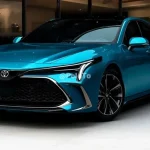

The Toyota Corolla is a compact car known for efficiency and reliability. Many drivers ask what size car is a Toyota Corolla when choosing their next vehicle. This guide explains the Corolla’s dimensions, class, and interior space clearly. You will learn how it compares to other sedans and SUVs. Read on to see if this compact sedan fits your daily needs.
When you start shopping for a new car, size matters a lot. You need a vehicle that fits your garage, your family, and your budget. One of the most common questions buyers ask is what size car is a Toyota Corolla. This popular vehicle has been around for decades, and it remains a top choice for many drivers worldwide. Understanding its dimensions helps you make a smart decision. You want a car that feels comfortable without taking up too much space on the road.
The Toyota Corolla sits in a specific segment of the automotive market. It is not a tiny city car, and it is not a large family sedan. Instead, it occupies the compact car category. This class is designed for everyday practicality. These vehicles balance efficiency with enough room for passengers and cargo. In this article, we will explore every detail about the Corolla’s size. We will look at length, width, height, and interior space. You will also see how it stacks up against rivals. By the end, you will know exactly where this sedan fits in your life.
Key Takeaways
- Size Classification: The Toyota Corolla is officially classified as a compact car, not a mid-size or full-size vehicle.
- Exterior Dimensions: Most Corolla models measure around 182 inches in length, making them easy to park in cities.
- Interior Space: Despite being compact, the Corolla offers a surprisingly roomy cabin for front and rear passengers.
- Fuel Efficiency: Its smaller size contributes to excellent gas mileage, often exceeding 30 MPG on the highway.
- Comparison: The Corolla is smaller than a Toyota Camry but larger than a Toyota Yaris, placing it in a sweet spot for many buyers.
- Practicality: The compact footprint makes it ideal for urban driving, tight parking spots, and daily commuting.
- Reliability: This compact car is known for long-term durability, making it a smart choice for budget-conscious drivers.
📑 Table of Contents
- Understanding the Compact Car Classification
- Exterior Dimensions: Length, Width, and Height
- Interior Space and Passenger Comfort
- Fuel Efficiency and Size Relationship
- Comparing the Corolla to Other Toyota Models
- Practical Benefits of the Corolla’s Size
- Common Mistakes When Judging Car Size
- Final Thoughts on the Toyota Corolla’s Size
Understanding the Compact Car Classification
Car categories can be confusing at first glance. Manufacturers and regulators use specific standards to classify vehicles. The Toyota Corolla falls squarely into the compact car segment. This means it is smaller than a mid-size sedan but larger than a subcompact. The classification depends on overall dimensions and interior volume. In the United States, the Environmental Protection Agency defines these categories based on passenger and cargo space.
A compact car like the Corolla is built for efficiency. It uses less material than larger vehicles. This helps keep the price lower for buyers. It also means better fuel economy. The compact sedan design strikes a balance between comfort and size. You get enough room for daily tasks without the bulk of a larger car. Many drivers prefer this size for city living. It is easy to navigate through traffic and fits in standard parking spaces.
How Regulators Define Car Size
Government agencies measure interior volume to set class standards. They combine passenger space and cargo capacity. If the total falls within a certain range, the car gets a specific label. The Corolla consistently meets the compact car requirements. This label helps shoppers compare vehicles quickly. When you see this classification, you know what to expect in terms of size. It is a reliable indicator of the car’s footprint.
Why the Compact Segment Is So Popular
The compact car segment remains one of the best-selling categories globally. People love these vehicles for many reasons. They are affordable to buy and own. Maintenance costs are usually lower than larger cars. Fuel prices stay manageable because of the efficient engines. Also, the driving dynamics are often light and responsive. For students, young professionals, and small families, this size is ideal. It offers practicality without unnecessary complexity.
Exterior Dimensions: Length, Width, and Height
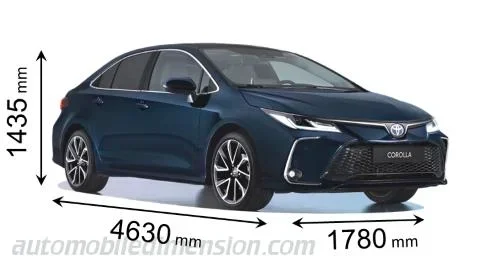
Knowing the exact measurements helps you visualize the car. The Toyota Corolla has specific exterior dimensions that define its presence on the road. These numbers vary slightly by model year and trim level. However, the overall size remains consistent across recent generations. Let us break down the key measurements you should know.
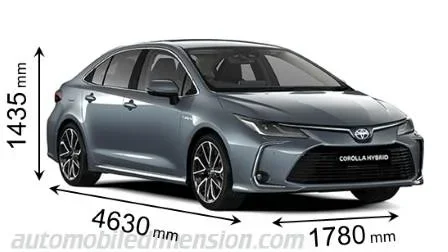
Visual guide about Toyota Corolla sedan size
Image source: automobiledimension.com
Length of the Toyota Corolla
The length is one of the most important numbers for parking. A longer car can be harder to maneuver in tight spaces. The length of a Toyota Camry is significantly greater, which shows the difference between compact and mid-size. In contrast, the Corolla measures approximately 182 inches from bumper to bumper. This makes it much easier to handle in urban environments. You can fit it into most standard parking spots with room to spare. If you want to compare it to other models, you can read more about whether the Toyota Corolla is a compact car.
Width and Height Considerations
Width affects how the car feels on the highway. A narrower car is easier to lane change. The Corolla’s width is designed for stability without being too wide. It fits well within standard lane markings. The height determines headroom and visibility. The Corolla sits at a comfortable height for most drivers. You can see the road clearly without feeling too high off the ground. This profile also helps with aerodynamics. Better aerodynamics mean less wind resistance and improved fuel economy.
Interior Space and Passenger Comfort
Size is not just about the outside. The inside matters just as much. You need to know if you and your passengers will be comfortable. The Toyota Corolla offers a well-designed cabin. Despite its compact exterior, the interior feels spacious. Engineers use smart design tricks to maximize space. This includes placing wheels further apart and using thinner materials.
Front Seat Comfort
The front seats are the most important for daily driving. The Corolla provides ample legroom for the driver and front passenger. You can adjust the seats to find a perfect position. The steering wheel also moves to suit your reach. This flexibility makes long drives less tiring. The seat design supports your back well. Many drivers report feeling comfortable even after hours behind the wheel.
Rear Seat and Cargo Room
Rear passengers also get decent space. Adults can fit in the back for short trips. For longer journeys, it might feel a bit cozy for tall adults. However, for children or occasional adult riders, it works very well. The trunk is another key factor. The compact sedan shape allows for a useful cargo area. You can fit groceries, luggage, or sports gear easily. If you need more space, you might consider a larger model. Some shoppers compare it to the Toyota Camry to see if they need more room. You can learn about the length of a Toyota Camry to understand the size difference.
Fuel Efficiency and Size Relationship
There is a strong link between car size and fuel economy. Smaller, lighter cars generally use less fuel. The Toyota Corolla benefits from this relationship. Its compact design reduces weight. Less weight means the engine works less hard. This translates to more miles per gallon. Many Corolla models achieve excellent efficiency ratings. This makes them a favorite for budget-conscious drivers.
City driving also favors smaller cars. You stop and start more often in traffic. A lighter car saves energy during these moments. Highway driving also benefits from the aerodynamic shape. The Corolla cuts through the air smoothly. This helps maintain speed without burning extra fuel. If you drive a lot, these savings add up quickly. Over years of ownership, fuel costs can be a major expense. Choosing a compact car like the Corolla helps keep those costs down.
Engine Options and Efficiency
Toyota offers different engine choices for the Corolla. Most models come with a standard four-cylinder engine. This engine is tuned for efficiency and reliability. Some trims offer a hybrid option. The hybrid system combines a gas engine with an electric motor. This setup boosts fuel economy even further. Hybrid models can achieve very high MPG numbers. You can drive longer on less fuel. This is a great choice for eco-friendly drivers.
Real-World MPG Expectations
Real-world results may vary based on driving habits. Aggressive driving uses more fuel. Smooth acceleration and braking save gas. Tire pressure also affects efficiency. Keeping tires properly inflated helps the car roll easier. Regular maintenance ensures the engine runs well. When you take care of your compact sedan, it rewards you with better mileage. Many owners report meeting or exceeding the official ratings. This consistency is part of the Corolla’s appeal.
Comparing the Corolla to Other Toyota Models
Toyota makes many different vehicles. It helps to compare the Corolla to its siblings. This gives you context for its size. You can see where it fits in the family. Some models are larger, and some are smaller. Understanding these differences helps you choose the right vehicle.
Corolla vs. Camry
The Camry is the Corolla’s bigger brother. It is a mid-size sedan designed for more space. The Camry offers more legroom and a larger trunk. It feels more substantial on the highway. However, it also costs more and uses more fuel. If you need maximum comfort, the Camry is a good step up. If you want efficiency and easy parking, the Corolla wins. You can explore the classification of the Toyota Camry to see how it differs.
Corolla vs. Smaller Models
Toyota also has smaller cars in some markets. The Yaris was a subcompact option in the past. It was even smaller than the Corolla. The subcompact class focuses on extreme efficiency and low cost. The Corolla offers more features and space than those tiny cars. It is a more complete package for most buyers. If you want the smallest option, you might look at other models. You can read about what is the smallest Toyota car to understand the range.
Corolla vs. SUVs
Many buyers now choose SUVs over sedans. SUVs sit higher and offer more cargo space. They also have a different driving feel. The Corolla is lower to the ground. This can make entry and exit easier for some people. It also handles more like a traditional car. SUVs are taller and boxier. They can be less fuel-efficient. If you prefer a car-like ride, the Corolla is a strong choice. If you need SUV utility, you might look elsewhere.
Practical Benefits of the Corolla’s Size
The size of the Corolla brings many real-world advantages. These benefits affect your daily life. You will notice them every time you drive. Here are some key practical perks of this compact car.
Easy Parking in Cities
City parking can be stressful. Spaces are often tight and narrow. The Corolla’s smaller length makes parking much easier. You can fit into compact spots that larger cars cannot use. Parallel parking is also less daunting. The car’s turning radius helps with tight turns. You can navigate narrow streets with confidence. This is a huge plus for urban drivers.
Lower Costs of Ownership
Size influences many ownership costs. Smaller cars often cost less to insure. Repair costs can also be lower. Parts are widely available and affordable. The fuel savings we discussed earlier add up too. Depreciation tends to be slower for popular compact cars. This means you can sell it for a good price later. All these factors make the Corolla a financially smart choice.
Versatility for Daily Use
The Corolla fits many lifestyles. It works for commuting, errands, and weekend trips. You can carry friends or family without hassle. The trunk handles most everyday cargo needs. It is not a massive hauler, but it is very capable. For most people, this size is more than enough. It avoids the bulk of larger vehicles while still being useful. This versatility is why it remains so popular.
Expert Insights on Choosing the Right Size
Choosing a car size is a personal decision. You should think about how you will use the vehicle. If you drive mostly on highways, a larger car might feel stable. If you drive in cities, a compact car is better. Consider your parking situation at home. Think about how many passengers you carry regularly. Also, factor in your budget for fuel and insurance. The Toyota Corolla checks many boxes for average drivers. It is a safe bet for most needs.
Common Mistakes When Judging Car Size
Buyers sometimes make errors when evaluating car size. These mistakes can lead to regret later. Let us look at some common pitfalls. Avoiding them helps you pick the right vehicle.
Relying Only on Exterior Looks: A car might look small from the outside but feel spacious inside. Or it might look big but feel cramped. Always sit inside and test the space. Look at the actual dimensions rather than just photos. The compact car label helps, but your own experience matters most.
Ignoring Cargo Needs: People often forget about trunk space. You might need to carry bulky items sometimes. Check the cargo volume before buying. Make sure it fits your hobbies or work gear. The Corolla has a decent trunk, but it is not huge. Plan for your actual needs.
Overlooking Parking Constraints: Your garage or parking spot might have limits. Measure the space before you buy. A car that is too long will be frustrating. The Corolla’s size works for most standard spots. But always verify your specific situation. This simple step saves future headaches.
Not Considering Future Needs: Your needs might change over time. You might have more passengers later. Or you might move to a different area. Think ahead a few years. Choose a size that can adapt to changes. The Corolla is versatile, but it has limits. Be realistic about your future plans.
Final Thoughts on the Toyota Corolla’s Size
The Toyota Corolla is a well-balanced vehicle. It fits the compact car category perfectly. Its size makes it easy to drive, park, and fuel. The interior offers enough space for most daily situations. It is smaller than a Camry but larger than subcompact models. This middle ground is why so many people love it. You get efficiency without sacrificing too much comfort.
If you are wondering what size car is a Toyota Corolla, the answer is clear. It is a compact sedan designed for practicality. It suits city drivers, commuters, and small families. The dimensions are manageable for most parking spots. The fuel economy is excellent for the class. Reliability is also a hallmark of this model. All these factors make it a top contender in the market.
Before you buy, think about your specific needs. Test drive the car to feel the space. Compare it with other models if you are unsure. The Corolla is a proven choice for good reason. Its size is a big part of its success. You can drive with confidence knowing it fits most lifestyles. This compact car continues to earn its place on the road.
Frequently Asked Questions
Is the Toyota Corolla considered a compact car?
Yes, the Toyota Corolla is officially classified as a compact car. It falls between subcompact and mid-size vehicles in terms of dimensions and interior volume. This classification makes it a popular choice for drivers who want a balance of efficiency and space.
How long is a Toyota Corolla?
Most recent Toyota Corolla models measure around 182 inches in length. This length makes it easy to park in standard spaces. It is shorter than many mid-size sedans, which helps in tight urban environments.
Does the Corolla have enough room for rear passengers?
The Corolla offers decent rear seat space for its class. Adults can fit comfortably for short to medium trips. Tall adults might find it a bit cozy on long journeys. It is best suited for families with children or occasional adult riders.
Is the Toyota Corolla fuel efficient because of its size?
Yes, the compact size contributes to great fuel economy. A lighter, smaller car requires less energy to move. The Corolla’s efficient engines and aerodynamic design help it achieve high MPG ratings. This makes it very economical for daily driving.
How does the Corolla compare in size to the Camry?
The Corolla is smaller than the Camry in every dimension. The Camry is a mid-size sedan with more length, width, and interior room. The Corolla is better for parking and fuel savings, while the Camry offers more comfort and space.
Is the Corolla good for city driving?
The Corolla is an excellent choice for city driving. Its compact size makes it easy to navigate traffic and park in tight spots. The fuel efficiency also helps keep costs down in stop-and-go conditions. Many urban drivers prefer this compact sedan for these reasons.