
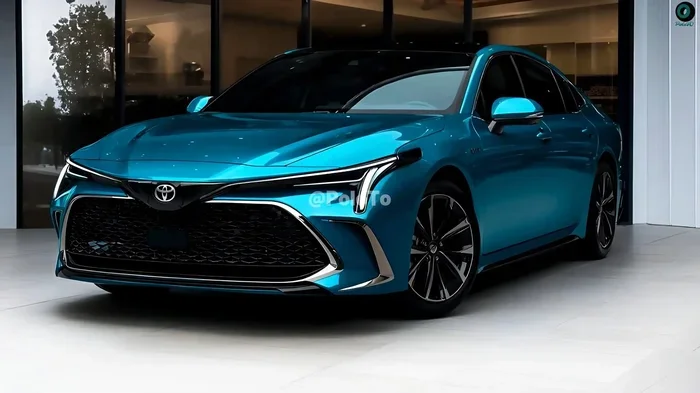
The Toyota Avalon ended production in 2022, marking the end of an era for Toyota flagship sedans in the US market. The Lexus ES and Toyota Crown now serve as the primary replacements, offering luxury and practicality for drivers seeking a comfortable ride. This guide breaks down the transition, compares key features, and helps you choose the right vehicle for your needs.
Key Takeaways
- Production End: The Toyota Avalon was discontinued after the 2022 model year due to shifting market demands and corporate strategy.
- Lexus ES Successor: The Lexus ES is the closest luxury alternative, sharing platform technology and offering a refined driving experience.
- Toyota Crown Option: The Toyota Crown provides a bold, rugged sedan style with advanced safety features and versatile powertrain choices.
- Reliability Focus: Both replacement models maintain Toyota legendary reliability, making them strong contenders for long-term ownership.
- Trim Variety: Buyers can choose from multiple trims, including hybrid options, to match their budget and performance preferences.
- Driving Dynamics: The Lexus ES emphasizes comfort and smoothness, while the Toyota Crown offers a more engaging, modern driving feel.
- Market Shift: The discontinuation reflects a broader industry move toward SUVs and crossovers, though sedan enthusiasts still have excellent options.
📑 Table of Contents
- What Replaced the Toyota Avalon Complete Vehicle Guide
- Why the Toyota Avalon Was Discontinued
- The Lexus ES Steps In as the Luxury Replacement
- The Toyota Crown Brings a Bold New Direction
- Comparing the Replacement Options Side by Side
- What to Consider Before Buying a Successor
- Reliability, Comfort, and Everyday Ownership
- Final Thoughts on What Replaced the Toyota Avalon
What Replaced the Toyota Avalon Complete Vehicle Guide
If you loved the Toyota Avalon, you might wonder what took its place after the final model rolled off the line. The answer is not a single car. Instead, Toyota split the Avalon legacy across two standout vehicles. The Lexus ES carries the luxury sedan torch, while the Toyota Crown steps in as a bold, modern alternative. Both options bring comfort, reliability, and smart tech to the table. In this guide, we will walk through the transition, compare the key details, and help you find the right fit for your daily drive.
The Avalon was known for its smooth ride, spacious cabin, and practical design. It served as Toyota flagship sedan in the United States for many years. When Toyota decided to end production, the goal was to streamline the lineup and focus on growing segments like SUVs and crossovers. Still, the sedan market did not disappear. Drivers who want a comfortable, dependable four-door vehicle still have strong choices. The Lexus ES and Toyota Crown fill that gap with different personalities. One leans into quiet luxury, and the other brings a fresh, versatile approach.
This article covers the full story behind the discontinuation, the replacement models, and what you should know before buying. We will look at engine options, trims, safety features, and real-world ownership factors. You will also see how these cars compare in daily use, fuel economy, and long-term value. By the end, you will have a clear picture of what replaced the Toyota Avalon and which path makes the most sense for your lifestyle.
Why the Toyota Avalon Was Discontinued
The Toyota Avalon had a long and successful run, but market trends played a major role in its retirement. Buyers increasingly gravitated toward SUVs, crossovers, and trucks, which offer higher seating positions and more cargo space. Sedans still have their fans, yet the overall share of the sedan market has shrunk over time. Toyota responded by adjusting its lineup to match customer demand.
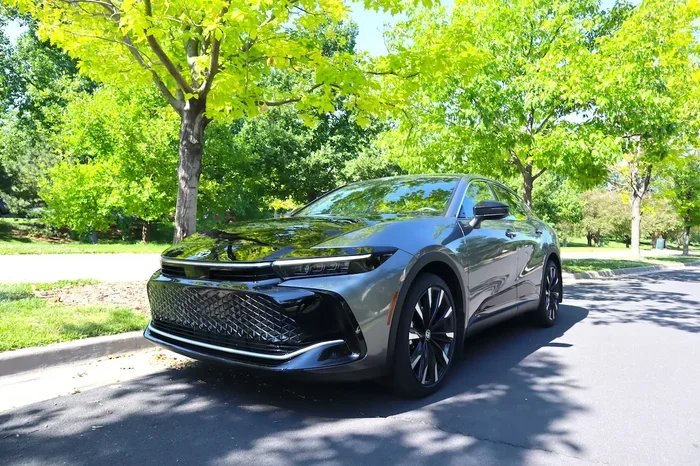
Visual guide about Toyota Avalon replacement vehicle
Image source: motorbiscuit.com
Another factor was brand strategy. Toyota wanted to reduce overlap between its mainstream models and Lexus offerings. The Avalon sat at the top of the Toyota range, but it also shared technology and design cues with some Lexus sedans. By ending the Avalon, Toyota could simplify its structure and let Lexus handle the upper-end luxury segment. This move also helped Toyota focus resources on popular vehicles like the Toyota Camry, Toyota RAV4, and the new Toyota Crown.
The final Avalon model year delivered a polished package with updated styling, refined interiors, and strong safety tech. It was a fitting farewell for a car that many drivers trusted for daily commuting and family travel. If you are curious about how Toyota organizes its sedan strategy, you may also want to explore what Toyota is known for, since the company reputation for practicality and durability plays a big role in how these decisions make sense to buyers.
The Lexus ES Steps In as the Luxury Replacement
When people ask what replaced the Toyota Avalon, the Lexus ES is often the first answer. This sedan shares a similar mission: provide a comfortable, quiet, and well-built ride for drivers who want a step above the mainstream Toyota lineup. The ES focuses on smoothness, interior refinement, and easy daily driving. It does not try to be a sporty performer. Instead, it aims to deliver a relaxed experience with premium touches.
The ES benefits from Toyota engineering roots, which helps explain its strong reliability reputation. Many buyers appreciate that the ES feels familiar in daily use while offering a more upscale cabin than a typical Toyota sedan. The ride is composed, the seats are supportive, and the noise levels stay low during highway cruising. If you enjoyed the Avalon comfort-first approach, the ES will feel like a natural upgrade in terms of polish and luxury feel.
Under the hood, the ES offers powertrain choices that balance efficiency and smooth acceleration. The hybrid version is especially appealing for drivers who want lower fuel consumption without giving up comfort. The styling is clean and understated, which matches the Lexus design language. Inside, you will find supportive seating, intuitive controls, and a layout that prioritizes comfort. For a closer look at Lexus luxury branding and how it differs from mainstream Toyota models, you can review what Toyota SE stands for to understand how trim naming and positioning can vary across the brand family.
Lexus ES Highlights
The ES stands out for its blend of comfort, refinement, and practical ownership. Here are the key points to consider:
- Comfortable ride quality: The suspension tuning favors a smooth, easygoing feel over sharp handling.
- Quiet cabin: Sound insulation helps create a calm environment for commuting and long trips.
- Strong reliability: The ES benefits from Toyota group engineering and a track record of dependable ownership.
- Hybrid efficiency: The hybrid powertrain offers a practical way to reduce fuel costs while keeping a relaxed driving style.
- Luxury interior touches: Higher trims add materials and features that make the cabin feel more premium.
If you want a sedan that feels composed, polished, and easy to live with, the ES is a strong candidate. It is not trying to outrun sports cars. It is trying to make every drive feel effortless. That is a big part of its appeal as a successor to the Avalon mindset.
The Toyota Crown Brings a Bold New Direction
The Toyota Crown represents a different kind of replacement for the Avalon. Rather than copying the Avalon formula exactly, Toyota used the Crown to create a more distinctive sedan with a stronger presence. The design is more upright and adventurous, and the overall vibe feels more modern. The Crown sits in an interesting spot because it blends sedan comfort with a style that feels a bit more rugged and versatile.
One of the biggest talking points around the Crown is its powertrain lineup. Toyota offered multiple options, including hybrid setups, to match different driving needs. That flexibility makes the Crown appealing to buyers who want a practical daily sedan without settling for a single driving character. The Crown also brings a strong focus on safety, technology, and everyday usability. It feels like a car designed for people who want a sedan but still appreciate a fresh, confident look.
The Crown also reflects Toyota willingness to experiment with sedan design. Instead of fading away, the sedan segment got a model that stands out more than the Avalon did. For drivers who want something that feels special but still practical, the Crown offers an interesting middle ground. If you are comparing it with other Toyota models and want to understand how Toyota positions its larger vehicles, you might also check the length of the Toyota Highlander to see how Toyota thinks about space, proportions, and family-friendly design across different body styles.
Toyota Crown Highlights
The Crown brings a modern, versatile feel that sets it apart from the Avalon. Consider these strengths:
- Distinctive styling: The design gives the Crown a more noticeable presence on the road.
- Powertrain variety: Multiple hybrid and conventional options help buyers tailor the car to their preferences.
- Modern safety tech: The Crown includes advanced driver assistance features for everyday peace of mind.
- Practical interior: The cabin is designed for comfortable daily use with a focus on usability.
- Fresh sedan identity: The Crown shows that sedans can still feel exciting and relevant in a changing market.
If you like the idea of a sedan that feels more unique and contemporary, the Crown is worth a close look. It does not simply continue the Avalon story. It writes a new one while keeping the practical, reliable spirit that many Toyota buyers expect.
Comparing the Replacement Options Side by Side
Choosing between the Lexus ES and the Toyota Crown depends on what you valued most in the Avalon. Some drivers wanted comfort and simplicity. Others wanted a more upscale feel. A few wanted a more distinctive design. The table below gives a quick comparison to help you sort through the differences.
| Feature | Lexus ES | Toyota Crown |
|---|---|---|
| Positioning | Luxury comfort sedan | Modern versatile sedan |
| Driving feel | Smooth and relaxed | Confident and contemporary |
| Interior style | Refined and upscale | Practical with bold touches |
| Powertrain focus | Efficiency and smoothness | Multiple hybrid and conventional options |
| Best for | Comfort-first buyers | Style-conscious daily drivers |
| Brand feel | Premium Lexus experience | Distinctive Toyota identity |
The ES usually wins if your top priority is a calm, quiet, and polished ride. The Crown tends to appeal more to buyers who want a fresher look and a more flexible character. Both can serve as strong daily drivers. Both can also handle commuting, family trips, and long highway stretches with ease. The right choice comes down to whether you want the luxury-oriented path or the bold sedan path.
What to Consider Before Buying a Successor
Before you decide on a replacement, think about the traits that made the Avalon work for you. Was it the smooth ride? The spacious back seat? The easy driving experience? The value? Once you identify your priorities, it becomes easier to choose between the Lexus ES and the Toyota Crown. A good match should feel comfortable, fit your budget, and match your daily driving habits.
You should also look at ownership costs. Insurance, maintenance, fuel, and depreciation can vary between models and trims. Hybrid versions may offer lower fuel costs, but you should still compare real-world numbers based on your driving style. Safety features matter too, especially if you spend a lot of time in traffic or on highways. Both replacement models include modern assistance systems, but the exact package can differ by trim.
Another smart step is to test drive both cars back to back. Pay attention to seat comfort, visibility, steering feel, and cabin noise. Small differences can make a big impact over time. If you want a more relaxed luxury feel, the ES may be the better match. If you want a more unique design and a sedan with a stronger personality, the Crown may feel more satisfying. For buyers who also care about how Toyota supports its vehicles over time, it can help to review what Toyota warranty covers so you know what protection you can expect after purchase.
Quick Buying Tips
Keep these practical tips in mind as you shop:
- Define your priorities: Decide whether comfort, style, efficiency, or brand prestige matters most.
- Compare trims closely: Higher trims often add useful features, but make sure the extras are worth the cost.
- Test drive both: Experience the ride quality and cabin feel before making a final decision.
- Check real-world fuel use: Look at hybrid versus non-hybrid options based on your driving routine.
- Review safety packages: Confirm which driver assistance features come standard or require upfitting.
- Think long term: Consider maintenance, resale value, and how long you plan to keep the car.
Reliability, Comfort, and Everyday Ownership
One reason the Avalon earned a loyal following was its dependable everyday nature. Buyers want a car that starts each morning without drama, handles traffic calmly, and stays comfortable over time. Both the Lexus ES and the Toyota Crown aim to deliver that kind of ownership experience. They are built with a focus on practicality, and both benefit from Toyota group engineering and quality standards.
Comfort remains a major theme in this segment. A good flagship-style sedan should absorb bumps well, keep road noise under control, and make seats feel supportive during long drives. The ES leans heavily into that comfort-first philosophy. The Crown also prioritizes comfort but adds a more modern edge in styling and driving character. Either way, you are moving into a class of vehicles designed to make routine driving feel easier and more pleasant.
Ownership also includes the little things that matter over time. Easy-to-use controls, a clear infotainment system, and helpful safety features can make a car feel more refined than the spec sheet suggests. If you are the type of driver who values simplicity, you will probably appreciate how these sedans keep the experience straightforward. If you enjoy a more premium feel, the ES may have the edge. If you want a more distinctive presence, the Crown may be more appealing. For a broader look at Toyota reputation and what the brand is associated with, you can also read what Toyota is known for to understand why these replacement models fit so naturally into the company overall identity.
Common Mistakes to Avoid
When shopping for a successor to the Avalon, a few mistakes can lead to disappointment. Watch out for these pitfalls:
- Choosing based only on looks: Style matters, but ride comfort and daily usability matter more over time.
- Ignoring trim differences: Not every trim includes the same safety, comfort, or convenience features.
- Assuming all hybrids are the same: Hybrid systems can feel different in real-world driving, so test them carefully.
- Skipping the back seat check: If you carry passengers often, rear comfort and access deserve attention.
- Overlooking ownership costs: Fuel, insurance, and maintenance can change the total cost of ownership.
Final Thoughts on What Replaced the Toyota Avalon
The end of the Toyota Avalon marked a major shift, but it did not leave sedan fans without options. The Lexus ES and the Toyota Crown now carry the spirit of the Avalon in different ways. The ES offers a refined, comfort-focused luxury experience. The Crown brings a bold, modern sedan with flexible powertrains and a fresh identity. Together, they show that Toyota still values the sedan segment, even as the market continues to evolve.
If you want the closest feel to a comfortable, dependable daily sedan, the ES is a strong place to start. If you want something with more visual personality and a contemporary twist, the Crown deserves your attention. Either way, you are stepping into a vehicle that can handle commuting, family travel, and long highway stretches with confidence. The best choice depends on your priorities, but both models give you a clear path forward after the Avalon era ended.
In the end, what replaced the Toyota Avalon is not just one car. It is a pair of thoughtful options that reflect how the market has changed and how Toyota has adapted. If you focus on comfort, reliability, and the kind of driving experience that made the Avalon special, you will find a successor that fits your needs. Take your time, compare the trims, and choose the sedan that feels right for your next chapter.
Frequently Asked Questions
What replaced the Toyota Avalon after it was discontinued?
The Toyota Avalon was replaced by two main options: the Lexus ES for a luxury-focused sedan and the Toyota Crown for a more modern, versatile sedan. Both models carry forward comfort, reliability, and updated safety features in different ways.
Is the Lexus ES the direct successor to the Toyota Avalon?
The Lexus ES is not a direct model replacement, but it serves as the closest luxury sedan alternative in the Toyota group. It shares a comfort-focused philosophy and offers a more premium cabin experience than the Avalon did.
Does the Toyota Crown feel like the Toyota Avalon?
The Toyota Crown feels different from the Avalon, but it still delivers a comfortable and practical sedan experience. It has a more distinctive design and a broader range of powertrain choices, which gives it a fresher identity.
Which is more reliable, the Lexus ES or the Toyota Crown?
Both vehicles benefit from Toyota group engineering and a strong reputation for dependable ownership. The Lexus ES is often praised for its smooth, trouble-free experience, while the Toyota Crown also focuses on reliability with modern safety and hybrid options.
Should I choose the Lexus ES or Toyota Crown for comfort?
If comfort is your top priority, the Lexus ES usually feels more relaxed and refined. If you want comfort with a more modern and distinctive style, the Toyota Crown is a strong alternative worth testing.
Are there hybrid options available in the replacement models?
Yes, both the Lexus ES and the Toyota Crown offer hybrid choices in their lineups. Hybrid versions can be a smart pick if you want better fuel efficiency while keeping a comfortable daily driving experience.