
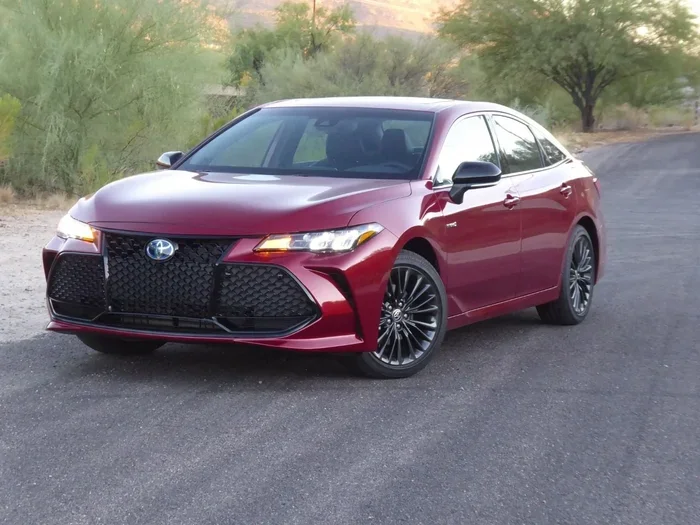
Toyota Avalons are built to last, often reaching 200,000 miles or more with proper care. Their reputation for reliability comes from durable engines, strong transmissions, and consistent manufacturing quality. If you maintain your Avalon on schedule and address small issues early, you can easily push its lifespan well beyond typical expectations. Many owners report smooth performance even after 15 years of daily driving. Understanding how many miles can a Toyota Avalon last helps you plan long-term ownership with confidence.
Key Takeaways
- Exceptional Longevity: A well-maintained Toyota Avalon commonly reaches 200,000 to 300,000 miles.
- Engine Reliability: Both the four-cylinder and V6 engines are known for steady performance over high mileage.
- Maintenance Matters: Regular oil changes, fluid swaps, and timing belt care directly extend the vehicle lifespan.
- Transmission Durability: The automatic gearbox handles high mileage well when serviced properly.
- Common Wear Items: Suspension components, brakes, and exhaust systems typically need attention before the engine does.
- Driving Habits Count: Gentle acceleration, proper tire care, and avoiding harsh conditions help maximize miles.
- Real Owner Data: Many documented examples show Avalons thriving past 200,000 miles with routine service.
📑 Table of Contents
- How Many Miles Can A Toyota Avalon Last On The Road
- What Determines How Many Miles Can A Toyota Avalon Last
- Engine Durability And Real-World Mileage
- Transmission Reliability And Drivetrain Life
- Common Wear Items And When They Usually Appear
- How Long Does Toyota Avalon Last Compared With Other Reliable Sedans
- Practical Steps To Maximize Miles And Avoid Costly Repairs
- Final Thoughts On Toyota Avalon Mileage Potential
How Many Miles Can A Toyota Avalon Last On The Road
Toyota has earned a strong reputation for building cars that stay dependable for years. The Avalon stands out as a full-size sedan designed for comfort, safety, and long-term use. Many drivers want clear answers about durability before committing to a purchase or planning long ownership. The short answer is encouraging. With routine care, this sedan can easily cover 200,000 miles and often much more.
Longevity depends on several factors. Build quality matters, but maintenance habits matter even more. Driving style, climate, and service history all shape how a car ages. In this guide, we will explore engine strength, transmission behavior, common wear points, and practical ways to stretch mileage. You will also see real-world patterns from experienced owners. By the end, you will know exactly what to expect and how to protect your investment.
What Determines How Many Miles Can A Toyota Avalon Last
Every vehicle ages differently. The Avalon benefits from solid engineering, but individual results vary based on how it is used and cared for. Understanding the main drivers of longevity helps you set realistic expectations.

Visual guide about Toyota Avalon on road
Image source: cdn.jdpower.com
Build Quality And Core Components
Toyota uses proven materials and tested designs across its lineup. The Avalon shares many robust parts with other reliable Toyota models. Strong sheet metal, dependable electronics, and carefully matched powertrain components reduce early failures. These choices support a long service life when the car is driven normally.
Maintenance Schedule And Service History
Regular service is the biggest factor in high-mileage survival. Fresh oil protects internal parts. Clean coolant prevents overheating. Fresh transmission fluid keeps shifting smooth. Owners who follow the recommended intervals usually see fewer surprises. Skipping services may save money today but often costs more later.
Driving Conditions And Habits
City traffic, highway miles, and rough roads all affect wear. Stop-and-go driving increases brake and transmission heat. Long highway trips usually put less stress on major systems. Gentle acceleration and smooth braking also reduce strain. Drivers who treat the car kindly often enjoy longer intervals between repairs.
Engine Durability And Real-World Mileage
The powertrain is the heart of any sedan. The Avalon offers efficient four-cylinder options and smoother V6 choices depending on the model year. Both designs focus on steady output and dependable operation.
How The Four-Cylinder And V6 Compare
The four-cylinder engine emphasizes fuel efficiency and lower stress operation. It tends to run cooler and may accumulate fewer heat-related issues over time. The V6 delivers more power and a refined feel. It works a bit harder during acceleration, but it is still designed for long service. Either choice can reach high mileage when maintained properly.
Timing Components And Internal Wear
Timing belts and chains require attention at specific intervals. Some Avalon engines use timing chains that generally need less routine replacement, while others rely on belts that must be changed on schedule. Internal bearings, pistons, and valves are built to handle years of use. Oil quality and change frequency play a major role in protecting these parts.
Fuel Economy And Efficiency Over Time
Efficiency can shift as a car ages. Clean air filters, healthy spark plugs, and proper tire pressure help the engine breathe and run efficiently. If fuel economy drops suddenly, it may signal a small issue that deserves attention. Catching these changes early often prevents larger repairs.
Transmission Reliability And Drivetrain Life
The transmission moves power from the engine to the wheels. A smooth, predictable gearbox is essential for long-term satisfaction. The Avalon uses automatic transmissions tuned for comfort and durability.
Automatic Transmission Care
Automatic gearboxes thrive on clean fluid and regular checks. Overheating, harsh shifting, or slipping can signal fluid breakdown or worn components. Many high-mileage Avalons keep their transmissions healthy by changing fluid at recommended intervals and avoiding aggressive launch habits.
Drivetrain Parts And Supporting Systems
Axles, mounts, and sensors also matter. Engine mounts can wear and cause vibration. Axle boots should stay intact to keep grease in and dirt out. Small sensor issues may affect shifting feel. Addressing these items early helps the whole drivetrain last longer.
Common Wear Items And When They Usually Appear
Even the most dependable cars have parts that wear down. The Avalon typically shows wear in predictable places before major mechanical failures occur. Knowing what to watch for keeps small problems from becoming big ones.
Suspension, Brakes, And Tires
Suspension components absorb road impacts and keep the ride comfortable. Bushings, struts, and control arm parts may need service as mileage climbs. Brakes naturally wear with use, and tires age based on miles, rotation habits, and road conditions. These are normal maintenance items, not signs of poor reliability.
Exhaust, Cooling, And Electrical Components
Exhaust systems can rust over time, especially in areas that use road salt. Cooling system hoses and seals may become brittle after many years. Electrical parts like switches, lights, and sensors can also need replacement. These repairs are common on many older cars and usually do not affect the core engine or transmission.
Quick Tips For Spotting Early Wear
- Listen for changes: New squeaks, clunks, or whines often point to a specific component.
- Watch dashboard lights: A warning lamp can signal a small issue before it grows.
- Check fluid levels: Low oil, coolant, or transmission fluid deserves immediate attention.
- Inspect tires and brakes: Uneven wear may hint at alignment or suspension needs.
- Note performance shifts: Reduced power or rough idling can suggest service is due.
How Long Does Toyota Avalon Last Compared With Other Reliable Sedans
The Avalon competes with other comfortable, long-running sedans. It shares Toyota’s reliability-focused approach, which makes it a strong choice for owners who want a car that stays useful for many years. Comparing it with similar models helps you understand where it fits in the market.
Longevity Vs. Comfort And Size
Some compact sedans focus heavily on efficiency and lower weight. The Avalon takes a different path by offering a larger, quieter cabin and a smoother ride. That extra size does not reduce durability. In many cases, the sturdy structure and steady engineering support long-term ownership. If you value comfort and dependability together, this sedan is a practical match.
Real-World Mileage Expectations
Many owners report strong performance well past 150,000 miles. With consistent service, reaching 200,000 miles is a realistic goal for many examples. Some vehicles go even further when major components stay healthy and wear items are replaced on time. These results depend on history, but they show what is possible with careful ownership.
Comparison Snapshot
The table below gives a quick overview of how the Avalon generally stacks up in terms of long-term ownership themes. It is not a strict guarantee, but it reflects common patterns seen by owners and service professionals.
| Area | Typical Expectation | What Helps Most |
|---|---|---|
| Engine life | Very durable with routine oil changes | Clean oil, proper cooling, timely spark plugs |
| Transmission life | Strong when fluid is maintained | Fluid changes, gentle driving, overheating avoidance |
| Suspension wear | Normal wear over high mileage | Regular inspections, timely part replacement |
| Fuel efficiency | Stable when the engine is healthy | Tire pressure, clean filters, good driving habits |
| Overall lifespan | Often 200,000 miles or more | Consistent service, early repairs, careful use |
Practical Steps To Maximize Miles And Avoid Costly Repairs
If you want your Avalon to go the distance, a few simple habits make a big difference. You do not need advanced mechanical skills. You just need consistency and attention.
Build A Smart Service Routine
Follow the manufacturer schedule for oil, filters, coolant, and transmission fluid. Keep records of every service. A clear history helps you stay on track and can also support resale value. If you are unsure about timing, a trusted technician can help you set a practical plan based on your driving habits.
Drive In Ways That Reduce Stress
Warm the engine gently on cold mornings by avoiding hard acceleration right away. Allow brakes to do their job instead of riding them. Use cruise control on long highway stretches when it fits the situation. Smooth driving reduces heat and wear across many systems.
Common Mistakes To Avoid
- Ignoring small warning lights: A minor alert can turn into a larger repair if left unchecked.
- Skipping fluid changes: Old fluid loses protection and can shorten component life.
- Delaying tire rotations: Uneven wear shortens tire life and may affect handling.
- Using poor-quality parts: Cheap components can fail sooner and create extra stress.
- Overlooking cooling system care: Heat is a major enemy of long-term engine health.
Expert Insights For High-Mileage Ownership
Experienced owners often say the same thing: consistency beats expensive fixes. A planned approach to maintenance usually costs less than waiting for failures. Many also recommend keeping a small repair fund for older cars. Even a very dependable sedan will eventually need parts replaced as mileage climbs. Planning ahead keeps those moments manageable.
If you are curious about how other Toyota models age, you may find it useful to read about how long a Toyota Camry lasts or how long does a Toyota engine last. Those topics share similar themes around service habits, driving conditions, and component durability. Exploring them can help you understand Toyota reliability more broadly.
Final Thoughts On Toyota Avalon Mileage Potential
So, how many miles can a Toyota Avalon last? With regular care, it can comfortably reach 200,000 miles and often much more. The engine, transmission, and supporting systems are designed for steady, dependable use. Maintenance habits, driving style, and early attention to small issues make the biggest difference. If you treat the car well and service it on time, the Avalon can remain a practical, comfortable, and trustworthy companion for many years.
Long-term ownership is less about hoping for perfection and more about managing wear wisely. Keep up with fluids, watch for changes in performance, and replace wear items before they cause trouble. Do that, and your Avalon can keep delivering smooth rides and reliable miles for a very long time.
Frequently Asked Questions
How many miles can a Toyota Avalon last with normal maintenance?
With routine service and sensible driving, a Toyota Avalon commonly reaches 200,000 miles or more. Many examples keep going well beyond that when wear items are replaced on time and fluids stay fresh.
Does the V6 engine last longer than the four-cylinder version?
Both engines are designed for dependable long-term use, so either can last a long time with proper care. The best choice depends on your driving needs, but regular maintenance matters more than the engine type alone.
What maintenance matters most for high-mileage Toyota Avalon ownership?
Oil changes, fluid service, timing component care, and brake or suspension inspections are especially important. Staying on schedule helps prevent small issues from becoming expensive repairs later.
Can a Toyota Avalon reach 300,000 miles?
Yes, some well-maintained Avalons do reach very high mileage when major systems stay healthy and repairs are handled promptly. Reaching that point usually requires consistent service and a bit of luck with component wear.
What are the first signs that an Avalon is nearing major repair needs?
Unusual noises, dropping fuel economy, rough shifting, coolant loss, or persistent warning lights can all signal trouble. Addressing these signs early often helps preserve the car’s remaining lifespan.
Is the Toyota Avalon a good choice for long-term daily driving?
Yes, it is a strong option for daily use because it combines comfort, steady performance, and a reputation for reliability. If you keep up with service and drive moderately, it can stay practical for many years.