
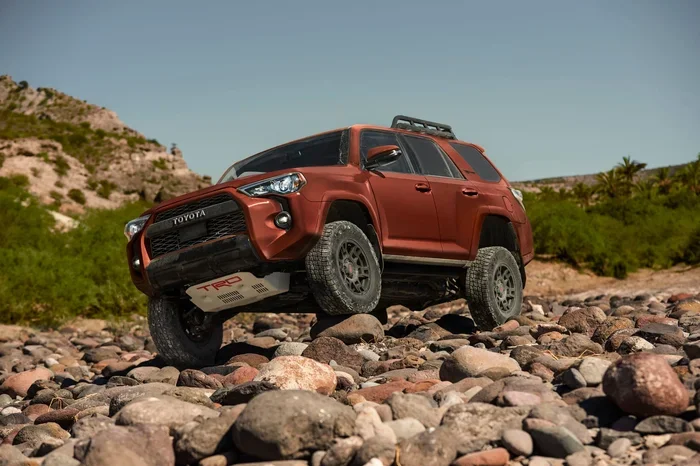
Toyota 4Runners are legendary for their longevity and reliability on the road. Most owners report their vehicles easily surpassing 200,000 miles with proper care. This guide explores exactly how many miles do Toyota 4Runners last and why they remain a top choice for adventure seekers.
When you think about tough SUVs, one name stands out above the rest. The Toyota 4Runner has built a reputation over decades for going the distance. People often ask how many miles do Toyota 4Runners last before they give up the ghost. The answer might surprise you because these trucks are built like tanks.
Many drivers keep their 4Runners for over a decade. Some even push them past 300,000 miles without major issues. This level of durability is rare in the automotive industry. We will dive deep into why these vehicles last so long. You will learn what parts wear out first and how to keep yours running forever.
Whether you plan to buy a used model or keep your current one, this info helps. Understanding mileage expectancy helps you budget for repairs. It also helps you feel confident in your vehicle purchase. Let’s explore the life expectancy of this iconic off-road SUV.
Key Takeaways
- Exceptional Longevity: Toyota 4Runners commonly reach 200,000 to 300,000 miles with routine maintenance.
- Engine Durability: The inline-4 and V6 engines are known for robust construction and lasting power.
- Maintenance Matters: Regular oil changes and fluid checks are critical for maximizing vehicle lifespan.
- Resale Value: High reliability ratings keep used 4Runners valuable in the car market.
- Off-Road Capability: 4WD systems and suspension handle rough terrain without compromising engine health.
- Common Issues: Watch for steering linkage wear and exhaust manifold cracks at higher mileage.
- Investment Worth: Buying a high-mileage 4Runner can be smart if service records are available.
📑 Table of Contents
- How Many Miles Do Toyota 4Runners Last on Average
- Why Toyota 4Runners Are So Durable
- Common Problems at High Mileage
- Maintenance Tips to Maximize Lifespan
- Real-World Examples and Owner Stories
- Buying a High-Mileage 4Runner
- Comparison: 4Runner vs. Other Toyota Models
- Expert Insights on Toyota Longevity
- Key Takeaways for 4Runner Owners
How Many Miles Do Toyota 4Runners Last on Average
The short answer is quite impressive. Most Toyota 4Runners easily reach 200,000 miles with standard care. Many owners report reaching 300,000 miles or more. This makes them one of the longest-lasting SUVs on the market today.
Several factors influence this mileage range. Driving habits play a huge role. Highway driving is easier on the engine than stop-and-go city traffic. Maintenance history is even more important than mileage alone. A well-cared-for 4Runner with high mileage often runs better than a neglected low-mileage one.
Toyota reliability is not just luck. It comes from strict engineering standards. The powertrain is designed for endurance. Components are built to withstand stress over many years. This is why used 4Runners hold their value so well.
Here is a general breakdown of what to expect at different stages:
- 0-100,000 Miles: This is the honeymoon phase. Major repairs are rare. Minor wear items like brake pads may need replacement.
- 100,000-200,000 Miles: Routine maintenance becomes more critical. You might see transmission service needs or suspension bushings wearing out.
- 200,000+ Miles: This is where legendary status begins. Major components like the engine or transmission may need rebuilds, but many keep going.
If you are curious about other Toyota models, you might wonder how long will Toyota Corolla last compared to the 4Runner. Generally, the Corolla shares similar engine durability but lacks the heavy-duty 4WD system. Both are known for incredible longevity in the Toyota family.
Why Toyota 4Runners Are So Durable
There is a reason people trust this off-road SUV. The secret lies in the engine design and build quality. Toyota uses proven technology rather than chasing the newest trends. This conservative approach pays off in reliability ratings.
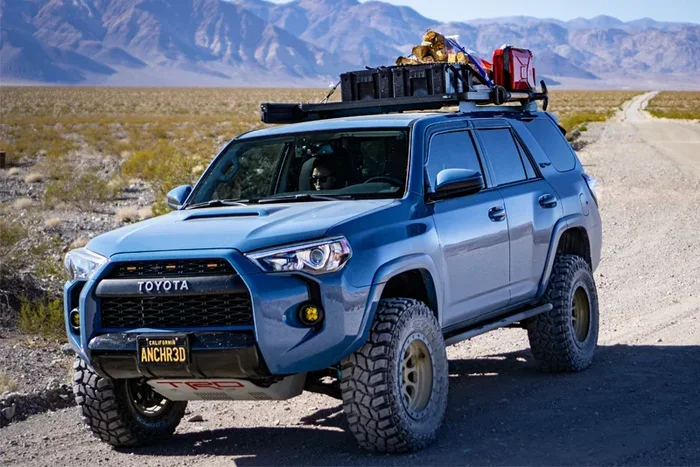
Visual guide about Toyota 4Runner off-roading
Image source: offroadium.com
The 4.0L V6 engine found in later models is a workhorse. It provides ample power without being overly stressed. The inline-4 in older models is also known for lasting power. These engines have fewer complex parts that can fail. Simplicity often equals longevity in the car world.
Another factor is the frame construction. The 4Runner uses a body-on-frame design. This is similar to a truck rather than a unibody crossover. This structure handles rough terrain and heavy loads better. It also protects the engine bay during off-road adventures.
Toyota parts are widely available too. Mechanics know how to fix them. This means repairs are often cheaper and faster. When you need to jumpstart a Toyota Prius or fix a 4Runner, having access to quality parts matters. You can read more about how do you jumpstart a Toyota Prius to understand Toyota electrical systems better.
Corrosion resistance is also key. Rust can kill a vehicle faster than engine wear. Toyota has improved anti-corrosion treatments over the years. Keeping your undercarriage clean helps prevent rust. This is vital for off-road vehicles exposed to mud and water.
Engine and Transmission Longevity
The powertrain is the heart of the vehicle. Toyota engines are renowned for going the distance. You might ask how long does Toyota engine last in general. The answer is usually very long with oil changes.
The transmission is equally robust. Older models used a 5-speed automatic. Newer models use an 8-speed automatic. Both are designed for smooth shifting and durability. Regular transmission fluid changes are essential. Neglecting this can lead to slip issues or shuddering.
Many 4Runner owners report never replacing the timing chain. This is a major expense on some cars. The 4Runner avoids this worry for most of its life. This contributes to the high mileage expectancy.
If you are comparing Toyota vehicles, you might check how long does Toyota Camry last. The Camry is a sedan but shares engine reliability traits. However, the 4Runner faces more stress due to off-road use. Surviving that stress makes its durability even more impressive.
Common Problems at High Mileage
Nothing lasts forever without issues. Even the best SUV will show wear. Knowing what to look for helps you prepare. Here are common issues seen at high mileage.
Steering Linkage Wear: This is a known issue on older 4Runners. The steering damper and linkage bushings can wear out. You might feel looseness in the wheel. Fixing this restores safe handling.
Exhaust Manifold Cracks: The exhaust manifold can crack over time. This causes a ticking noise when cold. It is not always urgent but should be monitored. It can affect engine performance if ignored.
Oil Consumption: Some V6 engines may burn oil as they age. Checking oil levels regularly is crucial. Low oil leads to engine damage. Keep a quart in the trunk for top-ups.
Rust and Corrosion: As mentioned, rust is the enemy. Check the frame and undercarriage often. Salt from winter roads accelerates this. Washing the vehicle frequently helps prevent it.
Suspension Components: Ball joints and tie rods take a beating. Off-roading speeds up this wear. Listen for clunks over bumps. Replacing these keeps the ride smooth and safe.
For more on Toyota durability, you can explore why do Toyota S last so long. Understanding the brand philosophy helps you appreciate your 4Runner even more.
Maintenance Tips to Maximize Lifespan
Want to hit 300,000 miles? You need a plan. Maintenance is the key to longevity. Here are actionable tips to keep your 4Runner running strong.
Follow the Schedule: Stick to the manufacturer maintenance schedule. Do not skip oil changes. Oil lubricates the engine and prevents wear. Use the recommended viscosity for your model year.
Check Fluids Regularly: Coolant, brake fluid, and transmission fluid need attention. Old coolant can cause overheating. Old brake fluid absorbs moisture and reduces stopping power. Check these every few months.
Tire Care: Tires affect fuel economy and handling. Rotate them every 5,000 miles. This ensures even wear. Also, check tire pressure monthly. Under-inflated tires hurt the engine and suspension.
Clean the Engine Bay: Dirt and grime can hide leaks. A clean engine makes spotting issues easier. Be careful not to spray sensitive electrical components. A gentle wash works best.
Use Quality Fuel: Fuel quality impacts engine health. Top-tier gasoline reduces carbon buildup. This keeps injectors clean and performance high. Avoid cheap fuel that might contain contaminants.
If you own other Toyota vehicles, similar rules apply. For example, how long will a Toyota Sienna last depends on similar maintenance habits. Keeping all your Toyota cars well-maintained saves money long-term.
Real-World Examples and Owner Stories
Data is great, but stories are convincing. Many 4Runner owners share their mileage success online. These real-world examples prove the durability claims.
One owner reported a 4Runner with 250,000 miles still running strong. They only replaced tires, brakes, and battery. The engine original to the car was still intact. This is common among loyal owners.
Another story involves a 4Runner used for overlanding. This means traveling long distances over rough terrain. The vehicle faced dust, water, and rocks. Despite this, it reached 200,000 miles with minor repairs. This highlights the off-road capability and strength.
These stories show that high mileage is not a death sentence. It is a badge of honor. A high-mileage 4Runner with records is often a better buy than a low-mileage one with neglect. Always ask for service records when buying used.
You might also be interested in how long does Toyota battery last. The 12V battery usually lasts 3-5 years. The hybrid battery in other models lasts longer. Knowing this helps you plan replacement costs.
Buying a High-Mileage 4Runner
Thinking about buying a used 4Runner? High mileage can be a good deal. These vehicles have already taken the biggest depreciation hit. You can get more car for less money.
However, you must inspect carefully. Look for signs of accidents or flood damage. Check the oil for milky residue. This indicates coolant leaks into the engine. Test drive the vehicle to hear unusual noises.
Ask about the maintenance history. Regular oil changes are non-negotiable. If the owner cannot prove this, walk away. A well-maintained 4Runner is worth the premium price.
Consider the cost of repairs. Set aside a fund for unexpected issues. Even reliable cars need fixes. Having cash ready reduces stress. This makes owning a high-mileage SUV much easier.
If you are comparing sizes, you might wonder how big is Toyota Highlander. The Highlander is larger than the 4Runner. It offers more passenger space but less off-road toughness. Choose based on your needs.
Comparison: 4Runner vs. Other Toyota Models
How does the 4Runner stack up against siblings? Let’s look at durability comparisons. This helps you choose the right Toyota for you.
| Model | Avg. Lifespan (Miles) | Key Strength | Best For |
|---|---|---|---|
| Toyota 4Runner | 200,000 – 300,000+ | Off-Road Durability | Adventure & Towing |
| Toyota Camry | 200,000 – 300,000 | Fuel Efficiency | Daily Commuting |
| Toyota Tacoma | 200,000 – 300,000+ | Truck Utility | Hauling & Work |
| Toyota Sienna | 150,000 – 250,000 | Passenger Capacity | Family Transport |
As you can see, the 4Runner competes well. The Tacoma is its truck sibling and shares engine technology. The Camry is a sedan but matches mileage expectations. The Sienna is great for families but may wear faster due to stop-and-go use.
Each Toyota has its place. If you need 4WD and ruggedness, the 4Runner wins. If you need seating, look at the Sienna. Check how many gallons does a Toyota Sienna hold for fuel needs. For cargo space, the 4Runner is versatile.
Expert Insights on Toyota Longevity
Experts agree on one thing. Toyota builds cars to last. This is not marketing fluff. It is engineering reality. The brand reputation is built on decades of reliability.
Mechanics often say Toyota engines are easy to work on. This encourages proper maintenance. When repairs are easy, owners do them sooner. This prevents small issues from becoming big problems.
Resale value is another expert observation. 4Runners hold value better than most SUVs. This is because buyers trust the mileage claims. They know a used 4Runner will not quit soon. This demand keeps prices high.
If you want to understand Toyota production, you might ask how many cars do Toyota make a year. Massive production scales require consistent quality control. This consistency ensures every 4Runner meets durability standards.
Key Takeaways for 4Runner Owners
To wrap up the main content, here is what matters most. Toyota 4Runners are built for the long haul. Maintenance is the single biggest factor in lifespan. High mileage is acceptable if the history is clean.
Watch for common issues like steering wear and rust. Address them early to save money. Enjoy the off-road capability but respect the vehicle. Treat it well, and it will treat you well.
Many owners drive their 4Runners into retirement. They become part of the family. This bond is unique to this Toyota model. It is more than just a car. It is a companion for life’s journeys.
Frequently Asked Questions
How many miles can a Toyota 4Runner last?
A Toyota 4Runner can typically last between 200,000 and 300,000 miles with proper care. Many owners report reaching higher mileage with routine maintenance and careful driving habits.
What is the average lifespan of a Toyota 4Runner engine?
The Toyota 4Runner engine often lasts over 200,000 miles before needing major work. Regular oil changes and avoiding overheating are key to maximizing engine life.
Is a high mileage Toyota 4Runner worth buying?
Yes, a high mileage 4Runner is often worth buying if it has service records. These vehicles are known for reliability even at high mileage, offering great value.
What are common problems with old Toyota 4Runners?
Common issues include steering linkage wear, exhaust manifold cracks, and rust on the frame. Addressing these early helps maintain safety and longevity.
How often should I change the oil in a 4Runner?
You should change the oil every 5,000 to 10,000 miles depending on the engine type and fuel used. Following the manufacturer schedule ensures engine health.
Does off-roading reduce the life of a 4Runner?
Moderate off-roading does not significantly reduce lifespan if maintained well. However, extreme stress without repairs can wear out suspension and engine components faster.