
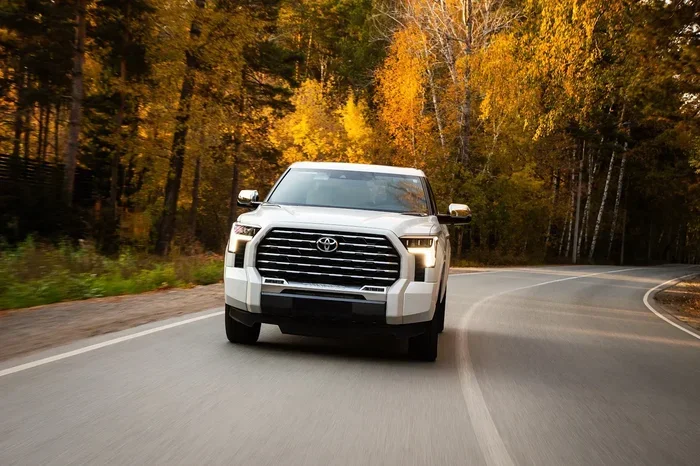
Toyota Tundras are built to last, with many owners reporting over 200,000 miles on their trucks. Real-world data shows that with proper care, these vehicles can easily reach 300,000 miles or more. We will explore engine reliability, maintenance needs, and factors that affect lifespan. Whether you drive a standard model or a Toyota Tundra hybrid, understanding longevity helps you make smart choices.
Key Takeaways
- High Mileage Potential: Many Toyota Tundras reach 200,000 to 300,000 miles with routine care.
- Engine Reliability: The i-FORCE and i-FORCE MAX powertrains are known for strong durability.
- Maintenance Matters: Oil changes, transmission service, and brake checks extend truck life.
- Driving Habits Count: Towing, off-roading, and highway miles impact wear differently.
- Parts Availability: Easy access to Toyota Tundra parts keeps repairs affordable and fast.
- Real Owner Data: Forums and service records show consistent long-term performance.
- Smart Buying Tips: Check service history, inspect for rust, and test drive before purchasing.
📑 Table of Contents
- How Many Miles Do Toyota Tundras Last
- Real World Mileage Expectations for the Toyota Tundra
- Toyota Tundra Engine Longevity and Powertrain Strength
- Toyota Tundra Maintenance Tips for Long-Term Reliability
- Toyota Tundra Towing, Driving Habits, and Wear Patterns
- Toyota Tundra Hybrid, Fuel Economy, and Long-Term Value
- Buying a High-Mileage Toyota Tundra: What to Check
- Final Thoughts on Toyota Tundra Longevity
How Many Miles Do Toyota Tundras Last
If you are asking how many miles do Toyota Tundras last, you are not alone. Truck buyers want a vehicle that works hard and stays reliable for years. The Toyota Tundra has earned a strong reputation for durability. Many owners share stories of trucks that keep running well past 200,000 miles. Some even push toward 300,000 miles with basic care.
This truck is designed for daily use, heavy towing, and rough roads. That means the engineers focused on strong components and smart engineering. You will find a solid frame, dependable engines, and a suspension built for workload. These traits help the Tundra handle stress without breaking down quickly.
In this guide, we will look at real-world mileage expectations. We will also cover engine life, maintenance habits, and common wear items. You will learn what to watch for and how to protect your investment. By the end, you will know what to expect from this truck over time.
Real World Mileage Expectations for the Toyota Tundra
When people ask how many miles do Toyota Tundras last, they usually want a clear number. The truth is that mileage depends on use, care, and driving conditions. Still, the general range is encouraging. Many owners report smooth operation up to 200,000 miles. A smaller but growing group reaches 250,000 miles or more.
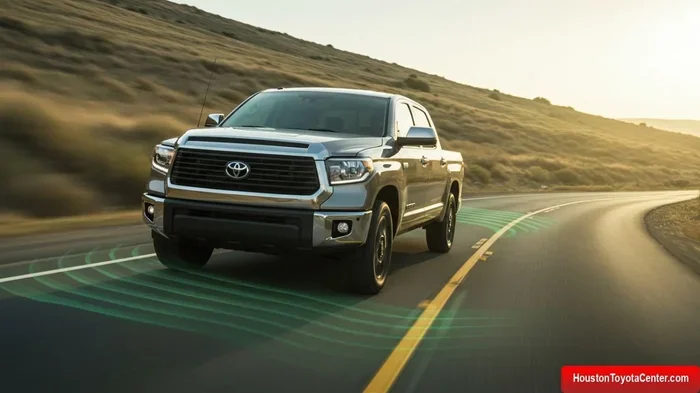
Visual guide about Toyota Tundra driving highway
Image source: houstontoyotacenter.com
Highway miles are easier on a truck than stop-and-go city driving. Towing heavy loads adds stress to the engine and transmission. Off-road use can wear suspension parts faster. These factors matter, but they do not ruin a well-maintained truck. They simply change the pace of wear.
Here is a simple look at typical mileage ranges:
- 100,000 to 150,000 miles: Normal wear items may need attention. The truck usually runs strong with routine service.
- 150,000 to 200,000 miles: Many Tundras stay reliable. You may replace brakes, tires, and suspension components.
- 200,000 to 300,000 miles: Possible with consistent care. Engine and transmission health matter most at this stage.
These numbers are not promises. They are practical expectations based on owner reports and service trends. A truck that gets regular oil changes and timely repairs can often exceed average expectations.
What Owner Reports Tell Us
Owner forums and service records show a clear pattern. Many Tundra owners keep their trucks for many years. They often share updates about long trips, heavy work, and daily commuting. The common theme is steady performance when maintenance stays on schedule.
Some owners note minor issues, such as sensor warnings or interior wear. These are normal for any vehicle with high mileage. The bigger picture is that major failures are less common when the truck is cared for properly. That is a key reason why people trust this model.
Comparing Tundra Longevity to Other Trucks
It helps to compare the Tundra with other full-size trucks. Many competitors also offer strong durability. The difference often comes down to engineering choices, parts support, and service costs. The Tundra is known for straightforward repairs and wide parts availability. That can make long-term ownership easier.
If you want a broader view of Toyota reliability, you can read about how long Toyota engines last. This gives useful context for the Tundra’s powertrain strength. You can also explore how long does Toyota engine last for more engine-focused insight.
Toyota Tundra Engine Longevity and Powertrain Strength
The engine is the heart of any truck. For the Tundra, engine longevity is a major reason owners trust it. Modern Tundras use strong gasoline powertrains, including turbocharged options. These engines are built to handle torque demands and long hours of work.
A well-maintained engine can go a long way. Clean oil, proper cooling, and healthy fuel system habits all help. The transmission also matters because it manages power delivery. A smooth transmission reduces strain on the engine and drivetrain.
If you want deeper detail on Toyota powertrain durability, check how long does a Toyota engine last. You may also find it useful to review how long will Toyota Corolla last to see how Toyota’s reliability approach compares across models.
Key Factors That Support Engine Life
Several habits help the engine stay healthy for the long haul:
- Regular oil changes: Fresh oil reduces friction and protects internal parts.
- Cooling system care: A good radiator and coolant schedule prevent overheating.
- Air filter maintenance: Clean airflow supports efficient combustion.
- Fuel quality: Good fuel helps avoid deposit buildup.
- Gentle warm-up: Letting the truck settle before hard work reduces stress.
These steps are simple, but they make a big difference. A truck that sees heavy towing should receive extra attention. Heat and load can accelerate wear if service is delayed.
Common Engine-Related Wear Points
Even a strong engine has parts that wear over time. Sensors, gaskets, and seals can age with heat cycles. Fuel injectors may need cleaning or replacement in higher-mileage examples. The turbocharger, when present, also needs clean oil and proper driving habits.
Most of these items are manageable when caught early. Ignoring small warnings can lead to larger repairs later. That is why routine checks matter so much.
Toyota Tundra Maintenance Tips for Long-Term Reliability
If you want to maximize how many miles do Toyota Tundras last, maintenance is the best tool you have. A truck can last a long time, but only if you support it. The good news is that Tundra care is fairly straightforward. You do not need fancy tricks. You need consistency.
Start with the owner’s manual. It lists service intervals for oil, brakes, transmission fluid, and more. Follow those schedules, or adjust them for severe use. Towing, extreme heat, and dusty roads can justify shorter intervals.
For practical guidance on routine care, see how do I turn off maintenance required light on Toyota. It explains a common dashboard reminder and helps you stay on top of service alerts.
Essential Maintenance Checklist
Use this simple checklist to keep your Tundra in good shape:
- Oil and filter changes: Stay on schedule and use the recommended grade.
- Transmission service: Replace fluid at suggested intervals to protect shifting.
- Brake inspection: Check pads, rotors, and fluid for safe stopping.
- Tire care: Monitor pressure, rotation, and tread depth.
- Battery health: Test the battery, especially before cold weather.
- Coolant and hoses: Look for leaks, cracks, and age-related wear.
- Suspension check: Inspect shocks, struts, and bushings after rough use.
This list covers the major systems that affect longevity. If you keep up with these items, you reduce the chance of sudden failures. You also protect resale value because service records matter to buyers.
Quick Tips for High-Mileage Ownership
As your Tundra ages, small habits become more important. Listen for new noises and pay attention to changes in shifting or braking. Address warning lights early instead of waiting. Keep the undercarriage clean if you drive in salt or mud.
Also, use quality parts when replacing components. Cheap parts can fail sooner and create extra stress. A trusted mechanic can help you choose durable replacements. That approach supports long-term reliability.
Common Mistakes to Avoid
Some owners unintentionally shorten truck life. Here are a few mistakes to avoid:
- Skipping oil changes: This is the fastest way to increase engine wear.
- Ignoring small leaks: Minor fluid loss can turn into a big problem.
- Towing beyond comfort: Consistent overload strains the drivetrain.
- Delaying brake service: Worn brakes affect safety and other components.
- Using the wrong fluids: Incorrect oil or transmission fluid can hurt performance.
Avoiding these mistakes is not difficult. It just requires attention and a basic service plan.
Toyota Tundra Towing, Driving Habits, and Wear Patterns
How you use the truck matters as much as how you maintain it. The Tundra is capable, but every task creates wear. Towing a boat, hauling cargo, or driving rough trails all affect different parts. Understanding these patterns helps you plan service better.
Highway driving usually creates even wear. City driving adds more braking and acceleration cycles. Towing increases heat in the engine and transmission. Off-road use can stress suspension and steering parts. None of this is bad by itself. It just means usage should match your maintenance rhythm.
If you are curious about Toyota’s broader durability reputation, you can read why do Toyota s last so long. It explains the design and service philosophy that supports long vehicle life.
Towing and Work Use
Towing is one of the Tundra’s strengths. It is built to move meaningful weight. Still, towing adds strain. The engine works harder, the transmission stays warmer, and the brakes fade faster on descents. That is why towing vehicles need careful monitoring.
If you tow often, check fluid levels more often. Inspect hitch components and tires before long trips. Allow the truck to cool after hard pulls when possible. These habits help the powertrain stay healthy.
Daily Driving and Commuting
Daily driving is easier on the truck than constant heavy work. Still, short trips can prevent the engine from fully warming up. That can lead to moisture buildup in oil over time. Longer drives are generally easier on the system.
For commuters, tire rotation and brake checks matter a lot. Stop-and-go traffic wears pads faster. Smooth driving helps reduce wear and improves fuel economy.
Off-Road and Rough Conditions
Off-road use is fun, but it adds stress. Rocks, ruts, and dust can affect the underbody and suspension. After rough trips, inspect for damage and clean out debris. Check bolts, bushings, and tires for signs of strain.
If your Tundra sees mixed use, adjust your service intervals. A truck that works hard may need earlier fluid changes and closer inspections. That extra care can extend its usable life.
Toyota Tundra Hybrid, Fuel Economy, and Long-Term Value
The Toyota Tundra hybrid brings another layer of interest. The i-FORCE MAX system combines a gasoline engine with electric assist. This setup can improve responsiveness and help in certain driving conditions. For many buyers, it also raises questions about long-term durability.
Hybrid components add complexity, but they are designed for everyday use. The battery and electric drive parts are supported by Toyota’s service network. As with any hybrid, long-term care matters. Cooling, battery health, and software updates all play a role.
If you want to compare hybrid durability across Toyota models, see how long does the Toyota hybrid battery last. You can also look at how long do Toyota Prius batteries last for additional hybrid battery context.
Hybrid Ownership Considerations
Hybrid Tundra owners should keep a few things in mind:
- Battery cooling: Keep vents clear and avoid extreme heat buildup.
- Regular service: Follow the schedule for both gas and hybrid systems.
- Software updates: Stay current with dealer or manufacturer recommendations.
- Driving style: Smooth acceleration helps the powertrain work efficiently.
These points support long-term confidence in the hybrid system. The truck still benefits from the same basic maintenance habits as the standard version.
Fuel Economy and Cost of Ownership
Fuel economy is another part of long-term value. Better efficiency can reduce yearly costs, especially if you drive a lot. The Tundra’s size and capability naturally affect consumption, so expectations should be realistic. Still, efficient driving habits can help.
If you are comparing fuel performance across Toyota models, review how many miles a gallon does a Toyota Camry get. It offers a useful contrast between a sedan and a full-size truck.
Resale and Long-Term Value
A truck that lasts longer usually holds value better. Buyers want service records, working systems, and visible care. A high-mileage Tundra with good documentation can still attract interest. That is one reason owners focus on maintenance from day one.
Long-term value also depends on parts availability and repair costs. When components are easy to source, ownership stays practical. That matters when a truck has many years of use left.
Buying a High-Mileage Toyota Tundra: What to Check
If you are considering a used Tundra, inspection is key. High mileage is not a dealbreaker if the truck has been cared for. The goal is to confirm that major systems are healthy. A careful check can save you from expensive surprises.
Start with the service history. Look for regular oil changes and documented repairs. Ask about towing use, accidents, and any recurring issues. A well-documented truck is often a safer buy than a low-mileage truck with no records.
For more Toyota reliability context, you may also find how long do Toyota engines last helpful when evaluating powertrain health.
Inspection Points to Prioritize
Focus on these areas during a used truck review:
- Engine performance: Listen for unusual noises and check for smooth idle.
- Transmission shifts: Look for slipping, harsh shifts, or delayed engagement.
- Fluids: Check oil, coolant, and transmission fluid for color and level.
- Tires and brakes: Measure tread and inspect pads for remaining life.
- Frame and body: Look for rust, dents, and signs of heavy abuse.
- Electronics: Test lights, screens, and warning indicators.
A test drive matters too. Pay attention to acceleration, braking, and steering feel. If something seems off, have a mechanic inspect it before buying.
When a High-Mileage Tundra Makes Sense
A high-mileage Tundra can be a smart choice if the price is right and the history is solid. Many of these trucks still have useful life left. They can be great for commuting, family use, or moderate work duty. The key is knowing what you are buying.
If the truck has been driven gently and serviced regularly, mileage becomes less worrying. Think of it as a truck with known wear rather than an unknown risk. That perspective helps you make a confident decision.
Final Thoughts on Toyota Tundra Longevity
So, how many miles do Toyota Tundras last? In real-world use, many reach 200,000 miles and some go much farther. The exact number depends on maintenance, driving habits, and workload. A cared-for Tundra can remain a dependable truck for many years.
The best approach is simple. Keep up with service, watch for early warning signs, and match your driving habits to the truck’s design. Whether you choose a standard model or a hybrid, consistency is what protects longevity.
If you treat the Tundra well, it can reward you with steady performance and strong value. That is the real appeal of a truck built for the long haul.
Frequently Asked Questions
How many miles do Toyota Tundras last on average?
Many Toyota Tundras last around 200,000 miles with regular maintenance. Some well-cared-for examples can reach 250,000 miles or more. Actual lifespan depends on driving habits, towing use, and service history.
Do Toyota Tundra engines last long?
Yes, Toyota Tundra engines are known for strong durability when maintained properly. Clean oil, cooling system care, and timely service help them last. Many engines remain reliable well into high mileage.
Is a high-mileage Toyota Tundra a good buy?
A high-mileage Tundra can be a good buy if it has service records and no major damage. Inspection of the engine, transmission, brakes, and frame is important. A documented truck is often safer than an unproven low-mileage one.
Does towing affect how long a Toyota Tundra lasts?
Towing adds stress to the engine, transmission, and brakes, so it can affect wear over time. Frequent towing makes regular fluid changes and inspections more important. With proper care, the Tundra can still handle demanding use well.
Do Toyota Tundra hybrids last as long as gas models?
Toyota Tundra hybrids are designed for long-term use and can last a long time with proper care. Hybrid battery cooling, routine service, and software updates help support durability. The same basic maintenance habits still matter.
What maintenance helps a Toyota Tundra last longer?
Regular oil changes, brake checks, tire care, and transmission service help a Tundra last longer. Cooling system inspections and prompt repairs also protect the truck. Staying on schedule is the simplest way to extend its life.