
Toyotas are famous for lasting well beyond 200,000 miles with basic care. Their reliable engines, solid build quality, and smart design choices create vehicles that rarely quit. When you combine that engineering with regular maintenance, you get a car that saves money and reduces stress. Learn exactly why Toyotas earn their reputation and how to keep yours running strong for years.
Toyota has built a reputation that feels almost legendary. People talk about Toyota reliability the way they talk about a trusted family recipe. The brand is known for long-lasting cars that keep going year after year. But what actually makes that happen? Is it the engines? The factory process? The way owners treat the vehicle? The truth is that it is a mix of smart engineering, steady quality control, and practical design choices.
If you are trying to decide whether a Toyota is the right fit for your household, understanding why Toyotas last so long can help you feel confident. You will also learn what you can do to protect any vehicle you buy. Longevity is not magic. It comes from choices that reduce stress on critical parts and make repairs easier over time. That is the real secret behind Toyota durability.
Key Takeaways
- Proven engineering: Toyota designs engines and transmissions with conservative power margins and durable materials.
- Quality control matters: Strict factory standards and consistent assembly practices reduce early failures.
- Parts availability: Easy access to genuine and aftermarket components keeps repairs simple and affordable.
- Maintenance-friendly design: Service points are accessible, and many systems use time-tested technology.
- Conservative tuning: Engines often run cooler and under less stress, which supports long-term durability.
- Owner habits count: Following service schedules, using the right fluids, and fixing small issues early extend life.
- Real-world reputation: High mileage examples and long-term reliability surveys back up the longevity claim.
📑 Table of Contents
- Why Do Toyotas Last So Long: The Engineering Foundation
- How Toyota Build Quality Supports Longevity
- Toyota Parts Availability and Repairability
- The Role of Owner Maintenance in Toyota Longevity
- Toyota Reliability in Real-World Use
- Common Myths About Toyota Longevity
- Expert Insights and Practical Tips for Maximizing Toyota Life
- Conclusion
Why Do Toyotas Last So Long: The Engineering Foundation
The first reason why Toyotas last so long comes down to how the vehicles are designed. Toyota tends to choose proven solutions over flashy experiments. That does not mean the company avoids innovation. It means the brand often prioritizes reliability when a feature affects the life of the car.
Conservative Engine Design
Many Toyota engines are built with a practical mindset. They are often tuned to operate with a comfortable margin rather than pushing every limit. That approach helps reduce wear on internal parts. When an engine runs within a sensible range, heat, friction, and pressure stay more controlled. Over time, that can make a big difference in how long components hold up.
You can see this philosophy in the way Toyota uses well-understood engine layouts. The company has refined many of its powertrains over multiple generations. That steady improvement matters because each redesign can strengthen weak points without changing the whole formula.
Transmission Choices That Favor Durability
Transmission longevity also plays a major role. Toyota has used traditional automatic transmissions, continuously variable transmissions, and manual gearboxes across different models. The key is matching the transmission to the vehicle’s purpose and keeping the system well-supported. When a transmission is designed with serviceability and moderate stress in mind, it tends to age more gracefully.
If you want to understand how long a specific Toyota can go, it helps to look at the whole drivetrain, not just the engine. A strong engine paired with a poorly matched transmission will not deliver the same lifespan as a balanced combination. That balance is one reason why Toyotas last so long in so many different sizes and styles.
Materials and Component Selection
Durability is not only about tuning. It is also about the parts themselves. Toyota often selects components that can handle daily use without needing constant attention. That includes everything from gaskets and seals to suspension parts and electrical connectors. Reliable parts do not always look exciting, but they matter a lot when you want a car to survive real-world driving.
Another advantage is how these parts fit into the larger system. When components are designed to work together in a predictable way, the vehicle is less likely to suffer from strange wear patterns or early breakdowns. That kind of harmony supports long-term Toyota reliability in everyday use.
How Toyota Build Quality Supports Longevity
Engineering is only part of the story. The way a car is assembled can be just as important. A design can be excellent on paper, but if it is not built consistently, the final vehicle may not deliver the expected lifespan. Toyota has spent decades refining its manufacturing process to reduce variation and improve consistency.
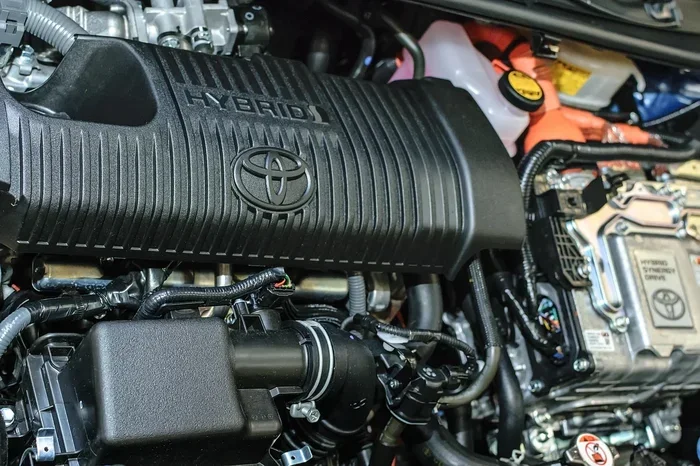
Visual guide about Toyota car engine closeup
Image source: cdn.pixabay.com
Factory Standards and Assembly Discipline
Consistent assembly helps prevent small problems from becoming big ones. When bolts are torqued correctly, seals are installed properly, and wiring is secured in the right way, the vehicle starts its life with a stronger foundation. That matters because many failures begin with a tiny installation issue that grows over time.
Toyota’s production system is known for emphasizing efficiency, but it also supports quality. The company has built a reputation for reducing defects and improving repeatability across its plants. That kind of discipline gives each vehicle a better chance to reach high mileage with fewer major issues.
Where Vehicles Are Built Matters, But Consistency Matters More
Buyers sometimes ask where a model is manufactured because they worry about regional quality differences. In reality, the bigger story is how well the process is controlled at each location. Toyota produces vehicles in several places, and each facility follows brand-wide standards. If you are curious about specific models, you can explore details like where the Toyota RAV4 is manufactured or where the Toyota Highlander is built. Those articles show how different models come together in different locations while still carrying the same reliability expectations.
That global approach is part of why Toyotas last so long across so many markets. The brand does not rely on one lucky factory. It relies on repeatable systems.
Toyota Parts Availability and Repairability
Long-lasting cars need long-lasting support. A vehicle can be well built, but if parts are hard to find or repairs are overly complicated, owners may delay maintenance or pay more than they should. Toyota has an advantage here because its parts network is broad and familiar to many repair shops.
Easy Access to Genuine and Aftermarket Components
One reason Toyota durability holds up over time is that service professionals can usually source what they need without drama. Common wear items are widely available, and many models share parts across generations. That reduces wait times and keeps repairs moving. It also helps owners stay on schedule instead of postponing service because a part is difficult to locate.
If you ever need to replace something on a Toyota, it is smart to know your options. You can learn more about sourcing components through guides like where to order Toyota parts and where to buy Toyota pink coolant. Those details may seem small, but they matter when you want to keep a vehicle in good shape for the long haul.
Simple Service Points Help Owners Stay Ahead
Repairability is not only about availability. It is also about how easy it is to reach the parts that need attention. Many Toyota models are designed with maintenance in mind, which makes routine service less of a hassle. Oil changes, fluid checks, filters, and inspections are often straightforward. That convenience encourages owners to stay consistent.
Consistency is one of the biggest secrets behind why Toyotas last so long in real life. A car that is easy to service is more likely to be serviced correctly and on time.
The Role of Owner Maintenance in Toyota Longevity
No vehicle lasts forever without care. Even the best-engineered car will suffer if it is ignored. Toyota’s reputation for longevity is strongly tied to the fact that its vehicles respond well to ordinary maintenance. In other words, they are not especially temperamental when owners do the basics.
Follow the Schedule, Not the Guesswork
A sensible maintenance schedule is one of the most powerful tools for extending vehicle life. That means changing fluids when recommended, inspecting belts and hoses, keeping tires in good condition, and addressing small warnings before they become large repairs. Toyota vehicles often reward this kind of steady attention with years of dependable use.
If you are unsure about service intervals, it is worth checking the manufacturer’s guidance for your specific model. Transmission service, in particular, can be an important part of long-term care, and you can read more in articles about when to change transmission fluid in a Toyota. The exact interval can vary by model and driving conditions, so it pays to be precise.
Small Fixes Prevent Big Failures
Many long-lasting Toyotas reach high mileage because owners handle early warning signs quickly. A minor coolant leak, a worn brake component, or a small electrical glitch may seem manageable at first. Left alone, though, those issues can stress other parts of the vehicle. Fixing them early is one of the simplest ways to protect Toyota reliability.
This is especially true for daily drivers that spend a lot of time on the road. A car that gets regular use and regular care often outlasts a vehicle that is driven sporadically and neglected between uses.
Toyota Reliability in Real-World Use
Lab tests and spec sheets are useful, but real-world ownership tells the full story. Toyota’s longevity reputation comes from millions of drivers who have used these vehicles for commuting, family travel, towing, and long commutes in challenging weather. That broad track record gives the brand a strong practical foundation.
Everyday Driving and High-Mileage Examples
Many Toyota owners report reaching impressive mileage with routine care. That does not mean every vehicle will automatically hit a magic number. It means the brand’s design and support ecosystem make high-mileage ownership more achievable than it is for many other vehicles. When a car survives stop-and-go traffic, highway miles, and seasonal changes without constant trouble, people notice.
Real-world durability also depends on the model. Some Toyotas are built for sedate daily use, while others are designed for more demanding tasks. If you are comparing vehicles, it can help to look at how different models handle work and family life. For example, you might compare the towing capacity of a Toyota Tacoma with the towing capacity of a Toyota Tundra if you need a truck that can handle heavier loads. Matching the vehicle to the job is one more way to protect longevity.
Weather, Terrain, and Driving Habits
Conditions matter. A Toyota that lives in a mild climate and gets smooth highway driving may age differently from one that faces snow, salt, heat, or rough roads. Still, Toyota vehicles are widely used in varied environments, which supports the brand’s strong reliability image. Good maintenance becomes even more important in harsher settings, but the underlying design still gives owners a solid starting point.
If you live where winter conditions are common, features like drive modes and weather-focused controls can help you drive more confidently. For example, you may want to understand what the snow button does in a Toyota Highlander if you own or plan to buy one. Small tools like that do not replace careful driving, but they can make daily use easier and safer.
Common Myths About Toyota Longevity
Because Toyota is so well known, it is easy to fall into oversimplified ideas. Some people think longevity is guaranteed. Others believe every Toyota is identical in quality. Neither view is accurate. It helps to separate the brand’s strengths from the myths that surround it.
Longevity Is Not Automatic
A Toyota can still have problems. No vehicle is immune to wear, accidents, or neglected maintenance. The brand’s advantage is that its vehicles are generally built and supported in ways that make long service life more likely. That is a meaningful difference, but it is not a promise.
Thinking realistically about why Toyotas last so long keeps expectations healthy. You are buying into a strong probability, not a guarantee. Owner behavior still matters a great deal.
Not Every Model Is the Same
Toyota makes many types of vehicles, from compact cars to large SUVs and trucks. Each one has different priorities. A sedan, a crossover, and a truck are not built the same way, and their longevity factors can vary. That is why it is smart to compare the specific model you want rather than assuming every Toyota behaves identically.
If you are exploring different sizes, you might look into questions like what the biggest Toyota SUV is or what Toyota’s smallest SUV is. Understanding the range helps you choose a vehicle that fits your needs and your expectations for long-term use.
Expert Insights and Practical Tips for Maximizing Toyota Life
If you want your Toyota to go the distance, the best approach is simple: treat it well, watch for changes, and stay proactive. The following tips can help you get the most out of the vehicle.
Smart Habits That Support Long-Term Durability
- Keep up with oil changes and use the recommended oil type.
- Pay attention to fluid levels, including coolant, brake fluid, and transmission fluid.
- Address warning lights early instead of waiting to see if they disappear.
- Inspect tires, brakes, and suspension components on a regular schedule.
- Use quality parts and fluids that match the vehicle’s requirements.
- Avoid consistently hard driving when the vehicle is cold or poorly maintained.
- Keep records of service so you can track what has been done and what is next.
These habits are not complicated, but they make a real difference. They also work well with Toyota durability because the vehicles are generally straightforward to maintain and widely understood by repair shops.
A Quick Comparison of Longevity Factors
Not all longevity factors carry the same weight in every situation. The table below gives a simple overview of what tends to matter most.
| Factor | Why It Matters | What Owners Can Do |
|---|---|---|
| Engine tuning and design | A balanced powertrain reduces stress on internal parts. | Follow service intervals and avoid ignoring unusual noises. |
| Assembly consistency | Proper build quality lowers the chance of early defects. | Inspect the vehicle early and fix small issues promptly. |
| Parts availability | Easy repairs keep maintenance on schedule. | Use trusted sources and choose suitable replacement parts. |
| Owner maintenance | Care habits directly affect lifespan. | Keep records, check fluids, and service the car on time. |
| Driving conditions | Weather and usage can speed up wear. | Adjust habits, protect the car from neglect, and service it more carefully in harsh conditions. |
This simple breakdown shows that why Toyotas last so long is not one single answer. It is a combination of design, manufacturing, support, and ownership. When those pieces line up, the result is a vehicle that can stay useful for a very long time.
Conclusion
So, why do Toyotas last so long? The answer is a mix of practical engineering, steady manufacturing discipline, strong parts support, and owner habits that make maintenance easier to sustain. Toyota often chooses dependable solutions, refines them over time, and builds vehicles that are straightforward to care for. That approach gives many of its cars and trucks a strong chance to reach high mileage with fewer major headaches.
If you are considering a Toyota, you can feel good about the brand’s long-term reputation. Just remember that longevity still depends on how the vehicle is used and maintained. Choose the right model for your needs, stay on top of service, and handle small problems before they grow. Do that, and you will be giving your Toyota the best possible chance to stay on the road for years to come.
Frequently Asked Questions
Why do Toyotas last so long compared with other brands?
Toyotas often last a long time because they use well-tested engineering, consistent manufacturing practices, and widely available parts. Those factors make it easier to keep the vehicle maintained and reduce the chance of early failures.
How many miles can a Toyota usually reach?
Many Toyotas can reach high mileage with proper care, and some examples go well beyond 200,000 miles. The exact lifespan depends on the model, driving conditions, and how consistently the owner follows maintenance schedules.
Do Toyotas need special maintenance to last a long time?
They do not need complicated care, but they do need regular service. Oil changes, fluid checks, tire care, and timely repairs are the main habits that help a Toyota stay dependable for years.
Are all Toyota models equally reliable?
No, different models have different designs and purposes, so reliability can vary by vehicle. A sedan, SUV, or truck may age differently depending on how it is built and how it is used.
What is the biggest mistake that shortens Toyota lifespan?
Neglecting small problems is one of the biggest mistakes. A minor leak, worn part, or warning light can turn into a larger issue if it is ignored for too long.
Where can I learn more about keeping a Toyota in good shape?
You can review model-specific maintenance guidance, service intervals, and parts information from trusted repair sources or official service recommendations. It also helps to check practical articles about components like transmission fluid, coolant, and parts ordering.