
Toyota has earned a legendary reputation for building vehicles that run smoothly for hundreds of thousands of miles. The truth behind this remarkable longevity comes down to simple engineering, obsessive quality checks, and a company culture that refuses to cut corners. When you combine proven powertrain designs with easy maintenance routines, you get cars that simply refuse to quit. Understanding why Toyota lasts so long helps you make smarter buying choices and keep your own vehicle running longer.
You have probably heard the same story over and over again. A friend buys a used sedan with high mileage and drives it for years without major trouble. A coworker puts hundreds of thousands of miles on a compact car and barely touches the repair budget. These stories are not just lucky accidents. They point to a clear pattern that many drivers notice right away. Why does Toyota last so long? The answer sits in a mix of smart engineering, careful factory practices, and a company mindset that values steady performance over flashy promises.
Reliability is not built by one single trick. It comes from many small decisions that add up over time. Toyota designers often choose mature technology that has been tested in real roads, not just on computer screens. Factory teams check every important part with strict standards. Service teams and owners also benefit from straightforward maintenance routines that do not require exotic tools or confusing procedures. When you look at the full picture, it becomes easier to see why so many Toyotas stay on the road far longer than expected.
In this guide, we will break down the real reasons behind Toyota durability in plain language. You will learn how engineering choices affect lifespan, why quality control matters so much, and what owners can do to protect their vehicles. We will also look at common myths, practical maintenance habits, and a few honest limitations. By the end, you will have a clearer view of why Toyota lasts so long and how you can apply those lessons to your own car ownership experience.
Key Takeaways
- Simple engineering matters: Toyota favors proven mechanical designs over overly complex systems, which reduces failure points.
- Strict quality control: Every major component undergoes rigorous testing before it ever reaches a dealership lot.
- Conservative powertrain choices: Engines and transmissions are tuned for durability rather than extreme performance.
- Easy maintenance access: Many Toyota models are designed so owners and mechanics can service them quickly.
- Consistent parts strategy: Toyota reuses tested components across multiple generations, improving long-term reliability.
- Regular upkeep extends life: Following simple maintenance schedules keeps major systems healthy for decades.
- Brand culture supports longevity: Toyota prioritizes customer trust and long-term satisfaction over short-term trends.
📑 Table of Contents
Why Does Toyota Last So Long Engineering Philosophy
Toyota has a reputation for keeping things simple, and that choice matters a lot. Car companies sometimes rush toward complicated features that sound exciting on paper but create more chances for failure in real life. Toyota often takes a steadier path. The brand tends to rely on designs that have already proven themselves in earlier generations. That does not mean the vehicles feel outdated. It means the core systems are less likely to surprise you with unexpected problems.
Proven Powertrain Designs
One of the biggest reasons behind Toyota durability is the company’s careful approach to engines and transmissions. Many Toyota engines use straightforward internal layouts, sensible tuning, and materials chosen for long-term wear resistance. The company also focuses on smooth performance instead of pushing every horsepower number to the limit. That kind of tuning can make a big difference in how long a powertrain survives daily driving.
Transmission choices matter too. Toyota has used traditional automatic transmissions, continuously variable transmissions, and manual gearboxes depending on the model. Each option has strengths and trade-offs. What matters most is that the company usually tests these systems heavily before putting them into mass production. Drivers often notice the result as calm, predictable shifting and fewer major transmission repairs over time.
Conservative Innovation
Toyota still innovates, but it usually does so in measured steps. New technology is introduced when the company feels confident that it can deliver consistent results. This approach lowers the risk of early-life defects that sometimes affect brand-new systems. It also helps mechanics understand how to service the vehicle correctly. When a repair procedure is familiar, mistakes become less likely.
This conservative style is one reason people ask why Toyota lasts so long even as other brands chase rapid feature upgrades. Reliability often grows when a manufacturer respects the value of repetition. If a design works well, there is no need to reinvent it every year. Toyota seems to understand that lesson very well.
Toyota Manufacturing and Quality Control
A vehicle is only as dependable as the process that builds it. Toyota’s factory culture has been studied for decades because it emphasizes consistency, accountability, and continuous improvement. That culture is not just marketing language. It affects how parts are inspected, how assembly lines are managed, and how problems are handled before they become widespread.

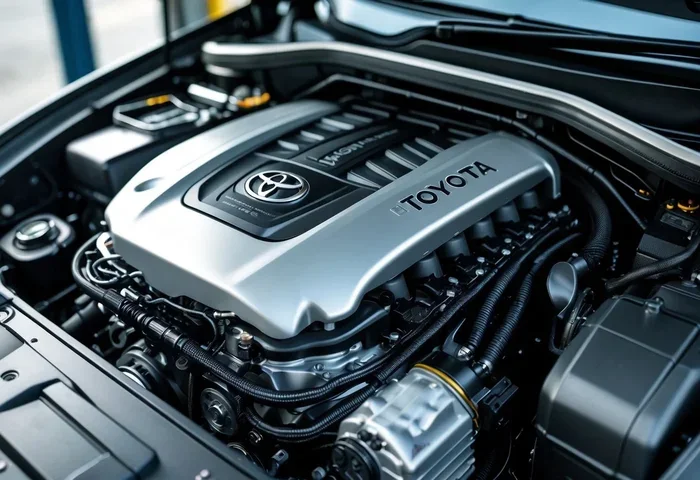
Visual guide about Toyota engine reliability close-up
Image source: amazingcarsanddrives.com
Strict Assembly Standards
During assembly, many checkpoints are built into the process. Workers and automated systems look for correct fitment, proper torque, and clean installation. Small errors can create big headaches later, so the company tries to catch them early. This kind of attention reduces the chance that a car leaves the factory with hidden issues.
Quality control also extends to the supply chain. Toyota works closely with parts suppliers to keep standards high. When a component is used across many vehicles, consistency becomes easier to manage. That shared parts strategy can improve reliability because the manufacturer gathers more real-world data on how those parts perform over time.
Continuous Improvement Culture
Toyota is known for a mindset often called continuous improvement. In simple terms, that means the company keeps looking for small ways to make production better. A tiny adjustment in a process can reduce wear, improve fit, or prevent a recurring defect. Over time, those small improvements add up.
This is one of the less visible reasons behind the question why does Toyota last so long. The company does not treat reliability as a one-time achievement. It treats it as an ongoing project. That attitude helps new models start with a stronger foundation than they might have otherwise.
Toyota Reliability in Real World Driving
Factory design matters, but real-world use tells the full story. A car may look perfect on a spec sheet and still struggle with daily commuting, weather changes, and long highway trips. Toyota vehicles are often praised because they handle ordinary driving conditions with less drama than many buyers expect.
Everyday Durability
Most drivers do not need a car that wins endurance races. They need a vehicle that starts reliably, handles stop-and-go traffic, survives temperature swings, and keeps going through years of routine use. Toyota tends to design for those exact demands. That is why many Toyotas feel especially dependable in daily life.
Simple systems are easier to live with. If a vehicle has fewer fragile features in critical areas, there are fewer things to worry about during regular use. That practical approach helps explain why so many owners report high-mileage Toyotas that still run well.
Resale Value and Long Ownership
Reliability also shows up in resale value. Buyers often pay more for used Toyota models because they expect steady performance and lower repair risk. That demand creates a useful signal in the market. When a brand consistently holds value, it usually means owners trust the vehicle to keep working.
Long ownership is another sign of durability. Many families keep the same Toyota for many years because it feels like a safe bet. If a car can stay in one household for a long time without major trouble, that is a strong sign that the overall design is working.
Toyota Maintenance and Longevity
Even the most dependable car needs care. Toyota’s longevity is not magic. It is supported by maintenance habits that are often simple, affordable, and easy to follow. Owners who stay consistent usually get better results than those who wait until a warning light appears.
Simple Service Routines
Toyota service schedules usually focus on the basics: oil changes, fluid checks, brake inspections, tire care, and periodic replacement of worn parts. These tasks may sound ordinary, but they protect the vehicle from the most common causes of early failure. Clean oil protects engine internals. Fresh fluids help transmissions and cooling systems work properly. Healthy brakes and tires keep the car safe and reduce strain on other components.
If you want to understand why does Toyota last so long, it helps to look at how friendly the maintenance process can be. Many models are designed with accessible service points, which makes routine work easier for owners and shops alike. That convenience encourages people to stay on schedule.
Using the Right Parts and Fluids
The right oil, coolant, and replacement parts matter more than many drivers realize. For example, if you are wondering what type of oil does a 2007 Toyota Camry take, using the correct viscosity and specification helps protect the engine as it ages. The same idea applies to other models and years. A Toyota built for a specific fluid type should receive that fluid consistently.
Owners also benefit from using quality replacement parts when repairs are needed. A cheap part may save money today and create a bigger problem tomorrow. Toyota’s long-lived reputation depends heavily on people treating the vehicle with reasonable care.
If you are comparing models, it can help to check the service needs of each one. You might look at what oil does a Toyota Corolla use if you are considering a smaller sedan, or review what engine does a Toyota Camry have when comparing trims. These details may seem small, but they help you understand how different models fit into your maintenance routine.
Toyota vs Other Brands Reliability Comparison
No brand is perfect, and every manufacturer has strengths and weaknesses. Toyota’s reputation comes from consistency more than perfection. Some competitors may offer more luxury, more technology, or sharper handling. Toyota often competes by offering a lower-stress ownership experience.
Where Toyota Usually Excels
Toyota tends to stand out in a few practical areas:
- Long-term reliability: Many models are known for staying operational with regular care.
- Lower repair frequency: Common problems are often less severe or less frequent than in some rivals.
- Easy ownership: Parts availability and service familiarity can make ownership simpler.
- Broad model range: Toyota offers many vehicle types, so buyers can choose a dependable option for different needs.
Where Other Brands May Lead
Other manufacturers may outperform Toyota in categories that matter to certain buyers. Some brands deliver a more premium cabin, faster acceleration, or more advanced driver aids. That does not make Toyota bad. It simply means different buyers value different things.
If you are trying to decide between brands, it can help to compare real priorities. For example, some shoppers explore which is better Honda Accord or Toyota Camry when they want a dependable midsize sedan. Others compare which is a better car Toyota or Honda based on their own driving habits. These comparisons are useful because they remind us that reliability is only one part of the buying decision.
A simple comparison table can make the tradeoff clearer:
| Category | Toyota Strengths | Other Brand Strengths |
|---|---|---|
| Reliability | Consistent long-term performance | May excel in niche or specialized designs |
| Technology | Steady, practical features | May offer more cutting-edge systems |
| Ownership Cost | Often lower repair stress | May vary by model and trim |
| Driving Feel | Comfortable and predictable | Some brands feel sportier or more luxurious |
Common Myths About Toyota Longevity
Toyota’s reputation is strong, but strong reputations often attract myths. Some people assume every Toyota is indestructible. Others believe the brand never makes mistakes. Neither idea is accurate. A better understanding helps you make smarter choices.
Myth One: Toyota Cars Never Break
All vehicles can fail. Parts wear out. Accidents happen. Maintenance lapses cause problems. Toyota vehicles are not exempt from reality. The difference is that many Toyotas are built and supported in a way that reduces the odds of major surprises. That is a big difference, but it is not the same as immortality.
Myth Two: Every Toyota Is Equally Reliable
Model matters. Year matters. Maintenance history matters. A well-cared-for Toyota will usually outperform a neglected one, regardless of badge. It is also wise to research the specific model you are considering rather than assuming every Toyota shares the same track record.
If you are looking at a used Toyota, check the service records and inspect the vehicle carefully. A high-mileage car with regular upkeep can be a better choice than a lower-mileage car with ignored maintenance. That is one of the most practical lessons behind why Toyota lasts so long. The car may be dependable, but the owner still matters.
Expert Tips to Make Any Toyota Last Longer
If you already own a Toyota or plan to buy one, a few smart habits can help you get the most out of it. These tips are simple, but they make a real difference over time.
Stay Ahead of Routine Service
Do not wait for a problem to act. Follow the recommended maintenance schedule, check fluids, and replace worn parts before they fail. Preventive care is almost always cheaper than emergency repairs.
Watch for Small Warning Signs
Unusual noises, leaks, dashboard lights, or changes in performance deserve attention. Small issues often become expensive ones when people ignore them. A quick inspection can save time and money later.
Keep Records
Maintain a simple log of oil changes, repairs, tire service, and inspections. Records help you stay organized and can also support resale value. Future buyers usually appreciate proof that the vehicle was cared for properly.
Use Qualified Service Help
Choose mechanics or dealerships that understand the vehicle and use proper procedures. Good service advice matters, especially when you need help deciding between repair options. If you are unsure about service timing, you may want to check what time does Toyota service open so you can plan your visit without rushing.
Protect the Whole Vehicle
Engine longevity is important, but so is the rest of the car. Keep the battery healthy, care for the brakes, monitor the tires, and do not neglect the cooling system. A dependable car is usually the result of many small systems working together.
If you are curious about how Toyota supports long-term ownership, you might also look into what does Toyota warranty cover and what does Toyota certified pre owned warranty cover. Warranty details can help you understand which risks are reduced during the early years and which responsibilities shift to the owner later on.
Conclusion
So, why does Toyota last so long? The answer is not one secret trick. It is a steady pattern of sensible engineering, careful manufacturing, and practical ownership habits. Toyota tends to choose proven designs, test them thoroughly, and improve them over time. That approach creates vehicles that are easier to trust in everyday life. At the same time, owners who follow simple maintenance routines and address small issues early give their cars the best chance to reach high mileage with fewer major problems.
Reliability is a partnership between the manufacturer and the driver. Toyota provides a strong foundation. You protect it with regular care and sensible driving. When both sides do their part, the result is often a vehicle that keeps going year after year. If you are shopping for a car or trying to extend the life of the one you already own, that practical mindset is the real lesson to remember.
Frequently Asked Questions
Why does Toyota last so long compared with other brands?
Toyota usually lasts longer because it favors proven designs, strict factory checks, and conservative tuning. Those choices reduce common failure points and make the vehicles easier to maintain over time.
Do Toyota cars really reach high mileage?
Yes, many Toyota vehicles can reach high mileage when they are maintained properly. Regular oil changes, fluid service, and timely repairs play a major role in helping the car stay on the road.
Is every Toyota model equally reliable?
No, reliability can vary by model, model year, and maintenance history. It is still important to research the specific vehicle you want instead of assuming every Toyota has the same performance.
What matters most for Toyota longevity?
Consistent maintenance matters most. Using the correct fluids, replacing worn parts on time, and fixing small issues early help protect the engine, transmission, and other key systems.
Are Toyotas expensive to maintain over time?
They are often considered practical to own because many service tasks are straightforward and parts are widely available. Still, costs depend on the model, the age of the car, and how well it has been cared for.
Should I buy a high-mileage Toyota?
A high-mileage Toyota can be a smart buy if it has a solid maintenance history and no major hidden problems. A thorough inspection is always a good idea before purchasing any used vehicle.