
The Toyota Land Cruiser costs more because it builds lasting quality. Buyers pay for extreme durability, premium features, and global reliability. This SUV survives harsh conditions while keeping resale value high. You get a vehicle that lasts for decades with minimal repairs.
Many car buyers notice one thing right away. The Toyota Land Cruiser carries a heavy price tag. You may wonder why a family SUV costs so much more than other models. The answer covers engineering, materials, testing, and brand trust. This vehicle does not chase cheap production. It chases long-term performance.
People often compare the Land Cruiser to mainstream SUVs. Those comparisons miss the bigger picture. This truck-style SUV targets buyers who need strength, comfort, and dependability. It also serves regions with rough roads, hot deserts, and cold mountains. That global role changes how Toyota builds it. The result is a vehicle that costs more up front but often saves money later.
In this guide, we break down the real reasons behind the price. You will learn how Toyota designs the Land Cruiser, what features add cost, and why resale value matters. We also look at ownership expenses, market demand, and how it stacks up against rivals. By the end, you will see why the Toyota Land Cruiser stays in a higher price bracket.
Key Takeaways
- Premium Build Quality: Toyota uses heavy-duty materials and strict testing to ensure long-term durability.
- Advanced Engineering: Complex four-wheel-drive systems and refined engines raise production costs.
- Global Reliability: The Land Cruiser performs in extreme climates, which justifies the higher price tag.
- Luxury Features: Modern trims include high-end interiors, safety tech, and comfort upgrades.
- Low Depreciation: Strong resale value means owners keep more money long-term.
- Limited Production: Lower sales volumes increase per-unit manufacturing expenses.
- Brand Reputation: Decades of trust in tough environments allow Toyota to price confidently.
📑 Table of Contents
Why Is a Toyota Land Cruiser So Expensive? The Core Reasons
The short answer starts with intention. Toyota builds the Land Cruiser for durability first, comfort second, and cost third. That order changes every part of the vehicle. Engineers select stronger frames, heavier reinforcements, and more robust drivetrain parts. These choices raise manufacturing expenses. They also extend the life of the SUV.
Another big factor is global readiness. The Land Cruiser must work in many environments. It faces dust, water, heat, cold, and rough terrain. Toyota tests the vehicle in extreme conditions before release. That testing costs time and money. It also reduces the risk of failures later. Buyers indirectly pay for that reliability.
Supply chain choices also matter. Toyota uses proven components rather than the cheapest options. That approach lowers the chance of recalls and repairs. It also keeps parts available for many years. When you combine heavy-duty parts, advanced electronics, and careful assembly, the price rises naturally.
Heavy-Duty Construction and Materials
The Land Cruiser uses a sturdy body structure. Toyota reinforces key areas to handle stress from off-road use. The frame, suspension mounting points, and floor sections receive extra attention. These design choices help the SUV carry loads and absorb impacts. They also add weight and material cost.
Interior materials follow the same pattern. Higher trim levels include quality leather, supportive seating, and durable dashboards. Soft-touch surfaces and refined finishes improve daily comfort. These details matter for long trips and rough use. They also push the vehicle into a more premium price range.
Advanced Four-Wheel-Drive Systems
The Land Cruiser shines when the road gets rough. Its four-wheel-drive system manages power with precision. Drivers get modes for mud, sand, snow, and steep grades. The system uses sensors, clutches, and control modules to shift torque where it helps most. That technology costs more to design and build.
Suspension tuning also supports off-road ability. The ride stays controlled over bumps while keeping comfort for highway travel. This balance requires careful engineering. It is not as simple as fitting larger shocks. Toyota adjusts geometry, damping, and steering response. Those refinements add value and cost.
How Durability and Reliability Drive the Price
Reliability is a major reason buyers accept the higher price. The Land Cruiser has a strong reputation for lasting a long time. Many owners want a vehicle that survives daily use and weekend adventures. Toyota designs for that expectation. Long service intervals, proven engines, and sturdy transmissions help the cause.

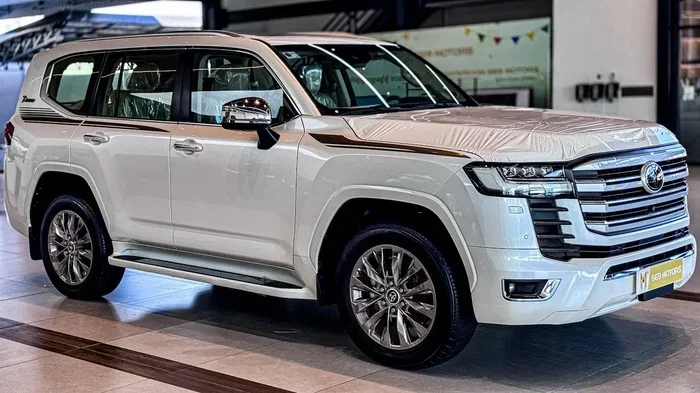
Visual guide about Toyota Land Cruiser luxury exterior
Image source: bits-postman-lab.in
This focus reduces ownership stress. A dependable SUV needs fewer unexpected repairs. It also keeps running in places where help may be far away. That peace of mind has real value. It explains why many buyers see the Land Cruiser as an investment rather than a simple purchase.
Real-World Testing and Global Use
Toyota validates the Land Cruiser in many markets. The vehicle must handle long highway drives, city traffic, and remote terrain. Engineers study how components age under heat, vibration, and moisture. They adjust designs when problems appear. That process improves durability, but it also adds development cost.
Global use creates another advantage. Parts and service knowledge spread across regions. Owners in different countries benefit from shared repair experience. This wide support network strengthens trust. It also supports the higher initial price because buyers know the SUV has a dependable future.
Long-Term Ownership Costs
Upfront price is only one part of the story. Ownership costs matter over time. The Land Cruiser often needs fewer major repairs than less robust competitors. Strong build quality can reduce wear on critical systems. Fuel economy may not lead the class, but the vehicle usually delivers consistent performance.
Maintenance still matters. Owners should follow service schedules and use proper fluids. Regular checks keep the drivetrain and suspension in good shape. When cared for well, the Land Cruiser can remain practical for many years. That long service life helps justify the initial expense.
Luxury Features and Comfort Add to the Cost
Modern Land Cruiser models blend toughness with comfort. Higher trims bring in premium infotainment, driver aids, and refined cabin details. These features improve daily driving and long trips. They also move the SUV closer to luxury pricing. Buyers who want a polished interior should expect to pay more.
Safety technology plays a big role too. Modern vehicles use cameras, radar, and control modules to support braking, lane keeping, and collision warning. These systems require careful calibration and quality hardware. The Land Cruiser includes many of these tools to protect families and travelers. That technology increases the price, but it also improves confidence.
Interior Quality and Technology
The cabin focuses on comfort and usability. Seats support long journeys. Controls stay easy to reach. Higher levels of equipment add better audio, navigation, and connectivity. These features make the SUV feel more upscale. They also reflect the target buyer who wants both capability and comfort.
Space matters as well. The Land Cruiser usually offers room for passengers and cargo. Practical storage helps with gear, luggage, and daily items. A well-planned interior adds value because it works for commuting, family travel, and outdoor trips. That versatility supports the premium price.
Safety and Driver-Assistance Systems
Safety features help justify the cost for many families. Automatic emergency braking, lane support, and blind-spot monitoring can reduce risk. These tools do not replace careful driving, but they add a useful layer of protection. Toyota includes them across many trims to meet modern expectations.
Advanced safety hardware requires sensors, software, and regular updates. That complexity raises production costs. It also improves the driving experience when the systems work well. Buyers often accept the added expense because safety matters in daily life and remote travel alike.
Resale Value and Brand Reputation
Price is easier to accept when the vehicle holds value. The Land Cruiser often keeps a strong resale position. Buyers know the model has a reputation for durability and dependable performance. That reputation creates demand in the used market. Higher demand can support better trade-in values.
Brand trust also matters. Toyota has a long history of building practical vehicles. Many buyers associate the company with low drama and long service life. That image helps the Land Cruiser stand out. People may pay more because they expect fewer headaches over time.
Why Depreciation Is Lower Than Many SUVs
Depreciation depends on demand, reliability, and perception. The Land Cruiser benefits from all three. It serves a clear purpose for buyers who need toughness and comfort. It also carries a strong global image. When a vehicle fits many uses and keeps a solid reputation, it usually loses less value.
This matters for long-term budgeting. A higher purchase price can feel less painful if the SUV retains more of its worth. Owners who plan to sell or trade later often appreciate that benefit. It does not erase the initial cost, but it softens the financial impact.
Comparing the Land Cruiser to Other Toyota Models
Not all Toyota vehicles cost the same. The Land Cruiser sits above many mainstream models because it targets a different job. A sedan or compact SUV usually focuses on city driving and lower price. The Land Cruiser focuses on strength, range, and rugged comfort. That difference changes the parts list and the price.
If you want a simpler Toyota option, you may look at other models. For example, some buyers compare the Land Cruiser with more affordable SUVs or sedans. Others explore Toyota trucks and crossovers for daily use. The right choice depends on your needs, budget, and driving conditions.
You can read more about Toyota lineup questions such as Is A Land Rover A Toyota, What Is A Toyota Prerunner Pickup, and What Is A Prerunner Toyota. These topics help show how Toyota serves different buyers with different price points.
When a Less Expensive Toyota Makes More Sense
The Land Cruiser is not the best fit for everyone. If you mostly drive on paved roads and want lower costs, a smaller Toyota may work better. A compact SUV or sedan can offer easier parking, better fuel economy, and a lighter sticker shock. The key is matching the vehicle to your real use.
Buying the most capable Toyota is not always necessary. Many drivers only need reliable daily transport. In that case, a simpler model may deliver better value. The Land Cruiser makes sense when you need its special strengths. Otherwise, you may pay for features you rarely use.
Who Should Buy a Toyota Land Cruiser?
This SUV fits buyers with specific priorities. It suits families who travel often, people who live in rough-road regions, and owners who want one vehicle for many roles. It also appeals to buyers who value long-term dependability over the lowest upfront price. If you plan to keep the vehicle for years, the cost can feel more reasonable.
Think about your actual needs before buying. Ask yourself how often you tow, travel, or drive on uneven surfaces. Consider cargo space, passenger comfort, and service access in your area. The Land Cruiser works best when its strengths match your lifestyle.
Quick Tips Before You Buy
- Define your use: Decide whether you need true off-road ability or mostly highway comfort.
- Check trim levels: Compare features carefully so you do not overpay for options you will not use.
- Estimate total cost: Look beyond the sticker price and include insurance, fuel, and maintenance.
- Test the size: Make sure the SUV fits your garage, parking spots, and daily maneuvering needs.
- Verify service support: Confirm that local repair shops can service the model easily.
Common Mistakes to Avoid
- Buying for image alone: Paying for capability you never use can waste money.
- Ignoring fuel costs: A larger SUV can cost more to run every week.
- Skipping test drives: Size, ride feel, and visibility matter in real life.
- Overlooking resale plans: Your future trade-in value can affect the real cost.
- Forgetting ownership space: A bigger vehicle may need more storage and turning room.
Final Thoughts on the Price Tag
The Toyota Land Cruiser costs more because it delivers a rare mix of toughness, comfort, and long-term reliability. Toyota builds it with stronger materials, advanced drivetrain systems, and careful testing. Higher trim levels add luxury and safety features that raise the price further. Strong resale value and brand trust also support the premium.
That does not mean the Land Cruiser is the right choice for every buyer. It is best for people who need its strengths and plan to keep it for a long time. If your daily driving stays simple, a smaller Toyota may suit you better. But if you want a capable SUV that can handle hard use and still feel refined, the price starts to make sense.
In the end, the Toyota Land Cruiser is expensive because it aims for endurance, not economy. Buyers pay for confidence, versatility, and a vehicle built to last. When you understand that goal, the price becomes easier to explain.
Frequently Asked Questions
Why does the Toyota Land Cruiser cost more than other SUVs?
The Toyota Land Cruiser uses stronger materials, more capable drivetrain systems, and extensive testing for tough conditions. These choices raise production costs, but they also improve durability and long-term dependability.
Is the Toyota Land Cruiser worth the high price?
It can be worth it if you need rugged capability, long-term reliability, and strong resale value. If you mostly drive on paved roads and want the lowest cost, a smaller SUV may make more sense.
Does the Land Cruiser hold its value well?
Yes, it often keeps value better than many mainstream SUVs. Strong brand reputation, reliable performance, and steady demand in the used market help support resale prices.
What features make the Land Cruiser more expensive?
Higher trims add premium interiors, advanced safety systems, better infotainment, and refined comfort features. The four-wheel-drive hardware and reinforced construction also add cost.
Is the Toyota Land Cruiser good for daily driving?
It can be comfortable for daily use, but it is larger and often less fuel-efficient than smaller SUVs. It works well for families and long trips, especially if you value durability and space.
Are maintenance costs higher for the Land Cruiser?
Not necessarily. The vehicle is built for durability, so major repairs may be less frequent when it is maintained properly. Still, parts, tires, and fuel can cost more because of its size and capability.