
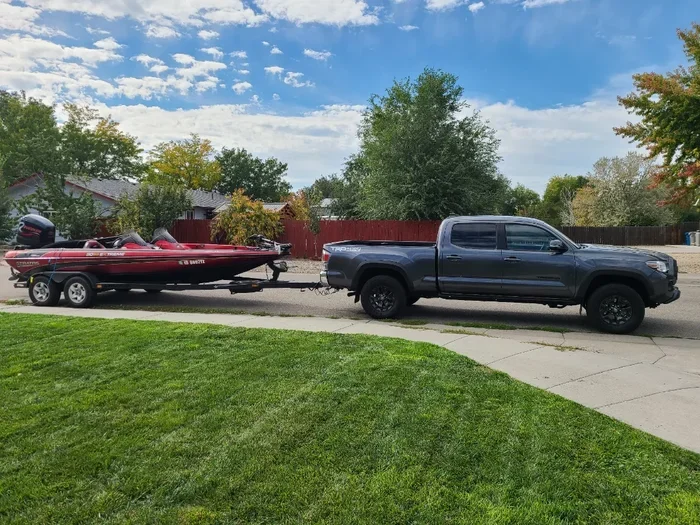
Thinking about hauling your watercraft? Many owners ask, will a Toyota Tacoma pull a boat safely and efficiently. The short answer is yes, but you need to know your specific truck’s limits. Towing capacity varies by engine, cab size, and drivetrain. This guide breaks down everything you need to know before you hook up.
Key Takeaways
- Know Your Exact Capacity: Towing limits range from 3,500 to 6,800 lbs depending on your Tacoma’s configuration.
- Engine Matters Greatly: The i-FORCE 4-cylinder handles lighter loads, while the i-FORCE MAX hybrid offers better torque for heavier boats.
- Match Hitch to Task: Choose between weight-carrying and weight-distributing hitches based on your boat’s size and tongue weight.
- Respect Payload Limits: Your truck’s payload capacity often limits towing more than the engine does, especially with heavy gear and passengers.
- Safety First: Always use proper towing equipment, check brakes, and practice driving with a trailer before hitting the highway.
- Legal Requirements: Some states require trailer brakes above certain weights, so check local laws before towing.
- Regular Maintenance: Towing puts extra stress on your truck, so follow strict maintenance schedules to keep your Tacoma reliable.
📑 Table of Contents
- Will a Toyota Tacoma Pull a Boat? Understanding the Basics
- Towing Capacity Numbers: Will a Toyota Tacoma Pull a Boat?
- Choosing the Right Hitch for Your Tacoma
- Boat Weight and Tongue Weight Considerations
- Safety Tips for Towing a Boat with a Tacoma
- Maintenance and Long-Term Reliability
- Key Takeaways for Tacoma Boat Towing
Will a Toyota Tacoma Pull a Boat? Understanding the Basics
So you bought a boat. Congratulations! Now you need a way to get it to the lake. Many truck owners wonder will a Toyota Tacoma pull a boat without breaking a sweat. The Tacoma has built a solid reputation as a capable mid-size truck. It is tough, reliable, and ready for work. But towing a boat is different from hauling lumber.
Boats come in all shapes and sizes. A small fishing dinghy is very different from a large ski boat. You need to match your truck to your vessel. The Tacoma can handle many boats, but it is not a heavy-duty hauler. Knowing the limits keeps you safe. It also protects your truck from unnecessary wear.
In this guide, we will walk through everything. We will look at engine specs and towing numbers. We will talk about hitches and safety chains. You will learn how to load your boat properly. By the end, you will feel confident behind the wheel. Let’s dive into the details.
What Is Towing Capacity?
Towing capacity is the maximum weight your truck can pull. This number comes from the manufacturer. It accounts for the engine, transmission, brakes, and frame strength. You should never exceed this limit. Doing so can damage your vehicle and put you at risk.
There is also a concept called payload capacity. This is the weight your truck can carry in the cabin and bed. Passengers, gear, and the boat tongue weight all count here. Often, payload is the real limiting factor. A heavy boat tongue can fill up your payload quickly. Always check your door jamb sticker for the exact number.
Why the Tacoma Is a Popular Choice
The Tacoma is a favorite for outdoor enthusiasts. It is smaller than a full-size truck. This makes it easier to park and drive daily. You do not feel like you are driving a semi-truck. Yet, it still offers serious capability. Many owners use their Tacomas for camping, hiking, and boating.
Toyota builds the Tacoma with durability in mind. The frame is strong. The suspension handles extra weight well. Parts are widely available. If something breaks, you can fix it easily. This reliability gives peace of mind on long trips to the water.
Towing Capacity Numbers: Will a Toyota Tacoma Pull a Boat?
Let’s get to the numbers. Will a Toyota Tacoma pull a boat of your size? The answer depends on your specific truck. Toyota offers different engines and cab styles. Each combination has a different rating. You need to know your setup.
Visual guide about Toyota Tacoma towing boat trailer
Image source: championautorental.com
Here is a general breakdown of towing capacities for recent Tacoma models:
Engine Options and Their Limits
The standard i-FORCE 4-cylinder engine is the base option. It is reliable and fuel-efficient. This engine typically handles boats up to 3,500 pounds. That covers many small to medium fishing boats. It also works for some lightweight ski boats.
The i-FORCE MAX hybrid adds an electric motor. This gives you more torque at low speeds. The hybrid system helps when starting from a stop. Towing capacity for the hybrid can reach up to 6,800 pounds in certain configurations. This opens up more boat options. You can tow larger cruisers with the right setup.
The turbo diesel option is also available in some markets. Diesel engines offer strong low-end torque. They are great for heavy towing. However, they come with a higher price tag. You need to decide if the extra power is worth the cost.
Cab and Drivetrain Differences
Your cab size matters too. A double cab with a longer bed often has a higher rating. The extra weight distribution helps stability. A regular cab might have a lower limit. Always check the specific rating for your model year.
Four-wheel drive usually reduces towing capacity slightly. The extra weight of the 4WD system takes up payload. However, 4WD is valuable if you boat in rough terrain. You might need it to navigate boat ramps or muddy roads. Weigh the trade-offs based on your needs.
Here is a quick comparison table to help you visualize the differences:
| Configuration | Approx. Towing Capacity | Best For |
|---|---|---|
| i-FORCE 4-Cyl, 2WD | 3,500 lbs | Small fishing boats, dinghies |
| i-FORCE 4-Cyl, 4WD | 3,500 lbs | Small boats, rough access roads |
| i-FORCE MAX Hybrid, 2WD | 6,800 lbs | Medium ski boats, larger cruisers |
| i-FORCE MAX Hybrid, 4WD | 6,800 lbs | Medium boats, off-road access |
Note: These numbers are approximate. Always verify with your owner’s manual or door sticker.
Choosing the Right Hitch for Your Tacoma
You cannot tow without a hitch. The hitch connects your boat trailer to your truck. Choosing the right one is critical for safety. A poor hitch can lead to sway or detachment. Let’s look at the options.
Weight-Carrying vs. Weight-Distributing Hitches
A weight-carrying hitch is the most common type. It works well for lighter loads. Most small boat trailers fall into this category. The hitch holds the tongue weight directly. This is simple and effective for lighter boats.
A weight-distributing hitch spreads the load across all axles. This is better for heavier boats. It reduces sag in the truck bed. It also improves steering and braking. If your boat is near the upper limit, consider this type. It adds stability on long highways.
Hitch Classes and Receiver Sizes
Hitches come in different classes. Class III and Class IV are common for the Tacoma. These usually have a 2-inch receiver. This size accepts most boat trailer balls. Make sure your trailer coupler matches the ball size.
You also need to check the gross towing rating of the hitch itself. The hitch must be rated for your boat’s weight. Do not buy a cheap hitch that cannot handle the load. Quality matters here. Look for brands with good safety records.
Installing the Hitch
You can install a hitch yourself if you have tools. Many people prefer a professional install. A shop ensures everything is torqued correctly. They can also check for frame damage. If you do it yourself, follow the instructions carefully. Use a torque wrench for all bolts.
After installation, test the hitch before towing. Check that the coupler locks securely. Make sure the safety chains are crossed. These chains catch the trailer if the hitch fails. They are your last line of defense.
Boat Weight and Tongue Weight Considerations
Knowing your boat’s weight is essential. The sticker on the boat often lists the dry weight. But you add gear, fuel, and water. This adds significant weight. A full tank of gas can weigh over 6 pounds per gallon. Water absorption in the hull also adds weight.
You must calculate the total weight. Add the boat, motor, trailer, fuel, and gear. This total must stay under your Tacoma’s limit. It is easy to underestimate. Weigh your setup at a scale if possible. This gives you a real number to work with.
Understanding Tongue Weight
Tongue weight is the downward force on the hitch. It should be about 7 to 10 percent of the total trailer weight. Too little tongue weight causes sway. The trailer can fishtail behind you. Too much tongue weight squats the truck rear. This hurts handling and braking.
You can adjust tongue weight by moving the boat on the trailer. Slide the boat forward or backward. Check the hitch height with a level. The trailer should be level when hitched. Use a tongue weight scale to measure accurately. This small step makes a big difference.
Trailer Types Matter
Bunk trailers are simple and affordable. They support the hull with carpeted boards. These are good for smaller boats. Roller trailers use wheels to support the hull. They are easier to launch in shallow water. Choose a trailer that fits your boat type.
Trailer brakes are another factor. Many states require brakes on trailers over 3,000 pounds. Electric brakes are common. They connect to your truck’s brake controller. Make sure your Tacoma has a brake controller installed. This improves stopping power significantly.
Safety Tips for Towing a Boat with a Tacoma
Towing changes how your truck drives. You need to adjust your habits. Safety should always come first. Here are some practical tips to keep you safe on the road.
Pre-Trip Inspection Checklist
Before every trip, do a quick check. Walk around the truck and trailer. Look for loose bolts or cracks. Check tire pressure on both truck and trailer. Underinflated tires can blow out under load. Inspect the lights on the trailer. Make sure turn signals and brake lights work.
Secure the boat on the trailer. Use tie-down straps from the boat to the trailer. Check that the winch strap is tight. The boat should not move when you push it. A loose boat can shift during transit. This causes damage and danger.
Driving Techniques
When you start driving, go slow. Acceleration takes longer with a heavy load. Give yourself more space in traffic. Avoid sudden lane changes. The trailer follows a wider path than the truck. You need to account for this swing.
Braking distance increases with a boat. Start braking earlier than usual. Use engine braking on downhills. This saves your brake pads. If your trailer has brakes, modulate them smoothly. Jerky braking can cause the trailer to push the truck.
Be careful on windy days. Crosswinds affect trailers more than trucks. Reduce speed if the wind is strong. Stay in the right lane when possible. This gives you room to handle gusts. Practice towing in a empty parking lot first. Get a feel for the handling before hitting the road.
Parking and Backing Up
Backing up a trailer takes practice. Turn the wheel opposite to the direction you want the trailer to go. Small adjustments work best. Use a spotter if you have one. They can guide you into tight spots. Boat ramps can be crowded. Patience helps avoid accidents.
When parking, chock the trailer wheels. This prevents rolling on slopes. Engage the trailer parking brake if it has one. Lower the boat gently into the water. Watch for obstacles under the water. Take your time during launch and recovery.
Maintenance and Long-Term Reliability
Towing puts extra stress on your Tacoma. Regular maintenance keeps it running strong. Pay attention to fluids and components. Catching issues early saves money later.
Fluids and Filters
Engine oil breaks down faster under load. Change your oil on schedule. Use the recommended viscosity for your engine. Check the transmission fluid regularly. Towing generates extra heat in the transmission. Some trucks have a tow/haul mode. Use this mode to adjust shift points. It protects the transmission during heavy use.
Coolant levels matter too. The engine works harder when towing. Make sure the cooling system is in good shape. Inspect hoses for leaks or cracks. Replace the coolant at the recommended intervals. Overheating is a real risk when pulling heavy boats up hills.
Brakes and Suspension
Your brakes take a beating. Inspect pad thickness often. Replace pads before they wear down to the metal. Rotors should be checked for warping. Towing generates high temperatures. Glazed pads reduce stopping power. Keep your braking system in top condition.
Suspension components also wear out. Leaf springs in the rear can sag over time. This affects tongue weight and handling. Check for cracks or fatigue in the springs. Shocks absorb extra bumps from the trailer. Replace worn shocks to maintain control. A smooth ride protects both you and your boat.
Common Mistakes to Avoid
Many new towers make the same errors. Avoid these pitfalls to stay safe. First, do not overload your truck. Respect the numbers on the door sticker. Second, do not ignore tire pressure. Heat builds up in underinflated tires. Third, do not skip the brake controller setup. Towing without trailer brakes is dangerous on heavy loads.
Another mistake is poor loading. Put too much weight on the hitch, and the truck squats. Put too little, and the trailer sways. Find the sweet spot. Also, do not forget to secure loose items in the bed. Tools or gear can fly out and cause accidents. Use tie-downs for everything in the truck bed.
Expert Insights on Towing
Experienced towers recommend practice. Find an empty lot and practice backing up. Get used to the extra length. Learn how your truck responds. Every truck feels different when hitched. Familiarity builds confidence.
Experts also suggest investing in quality gear. A good hitch and brakes are worth the cost. Cheap parts can fail when you need them most. Look for hitches with high ratings. Choose brake controllers with good reviews. Reliability is key when you are far from home.
Finally, plan your route. Some roads have steep grades. Hills put extra strain on your engine and brakes. Know where the steep sections are. Choose alternate routes if needed. Rest stops are important on long trips. Take breaks to check your setup. A quick inspection every few hours keeps everything secure.
Key Takeaways for Tacoma Boat Towing
Towing a boat with a Tacoma is a great option for many owners. The truck is capable, reliable, and easy to live with. You just need to respect the limits. Match your boat to your truck’s capacity. Use the right hitch and safety equipment. Practice safe driving habits. Maintain your truck regularly. Follow these steps, and you will enjoy many trips to the water.
Remember, will a Toyota Tacoma pull a boat is not just about power. It is about preparation and knowledge. Take the time to learn your setup. Your safety and your truck’s longevity depend on it. Happy towing and enjoy the lake!
Frequently Asked Questions
Can a Toyota Tacoma pull a large ski boat?
Yes, a Tacoma can pull many ski boats, especially with the i-FORCE MAX hybrid engine. You need to check the total weight of the boat, trailer, fuel, and gear. If the combined weight is under your truck’s towing capacity, you are good to go. Always verify the specific rating for your model year.
Do I need trailer brakes for my boat trailer?
Many states require trailer brakes on trailers over 3,000 pounds. Even if not required, brakes improve safety and stopping power. Electric brakes are common and work well with a brake controller in your Tacoma. Check your local laws and your boat’s total weight to decide.
How do I calculate tongue weight for my boat?
Tongue weight should be about 7 to 10 percent of the total trailer weight. You can measure it with a tongue weight scale or a standard bathroom scale. Adjust the boat’s position on the trailer to get the right number. Proper tongue weight prevents sway and improves handling.
Can I flat tow a boat with a Toyota Tacoma?
Flat towing a boat is not common. Boats are usually transported on trailers. Flat towing refers to pulling a vehicle with all wheels on the ground. If you mean towing a boat trailer, yes, you can do that with a hitch. Just ensure you follow all towing guidelines and weight limits.
What is the best hitch for towing a boat with a Tacoma?
A Class III or Class IV weight-carrying hitch works for most small to medium boats. For heavier boats near your truck’s limit, a weight-distributing hitch is better. Choose a hitch with a 2-inch receiver and a rating that exceeds your boat’s weight. Quality and proper installation matter most for safety.
How often should I maintain my Tacoma if I tow a boat regularly?
Towing increases wear on fluids and components. Change your engine oil and filter more frequently if you tow often. Check transmission fluid, coolant, and brake pads regularly. Inspect tires, suspension, and hitch components before each trip. Follow the severe service schedule in your owner’s manual for best results.