
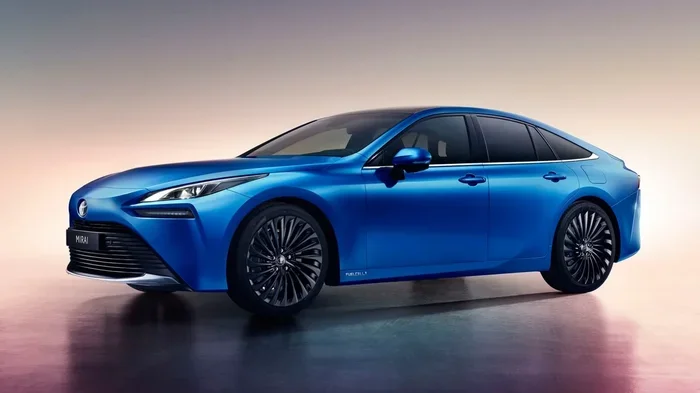
Why Toyota Mirai is so cheap comes down to a mix of niche market demand, heavy manufacturer incentives, and the unique costs of hydrogen fuel cell technology. While the sticker price looks attractive, the real ownership costs involve fueling, maintenance, and resale value. This guide breaks down every factor so you can decide if this hydrogen sedan fits your budget and lifestyle.
Key Takeaways
- Low sticker price: Toyota uses aggressive incentives and lease deals to move a limited-production hydrogen sedan.
- Fuel costs matter: Hydrogen prices vary widely, and fueling is often more expensive than gasoline per mile.
- Incentives help: Federal and state rebates can lower the effective cost, but availability depends on your location.
- Resale is uncertain: The used market for fuel cell vehicles is small, which affects long-term value.
- Practical limits: A limited hydrogen station network makes daily use easier in select regions only.
- Best fit: The Mirai works best for buyers in fueling-friendly areas who want a quiet, efficient sedan.
- Smart buying: Compare lease offers, fueling estimates, and service support before you commit.
📑 Table of Contents
- Why Toyota Mirai Is So Cheap: The Real Story
- 1. How Pricing Works for the Toyota Mirai
- 2. Why Toyota Mirai Is So Cheap Compared With Gas Cars
- 3. The Role of Incentives and Dealer Offers
- 4. Hydrogen Fuel Costs and the Pricing Puzzle
- 5. Reliability, Maintenance, and Long-Term Value
- 6. Is the Toyota Mirai Worth the Price?
- 7. Smart Buying Tips for a Low-Sticker Hydrogen Sedan
- 8. Final Thoughts on Toyota Mirai Pricing
Why Toyota Mirai Is So Cheap: The Real Story
If you have seen a Toyota Mirai with a surprisingly low price tag, you are not imagining things. The sticker price can look very attractive, especially when dealers offer strong incentives. But a low purchase price does not always mean cheap ownership. To understand the full picture, you need to look at how this hydrogen fuel cell sedan is priced, sold, and supported.
The Toyota Mirai sits in a very small niche. It is not a mass-market gasoline car. It uses a fuel cell system that combines hydrogen with oxygen to create electricity. That technology is fascinating, but it also comes with special costs and limits. Because of that, Toyota prices and promotes the Mirai differently from a typical sedan.
In this guide, we will explain why Toyota Mirai is so cheap on the lot, what hidden costs to watch for, and whether the deal is actually good for you. We will also cover fueling, incentives, reliability, and resale value so you can make a confident choice.
1. How Pricing Works for the Toyota Mirai
The first thing to know is that the Toyota Mirai is not priced like a regular commuter car. It is a limited-run vehicle with a specialized powertrain. That alone changes how dealers and manufacturers approach the price. Instead of aiming for huge sales volume, Toyota focuses on a smaller group of buyers who want hydrogen technology or live near fueling stations.
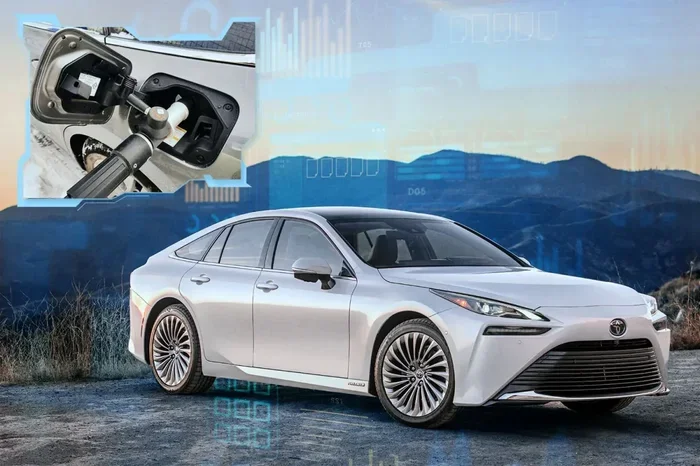
Visual guide about Toyota Mirai hydrogen car
Image source: insidehook.com
Because demand is narrow, Toyota often uses incentives to make the car easier to sell. These incentives can include lease support, purchase discounts, or bundled offers. When you see a low price, it may reflect a temporary promotion rather than a permanent market value. That is one big reason why Toyota Mirai is so cheap compared with many other new sedans.
Another factor is the technology itself. Fuel cell vehicles require expensive parts, careful engineering, and special service support. The upfront manufacturing cost is not low. So when the retail price looks appealing, it is often because the automaker is balancing technology costs with sales goals. In other words, the price tag is only one part of the story.
Retail Price vs. Real Ownership Cost
A low sticker price can be misleading if you only look at the purchase number. You also need to think about fueling, maintenance, insurance, and depreciation. A hydrogen fuel cell vehicle may have a competitive purchase offer, but the cost to keep it running can be different from a gasoline car.
For example, a buyer might focus on the monthly payment and ignore how much hydrogen costs in their area. That can create a surprise later. If you want a true comparison, look at the total cost of ownership, not just the initial discount.
2. Why Toyota Mirai Is So Cheap Compared With Gas Cars
When people ask why Toyota Mirai is so cheap, they often compare it with gasoline sedans. On the surface, the Mirai can seem competitively priced. But the comparison is not always simple. Gasoline cars benefit from huge production scale, widely available parts, and a large used market. The Mirai does not have the same ecosystem yet.
That difference matters. A gasoline sedan is easy to sell, easy to service, and easy to refuel almost anywhere. The Mirai is different because hydrogen fueling is still limited in many places. Since the buyer pool is smaller, Toyota may lower the entry price or offer stronger deals to attract interest.
There is also the branding angle. The Mirai is not just a car. It is a statement about future technology. For Toyota, moving these vehicles can help keep hydrogen momentum alive. Sometimes, that means the company is willing to be more flexible on price to get the car into the hands of real users.
What Makes the Mirai Different
The Toyota Mirai uses electricity, but not from a plug. It generates power onboard using hydrogen. That gives it a smooth, quiet drive and a different ownership experience. It also means the car has fewer traditional engine parts, but more specialized system components.
This difference affects price in several ways:
- Specialized parts: Fuel cell components are not as common as engine parts.
- Limited production: Smaller volumes can change pricing strategy.
- Niche buyers: The car is aimed at a specific audience, not everyone.
- Incentive driven sales: Deals can make the car look cheaper than it would be without promotions.
3. The Role of Incentives and Dealer Offers
Incentives play a huge role in the final price. If you are wondering why Toyota Mirai is so cheap right now, a big part of the answer may be a promotional offer. Automakers sometimes support hydrogen vehicles with extra value because they want to encourage adoption. That support can appear as lower monthly payments, reduced down payments, or special lease terms.
Dealer offers can also vary by region. In areas with more hydrogen stations, the Mirai may be easier to sell, so pricing can be more competitive. In other areas, dealers may be less eager to stock it, and the deal structure may change. That means the same vehicle can look very different depending on where you shop.
It is smart to ask what is included in the offer. Sometimes a low price is tied to a short-term campaign. Sometimes it includes service support or fuel credits. Those details matter because they affect the real cost over time.
Questions to Ask Before You Buy
Before you jump at a low price, ask a few practical questions:
- Is the discount part of a limited-time promotion?
- Are there lease restrictions or mileage limits?
- Does the offer include any fuel-related incentives?
- What is the expected cost of hydrogen in my area?
- How soon will the vehicle need service, and where will that happen?
4. Hydrogen Fuel Costs and the Pricing Puzzle
A major piece of the pricing puzzle is fuel. Even if the Toyota Mirai has a low purchase price, hydrogen fuel can be expensive depending on where you live. Hydrogen is sold by the kilogram, and prices can change from one station to another. In some places, fueling costs are manageable. In others, they can make daily driving more expensive than expected.
This is why the question why Toyota Mirai is so cheap should also include a question about operating cost. A cheap car that costs a lot to fuel may not feel cheap after a few months. The total expense depends on how far you drive, how often you refuel, and how many stations are near you.
Hydrogen pricing can also be influenced by station availability, local demand, and operating costs for the station itself. If there are only a few stations nearby, prices may be less competitive. If there is strong infrastructure, fueling may be easier and more predictable.
How to Estimate Fuel Cost
A simple way to think about fuel cost is to compare it with gasoline or electricity on a per-mile basis. You do not need a complicated formula to get a rough idea. Just look at:
- The local hydrogen price per kilogram
- Your expected miles driven per month
- The car’s fuel efficiency in real-world use
- How often you can reach a station without detours
If those numbers work in your favor, the Mirai can fit your budget. If not, the low purchase price may not tell the full story.
5. Reliability, Maintenance, and Long-Term Value
People often assume that a low price means lower quality, but that is not always true. The Toyota Mirai has been built with a focus on durability and a smooth driving experience. Still, the long-term value depends on how the fuel cell system holds up over time and how easy it is to service.
Maintenance for a fuel cell vehicle can be different from a gasoline car. There is no traditional engine combustion, but there are still system checks, filters, and other components that need attention. Service availability matters a lot. If you live far from a qualified dealer or service center, ownership can become less convenient.
Resale value is another important part of the equation. Because the used market for hydrogen vehicles is small, depreciation can be unpredictable. A low new-car price does not guarantee a strong resale price later. If you plan to sell or trade in the vehicle, you should think about how many buyers might want it in the future.
Why Durability Still Matters
Even with incentives and a competitive price, a car still needs to last. Toyota has a reputation for building dependable vehicles, and the Mirai benefits from that mindset. But durability is not just about the brand. It is also about how the vehicle is used, how often it is serviced, and whether the fueling system supports everyday driving.
If you are comparing the Mirai with other reliable sedans, it helps to look at the full ownership experience. You may also want to read comparisons about long-term dependability in popular models, such as how many miles a Toyota Camry is good for, so you can see how conventional Toyota sedans hold up over time.
6. Is the Toyota Mirai Worth the Price?
The final question is simple: is the Toyota Mirai worth it? The answer depends on your priorities. If you want a quiet, modern sedan and you live near hydrogen fueling, the low price can be a strong advantage. If you need a car that can travel anywhere without fuel planning, the Mirai may be less practical.
The best value often comes from matching the car to the lifestyle. For some buyers, the deal is attractive because the monthly cost is low and the driving experience feels premium. For others, the fueling logistics outweigh the savings. That is why why Toyota Mirai is so cheap is really a question about fit, not just price.
If you want a broader view of how Toyota products are positioned in the market, you may also find it useful to explore topics like why Toyota lasts so long. That kind of background can help you understand how the company approaches durability and customer trust across different models.
Who Should Consider the Mirai
The Mirai makes the most sense for buyers who:
- Live close to reliable hydrogen stations
- Want a smooth, electric-like driving feel without plugging in
- Can take advantage of incentives or lease support
- Are comfortable with a niche vehicle and limited resale market
- Plan to keep the car for a set period rather than decades
Who May Want to Look Elsewhere
You may want a different option if:
- Hydrogen stations are far from your home or work
- You drive long distances often without a clear fueling plan
- You want a strong used-car market and easy resale
- You prefer the simplicity of gasoline or a plug-in option
7. Smart Buying Tips for a Low-Sticker Hydrogen Sedan
If you decide the Toyota Mirai is right for you, a few smart steps can help you get the best deal. First, compare offers carefully. A low price is only a good deal if the terms are fair and the fueling costs make sense for your routine.
Second, check the local hydrogen market before you sign anything. Prices can vary, and station access can change your daily experience a lot. A cheap car becomes expensive quickly if you must drive far every time you need fuel.
Third, think about service support. Make sure you know where maintenance will happen and how easy it is to schedule. A smooth ownership experience depends on more than the purchase discount.
Common Mistakes to Avoid
- Focusing only on the sticker price
- Ignoring hydrogen fuel availability in your area
- Assuming resale value will be strong
- Overlooking lease terms and mileage limits
- Buying before confirming service support nearby
8. Final Thoughts on Toyota Mirai Pricing
So, why Toyota Mirai is so cheap? In many cases, it comes down to incentives, niche demand, and a pricing strategy designed to make a specialized vehicle more accessible. The low price can be real, but it should be viewed alongside fuel costs, service support, and long-term value.
If you live in the right area and want a unique hydrogen sedan, the Mirai can be an interesting choice. If you need maximum flexibility and simple refueling, a different vehicle may suit you better. Either way, the smartest move is to look beyond the price tag and understand the full ownership picture.
Frequently Asked Questions
Why is the Toyota Mirai priced lower than many gas sedans?
The Toyota Mirai often has a lower sticker price because it is a niche vehicle with limited production and strong manufacturer incentives. The price may also reflect promotional offers designed to encourage hydrogen adoption.
Does a cheap Toyota Mirai mean low quality?
Not necessarily. A low price can come from incentives, lease support, or market strategy rather than poor build quality. The Mirai still uses a specialized fuel cell system and Toyota’s usual attention to durability.
Are hydrogen fuel costs high for the Mirai?
Hydrogen costs can vary a lot by region and station. In some areas, fueling is manageable, while in others it may cost more per mile than gasoline. It is important to check local prices before buying.
Is the Toyota Mirai a good choice if I live far from hydrogen stations?
Probably not. The Mirai works best when you have convenient access to hydrogen fueling. If stations are far away, the car can become inconvenient and more expensive to use regularly.
Will the Toyota Mirai hold its value well?
Resale value can be uncertain because the used market for hydrogen vehicles is small. A low new-car price does not always mean strong future value, so it helps to think about how long you plan to keep it.
Should I buy or lease a Toyota Mirai?
That depends on your goals and the current offers. Leasing can make sense if you want lower upfront costs and flexibility, while buying may suit someone who plans to keep the car longer. Compare the total cost, fuel access, and service support before deciding.