
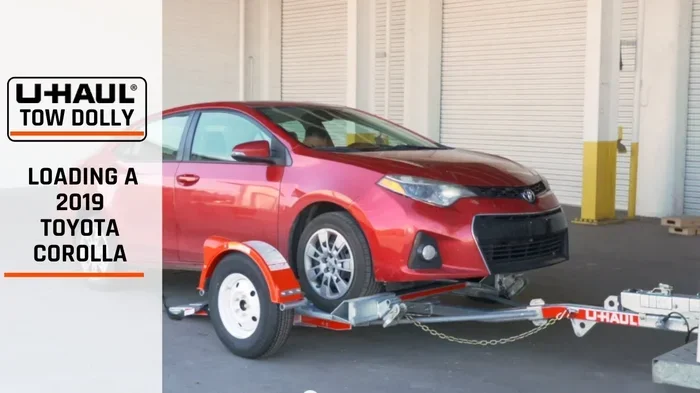
Can a Toyota Corolla tow small loads? Yes, but you must stay within strict limits. The Corolla handles light trailers and small cargo safely when you follow the manufacturer guidelines. Always check your specific model year, engine type, and local regulations before hitching up. Proper prep keeps your ride smooth and your passengers secure.
Many drivers ask the same question when they need to haul something behind their daily driver. Can a Toyota Corolla tow small items without causing damage or safety risks? The short answer is yes, but only within strict limits. This compact sedan shines in fuel economy, city driving, and everyday commuting. It was never built to pull heavy loads. Still, it can handle light tasks when you prepare correctly.
Understanding your vehicle’s limits protects your investment and keeps everyone on the road safe. Towing stretches the engine, brakes, and suspension beyond normal use. When you respect the manufacturer’s guidelines, you avoid costly repairs and stressful driving situations. This guide breaks down the official ratings, safety steps, and real-world advice you need. You will learn exactly what your Corolla can handle and how to do it right.
Key Takeaways
- Official Towing Limit: Most Toyota Corolla models are rated to tow around 1,000 to 1,500 pounds, depending on the year and drivetrain.
- Factory Rating Matters: Never exceed the manufacturer’s specified towing capacity, as it affects braking, suspension, and engine health.
- Light Loads Only: The Corolla works best for small utility trailers, bike racks, or compact cargo carriers, not heavy boats or campers.
- Proper Equipment Is Essential: Use a quality hitch, trailer brakes if required, and correct tire pressure to maintain control on the road.
- Driving Adjustments Help: Allow extra stopping distance, avoid sharp turns, and drive slower when towing to keep the vehicle stable.
- Check Your Owner’s Manual: Towing specs vary by model year, so always verify the exact rating for your specific Corolla before hauling.
- Regular Maintenance Supports Towing: Keep up with oil changes, brake checks, and suspension inspections to handle extra stress safely.
📑 Table of Contents
Understanding the Official Towing Capacity
Every vehicle comes with a manufacturer-specified towing limit. For the Toyota Corolla, that number sits on the lower end of the spectrum. Most recent model years rate the Corolla between 1,000 and 1,500 pounds when properly equipped. Some older models or front-wheel-drive variants may list even lower numbers. The exact figure depends on your engine, transmission, and trim level.
You should always check your owner’s manual first. The manual lists the precise towing rating for your specific vehicle. It also explains any required equipment, such as a class I or class II hitch. Never guess or assume your Corolla can pull more than stated. Exceeding the limit puts stress on critical systems and voids safety margins.
Why the Rating Stays Low
The Corolla uses a lightweight unibody construction. This design saves weight and improves fuel efficiency. It also means the frame and suspension are not built for heavy downward force. A heavy trailer pushes down on the hitch, which changes how the front and rear tires grip the road. Light ratings keep the vehicle balanced and predictable.
The engine and transmission also play a role. The Corolla’s four-cylinder engine delivers smooth power for daily driving. It lacks the extra torque found in trucks or large SUVs. Pulling heavy loads forces the engine to work harder, especially on hills or in hot weather. Staying within the rating protects your drivetrain and keeps performance steady.
Model Year Differences to Watch
Towing specs can shift slightly between generations. Newer Corollas often include updated suspension tuning and stronger cooling systems. These improvements help with light hauling, but they do not dramatically raise the limit. Some trims may also differ in rear axle strength or hitch mounting points. Always verify the exact year and trim before planning a trip.
If you recently bought a used Corolla, review the original window sticker or dealer records. These documents often list the factory towing rating. You can also contact a Toyota dealership with your VIN to confirm the spec. Getting the right number takes just a few minutes and saves you from risky guesswork.
What the Corolla Can and Cannot Tow
Knowing the limit is only half the battle. You also need to understand what kinds of loads fit safely within that range. The Corolla works well for small, lightweight trailers and simple cargo setups. It does not suit heavy boats, large campers, or anything that requires serious pulling power.
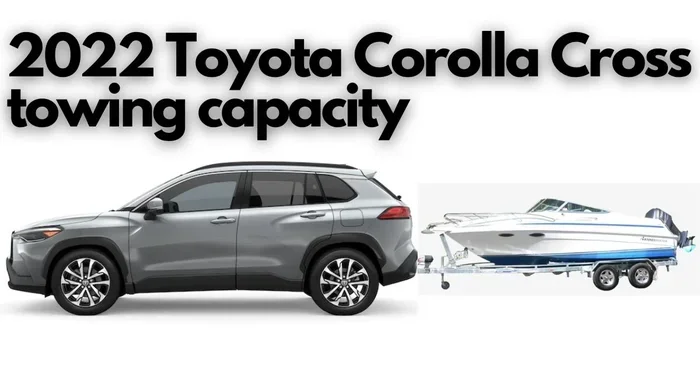
Visual guide about Toyota Corolla towing
Image source: thecartowing.com
Think of the Corolla as a helper for light tasks. It can move gear from one place to another when the load stays modest. The key is to keep the total weight well below the ceiling. Leaving a comfortable buffer gives you better control and reduces strain on the vehicle.
Good Candidates for Light Towing
Several common loads fall within the safe zone for a Corolla. These items usually stay light, compact, and easy to secure. Examples include:
- Small utility trailers: Open trailers used for yard tools, light materials, or weekend projects often stay under the limit.
- Bike or gear racks: Rear-mounted racks with bicycles or light camping gear add minimal weight and keep the center of gravity low.
- Compact cargo carriers: Enclosed haulers for small boxes, sports equipment, or seasonal items can work when packed lightly.
- Light personal trailers: Small teardrop-style campers or miniature travel setups may fit if the total weight remains conservative.
Each of these options works best when you pack smart. Distribute weight evenly and avoid stacking heavy items at the back. A balanced load keeps the trailer stable and reduces sway.
Loads to Avoid
Some items simply do not match the Corolla’s design. Steer clear of anything that pushes the total weight near or above the limit. Avoid these common mistakes:
- Large boats and trailers: Even small boats with heavy motors and gear can quickly exceed safe limits.
- Big campers or travel trailers: These setups usually demand stronger frames, bigger engines, and upgraded brakes.
- Heavy construction loads: Gravel, dirt, lumber, and dense materials add weight fast and shift during travel.
- Overloaded utility trailers: Packing a small trailer with too much cargo creates the same risk as using a larger one.
If you are unsure about a specific load, weigh it before hitching up. A simple trip to a local scale gives you a clear number. That quick check prevents oversized stress on your Corolla.
Essential Towing Equipment and Setup
The right equipment makes light towing safer and smoother. A proper hitch, correct wiring, and good tires form the foundation. Skipping quality parts or rushing the setup increases risk. Take time to choose components that match your Corolla’s rating and your load’s needs.
Start with the hitch itself. Most Corollas use a class I or light class II receiver hitch. These hitches keep the connection secure while staying within the vehicle’s limits. Never install a hitch that promises more capacity than your Corolla can handle. The weakest link in the setup determines your true limit.
Hitch Selection and Installation
Choose a hitch that matches the factory rating and your usual cargo. Look for a sturdy receiver, solid mounting brackets, and clear weight labels. Professional installation helps ensure the hitch sits correctly and the wiring connects properly. If you install it yourself, follow the instructions closely and double-check every bolt.
Also consider the ball mount and coupler size. Match the ball size to the trailer coupler for a tight fit. A loose connection causes sway and uneven wear. Use a safety chain that crosses under the tongue and stays short enough to control the trailer if the hitch fails.
Tires, Brakes, and Lighting
Tires matter more than many drivers realize. Check the sidewall for the recommended pressure and load range. Inflate to the proper level before towing, and inspect tread depth and overall condition. Underinflated tires run hotter and reduce control, especially when carrying extra weight.
Brakes also need attention. The Corolla’s standard brakes handle everyday stops well, but a trailer adds momentum. Some light trailers include their own brakes, and certain states require them above a specific weight. If your trailer has brakes, make sure the controller and wiring work correctly. Test the brake lights, turn signals, and reflectors before every trip.
Quick Tips:
- Check tire pressure: Measure cold tires before loading and adjust to the recommended level.
- Test all lights: Walk around the setup and confirm brake, turn, and running lights function.
- Secure the load: Use straps or nets to keep cargo from shifting during travel.
- Inspect hitch parts: Look for cracks, rust, or loose bolts before each outing.
Safe Driving Techniques When Towing
Driving a Corolla with a light trailer requires a few adjustments. The extra weight changes acceleration, braking, and cornering. Small habits make a big difference in comfort and safety. Plan ahead, drive smoothly, and give yourself more space than usual.
Start by easing into acceleration. The Corolla’s engine does not need to roar to move a light load, but sudden throttle inputs can cause jerkiness. Apply power gradually, especially on hills or from a stop. Smooth inputs keep the trailer settled and reduce stress on the drivetrain.
Handling Speed and Distance
Speed affects every part of towing. Higher speeds increase trailer sway and lengthen stopping distance. Keep your pace moderate and stay well below the maximum highway limit when possible. Leave extra room between you and the vehicle ahead. This buffer gives you time to react if traffic slows suddenly.
Use engine braking on descents instead of riding the brakes. Downshift when needed to control speed without overheating the brake pads. Watch the temperature gauge and pull over if things feel unusually hot. Light towing should not push the Corolla into the red zone.
Turning and Backing Up
Wide turns help avoid clipping curbs or striking objects with the trailer. The trailer tracks inside your turning path, so give corners extra space. Practice in an empty lot before heading out if you are new to towing. Backing up takes patience and small steering corrections. Move slowly and watch the trailer’s angle rather than oversteering.
Common Mistakes:
- Driving too fast: Speed magnifies sway and reduces reaction time.
- Ignoring load balance: Poor packing causes instability and uneven tire wear.
- Skipping pre-trip checks: A quick inspection prevents avoidable problems on the road.
- Oversteering while backing: Large steering inputs make the trailer jack or swing wide.
Maintenance and Long-Term Considerations
Towing adds extra wear to several systems. Even light loads create more heat, more stress, and more frequent use of key components. A solid maintenance routine keeps your Corolla ready for the next job. Stay proactive rather than waiting for warning signs.
Oil changes matter more when you tow. The engine works harder and runs warmer, so fresh oil helps protect internal parts. Follow the recommended service intervals and consider shorter gaps if you tow often. Coolant levels, brake fluid, and transmission fluid also deserve regular checks. These fluids support safe operation under added strain.
Suspension and Alignment
The suspension absorbs bumps and keeps the tires planted. A trailer shifts the ride height slightly and can expose worn shocks or struts. If the Corolla bounces excessively or leans heavily in turns, have the suspension inspected. Alignment also matters because uneven tire wear affects handling and fuel economy.
Watch for signs of fatigue in the hitch area and mounting points. Look for cracks, rust, or loose hardware around the receiver. Catching small issues early prevents bigger problems later. A quick visual check before each trip takes only a moment and adds peace of mind.
When to Seek Professional Help
Some situations call for a mechanic’s eye. If you notice pulling to one side, unusual noises, or a drop in braking performance, schedule an inspection. A professional can also confirm that your hitch setup matches the vehicle’s rating and local rules. If you plan to tow regularly, ask about any model-specific recommendations that fit your Corolla’s year and trim.
Expert Insights:
- Stay conservative: Treat the rating as a ceiling, not a target. A lower actual load improves control.
- Plan your routes: Choose roads with gentle grades and avoid steep, winding passes when possible.
- Monitor weather: Wind and rain make towing less stable, so adjust your pace and timing.
- Keep records: Track maintenance and towing trips to spot patterns and stay ahead of service needs.
Real-World Scenarios and Final Thoughts
Most Corolla owners who tow do it for simple, practical reasons. You might move garden tools, carry bicycles to a trail, or haul a small camp setup for a weekend trip. In each case, the key is to keep the load light, balanced, and secure. The Corolla can do these jobs well when you respect its design and prepare properly.
Think through your typical tasks before buying a hitch or trailer. Match the equipment to the job, not to the maximum number on a label. A modest setup with good habits beats an aggressive setup with poor planning. You will enjoy smoother rides, less wear, and fewer headaches.
If you want to compare how other Toyota models handle hauling, you may find it helpful to read about Can A Toyota Tundra Tow A Fifth Wheel for a much heavier-duty option. For a midsize SUV perspective, check Can A Toyota Highlander Tow to see how a larger Toyota handles trailers. And if you simply want to keep your Corolla running strong for years, see How Long Can Toyota Corolla Last for practical longevity tips.
Safe towing comes down to preparation, patience, and respect for limits. Know your rating, pack smart, check your gear, and drive with extra care. Do that, and your Corolla can handle light towing tasks with confidence.
Frequently Asked Questions
How much can a Toyota Corolla tow?
Most Toyota Corolla models are rated to tow around 1,000 to 1,500 pounds, depending on the year and drivetrain. Always verify the exact figure in your owner’s manual or with a dealership using your VIN.
Can a Toyota Corolla tow a small trailer?
Yes, a Corolla can tow a small utility or cargo trailer as long as the total weight stays within the factory limit. Keep the load light, balanced, and properly secured for the best results.
Do I need trailer brakes for a Corolla tow?
Some light trailers do not require brakes, but local laws and trailer weight may change that rule. If the trailer has its own brakes, make sure the controller and wiring work correctly before you drive.
What hitch class works best for a Toyota Corolla?
A class I or light class II hitch usually fits the Corolla’s modest towing capacity. Choose a hitch that matches the vehicle’s rating rather than one that promises extra capacity you do not need.
Can I tow with a Toyota Corolla on a long trip?
You can tow on longer trips if the load stays light and you plan for extra stopping distance and moderate speeds. Frequent breaks, tire checks, and route planning help keep the journey safe and comfortable.
Will towing hurt my Toyota Corolla?
Towing within the official limit and with proper equipment should not cause harm. Exceeding the rating, ignoring maintenance, or driving aggressively can strain the engine, brakes, and suspension over time.