
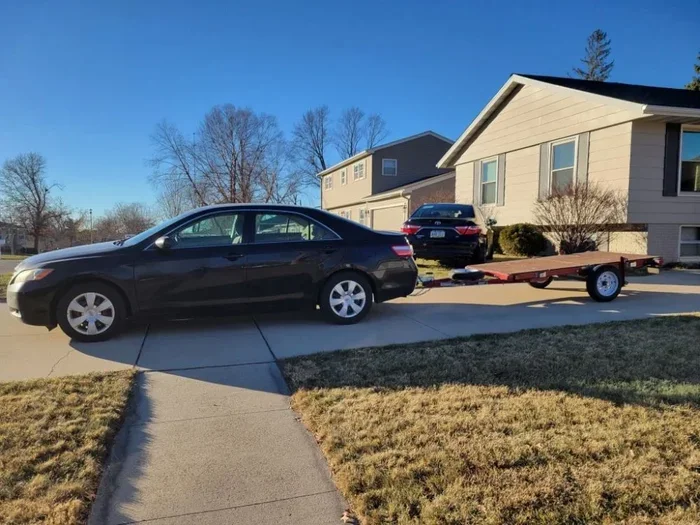
Yes, a Toyota Camry can pull a trailer, but you must stay within strict limits. Most models handle 1,000 to 1,500 pounds safely. You need the right equipment, proper weight distribution, and careful driving habits. Always check your specific model year and engine type before towing.
Key Takeaways
- Towing Capacity: Most Toyota Camry models are rated for 1,000 to 1,500 pounds of towing weight.
- Engine Matters: The V6 engine generally offers better towing performance than the four-cylinder option.
- Trailer Weight: Keep your loaded trailer under the rated limit to avoid stressing the engine and brakes.
- Equipment Needed: Install a proper hitch, wiring harness, and consider a weight distribution system.
- Driving Adjustments: Allow extra stopping distance, drive slower, and avoid sudden maneuvers.
- Safety First: Never exceed the manufacturer rating, and always check tire pressure and brake function.
- Best Uses: The Camry works well for small utility trailers, light cargo, and modest campers.
📑 Table of Contents
- Can a Toyota Camry Pull a Trailer
- Understanding the Toyota Camry Towing Capacity
- Engine Options and How They Affect Towing
- What Kind of Trailers Can a Camry Pull
- Essential Towing Equipment for a Toyota Camry
- Safety Tips for Towing with a Camry
- Common Mistakes to Avoid
- Final Thoughts on Towing with a Toyota Camry
Can a Toyota Camry Pull a Trailer
Many drivers ask this question when they need to move gear, haul light equipment, or take a small camper on a weekend trip. The short answer is yes, but you must be careful. A Toyota Camry is a sedan built for comfort, fuel economy, and daily driving. It is not a heavy-duty truck. That means towing requires respect for limits and smart planning.
You can safely tow small loads if you follow the manufacturer guidelines. The key is understanding your specific model, engine type, and the total weight of your trailer and cargo. When you stay within the rated range, the Camry can handle light towing tasks without major issues. This guide explains what you need to know, what to avoid, and how to tow with confidence.
Understanding the Toyota Camry Towing Capacity
The Toyota Camry towing capacity is not a single number for every car. It varies by model year, engine, drivetrain, and optional equipment. Most recent Camry models carry a rating between 1,000 and 1,500 pounds. That range is enough for small utility trailers, light cargo haulers, and modest personal gear.
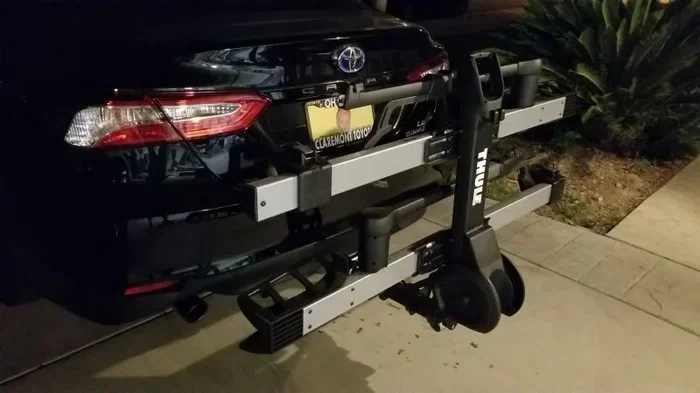
Visual guide about Toyota Camry towing trailer
Image source: images.etrailer.com
You should always check the owner manual or the manufacturer sticker for your exact vehicle. The rating reflects the maximum weight the car can pull safely under normal conditions. It includes the trailer weight plus everything you pack inside it. If you exceed that number, you risk reduced braking performance, extra strain on the engine, and faster wear on critical parts.
A few important points shape the real-world towing ability:
- Engine choice: The V6 option usually delivers more pulling power than the four-cylinder engine.
- Transmission type: Automatic transmissions are common in Camry models and generally handle light towing well.
- Drivetrain: Front-wheel drive is standard on most Camrys, which affects traction when the load is heavy.
- Model year: Newer designs often include updated cooling systems and stronger components.
If you want a broader view of how long these sedans stay reliable under regular use, you can read our guide on how many miles a Toyota Camry is good for. It explains what to expect from the car over time and why proper care matters.
What the Rating Really Means
The published towing number is a ceiling, not a target. You should aim well below it for everyday safety. A trailer that weighs 1,200 pounds when empty can quickly grow once you add tools, luggage, or camping gear. Always calculate the total loaded weight before you hook up.
This careful approach protects your brakes, transmission, and suspension. It also helps you maintain stable handling on the road. Light towing is very doable, but only when you treat the limit as a firm boundary.
Engine Options and How They Affect Towing
The engine under the hood plays a big role in towing behavior. The Toyota Camry comes with different powertrains, and each one responds differently to a trailer. A four-cylinder engine is efficient and smooth for daily commuting. It can still pull small trailers, but it may feel more strained on hills or during hard acceleration.
A V6 engine typically provides stronger low-end torque. That extra torque helps when you start from a stop with a load behind you. It also helps the car hold speed better on gentle grades. If you plan to tow occasionally, the V6 can feel more relaxed and confident.
Here is a simple comparison to illustrate the difference:
| Feature | Four-Cylinder Camry | V6 Camry |
|---|---|---|
| Typical towing comfort | Good for very light loads | Better for light to moderate loads |
| Acceleration with trailer | More gradual | More confident |
| Fuel economy while towing | Decent, but drops with load | Still reduced, yet often smoother |
| Best use case | Small utility trailers | Light cargo and modest gear hauls |
If you want to understand how the hybrid version works and whether it fits your needs, check our explanation of how does a Toyota Camry hybrid work. Hybrid models can be efficient, but you still need to confirm their towing rating before hauling anything.
Torque, Horsepower, and Real-World Feel
Torque helps you get moving. Horsepower helps you keep going. When towing, torque matters a lot at low speeds. That is why a V6 often feels easier when pulling a small trailer from a stoplight or merging into traffic. The four-cylinder can still do the job, but you may notice the engine working harder.
Real-world driving also depends on road conditions. Flat highways are easier than steep hills. Hot weather can affect engine heat. Stop-and-go traffic adds stress. If your route includes mountain roads or long climbs, choose the lightest possible load and keep your speed modest.
What Kind of Trailers Can a Camry Pull
A Toyota Camry can pull a trailer, but the type of trailer matters a lot. Small, light trailers are the best match. Think of compact utility trailers, light cargo carriers, and small personal haulers. These are the kinds of trailers that stay within the safe weight range and do not overwhelm the sedan’s design.
You should avoid large boats, heavy travel trailers, and big equipment haulers. Those setups are simply too heavy for a Camry. They can create unsafe braking distances, reduce stability, and place too much load on the drivetrain. If you need to move something substantial, a truck or a larger SUV is a better choice.
Good trailer choices for a Camry usually include:
- Small utility trailers: Great for tools, yard equipment, and basic cargo.
- Light personal trailers: Suitable for bikes, small gear, or occasional moves.
- Compact cargo trailers: Useful when the load stays modest and balanced.
If you are comparing other Toyota models for hauling needs, you may also find it helpful to read will a Toyota Tacoma pull a boat. That article explains how a more truck-oriented model handles watercraft and heavier loads.
Matching the Trailer to the Car
The best trailer is one that leaves a margin of safety. If your Camry is rated for 1,500 pounds, do not load it to the limit. Aim lower so you have room for gear, fuel, and unexpected weight changes. A lighter trailer is easier to control, easier to stop, and gentler on the car.
Also pay attention to trailer shape and aerodynamics. A boxy, tall trailer can create more drag. That means the engine works harder at highway speeds. A smaller, simpler trailer usually feels more stable and puts less stress on the car.
Essential Towing Equipment for a Toyota Camry
Towing is not just about horsepower and weight limits. You need the right equipment to connect the trailer safely and legally. A proper hitch is the first requirement. It must match your Camry’s frame and rating. Do not use a hitch that is too weak or poorly installed.
You also need a wiring harness so your trailer lights work with your car. Turn signals, brake lights, and running lights help other drivers understand your intentions. This is especially important when you are towing because your stopping distance is longer and your vehicle profile is larger.
Key equipment checklist:
- Class-appropriate hitch: Match the hitch to the trailer weight and your Camry’s rating.
- Safety chains: Cross them correctly to support the trailer if the hitch separates.
- Lighting connection: Make sure all trailer lights sync with the car.
- Tire check: Inspect trailer tires and Camry tires before every trip.
- Brake assessment: Confirm the car’s brakes are in good condition before hauling.
For more information on Camry maintenance and care, you can visit our page on how long Toyota Camry last. Keeping the car in strong condition is one of the best ways to support safe towing.
Hitch Installation and Fit
A hitch should be installed securely and checked regularly. Loose bolts or a poorly mounted receiver can create serious problems. If you are not sure about the installation, have a qualified shop handle it. A proper setup gives you peace of mind and helps the trailer stay connected smoothly.
Also consider the height of the hitch and the trailer coupler. The connection should be level when possible. A level setup improves handling and reduces tongue stress. If the trailer sits too high or too low, the ride can feel unstable.
Safety Tips for Towing with a Camry
Towing safely is about habits, not just numbers. The most important rule is to drive as if the load is heavier than it looks. A trailer changes how the car accelerates, turns, and stops. You need more space, more patience, and more attention.
Start by checking the total weight before you leave. Confirm that the trailer is loaded evenly. Heavy items should be placed over the axle area when possible. Secure everything so nothing shifts during the trip. A shifting load can make the trailer sway and make the car harder to control.
Practical safety habits:
- Leave extra stopping distance: Give yourself more room than usual.
- Drive at a moderate speed: Slower speeds improve control and reduce sway risk.
- Take turns wider: Trailers cut corners tighter than the car.
- Avoid sudden moves: Smooth steering and braking keep the setup stable.
- Monitor heat and performance: Watch for signs of strain on long climbs or in traffic.
If you ever wonder how the Camry handles everyday performance and speed, you can read how fast does a Toyota Camry go. That context helps you understand the car’s normal driving character before you add a trailer to the mix.
Stopping and Maneuvering with a Load
Stopping is the biggest change when towing. The added weight increases momentum, so your brakes must work harder. That is why you should begin braking earlier than normal. Gentle, steady pressure works better than hard, last-second stops.
Maneuvering also feels different. Backing up can be tricky because the trailer moves in the opposite direction of the car. Practice in an empty lot before you hit the road. A little rehearsal makes a big difference when you need to park or adjust position.
Common Mistakes to Avoid
Many towing problems come from simple mistakes. The good news is that most of them are easy to prevent. The most common error is ignoring the total loaded weight. People often remember the empty trailer weight and forget the cargo. That mistake can push the setup past the safe limit.
Another frequent mistake is poor load balance. If the weight is spread unevenly, the trailer can sway or pull unevenly. That makes the Camry work harder and can reduce stability. A balanced load is one of the easiest ways to improve safety.
Common mistakes list:
- Overloading the trailer: Exceeding the rating puts stress on the car.
- Ignoring tire condition: Old or underinflated tires increase risk.
- Skipping light checks: Broken trailer lights create confusion for other drivers.
- Driving too fast: Speed magnifies sway and braking challenges.
- Forgetting to secure cargo: Loose items can shift and change the trailer’s behavior.
If you want to learn more about Camry reliability and service habits, take a look at a 1 Toyota service department. Good service habits help keep the car ready for occasional towing and daily driving alike.
Quick Pre-Trip Checklist
Before every tow, run through a short checklist. It takes only a few minutes and can prevent big problems later. Check the hitch connection, safety chains, lights, tires, and load security. Make sure the trailer brakes, if equipped, are functioning properly. A quick review gives you confidence before you pull out.
Final Thoughts on Towing with a Toyota Camry
So, can a Toyota Camry pull a trailer? Yes, it can, as long as you keep the load light and stay within the rated limit. The Camry is not a tow rig built for heavy jobs, but it can handle small utility trailers and modest cargo hauls when you drive carefully. Respect the weight limit, use the right hitch and lights, and adjust your driving style for the extra load.
If you plan ahead and keep things balanced, light towing can be practical and safe. The key is to treat the Camry as a capable sedan with clear boundaries. Stay conservative, check your setup, and you can move gear or enjoy a small hauler without unnecessary risk.
Frequently Asked Questions
Can a Toyota Camry pull a small utility trailer?
Yes, a Toyota Camry can pull a small utility trailer as long as the total loaded weight stays within the car’s towing rating. Keep the load light, balance the cargo, and drive cautiously.
How much weight can a Toyota Camry tow safely?
Most Toyota Camry models are rated for about 1,000 to 1,500 pounds, but you should confirm the exact number for your model year and engine. Always count the trailer weight plus cargo, not just the empty trailer.
Is the Camry V6 better for towing than the four-cylinder?
Generally, yes. The V6 usually provides more torque and feels more confident when pulling a light trailer, especially on hills or during acceleration. The four-cylinder can still tow small loads, but it may work harder.
Do I need a special hitch to tow with a Camry?
Yes, you need a hitch that matches the Camry’s structure and the trailer’s weight. You should also use safety chains and a proper wiring connection for the trailer lights.
Can a Camry tow a boat or camper?
A Camry may tow a very small boat or tiny camper if the total weight is well below the limit, but larger boats and campers are not a good match. For heavier watercraft or travel setups, a truck or larger SUV is usually safer.
What driving changes should I make when towing with a Camry?
You should allow more stopping distance, drive at a moderate speed, take turns wider, and avoid sudden steering or braking. These habits help keep the trailer stable and reduce stress on the car.