

Toyota Camry owners often wonder about the real-world lifespan of this popular sedan. With proper care, most Toyota Camry models easily exceed 200,000 miles while maintaining strong performance. Understanding key factors like maintenance, driving habits, and model year differences helps you maximize your vehicle’s longevity.
Key Takeaways
- Exceptional Longevity: Most Toyota Camry models reliably reach 200,000 to 300,000 miles with routine maintenance.
- Maintenance Matters: Regular oil changes, fluid checks, and timely repairs significantly extend the Camry’s lifespan.
- Model Year Variations: Newer generations often feature improved engines and transmission durability compared to older versions.
- Driving Habits Impact Lifespan: Gentle acceleration, proper warm-up, and avoiding harsh conditions help preserve engine health.
- Common Issues Are Manageable: Minor problems like sensor failures or suspension wear rarely compromise overall longevity if addressed early.
- Cost-Effective Ownership: Low repair costs and high reliability make the Camry one of the most economical cars to keep long-term.
- Real-World Proof: Many owned Camrys surpass 300,000 miles, proving the brand’s reputation for lasting performance.
📑 Table of Contents
- How Long Does a Toyota Camry Last in Real-World Conditions
- Toyota Camry Lifespan by Model Generation
- Factors That Influence Toyota Camry Longevity
- Real-World Mileage Expectations for Toyota Camry
- Toyota Camry vs Other Sedans in Long-Term Reliability
- Tips to Maximize Your Toyota Camry Lifespan
- Common Mistakes That Shorten Toyota Camry Life
- Final Thoughts on Toyota Camry Longevity
How Long Does a Toyota Camry Last in Real-World Conditions
Many drivers ask the same question when shopping for a reliable sedan. How long does a Toyota Camry last really? The short answer is impressively long. Most owners report smooth operation well past 200,000 miles. Some even push past 300,000 miles with basic care. This reputation did not happen by accident. Toyota built the Camry with durability in mind. The engineering focuses on simple, proven components. Fewer complex parts mean fewer things to break. That design philosophy pays off over time.
Real-world data supports this track record. Mechanics frequently see Camrys arriving with high mileage still running strong. Fleet vehicles often keep running for years without major failures. Even older models show remarkable resilience when owners follow basic service schedules. The sedan avoids flashy gimmicks. Instead, it delivers consistent performance. That consistency builds trust. Buyers want a car that just works. The Camry delivers exactly that.
Understanding the lifespan requires looking at several factors. Mileage alone does not tell the full story. Maintenance history matters just as much. Driving conditions play a role too. Climate, road quality, and usage patterns all affect wear. A well-cared-for Camry in a mild climate often outlasts a neglected one in harsh conditions. Owners who treat the car well usually get more miles out of it. Simple habits create big differences over the years.
Toyota Camry Lifespan by Model Generation
Each generation brought improvements that boosted longevity. The sixth generation (2006-2011) introduced a more refined powertrain. Many of these models still run daily. The seventh generation (2012-2017) added better engine tuning and stronger suspension parts. Owners report fewer drivetrain complaints in this era. The eighth generation (2018-present) uses updated materials and smarter engineering. These newer models often show even better durability in early long-term tests.
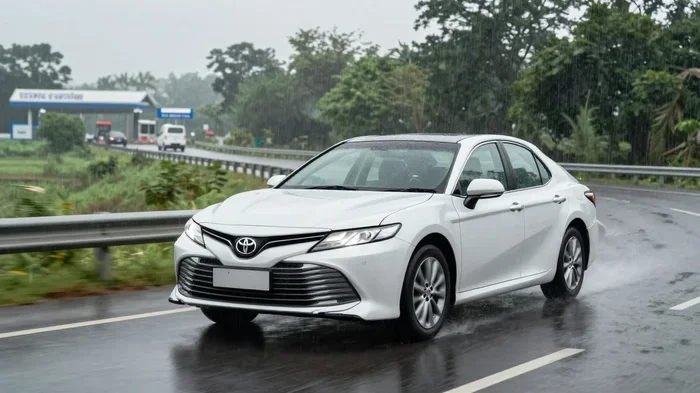
Visual guide about Toyota Camry highway driving
Image source: bkallied.in
Engine Options and Their Durability
The Camry offers several engine choices over the years. The standard four-cylinder engine remains the most common. It uses a straightforward design that handles stress well. The V6 option provides more power but adds complexity. Both engines can reach high mileage when maintained properly. The four-cylinder often edges out the V6 in long-term reliability simply because it has fewer moving parts. Less complexity usually means fewer failure points.
Transmission Reliability Over Time
Transmission health directly affects how long a Camry lasts. Older models used traditional automatic transmissions that proved very durable. Newer versions feature refined gearboxes with smoother shifts. Some drivers worry about transmission wear, but real-world data shows strong performance. Regular fluid changes keep the system running smoothly. Neglecting transmission service causes more problems than the design itself. Owners who follow service intervals rarely face major transmission issues.
Factors That Influence Toyota Camry Longevity
Several everyday choices shape the lifespan of your Camry. Maintenance tops the list. Regular oil changes keep the engine clean and lubricated. Fresh filters protect internal parts from debris. Tire rotations and brake checks also matter. A car that receives consistent care lasts longer than one that only gets fixed when something breaks. Preventive service saves money and extends life.
Driving style plays a huge role too. Hard acceleration puts extra stress on the engine and transmission. Frequent stop-and-go driving increases wear on brakes and drivetrain parts. Highway miles generally cause less wear than city miles. Short trips prevent the engine from reaching optimal temperature. That can lead to moisture buildup in the oil. Combining short trips or taking longer drives helps the engine stay healthy.
Environmental conditions also matter. Extreme heat can strain cooling systems. Cold weather makes fluids thicker and puts more load on the battery. Road salt accelerates rust on underbody components. Coastal air introduces salt and humidity that affect metal parts. Owners in harsh climates should wash the undercarriage regularly. Waxing the paint protects the body from corrosion. Small habits prevent big problems later.
Maintenance Schedule That Extends Life
Following the manufacturer schedule gives your Camry the best chance to last. Oil changes every 5,000 to 7,500 miles work well for most drivers. Synthetic oil offers better protection during extreme temperatures. Coolant flushes prevent overheating and corrosion. Brake fluid absorbs moisture over time, so replacing it every few years protects the braking system. Air filters should be checked and replaced when dirty. A clean engine breathes easier and runs more efficiently.
Transmission fluid deserves attention too. Many owners skip this service, but fresh fluid keeps gears and clutches working smoothly. Spark plugs wear out gradually and affect fuel economy. Replacing them on time maintains strong combustion. Belts and hoses age with heat and time. Inspecting them during routine service catches cracks before they fail. A proactive approach keeps small issues from becoming expensive repairs.
Real-World Mileage Expectations for Toyota Camry
Most mechanics agree that a well-maintained Camry easily reaches 200,000 miles. Many examples surpass that mark without major engine or transmission work. Some reach 250,000 miles with only routine service. A smaller group pushes past 300,000 miles. These high-mileage survivors usually share common traits. They received consistent oil changes. They used quality parts. They addressed warning signs early. They avoided pushing the car beyond its limits.
Fuel economy remains stable for a long time. A healthy Camry typically delivers strong mileage even at higher odometer readings. Engine wear happens gradually. Compression stays reasonable when oil changes stay on schedule. Exhaust systems may rust over time, but replacement is straightforward. Suspension components wear out around 100,000 to 150,000 miles depending on road conditions. Replacing struts or bushings restores comfort and handling. These repairs are normal and do not indicate a failing car.
Ownership costs stay low compared to many rivals. Parts are widely available. Most shops know how to service the Camry. Repair bills rarely spike unless neglect allowed small issues to grow. Insurance and registration costs also remain reasonable. These factors make long-term ownership practical. Many families keep their Camry for ten years or more. That kind of retention speaks to real-world durability.
Common Wear Items and When They Appear
Every car experiences normal wear. The Camry is no exception. Brake pads usually need replacement between 30,000 and 70,000 miles. Rotors may last longer or wear faster depending on driving habits. Tires typically last 40,000 to 60,000 miles. Battery life spans four to six years on average. Catalytic converters can fail after many miles, but this is less common on well-maintained engines. Suspension bushings and struts often need attention around 100,000 miles. None of these items signal a short lifespan. They represent normal upkeep.
Toyota Camry vs Other Sedans in Long-Term Reliability
Comparing the Camry to other popular sedans highlights its strengths. Many competitors offer similar features, but the Camry often edges them out in long-term dependability. The Honda Accord delivers strong performance and good mileage. It also lasts well when maintained properly. The Camry tends to show slightly fewer drivetrain complaints in high-mileage surveys. The Mazda6 offers engaging driving dynamics but may require more frequent suspension work over time. The Hyundai Sonata provides modern tech and warranty coverage, yet long-term ownership data still favors the Camry in many regions.
The difference often comes down to simplicity and parts availability. The Camry uses proven designs that mechanics understand well. That familiarity speeds up repairs and reduces errors. Widespread parts distribution keeps costs down. Owners also benefit from a large community of fellow Camry drivers. Forums and owner groups share practical advice. That collective knowledge helps people solve problems faster. These advantages add up over years of ownership.
Quick Comparison Table
Below is a simple look at how the Camry stacks up against common rivals in long-term ownership.
- Toyota Camry: Excellent long-term reliability, low repair costs, widely available parts, easy to service.
- Honda Accord: Strong reliability, good fuel economy, slightly more complex powertrain in some years.
- Mazda6: Engaging drive, stylish design, may need more suspension attention at high mileage.
- Hyundai Sonata: Modern features, strong warranty, long-term durability still catching up in some markets.
Tips to Maximize Your Toyota Camry Lifespan
Simple habits make a big difference. Start with consistent oil changes using the recommended grade. Check fluid levels monthly. Top off washer fluid, coolant, and brake fluid as needed. Listen for unusual noises and address them quickly. A small rattle or squeak often points to a fixable issue. Ignoring it can lead to bigger damage. Keep tires properly inflated. Correct pressure improves fuel economy and reduces drivetrain strain.
Use quality parts when replacing components. Cheap parts may save money today but fail sooner. Genuine or reputable aftermarket parts usually perform better. Follow the service schedule in your owner manual. That manual reflects the specific needs of your model year. Adjust intervals if you drive in severe conditions. Severe conditions include frequent short trips, extreme temperatures, towing, and dusty roads. More frequent service protects the car under those demands.
Store the car wisely if possible. Park in a garage to reduce exposure to sun, rain, and temperature swings. Wash the exterior regularly to remove dirt and road salt. Clean the interior to prevent stains and odors. A well-kept car often receives better care from its owner. That attention creates a positive cycle. The car stays in better shape, and the owner feels motivated to keep it that way.
Expert Insights on High-Mileage Camry Ownership
Experienced technicians often share the same advice. They see the difference between neglected cars and well-cared-for ones. The well-cared-for Camrys usually run smoothly well past expectations. The neglected ones develop cascading problems. One small failure leads to another when owners delay service. Experts recommend keeping a simple maintenance log. Writing down oil changes, tire rotations, and repairs helps track patterns. That record also boosts resale value. Buyers appreciate clear history.
Experts also stress the value of addressing warning lights promptly. A check engine light does not always mean a major failure. Sometimes it points to a loose gas cap or a sensor issue. Other times it signals a fuel or emissions problem. Either way, early diagnosis prevents guesswork. Waiting too long turns minor faults into expensive repairs. Quick action preserves the engine and saves money.
Common Mistakes That Shorten Toyota Camry Life
Several avoidable mistakes cut short the lifespan of an otherwise durable sedan. Skipping oil changes is the most common error. Old oil loses its protective properties. Sludge can form and restrict flow. That stress damages internal parts over time. Another mistake involves ignoring strange sounds or vibrations. Early signs often point to worn brakes, loose belts, or failing sensors. Waiting until the car breaks down usually costs more.
Using the wrong fluids also causes problems. The wrong oil viscosity can reduce protection. Incorrect coolant can harm the cooling system. Mixing incompatible brake fluids may damage seals. Always check the owner manual for the correct specifications. Another common mistake involves neglecting the battery. A weak battery strains the charging system. Replacing it before it fails prevents unexpected no-start situations. Finally, some owners push the car too hard when it is cold. Gentle driving during the first few minutes helps oil circulate and protects tight tolerances.
Quick Tips for Long-Term Camry Care
Keep these practical habits in mind to get the most out of your Camry.
- Stick to the schedule: Follow oil, filter, and fluid intervals closely.
- Use quality parts: Choose reputable components for repairs and replacements.
- Listen to the car: Address unusual noises, smells, or warning lights early.
- Drive smoothly: Avoid hard launches and sudden stops when possible.
- Protect the body: Wash regularly and wax to prevent corrosion.
- Track service history: Keep receipts and notes for future reference.
Final Thoughts on Toyota Camry Longevity
The question of how long does a Toyota Camry last has a clear answer. With proper care, this sedan delivers exceptional mileage and dependable performance. Many owners enjoy decades of service from a single vehicle. The combination of simple engineering, widely available parts, and low repair costs makes long-term ownership practical. Real-world examples prove the point. High-mileage Camrys still run smoothly when their owners stayed consistent with maintenance.
Your results depend on your habits. Follow the service schedule. Use the right fluids. Pay attention to early warning signs. Drive gently when the engine is cold. Protect the body from corrosion. These steps help your Camry reach and exceed typical mileage expectations. The sedan rewards attentive ownership with years of reliable service. That is why so many drivers keep choosing the Camry for their daily commute and long trips alike.
Frequently Asked Questions
How many miles can a Toyota Camry last?
Most Toyota Camry models reach 200,000 miles with routine maintenance. Well-cared-for examples often surpass 250,000 miles. Some even exceed 300,000 miles when owners follow service schedules and address issues early.
Does the Toyota Camry last longer than the Honda Accord?
Both sedans offer strong long-term reliability. The Camry often shows slightly fewer drivetrain complaints in high-mileage surveys. The Accord also lasts well when maintained properly, so driving habits and service history matter most.
What maintenance helps a Toyota Camry last longer?
Regular oil changes, fresh filters, and timely fluid replacements extend the Camry lifespan. Brake service, tire rotations, and spark plug changes also help. Addressing warning lights early prevents small problems from becoming major repairs.
Are high-mileage Toyota Camrys worth buying?
Yes, many high-mileage Camrys remain reliable if they have a documented service history. Look for consistent oil changes, smooth engine performance, and recent suspension or brake work. A pre-purchase inspection helps confirm the car’s condition.
What are common problems that affect Toyota Camry longevity?
Common wear items include brake pads, tires, batteries, and suspension components. Neglected oil changes and ignored warning lights cause bigger issues over time. Most problems are manageable when owners catch them early and use quality parts.
How can I make my Toyota Camry last longer?
Follow the manufacturer maintenance schedule and use the recommended fluids. Drive smoothly, especially when the engine is cold. Wash the car regularly to prevent corrosion. Keep a service log and address unusual noises or lights quickly.