
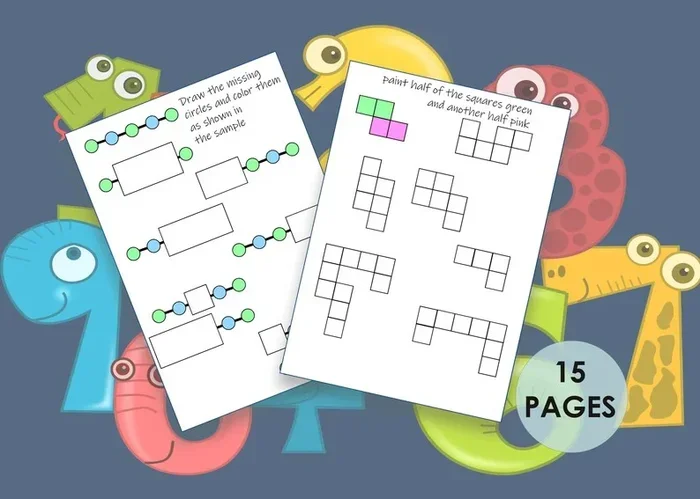
Featured image for how to kids math worksheet activity
Image source: i.etsystatic.com
Creating math worksheets for kids works best when you match each page to a clear learning goal. Start with one skill, write short instructions, and use simple layouts that children can read quickly. Add visuals and a few practice problems, then test the worksheet with a child to spot confusion early.
Learn how to How to Create Math Worksheets for Kids How-to.
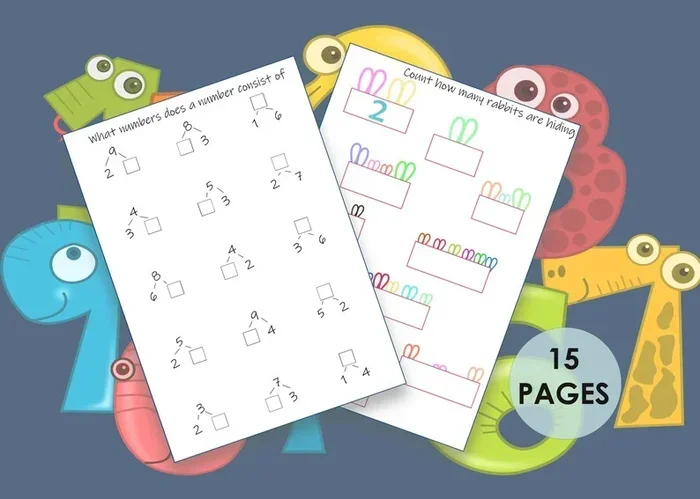
Visual guide about how to kids math worksheet activity
Image source: i.etsystatic.com
Key Takeaways
- Point 1: Begin with one clear skill so the worksheet stays focused and easy to follow.
- Point 2: Match the difficulty to the child’s grade and current understanding.
- Point 3: Use short instructions, large text, and plenty of white space.
- Point 4: Mix problem types so kids practice both accuracy and understanding.
- Point 5: Add simple visuals, examples, and answer boxes to reduce confusion.
- Point 6: Review the worksheet yourself before sharing it with a child.
- Point 7: Test the page with one student, then improve any confusing steps.
[FEATURED_IMAGE_PLACEHOLDER]
Start With One Clear Learning Goal
Before you build a worksheet, decide what skill you want to teach. A worksheet works best when it focuses on one idea instead of trying to cover too much at once. If the page is too broad, children may feel overwhelmed and lose track of the main task.
Think about the exact question you want the worksheet to answer. For example, you might want a child to practice counting coins, solving basic addition, or identifying shapes. Once you choose the goal, everything else becomes easier to plan.
A strong learning goal also helps you decide how many problems to include. If the skill is new, fewer problems may be better. If the child already understands the idea, you can add more practice.
Pick the skill level carefully
Choose a skill that matches the child’s current stage. A page that is too easy can feel boring, while a page that is too hard can feel frustrating. The best worksheets usually sit in the middle, where the child can succeed with a little effort.
You can check the child’s recent work to see what they already know. If they can count to twenty but struggle with addition, start there. If they know single-digit addition, you can add slightly harder problems.
Write the goal in simple words
Keep your goal statement short and clear. For example, you might write, “Practice adding two numbers under ten.” Simple wording helps you stay focused while designing the page. It also makes it easier to explain the worksheet to a parent, teacher, or student.
If you are making a set of worksheets, give each page its own goal. That way, each worksheet builds a skill step by step instead of repeating the same idea in the same way.
Choose the Right Math Skill and Grade Level
Math worksheets for kids work best when they match both the skill and the age group. A first grader usually needs different practice than a third grader. The numbers, words, and problem types should feel appropriate for the child’s stage of learning.
Start by thinking about what children usually learn at that level. Younger learners often work on counting, number recognition, simple addition, and basic shapes. Older children may practice multiplication, division, fractions, or word problems.
Match the worksheet to the curriculum
If you know what the child is studying in class, use that as a guide. A worksheet that supports school lessons can be more helpful than one that introduces a brand-new topic too quickly. You do not need to copy a textbook exactly, but staying close to the current topic can make practice more useful.
You can also ask what the child needs most. Some students need extra repetition, while others need help understanding a concept. A worksheet can serve either purpose if you design it with that need in mind.
Decide on the problem types
Different problem types build different skills. Number drills help with speed and accuracy. Visual problems help children understand quantity. Word problems help children apply math in real situations. A good worksheet often uses a mix, but not too many at once.
For a focused page, choose one main problem type and maybe one support type. For example, you could include a few basic equations and then one simple word problem that uses the same skill.
Plan the Worksheet Layout Before You Build It
A clear layout makes a worksheet easier to use. Children should be able to see where to write answers, what each problem means, and how the page is organized. If the layout is messy, even simple math can feel harder than it should.
Start by deciding how much space you need. Leave room for answers, especially if the child will write by hand. If the page is too crowded, students may make mistakes simply because they cannot write neatly.
Use a clean order
Place the easiest problems near the top if the worksheet is meant to build confidence. Put harder problems lower down once the child understands what to do. This order helps the page feel manageable instead of intimidating.
You can also group similar problems together. For example, keep all addition problems in one section and all subtraction problems in another. Grouping helps children recognize patterns and stay focused.
Keep the page readable
Use large enough text and clear spacing. A child should not have to squint to read the numbers or instructions. If you are adding visuals, place them where they support the problem instead of crowding the page.
White space matters. It gives the worksheet a calmer feel and helps children concentrate on one problem at a time. A simple page often works better than a busy one.
Write Clear Instructions Kids Can Follow
Instructions are one of the most important parts of any worksheet. If the directions are confusing, the child may solve the wrong problem even when they know the math. Good instructions are short, direct, and easy to read.
Use simple language. Instead of long explanations, give one or two clear steps. For example, you might say, “Add the two numbers,” or “Circle the correct answer.” The fewer extra words, the better.
Show an example
An example can prevent many mistakes. If the worksheet asks children to complete a pattern or solve a new type of problem, show one completed sample first. The example gives them a model to follow.
Place the example near the top so children see it before they begin. Make sure the example matches the exact format of the practice problems.
Check the wording for confusion
Read the instructions from a child’s point of view. Ask whether a young reader would understand what to do without help. If a direction could mean more than one thing, rewrite it.
For younger children, you may want to read the instructions out loud with them. For older children, written directions may be enough. Either way, clarity should come first.
Add Practice Problems That Build Confidence
The problems themselves should support learning, not just repeat the same task endlessly. Good practice problems help children understand the idea, remember the steps, and gain confidence as they go.
Begin with a few easier problems. Early success helps children settle into the worksheet. After that, you can add slightly harder ones if the page is meant to stretch their skills.
Use a sensible difficulty progression
A helpful worksheet often moves from simple to more challenging. For example, start with basic equations, then move to missing-number problems, and finish with one short word problem. This progression gives children a chance to build momentum.
Do not jump too quickly to hard problems. If the first few items are already confusing, the child may shut down before reaching the easier middle section.
Keep the number of problems realistic
More problems are not always better. A short worksheet with thoughtful practice can be more effective than a long page that feels like a chore. Think about the child’s attention span and the purpose of the worksheet.
If the goal is quick review, a smaller set may be enough. If the goal is mastery, you can spread practice across several worksheets instead of forcing everything onto one page.
Use Visuals and Examples to Support Learning
Visuals can make math feel more concrete, especially for younger learners. Pictures, shapes, counters, number lines, and simple diagrams can help children connect numbers to real meaning.
Use visuals with a purpose. A picture should help explain the problem, not just decorate the page. For example, if the worksheet is about counting, a small set of objects can show what the number means.
Choose simple graphics
Clear drawings work better than cluttered ones. If a child has to figure out what the image means, the visual may slow them down. Keep graphics straightforward and easy to recognize.
You can also use visual cues to guide attention. A box around an example, a small arrow, or a labeled section can help children understand the layout faster.
Balance visuals with space
Too many images can make a worksheet feel crowded. Leave enough room for children to write and think. A good balance keeps the page friendly without making it busy.
If you are making worksheets for older kids, you may need fewer visuals. In that case, focus more on clear steps, neat formatting, and well-written problems.
Make It Engaging Without Adding Distractions
A worksheet should be interesting, but not distracting. Fun colors, borders, or themes can make practice feel lighter, especially for younger children. Still, the main focus should stay on the math.
Choose one or two design elements rather than many competing ones. A simple theme can make the page feel more inviting. For example, you might use a space theme for a set of number problems or a nature theme for counting objects.
Avoid over-decoration
Busy backgrounds, tiny clipart, or too many colors can pull attention away from the problems. If the decorations are louder than the instructions, the worksheet may become harder to use.
The best designs support the learning goal. If a decorative element does not help the child understand the task, think carefully before adding it.
Use engagement wisely
Engagement can come from variety, not just visuals. You can mix problem formats, add a small challenge at the end, or include a real-life example. These changes can keep practice fresh without making the page confusing.
For children who enjoy rewards, you can add a simple checklist or a place to track completed problems. That small touch can make the worksheet feel more motivating.
Test the Worksheet and Make Improvements
Before you share a worksheet widely, test it with one child or review it very closely yourself. Testing helps you find unclear instructions, crowded spacing, or problems that are too hard too soon.
Watch for common signs of trouble. If a child pauses often, asks the same question repeatedly, or misses problems for the wrong reason, the worksheet may need a change.
Look for friction points
Ask where the child slowed down. Was the instruction unclear? Did the numbers feel too small? Was there not enough room to write? These details matter because they affect how the worksheet feels to use.
Fix the most confusing parts first. A small change in wording or spacing can make a big difference.
Revise with the child in mind
After testing, make the page simpler where needed. You might shorten the instructions, add an example, or move a difficult problem lower in the order. The goal is to make the worksheet helpful, not just complete.
If possible, save your revisions and reuse the better version. Over time, you can build a collection of worksheets that are easier to use and more effective for practice.
Troubleshooting Common Worksheet Problems
Even a careful design can have small issues. The good news is that most worksheet problems are easy to fix once you notice them. Use the ideas below when a page does not work as well as you hoped.
The child keeps misreading the directions
Shorten the wording and add an example. If needed, break one direction into two even simpler steps. Clear language usually solves this problem faster than adding more explanation.
The page feels too hard
Move some harder problems to another worksheet. Start with smaller numbers or fewer steps. A gentler start can help the child build confidence before facing tougher items.
The page feels too easy
Add a challenge problem, a missing-number question, or a short word problem. You can also ask the child to explain how they got the answer, which adds thinking without adding clutter.
The worksheet looks crowded
Remove extra decorations, increase spacing, and leave more answer room. A cleaner layout often improves focus right away.
The child loses track of where they are
Number the problems clearly and keep the sections organized. You can also add boxes or lines to separate one group of problems from another.
Conclusion
Learning how to create math worksheets for kids is mostly about clarity, focus, and fit. When you choose one skill, match the level to the child, and keep the layout simple, the worksheet becomes much easier to use. Clear instructions, thoughtful practice problems, and a little testing can turn a rough draft into a helpful learning tool.
The best worksheets do not try to do everything at once. They help children practice one idea well, feel capable, and build confidence step by step. If you keep that goal in mind, your worksheets will be more useful, more welcoming, and easier for kids to finish.
Quick Answers to Common Questions
How many problems should a worksheet include?
It depends on the goal and the child’s age. A short page with focused practice is often better than a long page that feels tiring.
Should I always add pictures to math worksheets?
Not always. Pictures help younger learners and visual topics, but older students may do better with cleaner pages and clearer problems.
What if the worksheet is too hard?
Simplify the first few problems, add an example, and reduce the number of steps. Confidence usually improves when the start feels manageable.
How do I know the worksheet is working?
Watch whether the child can follow the directions without repeated help. If they can practice smoothly, the design is probably working well.
Can I reuse the same worksheet format?
Yes, a consistent format can be helpful. You can keep the layout and change the numbers or skills to create a new practice page quickly.