
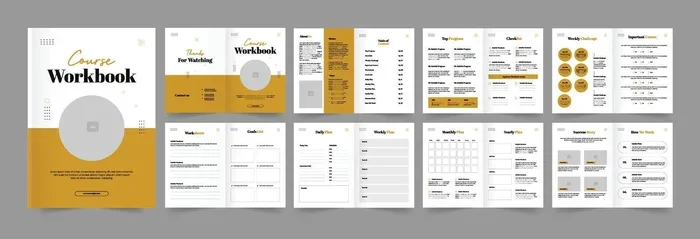
Featured image for how to educational workbook design workspace
Image source: static.vecteezy.com
Creating educational workbooks without Canva is easier than many people think, especially when you focus on clear learning goals and simple page layouts. You can use familiar word processors, slide tools, or free design apps to build worksheets, activities, and review pages that look polished and easy to follow. This guide shows you how to plan, design, and finish a workbook that works well for students, parents, or classroom use.
Learn how to How to Create Educational Workbooks Without Canva.
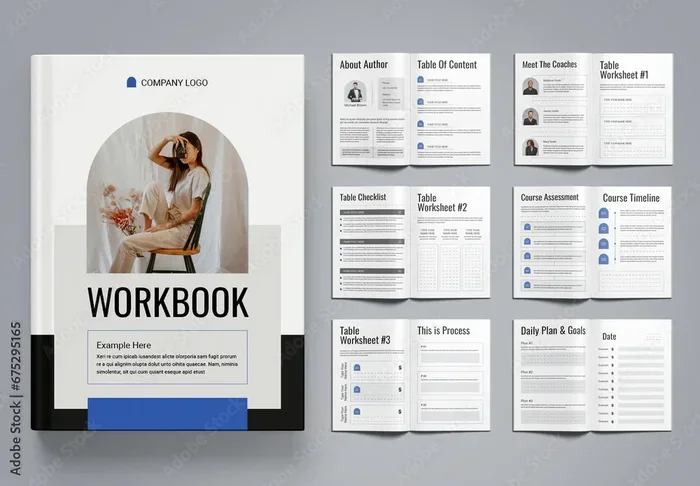
Visual guide about how to educational workbook design workspace
Image source: as2.ftcdn.net
Key Takeaways
- Start with the learner in mind: define the age, skill level, and purpose before you design any pages.
- Choose tools you already know: a word processor or presentation app can be enough for a clean workbook.
- Keep layouts consistent: repeated headings, spacing, and styles make the workbook easier to use.
- Balance text and activity space: leave enough room for writing, drawing, or checking answers.
- Use simple visuals carefully: clear icons, boxes, and lines often work better than busy graphics.
- Review for readability: test the pages on paper or screen before finalizing the workbook.
- Export carefully: save in a format that preserves your layout and is easy for your audience to open.
[FEATURED_IMAGE_PLACEHOLDER]
How to Create Educational Workbooks Without Canva Easily
If you want to build a workbook for kids, students, training participants, or even your own study notes, you do not need one specific design platform to get started. A good workbook is less about fancy effects and more about clear structure, useful activities, and pages that are easy to understand. Once you know the purpose of the workbook, you can choose a simple tool and build it step by step.
This guide walks you through the process of creating educational workbooks without Canva, from planning the content to choosing a layout, adding activities, and preparing the final file. The goal is to help you make something practical, readable, and useful without overcomplicating the design.
What Makes a Workbook Useful
A workbook is more than a stack of pages with questions. It usually works best when it helps the reader move through a topic in a logical way. That might mean starting with a short explanation, then moving into examples, practice activities, and review. A strong workbook also avoids crowding the page. White space matters because it gives people room to write, think, and respond.
Before you open any tool, it helps to decide what success looks like. Ask yourself what the reader should be able to do after finishing the workbook. That answer will shape everything else, from the number of pages to the type of exercises you include.
Choose the Right Tool for the Job
You can create a workbook in many different programs. The best choice often depends on your comfort level and the kind of layout you want.
Word Processors
A word processor is one of the simplest places to start. It works well for text-heavy pages, fill-in-the-blank exercises, writing prompts, and basic tables. If your workbook is mostly about reading, writing, and answering questions, this can be a very practical option.
Presentation Software
Slide-based software can be useful when you want larger visuals, bigger fonts, and more control over page layout. Many people use it to create one page per slide, then export the result as a printable document or PDF. This can be helpful for workbooks that need big answer boxes, simple diagrams, or clear section breaks.
Spreadsheet Tools
Spreadsheets are not the first thing many people think of, but they can help when you want neat grids, lined sections, or organized practice pages. They can be especially useful for math-style layouts, tables, and repetitive formats.
Free Design Apps
If you want a little more visual flexibility without using Canva, there are other free or low-cost design tools available. These can help you add shapes, lines, and simple illustrations while keeping the layout clean. The key is to avoid over-designing. A workbook should support learning, not distract from it.
Plan the Workbook Before You Design
A good workbook is much easier to build when you know what belongs on each page. Start by listing the main topic and the smaller skills or ideas you want to cover. Then group those ideas into sections. For example, a workbook might include an introduction, a few guided pages, independent practice, and a review section.
It also helps to decide how long you want the workbook to be. A short workbook can be useful for one specific skill, while a longer one may work better for a full unit or multi-step topic. There is no need to make it longer just for the sake of length. Clear, focused pages usually serve learners better than too many crowded pages.
Build a Simple Page Structure
Consistency makes a workbook easier to use. When each page follows a familiar pattern, readers know where to look for instructions, answers, and activity space. You do not need a complicated template to achieve this. You just need a repeatable structure.
A basic page might include:
- A clear title or section name
- A short instruction or example
- The activity itself
- Space for responses
- A small review prompt or checkpoint, if needed
If you are making several pages, keep the placement of these elements steady. That does not mean every page must look identical, but it does help when headings, answer spaces, and instructions appear in predictable places.
Write Clear Instructions
One of the biggest differences between a confusing workbook and a helpful one is the quality of the instructions. Learners should be able to understand what to do without guessing. Keep instructions short and direct.
For example, instead of vague directions, use simple language such as:
- Read the passage and answer the questions below.
- Write one sentence for each prompt.
- Match each word to its definition.
- Circle the correct answer.
If a page includes more than one task, number the steps. That makes the page feel organized and easier to follow. If your audience is young, use language that matches their reading level. If the workbook is for training or adult learners, keep the wording direct and practical.
Add Activities That Support Learning
A workbook becomes more effective when the activities match the goal of the lesson. Different pages can serve different purposes. Some pages might introduce a concept, while others give learners a chance to practice it. You can also include reflection prompts, self-checks, or short review tasks.
Here are a few activity types you can use:
- Fill-in-the-blank pages for vocabulary or key ideas
- Matching exercises for terms and definitions
- Short-answer prompts for explanation and reflection
- Checklists for step-by-step tasks
- Practice problems for math, science, or skill building
- Drawing or labeling tasks for visual learners
Try to vary the format a little so the workbook stays engaging, but do not change the structure so much that it becomes hard to follow. A few well-chosen activity types are usually better than too many unrelated formats.
Use Space Wisely
Space is one of the most important design tools in a workbook. If the page is too tight, learners may feel overwhelmed. If there is too much empty space, the page may feel unfinished. A good balance depends on the task.
For writing activities, leave enough room for a full response. For younger learners, bigger boxes and larger handwriting space can make a big difference. For older learners, you may want tighter layouts with more content per page. If you are unsure, it is usually safer to leave a little more room than you think you need.
You can also use lines, boxes, and subtle dividers to guide the eye. These simple elements help separate sections without making the page look busy. The goal is to make the layout feel organized and calm.
Keep the Visual Style Simple
A workbook does not need a lot of decoration to look professional. In fact, too many colors, icons, or images can make the page harder to read. A cleaner approach often works better.
Try these simple design habits:
- Use one or two main colors for headings and accents
- Keep fonts readable and not too decorative
- Use bold text for instructions or key terms
- Add borders or boxes only when they help organize the page
- Use illustrations only when they support the lesson
If you include images, make sure they are clear and relevant. A diagram, chart, or simple illustration can help explain a concept, but random decorative graphics usually do not add much value.
Decide How the Workbook Will Be Used
The way people use the workbook should influence your design choices. A printable workbook may need larger margins, bigger answer spaces, and a layout that works well on standard paper. A digital workbook might need clickable fields, smaller file size, or a format that is easy to read on a screen.
If the workbook is meant to be filled out on a device, think about where users will type or tap. If it is meant to be printed, check how the pages look when printed at full size. A quick test can save you from surprises later.
Create a First Draft Page by Page
Once your plan is ready, start building the pages one at a time. It is usually easier to create one sample page first, then repeat the structure for the rest of the workbook. That first page can help you decide what spacing, font size, and layout choices work best.
As you build, focus on function first. Make sure each page has a purpose and that the instructions are clear. You can refine the appearance later. It is often tempting to spend too much time on decoration early on, but the content matters most.
A practical way to work is to start with the pages that are easiest to create, such as title pages, instructions, and simple practice sheets. Then move on to more detailed pages that may need examples, diagrams, or multi-part activities.
Check the Workbook From a Learner’s Point of View
After you have a draft, review it as if you were the person using it. Read the instructions aloud. Look at whether the page flow makes sense. Check whether the activities match the material you introduced. Ask yourself if anything feels crowded, confusing, or too sparse.
It can also help to ask another person to look at the workbook. A fresh set of eyes may notice unclear wording or layout problems you missed. If the workbook is for children, a parent, teacher, or tutor can tell you whether the pages are easy to follow. If it is for adults, a colleague or peer can check whether the instructions are practical.
Edit for Clarity and Consistency
Before you finalize the workbook, do a careful edit. Check for spelling and grammar, but also check for consistency. Are your headings styled the same way throughout? Do your instructions use the same tone? Are answer spaces large enough and placed in the same general area from page to page?
This is also a good time to remove anything that does not help learning. If a page is crowded, simplify it. If an activity is unclear, rewrite it. If a section feels unnecessary, cut it. A tighter workbook is usually more effective than one that tries to do too much.
Prepare the Final File
When the workbook is ready, choose the file format that fits your audience. If you want people to print it, a PDF is often the safest choice because it keeps the layout stable. If you want them to type directly into the file, make sure the format supports that use case.
Before exporting, check the following:
- Page size and margins
- Font readability
- Whether images or shapes moved during export
- Whether any pages are cut off or misaligned
- Whether the file opens correctly on another device
If possible, open the final file on a different device or print a sample page. That simple check can reveal formatting issues you might not notice on the screen where you created it.
Troubleshooting Common Workbook Problems
Even a simple workbook can run into issues. Here are some common problems and practical ways to handle them.
The page looks crowded
Reduce the amount of text on the page, increase spacing, or move part of the activity to a new page. A cleaner page is usually more useful than one that tries to fit everything together.
The instructions are unclear
Rewrite them in shorter sentences. If needed, add a small example so learners know exactly what to do. A brief sample can prevent confusion.
Answer spaces are too small
Increase the line height, add more writing lines, or use boxes instead of blank lines. Make sure the space matches the expected response length.
The layout changes when exported
Double-check margins, page size, and how elements are placed. If something shifts, simplify the layout or use a format that preserves the design more reliably.
The workbook feels repetitive
Add a little variety in activity types or section headers, but keep the overall structure consistent. A few changes can make the workbook feel fresher without confusing the reader.
A Simple Workflow You Can Repeat
If you want to create more workbooks later, a repeatable process helps. You can use a workflow like this:
- Decide the topic and the learner’s goal
- Outline the sections
- Choose the tool you want to use
- Build one sample page
- Create the rest of the pages using the same structure
- Review and edit for clarity
- Export and test the final file
This approach keeps the project manageable. Instead of trying to design everything at once, you build the workbook in stages and improve it as you go.
When It Makes Sense to Keep It Simple
Not every workbook needs advanced design features. Sometimes the best version is the one that is clean, direct, and easy to use. If you are creating materials for a specific lesson, a short workbook with clear pages may be more effective than a larger, more decorative one.
Simplicity also makes updates easier. If you need to revise a section, add a page, or adjust the difficulty level, a straightforward layout is easier to edit than a heavily styled one. That can save time later, especially if you plan to create more materials in the future.
Final Thoughts on Building Workbooks Without Canva
You do not need a single specific platform to create a useful educational workbook. What matters most is the structure, clarity, and usefulness of the pages you build. When you plan the content first, keep the layout consistent, and design with the learner in mind, you can create a workbook that feels professional and practical.
The best approach is to start small, test your pages, and improve them as you go. Once you have a workflow that works for you, it becomes much easier to create new workbooks for different topics, age groups, or learning goals. A well-made workbook is not about looking complicated. It is about helping people learn with confidence.
Do I need design experience to make a workbook?
No. A workbook can be simple and still be effective. Clear instructions, consistent layout, and useful activities matter more than advanced design skills.
What is the easiest tool for beginners?
A word processor is often the easiest place to start because it handles text, tables, and basic spacing well. Presentation software can also be helpful if you want more control over page layout.
Should a workbook always be printable?
Not necessarily. Some workbooks are meant to be filled out digitally, while others work better on paper. It helps to decide early whether the workbook will be printed, viewed on screen, or both.
How many pages should a workbook have?
That depends on the topic and the goal. A short workbook can be ideal for one skill, while a longer one may suit a broader unit. Focus on usefulness rather than page count.
Can I use templates instead of building from scratch?
Yes. Templates can save time if they match your needs. Just make sure the template is flexible enough for your content and does not force a layout that is too crowded or confusing.
What should I check before sharing the workbook?
Check the instructions, spacing, spelling, and overall flow. If possible, test the file on another device or print a sample page to make sure everything looks right.
Is it better to use color or keep everything black and white?
Either can work, depending on the audience and purpose. A little color can help organize sections, but too much can distract. For many workbooks, a clean black-and-white layout with small accent colors is enough.
How do I make the workbook easier for younger learners?
Use larger fonts, bigger answer spaces, simple wording, and clear section breaks. Too much text on one page can make it harder for children to stay focused.
How do I keep the workbook from feeling too repetitive?
Mix in different activity types and vary the examples, but keep the page structure familiar. That gives learners some variety without losing clarity.
What if I want to update the workbook later?
Keep the layout simple and organized so changes are easy to make. A workbook that is easy to edit is usually easier to improve over time.
Can I include answer keys?
Yes, if it fits the purpose. An answer key can be helpful for practice workbooks, self-study materials, or any workbook where checking responses matters.
Should I add illustrations to every page?
Not unless they support the lesson. Good illustrations can explain ideas, but unnecessary images can make the page busier. Use visuals only when they add value.
What is the biggest mistake to avoid?
Making the pages too crowded or the instructions too vague. A workbook works best when learners can understand what to do and have enough room to do it.
Quick Answers to Common Questions
What is the first step?
Start by understanding the basics of How to Create Educational Workbooks Without Canva.