

When drivers ask whether Hondas or Toyotas are more reliable, they want a clear, honest answer based on real-world data, not marketing hype. Both brands have earned strong reputations for longevity, but small differences in engineering, maintenance habits, and model-specific history often tip the scale. This guide breaks down ownership costs, common failure points, and long-term performance to help you choose with confidence. You will learn which brand tends to last longer, how driving style affects durability, and what to watch for before signing any paperwork. By the end, you will have a practical roadmap for picking the most dependable vehicle for your daily commute or family road trips.
Car shoppers hear the same question everywhere. Are Hondas or Toyotas more reliable? The debate runs deep because both brands dominate the compact sedan, SUV, and minivan segments. They also share a reputation for lasting well past one hundred thousand miles when treated properly. Yet reliability is never a simple yes or no answer. It depends on the specific model, the production year, how you drive, and how often you service the vehicle.
This guide cuts through the noise. We will compare real ownership patterns, common repair trends, maintenance expectations, and long-term durability. You will see where each brand shines, where it stumbles, and how to make a smart purchase decision. If you want a quick answer first, Toyota often holds a slight edge in broad reliability surveys, while Honda remains highly competitive with strong performance and lower initial costs in many segments. The full picture requires a closer look.
Key Takeaways
- Toyota typically edges out Honda in long-term reliability studies, especially in powertrain consistency and lower repair frequency over high mileage.
- Honda delivers strong performance and engaging driving dynamics, but certain model years require extra attention to transmission and engine maintenance.
- Regular maintenance matters more than brand loyalty, because oil changes, fluid swaps, and timely part replacements determine real-world lifespan.
- Model selection outweighs brand generalizations, since some Toyota and Honda vehicles outperform others in durability and owner satisfaction.
- Higher resale value often reflects reliability perception, making both brands smart financial choices when bought used and cared for properly.
- Climate, driving habits, and service history shape outcomes, so your personal usage pattern matters as much as factory engineering.
- Researching specific model years prevents costly surprises, because reliability can shift dramatically between generations and production runs.
📑 Table of Contents
- Are Hondas Or Toyotas More Reliable In Real World Ownership
- How Toyota Reliability Holds Up Over Time
- How Honda Reliability Compares In Practice
- Model By Model Reliability Matters More Than Brand Labels
- Maintenance Habits That Shape Longevity More Than You Think
- Cost Of Ownership And Repair Frequency Compared
- Final Verdict On Are Hondas Or Toyotas More Reliable
Are Hondas Or Toyotas More Reliable In Real World Ownership
Reliability means different things to different drivers. For some people, it means starting every morning without trouble. For others, it means reaching high mileage without major repairs. Both brands perform well in these areas, but the details matter. Toyota tends to prioritize conservative engineering. That approach favors steady performance and predictable wear patterns. Honda often pushes for sharper handling and more responsive powertrains. That philosophy can deliver a more engaging drive, though it sometimes brings more sensitivity to maintenance timing.
Owner surveys and repair frequency data usually show Toyota with a small advantage in long-term consistency. That does not mean Honda falls apart. It means Toyota vehicles often accumulate fewer unscheduled repairs across large owner groups. Many drivers also notice that Toyota powertrains feel especially steady at higher mileage. Honda vehicles can match that durability, especially when owners follow service intervals closely. The difference often comes down to risk tolerance and driving style.
What Reliability Data Usually Shows
Large reliability studies typically measure several factors. They track mechanical failures, electrical gremlins, transmission behavior, engine concerns, and cost of repairs. Toyota frequently ranks near the top in these categories, especially for mainstream sedans and SUVs. Honda usually sits just behind or within the same strong tier. The gap is real, but it is often narrow. A well-maintained Honda can easily outlast a neglected Toyota. That is why model-specific research matters so much.
If you want a broader comparison of brand-level dependability, you may find it helpful to read our breakdown of which is more reliable Toyota or Honda. It explains how reliability trends shift by segment and why brand reputation does not always match every model.
How Toyota Reliability Holds Up Over Time
Toyota built much of its reputation on durable powertrains and conservative design choices. The company often selects proven components, steady tuning, and service-friendly layouts. That strategy helps many Toyota vehicles age gracefully. Engines usually stay within reasonable temperature ranges. Transmissions tend to prefer smooth operation rather than aggressive tuning. Suspension parts often use widely available designs, which can make repairs simpler.
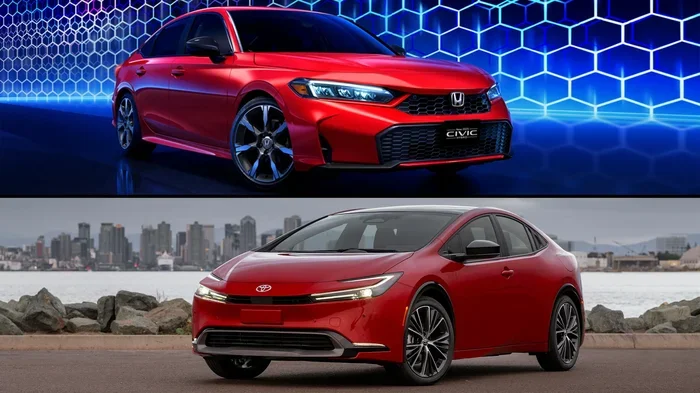
Visual guide about Honda and Toyota cars
Image source: motortrend.com
This does not mean Toyota is perfect. Some models still experience common wear items, and no vehicle escapes the effects of poor maintenance. Still, the general pattern is strong. Many Toyota owners report fewer major repairs during the first decade of ownership. That reputation also supports strong resale values. When buyers trust a brand to last, they are more willing to pay for used examples.
Common Strengths In Toyota Vehicles
Toyota vehicles often show these reliability strengths:
- Steady powertrain behavior over high mileage
- Broad parts availability at independent shops
- Conservative tuning that reduces stress on major components
- Strong resale appeal due to dependable reputation
- Simple electrical architecture in many mainstream models
If you are considering a Toyota sedan, it helps to review how specific models age. For example, many buyers ask are Toyota Camrys reliable cars before choosing one for commuting. That kind of model-level research can reveal which generations perform best and which ones deserve extra caution.
How Honda Reliability Compares In Practice
Honda earns praise for lively handling, efficient engines, and thoughtful packaging. Many Honda vehicles feel nimble and practical at the same time. That combination keeps the brand popular. Honda also builds dependable powertrains, especially in recent years. The company has improved many of its transmissions and engine designs after earlier learning periods. As a result, newer Honda models often show much stronger reliability than some older generations.
Honda owners often value the brand for more than durability. They enjoy the driving feel, the interior layout, and the practical balance of space and efficiency. That matters because reliability is only one part of ownership. A car that lasts long but feels dull may not satisfy every driver. Honda tries to offer both enjoyment and longevity. When it succeeds, the result is a vehicle that stays appealing for many years.
Where Honda Usually Excels
Honda frequently stands out in these areas:
- Sporty, eager powertrains that feel responsive
- Efficient engine options with strong real-world fuel economy
- Practical interior packaging in compact models
- Strong performance in popular segments like compact SUVs and sedans
- Improved transmission robustness in newer model years
If you are comparing Honda and Toyota in the popular compact SUV category, you may want to explore which is better Toyota Rav4 or Honda Cr V. Those two vehicles often define the segment, and their reliability stories help illustrate how each brand approaches durability and daily usability.
Model By Model Reliability Matters More Than Brand Labels
Brand reputation gives you a starting point, but the specific model decides your actual experience. Two cars from the same manufacturer can age very differently. One may use a proven engine and a simple transmission. Another may introduce a new design that needs refinement. That is why smart buyers look at model generations instead of relying only on brand names.
This is especially true when you compare vehicles that share similar purposes. A family hauler, a commuter sedan, and a small crossover each face different demands. The best choice depends on how the vehicle was engineered for that job. Toyota may lead in one segment while Honda leads in another. Sometimes the gap disappears entirely. In many cases, the difference comes down to which model generation you buy and how it was serviced.
How To Compare Specific Models Wisely
Use this simple checklist when comparing models:
- Check the production years rather than just the brand
- Look for recurring repair patterns in owner forums and service data
- Compare maintenance schedules and long-term part costs
- Consider your driving conditions, including city traffic, highway miles, and weather
- Verify whether the model uses proven components or brand-new designs
If you are weighing mainstream sedans, a useful comparison is which is better Honda Accord or Toyota Camry. Those two nameplates often compete directly, and their reliability stories show how model choice can matter just as much as brand identity.
Maintenance Habits That Shape Longevity More Than You Think
Even the most dependable vehicle suffers without proper care. Oil changes, fluid replacements, belt inspections, and brake service all affect lifespan. Heat, stop-and-go traffic, short trips, and neglected service can wear down any car faster than expected. The brand on the badge cannot fully protect against poor upkeep. That is why two identical models can have very different lifespans.
Toyota and Honda both benefit from regular maintenance. Toyota often tolerates routine care with very predictable results. Honda also responds well to timely service, especially in newer models. The key is consistency. A driver who changes oil on schedule, replaces worn parts early, and avoids ignoring small warning signs will usually get far more life from either brand.
Quick Tips For Keeping Either Brand Running Longer
Follow these habits to protect reliability:
- Stick to the recommended service intervals instead of stretching them
- Use quality fluids and parts that meet manufacturer specifications
- Address small noises and warning lights early before they become major repairs
- Warm up the engine gently in cold weather rather than racing it
- Keep tires, brakes, and suspension components in good condition to reduce strain on the drivetrain
Cost Of Ownership And Repair Frequency Compared
Reliability is not only about breakdowns. It is also about how much you spend to keep the vehicle running. Repair frequency, parts cost, labor complexity, and depreciation all affect total ownership cost. Toyota often benefits from broad parts availability and a large service network. That can make routine repairs more straightforward. Honda also enjoys strong support in many markets, though some specialized parts may cost more depending on the model.
Depreciation is another major factor. Both brands usually hold value better than many competitors. That advantage stems from their reliability reputations. When buyers trust that a used car will keep running well, they pay more for it. As a result, Toyota and Honda often deliver strong long-term value, especially when purchased used and maintained properly. The best financial choice still depends on the specific model and its repair history.
What To Watch For Before Buying
Consider these cost-related points:
- Expected maintenance items at different mileage milestones
- Common repair trends for the exact model year
- Parts availability in your area
- Insurance and fuel costs over time
- Used-market pricing relative to condition and service records
If you are curious about how brand reliability affects value and market perception, you might also enjoy our discussion of are Toyotas better than Hondas. It looks at the bigger picture behind brand comparisons and why shoppers often reach different conclusions.
Final Verdict On Are Hondas Or Toyotas More Reliable
So, are Hondas or Toyotas more reliable? In broad comparisons, Toyota usually holds a slight advantage in long-term consistency and lower repair frequency across large owner groups. Honda remains highly dependable as well, especially in newer models and well-maintained examples. The real answer is more nuanced. The best choice depends on the specific model, the production year, your driving habits, and your willingness to follow a solid maintenance schedule.
If you want a vehicle with a conservative, time-tested feel, Toyota often makes an easy case. If you prefer a more engaging drive and still want strong durability, Honda can be an excellent fit. Either way, the smartest move is to research the exact model you plan to buy. Look at service records, check known issues, and choose a vehicle that matches your lifestyle. That approach will serve you better than trusting brand generalizations alone.
If you want a broader perspective on how the two brands compare overall, you can also read which is a better car Toyota or Honda. It adds more context to the reliability conversation and helps explain why different drivers reach different conclusions.
Frequently Asked Questions
Are Hondas or Toyotas more reliable overall?
Toyota usually shows a slight edge in broad reliability surveys, especially for long-term consistency and lower repair frequency. Honda remains highly dependable too, particularly in newer models and well-maintained examples. The best answer still depends on the specific vehicle you choose.
Which brand lasts longer Toyota or Honda?
Many Toyota vehicles reach high mileage with steady performance and fewer major repairs, which gives them a strong longevity reputation. Honda vehicles can also last a long time when serviced properly. Driving habits and maintenance often matter as much as the brand itself.
Do Honda transmissions fail more often than Toyota transmissions?
Some older Honda transmissions had well-known issues, which affected the brand’s reputation in past years. Newer Honda models have improved a lot, and many now show much stronger transmission durability. Toyota transmissions are often viewed as conservative and steady, but both brands can experience problems if maintenance is neglected.
Is it safer to buy a used Toyota or a used Honda?
Both brands can be smart used-car choices if you verify service history and check for model-specific issues. Toyota often appeals to buyers who want a conservative reliability reputation, while Honda can offer strong value and engaging driving character. The exact model year matters more than the badge.
Which is cheaper to maintain Toyota or Honda?
Maintenance costs vary by model, location, and service provider. Toyota often benefits from wide parts availability and a large repair network, which can keep routine service straightforward. Honda can also be affordable to maintain, though some models may use parts that cost more depending on the repair.
Should I choose Honda or Toyota for high mileage driving?
For high mileage driving, Toyota is often favored for its steady powertrain behavior and strong long-term track record. Honda can also handle high mileage well if it receives consistent care. In either case, regular oil changes, fluid service, and early repairs make a huge difference.