
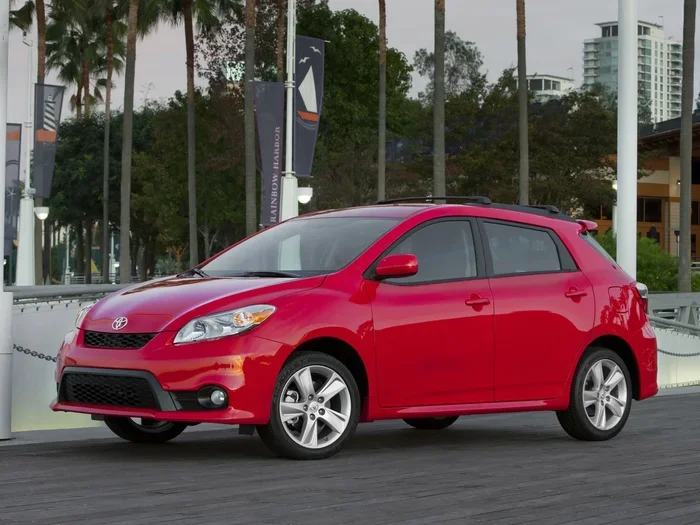
The Toyota Matrix is a reliable and practical choice for anyone seeking a fuel-efficient hatchback with Toyota durability. While not the most exciting car to drive, it offers excellent value, low maintenance costs, and strong longevity when properly cared for. This honest review breaks down the pros, cons, and key factors to help you decide if this vehicle fits your needs.
Are you thinking about buying a used Toyota Matrix? You are not alone. Many shoppers look for a car that saves money, runs well, and lasts a long time. This hatchback fits that bill for a lot of people. But is it the right pick for you? In this honest review, we will walk through everything you need to know. We will look at reliability, fuel economy, common problems, and what it feels like to own one. By the end, you will have a clear picture of whether this car deserves a spot in your garage.
The Toyota Matrix sits in a sweet spot. It blends the comfort of a sedan with the cargo flexibility of a hatchback. Toyota built it with the same care they put into their other well-known models. That means you can expect solid build quality and a straightforward driving experience. It is not a thrill ride, but it is a smart daily driver. If you value practicality and low stress on the road, this car makes a strong case for itself.
Key Takeaways
- Reliable Performance: The Toyota Matrix is known for its dependable engine and strong build quality, making it a smart used car option.
- Fuel Efficiency: With solid MPG ratings, this hatchback helps you save on gas compared to many larger SUVs or sedans.
- Practical Interior: The versatile cargo space and comfortable seating make it ideal for daily commuting and small families.
- Common Issues to Watch: Potential buyers should check for head gasket leaks, suspension wear, and transmission smoothness in higher-mileage models.
- Low Maintenance Costs: Parts are widely available and affordable, keeping long-term ownership expenses manageable.
- Resale Value: Toyota reputation helps the Matrix retain decent value, though it may not appreciate like some sports models.
- Best For: Budget-conscious drivers who prioritize reliability, practicality, and easy ownership over flashy performance.
📑 Table of Contents
Toyota Matrix Reliability and Build Quality
When people ask about the Toyota Matrix, reliability usually tops the list. Toyota has a long history of making cars that run for years with basic care. The Matrix shares many components with other proven Toyota models. That gives it a strong foundation. The body panels are sturdy. The interior materials hold up well for a compact car. You will not find luxury finishes, but you will find parts that do their job without drama.
The engine options are simple and proven. Most models use a 1.8-liter four-cylinder or a 2.4-liter four-cylinder. Both are designed for steady, everyday use. They are not high-performance units, but they are known for steady output and easy servicing. The transmission choices include a smooth automatic and a manual for drivers who want more engagement. Either way, the powertrain is built to handle routine driving without major surprises.
What Owners Report After Years of Use
Long-term owners often praise the Toyota Matrix for starting every morning and running without frequent repair shop visits. Many report reaching high mileage with only routine service. Oil changes, brake pads, and tires are the usual upkeep. That predictability is a big win. It means you can budget your ownership costs with confidence. You also spend less time hunting for rare parts because this car shares many components with other Toyota vehicles.
How It Compares to Similar Hatchbacks
If you look at other compact hatchbacks, the Matrix holds its own on durability. Some rivals focus on sporty handling or bold styling. The Matrix focuses on steady, no-nonsense transportation. That trade-off often means fewer quirks over time. It also helps that Toyota service networks are widespread. Finding a mechanic who knows the car is easy. That support matters when you want quick answers and fair repair estimates.
Quick Tip: Check service records before buying. A well-documented maintenance history is a strong sign that the car has been cared for properly.
Fuel Economy and Real-World MPG
Gas costs add up fast. That is why many buyers care about Toyota Matrix MPG. This car is built with efficiency in mind. The smaller engine option generally delivers strong city and highway numbers. The larger engine still returns respectable figures for a vehicle of this size. You can expect a balanced mix of performance and fuel savings. It is not a hybrid, but it does a good job of stretching each tank.
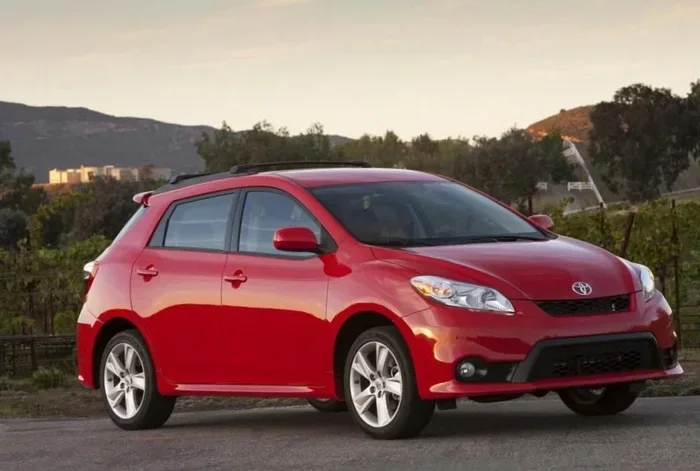
Visual guide about Toyota Matrix car photo
Image source: i.pinimg.com
Real-world driving matters. Stop-and-go traffic will lower your numbers. Smooth highway cruising will improve them. Gentle acceleration and steady speeds help the most. The aerodynamic shape also supports better efficiency. The hatchback design adds cargo space without a huge penalty in drag. That means you get practical storage and decent fuel economy in one package.
City vs Highway Driving
In the city, the Matrix feels nimble and easy to park. Frequent braking and acceleration will reduce efficiency, but the car remains comfortable in tight spaces. On the highway, it settles into a relaxed rhythm. Wind noise is manageable. The ride feels stable at common travel speeds. If you split time between urban streets and open roads, this car adapts well to both.
Ways to Maximize Efficiency
- Keep tires inflated to the recommended pressure.
- Remove extra weight from the cargo area.
- Use smooth throttle inputs and anticipate stops.
- Stick to regular maintenance so the engine runs cleanly.
- Choose the right gear if you drive a manual transmission.
Common Mistake: Ignoring tire pressure. Underinflated tires raise rolling resistance and hurt fuel economy more than many drivers realize.
Interior Space, Comfort, and Daily Usability
One of the strongest points of the Toyota Matrix is its practical interior. The seating position feels comfortable for most drivers. Visibility is good, which helps with parking and lane changes. The dashboard layout is simple and easy to read. Controls are straightforward. You do not need a long learning curve to use the basic functions.
Cargo space is a major reason people choose this hatchback. The rear seats can fold or slide to make room for groceries, sports gear, or work supplies. That flexibility is useful for students, small families, and anyone who wants a car that can carry more than a sedan. The passenger cabin also feels airy. Headroom and legroom are adequate for daily trips. It is not a luxury lounge, but it is a pleasant place to spend time.
Comfort on Shorter and Longer Trips
For short commutes, the Matrix feels light and easy. Steering is predictable. The suspension soaks up small bumps without feeling harsh. On longer drives, the car stays composed. Road noise rises a bit at speed, which is common in this class. Seat support is decent for most body types. If you plan to drive several hours at a time, take a test drive to see how the seat feels for your back and hips.
Practical Features to Look For
- Fold-flat rear seats for extra cargo room.
- Readable gauges and simple climate controls.
- Secure cargo area with a wide opening.
- Decent storage pockets for phones and small items.
- Optional packages that add convenience features on higher trims.
Expert Insight: When judging interior quality, focus on how the car fits your daily routine. A simple, durable cabin often beats flashy features that may fail sooner.
Common Issues and What to Inspect Before Buying
No used car is perfect. The Toyota Matrix has a strong record, but there are points to check. High-mileage examples may show wear in the suspension. Bushings, struts, and control arms can wear over time. Listen for clunks over bumps and check for uneven tire wear. Those signs can point to alignment or suspension work.
Some engines from this era may develop head gasket concerns as mileage climbs. Look for coolant leaks, sweet smells, or oil that looks milky. A cooling system inspection is a smart move. Transmission smoothness is another area to test. Shifts should feel firm but not harsh. Hesitation, slipping, or rough engagement are warning signs. Also check the brakes, tires, and battery health. These items are normal wear parts, but their condition tells you a lot about the car past care.
Pre-Purchase Inspection Checklist
- Cold-start the engine and listen for unusual noises.
- Check coolant level and look for leaks under the car.
- Test all gears and confirm smooth shifts.
- Inspect tires for tread depth and even wear.
- Verify brakes stop the car without pulsing or grinding.
- Confirm lights, windows, locks, and climate controls work.
Common Mistake: Skipping a pre-purchase inspection. A short check by a trusted mechanic can reveal hidden issues and save you money later.
Ownership Costs and Long-Term Value
Buying a car is only the first cost. Ownership expenses matter just as much. The Toyota Matrix tends to keep those costs reasonable. Routine service is straightforward. Oil, filters, brake parts, and tires are easy to source. That helps keep maintenance bills predictable. Insurance costs vary by driver and location, but this vehicle usually falls in a moderate range for a compact car.
Depreciation is another factor. Toyota products often hold value better than many competitors. The Matrix benefits from that reputation. It may not be a collector item, but it usually finds buyers easily when you are ready to sell or trade it in. Fuel savings also support long-term value. If you drive a lot, the Toyota Matrix MPG can make a real difference in your yearly budget.
Cost-Saving Ownership Habits
- Follow the recommended service schedule.
- Replace wear parts before they cause bigger problems.
- Keep detailed records to support resale value.
- Compare repair quotes when major work arises.
- Use quality fluids and parts that match the car needs.
Quick Tip: A well-maintained compact car can be one of the cheapest ways to get around. Consistency in care pays off over time.
Who Should Buy a Toyota Matrix and Who Should Skip It
The Toyota Matrix makes the most sense for drivers who want a practical, efficient, and dependable hatchback. It suits commuters, students, and small households that need extra cargo room without moving up to a larger vehicle. It also fits buyers who prefer a calm, easy-to-own car over a sporty one. If your priority is low stress and steady performance, this model is a strong match.
On the other hand, some people should look elsewhere. If you want rapid acceleration, premium materials, or a high-tech cabin, this car will not excite you. Drivers who cover very rough roads daily may want a more rugged setup. Enthusiasts seeking a fun weekend car will likely prefer something with more character. The Matrix is a tool for daily life, not a showpiece. Knowing that helps set the right expectations.
Best Use Cases
- Daily commuting with a mix of city and highway miles.
- Carrying groceries, gear, or small loads on a regular basis.
- First-time buyers who want a simple, reliable used car.
- Households that need one practical vehicle for routine tasks.
When to Consider Other Options
- You need maximum cargo volume for large items.
- You want a more powerful engine for frequent merging or hills.
- You prefer a luxury interior with advanced tech features.
- You plan to modify the car for performance or heavy off-road use.
Key Takeaway: Match the car to your real life. The Toyota Matrix shines when your needs are practical and your expectations are realistic.
Final Verdict: Is the Toyota Matrix a Good Car
So, are Toyota Matrix good cars? For many buyers, the answer is yes. This hatchback delivers a balanced mix of reliability, usable space, and reasonable fuel costs. It is not flashy, but it is steady. It is not packed with premium luxuries, but it is comfortable and easy to live with. If you find a well-maintained example with service records, you can expect a car that gets you where you need to go without frequent headaches.
The smartest approach is to look at the specific condition of the vehicle. Mileage matters, but care matters more. A lower-mileage car that was neglected can be a worse buy than a higher-mileage car that was serviced on time. Check the cooling system, suspension, brakes, and transmission. Take a thorough test drive. If everything checks out, the Toyota Matrix can be a very satisfying used car choice.
Ownership is simple. Keep up with maintenance, drive smoothly, and address small issues early. That routine helps the car stay dependable for the long haul. If your goal is a practical, efficient, and trustworthy hatchback, this model deserves a close look. It may not be the most exciting car on the lot, but it can be one of the most sensible.
Frequently Asked Questions
Is the Toyota Matrix reliable for daily driving?
Yes, the Toyota Matrix is generally reliable for daily use. Most examples run well with routine care, and the powertrain is known for steady performance. Regular oil changes, brake service, and tire care help it stay dependable.
How is the fuel economy on a Toyota Matrix?
The Toyota Matrix MPG is competitive for a compact hatchback. City driving lowers the numbers, while steady highway cruising improves them. Gentle acceleration and proper tire pressure can help you get the best results.
What are the common problems to watch for?
Common concerns include suspension wear, cooling system leaks, and rough transmission shifts in some higher-mileage cars. A pre-purchase inspection is the best way to spot these issues before you buy. Checking for leaks and listening for unusual noises helps too.
Is the Toyota Matrix good for cargo and everyday use?
Yes, the hatchback design offers flexible cargo space and a wide opening. The rear seats can fold or slide to fit larger items. That makes the Toyota Matrix practical for groceries, work gear, and small family trips.
How much does it cost to maintain a Toyota Matrix?
Maintenance costs are usually moderate. Routine service items are easy to find and affordable. Major repairs can vary, but the car overall tends to keep ownership expenses manageable when it is well cared for.
Who is the Toyota Matrix best suited for?
The Toyota Matrix is best for commuters, students, and small households that want a practical, efficient, and low-stress car. It is a good fit if you value reliability and cargo flexibility over speed or luxury features.