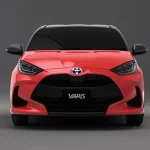
Are Toyotas Made in America? The answer is yes, but not every model. Toyota operates several large assembly plants across the United States. These facilities build popular vehicles like the Camry, Tacoma, and Tundra for local buyers. However, some models still come from Japan or other countries. Understanding where your car comes from helps you know its build quality and parts origin.
Many car buyers ask a simple question before they sign the paperwork. They want to know where their next vehicle comes from. Are Toyotas Made in America? The short answer is yes, but the full story is a bit more interesting. Toyota has spent decades building a strong presence in the United States. The company now runs several large factories across multiple states. These plants build millions of vehicles each year for American drivers.
At the same time, Toyota remains a global brand. Some models still arrive from Japan, Canada, or other countries. That mix often confuses shoppers. People see a Toyota badge and assume the car was built locally. Other times, they hear a rumor that all Toyotas come from overseas. The truth sits somewhere in the middle. In this guide, we will break down the facts in a clear and simple way. You will learn which models are built here, how the factories work, and why the origin story matters.
Key Takeaways
- Toyota builds many vehicles in the USA: Several popular models roll off American assembly lines every day.
- Not every Toyota is American-made: Some cars and trucks still come from Japan or other global plants.
- US factories create local jobs: Toyota employs thousands of workers across multiple states.
- Parts sourcing matters: A car assembled in America may still use imported components.
- Model location varies by type: Trucks, sedans, and SUVs often come from different plants.
- Check the VIN to confirm origin: The vehicle identification number reveals where your car was built.
- American-made Toyotas meet strict standards: US plants follow the same quality rules as Japanese facilities.
📑 Table of Contents
- Are Toyotas Made in America? The Short Answer
- Where Are Toyota Cars Assembled in the United States?
- Which Toyota Models Are Made in the USA?
- What Percentage of Toyotas Are Made in America?
- Why Are So Many Toyotas Built in the United States?
- How to Tell Where Your Toyota Was Built
- Common Mistakes Buyers Make About Toyota Origin
- Quick Tips and Key Takeaways
- Final Thoughts on Are Toyotas Made in America
Are Toyotas Made in America? The Short Answer
Yes, many Toyotas are made in America. The company operates a large network of US assembly plants. These facilities build some of the best-selling cars on the road. American buyers can find locally made options in showrooms every day. That said, not every Toyota vehicle comes from a US factory. The brand spreads production across several countries to meet global demand.
When people ask are Toyotas Made in America, they often want more than a yes or no. They want to know which models count as American-made. They also want to understand what that label really means. A car assembled in the United States may still use parts from other nations. That is normal in the auto industry. Even domestic brands import components from around the world.
Toyota’s US presence grew over time. The company started with imports. Then it expanded into local production. Today, it builds a wide range of vehicles on American soil. This shift helped Toyota serve customers faster and more efficiently. It also created thousands of manufacturing jobs. The result is a strong local footprint that many shoppers appreciate.
Why the Question Matters to Buyers
Car origin matters for several reasons. Some buyers care about supporting local jobs. Others want to reduce shipping distance. Some simply prefer the feel of a domestically built vehicle. The label can also affect resale value and buyer perception. People often connect American assembly with local quality control and faster service.
The question also comes up during trade-ins and sales talks. A salesperson may mention that a model is built nearby. That detail can influence a purchase. It helps to know the facts before you commit. That way, you can make a choice based on real information instead of marketing talk.
Where Are Toyota Cars Assembled in the United States?
Toyota runs several major assembly plants across the country. Each facility focuses on specific models and production goals. Together, they form a strong manufacturing network. If you wonder where are Toyota cars assembled, the answer includes multiple states and cities. The company chose these locations carefully. They offer good logistics, skilled labor, and strong transport links.

Visual guide about Toyota vehicles manufactured in America
Image source: slashgear.com
The US plants build a mix of sedans, trucks, and SUVs. Some facilities focus on high-volume passenger cars. Others specialize in rugged trucks or family SUVs. This division helps Toyota run each plant efficiently. It also allows the company to adjust production based on demand. When one model becomes more popular, the company can shift resources.
Common US Production Locations
Toyota’s American factories are spread across several regions. Each plant has its own history and specialty. Some have been running for decades. Others were added later to meet growing demand. The locations often become part of local community identity. They bring jobs, investment, and economic activity to the area.
Here are a few common types of Toyota production sites in the US:
- Vehicle assembly plants: These facilities put together complete cars and trucks.
- Engine and transmission plants: These sites build key power components.
- Parts and logistics centers: These support the assembly line with needed components.
This setup keeps production moving smoothly. When one part of the system runs well, the whole line benefits. That is one reason Toyota has become such a major player in the American market.
Which Toyota Models Are Made in the USA?
Not every Toyota model is built in America. Some are produced only overseas. Others are made in multiple countries. If you want a car with US assembly, it helps to know which models usually qualify. Many popular sedans and trucks have strong American production ties. That makes them a good fit for buyers who care about local manufacturing.
The answer also depends on the model year and trim. Production plans can change over time. A vehicle that was built here last year may come from a different plant this year. That is why it is smart to check the specific vehicle you want. The badge alone does not tell the full story.
Popular American-Assembled Toyota Vehicles
Several well-known Toyota vehicles are commonly associated with US production. These models often appeal to everyday drivers, families, and workers. They combine practical design with reliable performance. Many buyers also like that they are built close to home.
Common examples include:
- Toyota Camry: A popular sedan with strong US assembly roots.
- Toyota Tacoma: A compact truck often built for North American buyers.
- Toyota Tundra: A full-size truck with major production in the US.
- Toyota Sienna: A family minivan commonly assembled for the American market.
- Toyota Sequoia: A large SUV that fits well with US-built truck platforms.
These vehicles show how broad Toyota’s US production can be. The company builds both daily drivers and heavy-duty trucks. That variety helps explain why so many shoppers encounter American-made Toyotas in everyday life.
Models That Often Come From Other Countries
Some Toyota vehicles are more closely tied to overseas production. That does not make them worse. It simply means their main assembly happens elsewhere. In some cases, the model is designed for a global audience. In other cases, production stays in Japan for strategic reasons.
Examples of models that may be imported include:
- Toyota Prius: Production locations can vary by market and model year.
- Toyota Land Cruiser: This model often has strong ties to international production.
- Toyota Supra: This sports model is often associated with Japanese engineering and build location.
- Toyota Hilux: This truck is well known globally, but it is not sold in the US in the same way as domestic models.
If you want more detail on specific models, you can explore related articles on this site. For example, you may want to read where are Toyota rav4s made or where are Toyota Prius made. Those guides break down the production background for those vehicles.
What Percentage of Toyotas Are Made in America?
This is one of the most common follow-up questions. People want a simple number. The truth is that the percentage changes over time. It depends on production schedules, demand, and model mix. Still, a large portion of Toyota vehicles sold in the US are assembled here. That share has grown as Toyota expanded its American footprint.
It helps to think in terms of volume and model types. High-selling vehicles often have strong local production. That includes many sedans and trucks. Smaller or specialty models may be imported more often. So the overall percentage reflects both popular everyday cars and niche models.
How Production Shares Can Shift
Auto production is not static. It moves with market needs. If truck demand rises, the company may increase truck output. If sedan sales slow, production may adjust. Supply chains also matter. A shortage of parts can affect which plants run at full capacity. These changes can shift the percentage from year to year.
Buyers should also remember that assembly location is only one part of the story. A vehicle built in America may still include global parts. That is normal. Modern cars use components from many suppliers. The final assembly point is important, but it is not the only factor in a car’s origin.
If you are curious about the bigger picture, you may also find it helpful to read what percentage of Toyotas are made in America. That article goes deeper into how the numbers break down.
Why Are So Many Toyotas Built in the United States?
Toyota did not build US factories by accident. The move made business sense. It also helped the brand connect with American buyers. Local production lowers shipping costs and shortens delivery time. It can also reduce exposure to trade changes and currency swings. Over time, those advantages add up.
There is also a customer trust factor. Many buyers feel good about buying a car built nearby. They may see it as a sign of commitment to the local market. For Toyota, that matters. A strong US presence supports sales, service, and long-term brand loyalty.
Jobs, Investment, and Local Impact
US Toyota plants do more than build cars. They support local economies. They create manufacturing jobs and hire skilled workers. They also support suppliers, transport teams, and service providers. That ripple effect can be significant in the communities around each facility.
For many buyers, this local impact is part of the appeal. When people ask are Toyotas Made in America, they often care about more than the car itself. They care about the broader story. A US assembly plant represents investment, employment, and long-term commitment. That can make the purchase feel more meaningful.
How to Tell Where Your Toyota Was Built
If you already own a Toyota or are shopping for a specific one, you can check its origin. The easiest way is to look at the vehicle identification number. The VIN usually includes a code that shows the build location. You can often find this information on the window sticker, the title, or the manufacturer’s label.
You can also ask the dealer for the build sheet or production details. Many buyers do not know that this information is readily available. It is worth checking if origin matters to you. A quick lookup can tell you whether the vehicle came from a US plant or an overseas facility.
Quick Tips for Buyers
Here are a few simple steps to verify origin before you buy:
- Check the VIN: The first characters often reveal the plant location.
- Review the window sticker: It may list assembly plant details.
- Ask the salesperson: They can often confirm where the vehicle was built.
- Compare trims carefully: Some versions of the same model may come from different plants.
- Look up the model online: Reliable sources can help confirm production info.
These steps are easy and useful. They help you avoid assumptions. They also give you more confidence in your purchase.
Common Mistakes Buyers Make About Toyota Origin
One common mistake is assuming all Toyotas are imported. That idea is outdated. Another mistake is assuming all Toyotas are American-made. That is not true either. The brand uses a mixed global production strategy. That is normal, but it does confuse shoppers.
Another mistake is ignoring parts sourcing. A car assembled in the US may still contain global components. That does not make it less American in the assembly sense. It simply reflects how modern auto manufacturing works. Understanding this helps buyers set realistic expectations.
Expert Insight on Buying Based on Origin
Buying a car purely on where it was assembled can be helpful, but it should not be the only factor. Reliability, safety, fit, and total cost matter too. A well-built imported car may still be a better choice for your needs. Likewise, a domestically assembled vehicle may not be the perfect match for your lifestyle. The best approach is to balance origin with practical needs.
If you are comparing Toyota to other brands, you may also want to look at reliability and model fit. For example, some shoppers compare Toyota and Honda before deciding. You can read which is more reliable Toyota or Honda for more context. Others compare the RAV4 and CR-V when choosing a compact SUV. In that case, which is better Toyota rav4 or Honda cr v may help you think through the decision.
Quick Tips and Key Takeaways
Here is a simple checklist to keep in mind when thinking about Toyota origin:
- Not all Toyotas are built the same way: Some are US-assembled, some are imported.
- Popular models often have US production: Many trucks and sedans are built locally.
- VIN checks are useful: They help you confirm the build location.
- Assembly location is only part of the story: Parts can still come from multiple countries.
- Match the car to your needs: Origin matters, but so do reliability, price, and features.
If you want to understand more about Toyota’s broader manufacturing picture, you can also read where are Toyota cars assembled. It offers a wider look at how the company organizes its production.
Final Thoughts on Are Toyotas Made in America
So, are Toyotas Made in America? Yes, many of them are. Toyota runs real assembly operations in the United States, and those plants build a large share of the vehicles sold here. At the same time, the company also produces models abroad. That mix gives Toyota flexibility and helps it serve different markets.
For buyers, the best move is to check the specific vehicle you want. Do not rely on the badge alone. Look at the VIN, ask the dealer, and verify the assembly location. That way, you know exactly what you are getting. Whether you care about local jobs, shipping distance, or simply wanting a US-built car, the facts are easy to find once you know where to look.
Toyota’s American manufacturing story is strong, but it is not the whole story. The full picture includes global production, local assembly, and a wide range of models. When you understand that mix, you can shop with more confidence. You can also make a choice that fits your goals, your budget, and your preferences.
Frequently Asked Questions
Are all Toyotas made in America?
No, not all Toyotas are made in America. Many popular models are assembled in the United States, but some vehicles are still produced in Japan or other countries. The exact origin depends on the model and model year.
Which Toyota models are made in the USA?
Several popular Toyota models are commonly assembled in the US, including the Camry, Tacoma, Tundra, Sienna, and Sequoia. However, production can vary by trim and year, so it is best to check the specific vehicle.
How can I tell if my Toyota was made in America?
You can check the vehicle identification number, the window sticker, or the manufacturer label. These often show the assembly plant location. You can also ask the dealer for the build details.
Does American assembly mean all the parts are American?
Not necessarily. A Toyota assembled in the US may still use parts from multiple countries. Final assembly location matters, but modern vehicles often rely on global supply chains.
Why does Toyota build cars in the United States?
Toyota builds cars in the US to serve American buyers more efficiently, reduce shipping costs, and support local production. US plants also help the company respond faster to market demand.
Is an American-made Toyota better than an imported one?
Not always. American assembly can be appealing, but it does not automatically make a vehicle better. Reliability, features, safety, and fit for your needs should matter just as much as where the car was built.