
Toyotas are generally not expensive to maintain compared to many other brands, thanks to their reputation for reliability and affordable parts. While routine costs like oil changes and tires add up, major repairs are rare for well-kept models. Understanding Toyota maintenance costs helps you plan ahead and avoid surprises on the road.
Key Takeaways
- Toyota maintenance costs are typically lower than average: Routine service and parts tend to be affordable compared to many competitors.
- Annual expenses vary by model: Larger vehicles like trucks or SUVs may cost more to service than compact cars.
- Preventive care reduces long-term spending: Regular oil changes, fluid checks, and timely repairs keep bigger issues at bay.
- Parts availability keeps prices down: Widespread dealer and aftermarket networks make replacements easy to find.
- Older models may need more attention: High-mileage vehicles often require extra care, but many still run reliably with proper upkeep.
- DIY basics can save money: Simple tasks like filter changes or light bulb swaps are often straightforward for owners.
- Budgeting ahead prevents stress: Setting aside a small monthly amount for service helps you handle routine and unexpected needs smoothly.
Are Toyotas Expensive To Maintain The Real Cost Breakdown
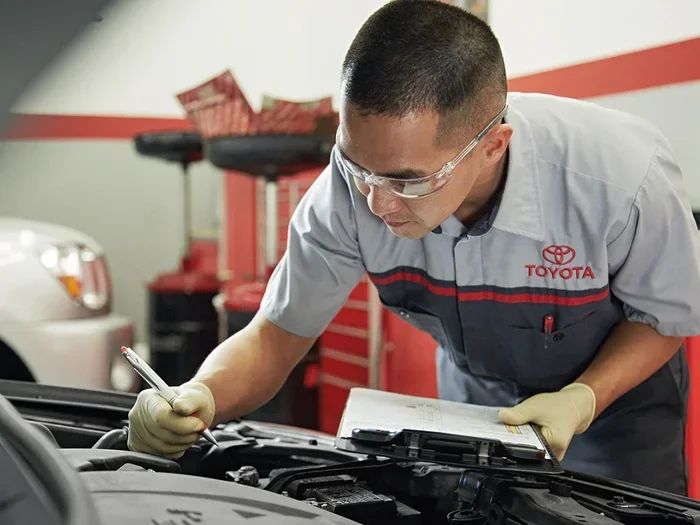
Visual guide about Toyota mechanic working on car
Image source: greenvilletoyota.com
Most car buyers ask the same question before signing any papers. They want to know what happens after the deal is done. Are Toyotas expensive to maintain? The short answer is usually no. But the full story depends on the model, your driving habits, and how well the vehicle has been cared for. In this guide, we will walk through the real numbers, common service needs, and smart ways to keep your budget on track.
Toyota has built a strong reputation for dependable cars, trucks, and SUVs. Many owners keep their vehicles for years without major headaches. That reputation is not just marketing. It comes from simple engineering, widely available parts, and a large network of service centers. Still, every car needs attention. Oil breaks down. Brakes wear down. Tires lose grip. Even the most reliable vehicle will ask for care over time.
Understanding Toyota maintenance costs helps you plan with confidence. You can set aside money each month. You can spot small issues before they grow. You can also decide when a repair makes sense and when it might be time to consider your next vehicle. Let us break it all down in plain language.
Why Toyota Ownership Often Means Lower Service Bills
Toyota designs its vehicles with practicality in mind. Many models use proven engines and transmissions that have been refined over many years. That approach reduces the chance of unusual failures. It also means mechanics see these cars often. When a technician knows a system well, work goes faster. Faster work often means lower labor charges.
Parts are another big factor. Toyota components are widely available across the country. That availability keeps prices competitive. You can often choose between dealer parts, trusted aftermarket options, and recycled parts for certain repairs. More choices usually mean better pricing.
Reliability also plays a role in everyday costs. A car that starts every morning and runs smoothly avoids many small frustrations. You spend less time diagnosing strange noises or warning lights. You also spend less on emergency fixes. That peace of mind is part of the ownership experience.
Routine Service Costs You Can Expect
Every vehicle needs regular care. For Toyota owners, the usual service list looks familiar. Oil changes, filter replacements, tire rotations, and fluid checks form the backbone of good upkeep. These tasks are predictable. Predictable costs are easier to budget.
An oil change is one of the most common services. The price depends on the engine, the oil type, and where you go for service. A basic service on a sedan or compact SUV is usually modest. Larger engines or specialized requirements may cost a bit more. Either way, this is a normal expense, not a surprise.
Tires also matter. Tire rotation helps them wear evenly. Alignment checks keep the car tracking straight and reduce uneven wear. Brakes need inspection too. Pads and rotors wear gradually, so planning for replacement avoids safety risks and bigger bills later.
Quick Tips:
– Keep a simple service log. Write down dates, mileage, and what was done.
– Follow the schedule in your owner manual. It is tailored to your model.
– Do not ignore small noises. Early checks often cost less than delayed repairs.
Common Mistakes:
– Skipping oil changes to save money. Old oil can stress the engine over time.
– Waiting until a warning light flashes. Early inspection usually prevents larger problems.
– Buying the cheapest parts without checking fit or quality. Poor parts can wear faster and cost more later.
Model Differences That Affect Maintenance Spending
Not all Toyotas cost the same to service. A small commuter car usually has lower parts and labor costs than a full-size truck. That does not mean one is bad and the other is good. It simply means size, weight, and drivetrain complexity change the numbers.
Compact cars often need smaller brake parts and less material for routine service. Their engines are usually simpler too. That can make basic maintenance more affordable. If you drive mostly in the city, these vehicles can be easy on your budget.
Larger SUVs and trucks may cost more for tires, brakes, and fluids. They also carry more weight, which can affect wear on certain components. Off-road use or heavy towing adds extra stress. If you use a truck for work or adventure, plan for more frequent checks on suspension, cooling, and drivetrain parts.
Some models are known for exceptional longevity. Others may need more attention as they age. If you are curious about specific vehicles, you can read more in our guide on what year Toyota Tundra to avoid. It breaks down common concerns and helps you shop with a clearer eye.
If you are comparing trucks, you may also find it useful to learn where Toyota trucks are manufactured. Knowing how and where a vehicle is built can help you understand parts support and service patterns in your area.
Annual Cost Estimates And Realistic Budgeting
Many owners like to think in yearly terms. That makes sense. Cars need steady care, not just one big repair now and then. A practical budget covers routine service, occasional replacements, and a small cushion for surprises.
For many Toyota owners, routine yearly costs stay manageable. Oil changes, tire rotations, inspections, and minor parts add up gradually. Larger items like brakes or tires may arrive every few years. If you spread those costs across months, the burden feels lighter.
A simple way to budget is to divide expected service into monthly savings. For example, set aside a modest amount each month. Use it for scheduled service first. Keep the rest as a cushion. This approach helps you avoid rushed decisions when a repair appears.
If your vehicle is newer, costs may lean more toward routine care. If it has higher mileage, plan for more inspections and aging parts. Age alone does not define cost, but wear does. A well-maintained older car can still be affordable to keep running.
Expert Insights:
– Track your service history. Patterns show you what to expect next.
– Separate routine costs from repair costs. This helps you see true ownership expenses.
– Compare quotes before major work. A second opinion can save money and confirm the need.
How Driving Habits Change Your Maintenance Needs
Your habits matter as much as the car itself. Short trips, heavy traffic, rough roads, and extreme weather all affect wear. A vehicle used for long highway drives often ages differently than one stuck in stop-and-go traffic.
Frequent short trips can keep an engine from fully warming up. That may lead to more moisture buildup and extra strain on some systems. If your routine includes many short runs, pay extra attention to oil changes and battery health. Simple habits make a difference.
Towing, hauling, and off-road use also change the picture. Extra load stresses brakes, suspension, and cooling systems. If your Toyota works hard, schedule checks more often. Look at coolant levels, brake condition, and tire wear. Prevention is easier than emergency repair.
Weather is another factor. Hot climates can challenge cooling systems and tires. Cold climates can strain batteries and affect fluid performance. Adjust your care routine to match your environment. A little seasonal attention goes a long way.
Common Repairs And When They Usually Show Up
Even dependable cars need repairs eventually. The good news is that many common issues are predictable. Brakes wear. Batteries fade. Suspension parts loosen. Belts and hoses age. When you know what to watch for, you can plan instead of panic.
Brake service is one of the most common needs. Pads thin out over time. Rotors may need resurfacing or replacement. This is normal wear, not a sign of failure. Addressing it on time keeps stopping power strong and avoids damage to other parts.
Battery replacement is another routine item. Batteries do not last forever. Extreme temperatures and heavy electrical use can shorten their life. If your car cranks slowly or electronics act oddly, test the battery early. A quick check is cheap compared with a roadside surprise.
Suspension and steering parts may need attention as mileage climbs. Bushings, shocks, and tie rods can wear gradually. You might notice wandering, noise, or uneven tire wear. Catching these signs early helps you control the cost and stay safe.
If you want to learn more about long-term ownership, you can check our article on how reliable Toyota Camrys are in daily use. It offers a helpful look at how one popular model holds up over time.
Smart Ways To Keep Costs Down Without Cutting Corners
Saving money does not mean skipping care. It means choosing wisely. Use the right oil. Replace filters on time. Keep tires properly inflated. These small habits protect bigger systems and help you avoid avoidable repairs.
Learn which tasks you can handle safely. Changing a wiper blade, replacing a bulb, or topping off washer fluid are simple jobs for many owners. If you are comfortable with basic tools, you may also handle air filter changes or battery replacement. Just follow safety steps and use the correct parts.
When a bigger repair comes up, ask clear questions. What is failing? Why is it failing? What happens if you wait? A good technician explains the issue in plain words. You should understand the need before approving the work.
Comparison Table: Routine Service Focus By Vehicle Type
Vehicle Type | Common Focus Areas | Typical Budget Feel
Compact sedan | Oil changes, brakes, tires, battery | Generally lower routine costs
Mid-size SUV | Oil changes, tires, brakes, suspension checks | Moderate routine costs
Full-size truck | Tires, brakes, fluids, cooling, drivetrain checks | Higher routine costs due to size and use
This table is a general guide. Your actual costs depend on driving style, climate, and service history. Still, it shows why one Toyota may cost more to maintain than another.
When Age And Mileage Start To Matter More
As a vehicle gets older, the focus shifts. Newer cars often need routine care and minor fixes. Older cars may need more monitoring. That does not mean they are bad purchases. It means ownership becomes more hands-on.
High mileage is not automatically a problem. Many Toyotas run well past high mile markers when cared for properly. The key is consistent service and timely repairs. A car with 150,000 miles and a solid history can be a smart choice. A neglected car with lower miles may cause more trouble.
If you are looking at an older model, inspect the basics carefully. Check for fluid leaks, worn brakes, tire condition, and battery health. Look at maintenance records if possible. Records tell a stronger story than a shiny exterior.
For specific guidance on aging models, you may want to read what year Toyota Highlander to avoid. It can help you spot patterns and make a more informed decision.
Building A Simple Maintenance Routine That Works
A good routine does not need to be complicated. Start with the owner manual. It lists service intervals and important checks. Use it as your roadmap. Then build a habit around oil changes, tire care, and seasonal inspections.
Set reminders. Use your phone or a simple calendar. When a service date approaches, schedule it before life gets busy. Regular timing makes the process smoother and helps you avoid last-minute stress.
Keep a small emergency fund for car care. Even a modest cushion helps when a tire needs replacement or a battery fails. This fund is not for guesswork. It is for readiness. When you are prepared, you make better decisions.
If your Toyota uses a key fob, simple battery care can also save hassle later. If the remote starts acting up, you can learn how to reprogram a Toyota key fob and get back to normal faster. Small fixes like that are part of smooth ownership too.
Final Thoughts On Toyota Maintenance Costs
So, are Toyotas expensive to maintain? For most owners, the answer is no, especially when compared with many other brands. Routine service is predictable. Parts are easy to find. Well-kept models often stay dependable for years. Of course, your costs will depend on the model, your driving, and how carefully you maintain the vehicle.
The best approach is simple. Follow the service schedule. Watch for small changes. Budget a little each month. Ask clear questions when repairs come up. If you do those things, you will likely enjoy a car that is practical, steady, and affordable to keep.
Toyota ownership works best when you treat maintenance as a normal part of driving, not a burden. With a little planning, you can keep your vehicle running well and your wallet happy. That is the real cost breakdown in plain terms.
Frequently Asked Questions
Are Toyotas expensive to maintain compared with other brands?
Generally, Toyotas cost less to maintain than many competitors because parts are widely available and the vehicles are known for dependable engineering. Routine service is usually predictable, and major repairs are less common when the car has been cared for properly.
How much should I budget for Toyota maintenance each year?
A practical budget covers routine service, tire care, brake inspections, and a small cushion for unexpected needs. Many owners set aside a modest amount each month so yearly costs feel manageable instead of overwhelming.
Do older Toyotas cost more to maintain?
Older vehicles often need more attention because parts wear over time. However, a well-maintained older Toyota can still be affordable to keep running. The key is steady service history and timely replacement of aging components.
Which Toyota models usually cost the least to maintain?
Smaller sedans and compact models often have lower routine costs because they use smaller brakes, tires, and simpler systems. Larger trucks and SUVs may cost more due to size, weight, and heavier-duty parts.
What are the most common Toyota maintenance tasks?
Common tasks include oil changes, tire rotations, brake inspections, fluid checks, battery testing, and filter replacements. These services help keep the vehicle reliable and prevent small issues from becoming larger repairs.
How can I reduce Toyota maintenance costs without risking reliability?
Follow the service schedule, use the correct fluids and parts, and address small warning signs early. Learning a few simple DIY tasks and comparing quotes for larger repairs can also help you spend wisely while protecting the vehicle.