
Many car buyers wonder if Toyotas made in Japan are truly better than those built in America. The answer might surprise you because both factories follow strict standards. Reliability often depends more on the model and maintenance than the assembly location. This guide breaks down the real differences so you can choose with confidence.
Many people believe that Toyotas made in Japan hold a special reputation for quality. This idea comes from decades of Japanese manufacturing excellence. Car buyers often wonder if they should pay extra for an import. Others trust American factories just as much. The truth sits somewhere in the middle.
Toyota has grown into a global giant. They build cars in many countries. Each factory aims for the same high standards. Yet small differences can exist. These differences might affect your buying decision. Understanding them helps you spend your money wisely.
This article explores the real story behind Toyota manufacturing. We will look at quality control, reliability data, and parts sourcing. You will learn what matters most for your next car. Let’s dive into the facts and clear up the confusion.
Key Takeaways
- Manufacturing location matters less than you think: Both Japanese and US plants follow Toyota’s strict quality standards.
- Reliability is model-specific: Some models perform better regardless of where they are built.
- Quality control is consistent: Toyota uses the same processes in Japan and the United States.
- Parts sourcing can vary: Many components come from global suppliers for both locations.
- US-built Toyotas offer great value: Domestic models often have similar dependability ratings.
- Research your specific VIN: The build location appears on your vehicle identification number.
- Personal needs drive the choice: Features and pricing often matter more than assembly country.
📑 Table of Contents
The Reputation of Japanese Manufacturing
Japan built a strong name in the auto industry. For years, Japanese cars stood for durability and precision. This reputation started in the 1970s and 1980s. Back then, Japanese imports showed amazing reliability. American buyers noticed the difference right away.
Toyota earned trust through consistent performance. Their vehicles often lasted longer than competitors. This created a loyal customer base. Many people still think Toyotas made in Japan carry this legacy. The brand image stays powerful today.
The Toyota Production System
Toyota developed a unique way to build cars. They call it the Toyota Production System. This method focuses on reducing waste. It also emphasizes constant improvement. Workers on the line can stop production if they see a problem. This ensures quality stays high.
This system started in Japan. It spread to other factories over time. US plants now use many of these same ideas. The core philosophy remains the same everywhere. Still, some fans feel the original Japanese roots matter.
Historical Quality Differences
Old data did show gaps between countries. Decades ago, Japanese plants often outperformed US factories. Labor practices and technology differed back then. American auto workers faced different challenges. These gaps have narrowed greatly in recent years.
Modern factories use advanced robotics everywhere. Training programs have improved globally. Quality control now reaches high levels in all major plants. The old stereotypes do not always match today’s reality.
How Toyota Builds Cars in Japan
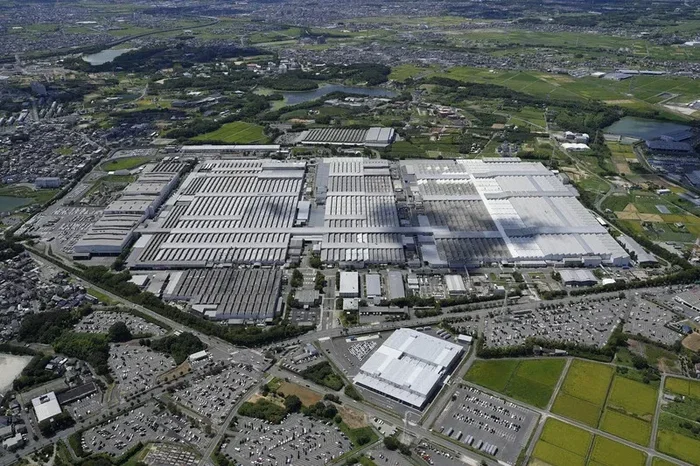
Japanese factories hold a special place in Toyota’s history. The main plants sit in regions like Aichi Prefecture. These facilities build many popular models. They also create engines and parts for the world.

Visual guide about Toyota manufacturing plant Japan
Image source: i.ytimg.com
Workers in Japan follow strict procedures. Every step gets checked multiple times. Assembly line processes run with great precision. Managers track every detail closely. This attention to detail supports the brand’s image.
Key Models Built in Japan
Several well-known cars come from Japanese factories. The Toyota Corolla often rolls off lines there. The Toyota Camry also gets built in Japan sometimes. Smaller cars and hybrids frequently originate there too. These models carry the Japanese manufacturing stamp.
Some high-end versions also come from Japan. Special trims might get extra attention. Enthusiasts sometimes seek these imports. They believe the Japanese build holds unique value. This belief drives some buying choices.
Quality Control in Japanese Plants
Quality checks happen at every stage. Workers inspect parts before assembly. They also check the finished vehicle thoroughly. Inspection processes catch issues early. This prevents defects from reaching customers.
Toyota uses statistical methods to track quality. They measure defect rates constantly. If a problem appears, they fix it fast. This systematic approach keeps standards high. Both Japanese and US plants follow similar rules.
How Toyota Builds Cars in the USA
American factories play a huge role in Toyota’s success. The company built its first US plant decades ago. Since then, US manufacturing has grown a lot. Several large facilities now operate across the country.
These plants create many popular models. Trucks, SUVs, and sedans all get built stateside. Workers receive extensive training. They learn the same methods used in Japan. The goal stays consistent across all locations.
Key Models Built in the USA
Many Toyotas made in the USA serve American buyers well. The Toyota Camry often comes from US plants. The Toyota RAV4 also gets assembled here. Trucks like the Toyota Tacoma might be built in America too. These vehicles meet local market needs.
Some hybrid models also originate in the US. Toyota invests heavily in American production. This creates jobs and supports the local economy. Buyers who want domestic content often prefer these models.
Quality Control in US Plants
American factories maintain high standards. They use the same quality assurance systems as Japan. Inspectors check every vehicle before it leaves. Automated systems also help catch errors. The result is consistent quality.
Data shows US-built Toyotas perform well. Reliability ratings often match Japanese models. Some studies even show small advantages for certain US plants. The location alone does not predict quality. Many other factors matter more.
Comparing Reliability and Quality
This is the big question many buyers ask. Are Toyotas made in Japan better for reliability? The answer needs careful looking. Reliability depends on many things. Assembly location is just one piece.
Consumer reports and reliability surveys help us. They track problems across thousands of vehicles. These studies often show small differences. Sometimes Japanese models score slightly higher. Other times US models lead the pack. The gaps rarely change the overall picture.
Real-World Reliability Data
Long-term data shows both versions work well. Vehicle dependability stays strong across the brand. Owners report fewer issues with Toyotas overall. This holds true for both Japanese and US builds. The brand reputation has solid roots.
Specific models matter more than location. A well-designed car will perform better. A poorly designed car will struggle anywhere. Buyers should focus on model history. Check reliability ratings for the exact vehicle you want.
Parts and Components
Modern cars use global supply chains. Parts come from many countries. A Toyota made in Japan might use US-made parts. A US-built Toyota might use Japanese components. This mixing makes location less important.
Engines and transmissions often come from specialized plants. These parts get built to the same specs. Quality standards apply to all suppliers. The final assembly location does not change part quality much.
Factors That Actually Matter More
Buyers should look beyond assembly country. Several other factors affect your experience. Toyota reliability depends on design and maintenance. Your driving habits also play a role. Smart buyers weigh all these elements.
Model-Specific Reliability
Some Toyota models have better records. The Toyota Camry often ranks high for dependability. The Toyota Corolla also shows strong longevity. These models perform well regardless of build location. Research your specific model before buying.
Newer models might have different issues. First-year production can show more problems. Waiting for updates sometimes helps. Also, check recall histories for the model. This gives you a fuller picture.
Maintenance and Ownership
How you care for your car matters most. Regular maintenance keeps any vehicle running well. Oil changes, tire rotations, and inspections prevent issues. Neglect causes problems in any car. Good ownership habits extend vehicle life.
Driving style also affects reliability. Hard acceleration and rough roads cause wear. Gentle driving helps components last longer. Your environment matters too. Extreme heat or cold can stress certain parts.
Dealer and Service Quality
Where you service your car counts too. Good dealers provide better support. Skilled mechanics catch issues early. Service quality varies by location. Choose a reputable dealer for peace of mind.
Warranty coverage also protects your investment. Toyota offers solid warranty terms. These cover defects and major failures. Understanding your coverage helps you feel secure. Both Japanese and US models get the same warranty support.
Making the Right Choice for You
So how should you decide? Start by identifying your needs. Think about budget, features, and size. Then compare models that fit those needs. Check reliability data for each option. The assembly location should be a minor factor.
If you want a Japanese-built model, you can find one. Ask dealers about build origins. Your vehicle identification number reveals the factory. Some buyers prefer this for personal reasons. That choice is valid if it matters to you.
If you want a US-built Toyota, many options exist. American plants produce plenty of vehicles. You can often find great deals on domestic models. Local content might also matter for some buyers. Both choices offer solid quality.
Quick Tips for Buyers
Here are some helpful tips for your search:
- Check the VIN: Use the vehicle identification number to find the build plant.
- Research model history: Look up reliability ratings for the specific model year.
- Compare pricing: Japanese imports might cost more due to shipping.
- Test drive both: Experience the vehicle personally before deciding.
- Ask about warranties: Confirm coverage details for your chosen model.
- Read owner reviews: Real owner experiences reveal practical insights.
Common Mistakes to Avoid
Some buyers make errors during the search. Avoid these common pitfalls:
- Assuming location equals quality: This old belief does not always hold true.
- Ignoring model-specific data: Focus on the exact model you want.
- Overlooking maintenance costs: Factor in long-term ownership expenses.
- Skipping the test drive: Always experience the car firsthand.
- Rushing the decision: Take time to compare your options carefully.
Expert Insights on Toyota Manufacturing
Industry experts share useful perspectives. Many say the gap between countries has closed. Modern manufacturing standards apply globally. Toyota quality stays high in all major plants. The brand’s systems ensure consistency.
Some experts note small variations still exist. Different work cultures can affect minor details. These differences rarely impact overall reliability. Buyers should not overthink the assembly location. The bigger picture matters more.
Toyota continues to invest in all its plants. Upgrades happen in Japan and the US. Technology improves at every facility. This ongoing investment supports long-term quality. The brand stays committed to excellence everywhere.
Key Takeaways
Let’s recap the main points from this guide:
- Assembly location is not the main factor: Quality standards remain high in both countries.
- Model selection matters most: Choose a model with a strong reliability record.
- Parts come from global sources: Supply chains mix components from many places.
- Maintenance drives longevity: Good care keeps any Toyota running well.
- VIN reveals build origin: You can check where your car was made.
- Both options offer value: Japanese and US models both deserve consideration.
When you ask are Toyotas made in Japan better, the honest answer is nuanced. Both Japanese and American factories produce excellent vehicles. Toyota’s global standards keep quality consistent. Your best choice depends on the model, features, and price. Focus on what truly matters for your daily driving. A well-chosen Toyota will serve you well, no matter where it was built.
Frequently Asked Questions
Are Toyotas made in Japan more reliable than US models?
Reliability data shows both Japanese and US-built Toyotas perform well. The differences are usually small and depend more on the specific model than the assembly location. You should research the exact model you want rather than focusing only on where it was built.
How can I tell if my Toyota was made in Japan or the USA?
You can check your vehicle identification number to find the build plant. The first few characters of the VIN reveal the country and factory where your car was assembled. You can also ask the dealer or look up the VIN online for detailed build information.
Do Japanese-built Toyotas use better parts than US-built ones?
Parts often come from global suppliers for both Japanese and US factories. Toyota maintains the same quality standards for all components regardless of the assembly location. The supply chain mixes parts from many countries, so build location does not guarantee better parts.
Which Toyota models are typically built in Japan?
Models like the Corolla, Camry, and various hybrid vehicles are often built in Japan. Some special trims and smaller cars also come from Japanese factories. However, Toyota produces many models in multiple locations, so the exact build plant can vary by model year and market.
Is it worth paying extra for a Japanese-built Toyota?
Paying extra for a Japanese-built Toyota usually is not necessary for reliability reasons. Both Japanese and US plants follow strict quality standards that produce dependable vehicles. You should base your decision on the model, features, price, and your personal preferences instead.
Do US-built Toyotas have the same warranty as Japanese imports?
Yes, Toyota provides the same warranty coverage for vehicles regardless of where they were assembled. The warranty terms apply to all new Toyota vehicles sold in the same market. You can feel confident that both Japanese and US-built models receive equal warranty protection.