
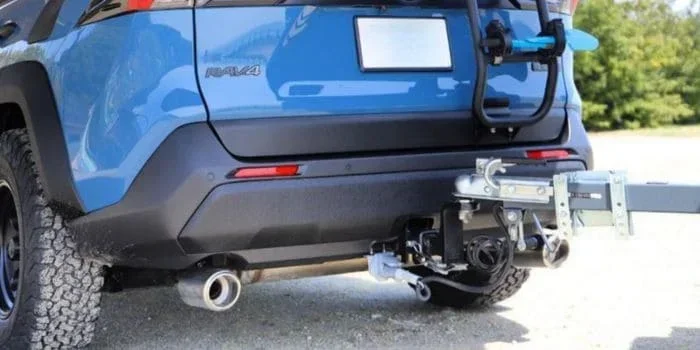
Can a Toyota RAV4 tow a trailer? Yes, most modern RAV4 models can safely pull small to medium loads up to their rated capacity. The exact limit depends on your trim level, engine, and drivetrain configuration. With the right hitch, proper weight distribution, and a few smart habits, you can haul gear, bikes, or a lightweight camper without stressing your vehicle. This guide breaks down the real numbers, setup steps, and common mistakes to keep your trips smooth and safe.
If you have ever looked at a small camper, a utility trailer, or a rack full of bikes and wondered can a Toyota RAV4 tow a trailer, you are not alone. This compact SUV is popular for daily driving, family trips, and light adventures. Many owners want to know if it can also handle a bit of hauling without sacrificing safety or comfort. The short answer is yes, with the right setup and a clear understanding of your vehicle’s limits.
Towing is not just about raw numbers. It is about matching the trailer to your SUV, choosing the correct hitch, balancing the load, and driving with care. When you do those things well, a RAV4 can pull a surprising amount of gear. In this guide, we will walk through the official capacity, the trim differences, the hitch you need, and the practical habits that keep every trip smooth.
Key Takeaways
- Towing Capacity: Most Toyota RAV4 trims can tow up to 1,500 to 3,500 pounds, depending on the model year and drivetrain.
- Hitch Matters: A proper class I or II hitch plus the correct ball size is essential for safe towing and electrical compatibility.
- Weight Distribution: Keep your trailer under the rated limit, balance the load, and maintain a low center of gravity for stable handling.
- Driver Aids Help: Features like trailer sway control, hill start assist, and dynamic radar cruise can make towing easier and safer.
- Maintenance Checks: Inspect tires, brakes, fluids, and cooling systems before long hauls to protect your RAV4 and trailer.
- Know the Limits: Payload, tongue weight, and local regulations all affect what you can safely tow on public roads.
- Plan Ahead: Match your trailer to your RAV4’s capacity, practice low-speed maneuvers, and verify lighting and brake setups before every trip.
📑 Table of Contents
- Understanding the Toyota RAV4 Towing Capacity
- Choosing the Right Hitch and Setup
- Driving With a Trailer: Tips for Confidence and Control
- Maintenance and Safety Checks Before You Tow
- Payload, Tongue Weight, and Legal Limits
- When the RAV4 Is a Great Match and When to Look Elsewhere
- Final Thoughts on Can a Toyota RAV4 Tow a Trailer
Understanding the Toyota RAV4 Towing Capacity
The first step is knowing what your specific RAV4 can handle. Towing limits vary by model year, engine, and drivetrain. Most recent RAV4 models fall into a light-duty towing range. That means they are well suited for small campers, cargo trailers, and recreational gear rather than heavy travel trailers or large boats.
What the Numbers Mean
Towing capacity is the maximum weight your vehicle can pull safely. It is different from payload, which is the weight your SUV can carry inside including passengers and cargo. Both matter because a heavy load inside the vehicle reduces the margin for towing. Always check your owner’s manual for the exact rating for your trim and year.
Here is a simple comparison to show how the RAV4 fits among common light towing needs:
| Use Case | Typical Trailer Weight | RAV4 Fit |
|---|---|---|
| Bike or gear rack | 200 to 500 lbs | Very good fit |
| Small utility trailer | 600 to 1,200 lbs | Good fit |
| Lightweight pop-up camper | 1,200 to 2,000 lbs | Possible with careful matching |
| Medium travel trailer | 2,500 to 3,500 lbs | Only if your RAV4 is rated for it |
| Large boat trailer | 3,000 lbs and up | Usually beyond RAV4 range |
Quick Tip: Always weigh your loaded trailer at a scale before heading out. The sticker on the trailer and the real-world weight can differ once you add gear, water, and accessories.
Trim and Drivetrain Differences
Not every RAV4 is built the same. Front-wheel drive and all-wheel drive models may have different ratings. Hybrid variants also have their own considerations because of the extra electrical components and cooling needs. Some trims come with convenience features that make towing easier, while others focus more on efficiency.
Common Toyota RAV4 towing topics owners explore include how the AWD system behaves under load, whether the hybrid battery affects long trips, and how the transmission handles hill climbs. If you want a deeper look at powertrain behavior, you can read more about A T Oil Temp Toyota Rav4 and see how temperatures can change under heavier demands.
Real-World Examples
Imagine loading a small utility trailer with camping chairs, a cooler, and two bicycles. That setup often stays well under 1,000 pounds. A RAV4 handles that easily when the load is balanced and the hitch is installed correctly. Now picture a lightweight pop-up camper with a bit of freshwater and gear. That can push closer to the upper limit, so you will want to verify the exact rating and keep tongue weight in check.
Expert Insight: Treat the rated capacity as a ceiling, not a target. Operating comfortably below the limit gives you better braking, less strain on components, and more confidence in wind or passing trucks.
Choosing the Right Hitch and Setup
A proper hitch is the backbone of safe towing. The RAV4 needs a hitch that matches its frame, your trailer coupler, and the electrical requirements. Using the wrong setup can cause sway, poor lighting, or even damage to the vehicle.
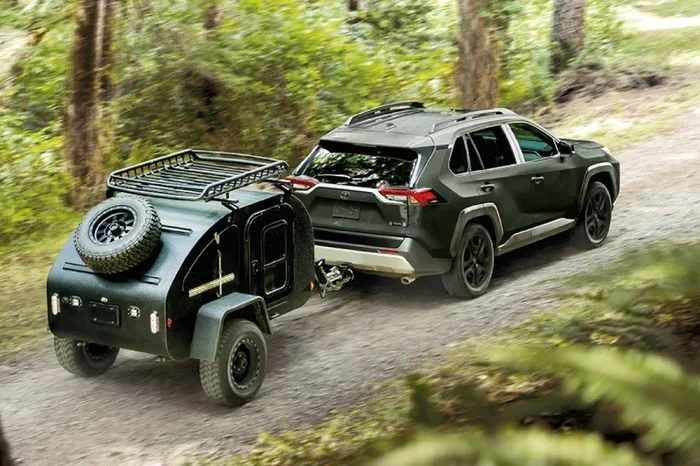
Visual guide about Toyota RAV4 towing trailer
Image source: toyotaofnewbern.com
Class I vs Class II Hitches
Most RAV4 towing setups use a light-duty hitch. Class I hitches are common for smaller loads and typically use a 1.25-inch ball. Class II hitches can handle slightly more weight and may use a 1.5-inch ball. The right choice depends on your trailer’s coupler and your vehicle’s rating. Do not mix parts that are not rated for the same load.
Key parts to check include:
- Hitch receiver: Matches your RAV4’s frame and towing class.
- Ball mount: Sets the correct height to keep the trailer level.
- Trailer ball: Matches the coupler size for a secure connection.
- Safety chains: Crossed under the tongue for backup support.
- Electrical connector: Powers brake lights, turn signals, and sometimes trailer brakes.
Common Mistake: Installing a hitch that is too high or too low for the trailer. An uneven setup causes tongue weight issues and can make the trailer hunt or sway.
Tongue Weight and Load Balance
Tongue weight is the downward force the trailer puts on the hitch. It usually should be about 10 to 15 percent of the total trailer weight. Too little tongue weight can make the trailer unstable. Too much can overload the rear of the SUV and affect steering.
To balance the load, place heavier items over the axle and close to the hitch. Secure everything so it cannot shift during travel. A quick check with a scale or a tongue weight device can save you from a rough ride.
Quick Tip: If your trailer runs level when hitched, you are usually in a good zone. Use a small floor jack or a built-in tongue weight scale to verify before long trips.
Electrical and Brake Considerations
Lighting is not optional. Your RAV4 must power the trailer’s brake lights and turn signals. Some trailers also use electric brakes, which require a compatible controller or a trailer with its own braking system. Check local rules because brake requirements often depend on trailer weight.
If you are new to towing, a short practice session in an empty lot helps a lot. Test the lights, practice backing up, and get a feel for how the RAV4 responds with the trailer attached. A little rehearsal goes a long way on real roads.
Driving With a Trailer: Tips for Confidence and Control
Towing changes how your RAV4 accelerates, brakes, and turns. The good news is that a few simple habits make the whole experience smoother. Think of it as driving with a wider turning radius and a longer stopping distance. Once you adjust, it becomes second nature.
Acceleration and Braking
Give yourself more room to merge and more distance to stop. The added weight means slower climbs and longer braking. Start braking earlier than usual, especially before intersections and downhill stretches. Avoid sudden throttle changes because they can trigger trailer sway.
A calm, steady pace is your best friend. On highways, stay in the right lane when practical and keep a larger gap ahead. If you feel the trailer start to wander, ease off the throttle gently rather than making sharp steering moves.
Cornering and Backing Up
Trailers track inside turns, so you need to swing wider. Watch your mirrors and give extra space to curbs, signs, and other vehicles. When backing up, turn the steering wheel opposite the direction you want the trailer to go. It feels odd at first, but a few minutes of practice makes it click.
Expert Insight: Use a spotter when possible, especially in tight campsites or loading areas. A second pair of eyes prevents dings and saves time.
Helpful Driver Features
Modern RAV4 models include aids that can make towing easier. Features like dynamic radar cruise, lane tracing, and hill start assist can reduce fatigue on long drives. Some setups also support trailer sway control, which helps stabilize the load if it starts to move side to side.
If you want to understand how hybrid systems behave during towing and daily use, you may also find it useful to read about How Long Does A Toyota Rav4 Hybrid Battery Last. Knowing how the hybrid system works can help you plan trips and manage expectations.
Quick Tip: Turn off cruise control on steep grades or in heavy traffic when towing. Manual control gives you better feel and faster reactions.
Maintenance and Safety Checks Before You Tow
A short pre-trip inspection protects both your RAV4 and your trailer. It takes only a few minutes and can prevent bigger problems later. Focus on tires, fluids, brakes, lights, and cooling.
Tires and Pressure
Check the tire pressure on both the SUV and the trailer. Underinflated tires run hotter and wear faster, especially under load. Look for cracks, bulges, and worn tread. Do not forget the spare tire on the trailer if it has one.
Fluids and Cooling
Towing puts extra demand on the engine and transmission. Verify oil, coolant, and brake fluid levels. Make sure the cooling system is in good shape, because heavier loads raise operating temperatures. If you notice unusual temperature readings, stop and investigate before continuing.
For a closer look at oil capacity and service habits on related Toyota models, you can explore How Many Quarts Of Oil In A Toyota Camry and How Many Quarts Of Oil Does A Toyota Corolla Take. These guides show how routine checks support reliability across Toyota vehicles.
Brakes, Lights, and Connections
Test the trailer brakes if equipped. Confirm that the brake controller, if used, is set properly. Walk around to verify all lights, reflectors, and the hitch connection. Recheck safety chains and the load securement after the first few miles of driving.
Common Mistake: Forgetting to recheck the setup after driving a short distance. Heat and movement can loosen connections or shift the load, so a quick second check is smart.
Planning for the Trip
Think about the route before you leave. Some roads, bridges, or parking areas have weight or height limits. Plan fuel stops, rest breaks, and places to set up if you are hauling a camper. A little planning keeps the day relaxed and reduces stress behind the wheel.
Key Takeaway: A calm driver, a balanced load, and a well-checked setup create the safest towing experience. Small habits prevent big headaches.
Payload, Tongue Weight, and Legal Limits
Towing capacity gets a lot of attention, but payload matters just as much. Payload is what your RAV4 can carry inside the cabin and on the hitch. Passengers, cargo, and tongue weight all count toward that limit. Overloading the payload can affect braking, suspension, and handling even if the trailer itself is within the towing rating.
How to Stay Within Limits
Start by checking the door jamb sticker or the owner’s manual for your payload rating. Then add up the people, gear inside the SUV, and the trailer tongue weight. Keep the total comfortably below the maximum. If you are close to the limit, remove nonessential items before you hit the road.
A simple checklist helps:
- Count passengers and their gear.
- Weigh the loaded trailer and measure tongue weight.
- Add interior cargo weight.
- Compare the total to the payload rating.
- Remove excess weight if needed.
Expert Insight: It is better to leave a little behind than to push the limit. A lighter setup feels more stable and puts less stress on every component.
Legal and Road Considerations
Rules can vary by location. Some areas require trailer brakes above a certain weight, and some roads restrict towing during certain conditions. Make sure your lighting and braking setup meets local requirements. If you are traveling across state lines or into mountainous regions, check for any special guidance before you go.
If you are wondering about other Toyota models for heavier tasks, you might compare options like a Can A Toyota Highlander Tow or a Will A Toyota Tacoma Pull A Boat. Those vehicles sit in different segments and can handle different kinds of loads, so choose the right tool for the job.
When the RAV4 Is a Great Match and When to Look Elsewhere
The RAV4 shines when the trailer is light to moderate and the trip is mostly highway or easy backroads. It is a strong choice for weekend gear, small campers, and utility tasks that do not demand a heavy hauler. If your plans involve large boats, big travel trailers, or frequent steep mountain grades with a heavy load, you may want a vehicle with a higher rating and a more robust cooling system.
Best Use Cases
Here are situations where a RAV4 typically makes sense:
- hauling bikes, kayaks, or small gear trailers
- moving landscaping materials in a compact utility trailer
- towing a lightweight pop-up or teardrop-style camper within rating
- short trips with a well-balanced load and proper hitch
When to Consider More Capacity
Think about a different vehicle if your trailer consistently approaches or exceeds your RAV4’s rating, if you often tow in hot climates with steep grades, or if you need to carry many passengers and a heavy trailer at the same time. In those cases, a truck or a larger SUV may be a better fit. You can also look into factory ordering options if you want a specific configuration for regular towing. For more on that process, see Can You Order A Toyota From The Factory.
Quick Tip: Match the vehicle to the job, not just the weekend. If towing is a regular part of your life, choose a setup that leaves room for growth and comfort.
Final Thoughts on Can a Toyota RAV4 Tow a Trailer
So, can a Toyota RAV4 tow a trailer? For many owners, the answer is yes, as long as you respect the rating, use the right hitch, and keep the load balanced. The RAV4 is a versatile SUV that can handle a wide range of light towing tasks with confidence. It is not a heavy-duty hauler, but it is a capable and practical choice for everyday adventures.
The best results come from preparation. Weigh your trailer, check your payload, set the hitch correctly, and verify lights and brakes before every trip. Drive smoothly, give yourself extra space, and take a little time to practice. With those habits, you will get the most out of your RAV4 and enjoy every mile with your trailer in tow.
Frequently Asked Questions
Can a Toyota RAV4 tow a small camper?
Yes, many RAV4 models can tow a lightweight camper if the total weight stays within the vehicle’s rated capacity. Keep the load balanced, verify tongue weight, and use the correct hitch for safe results.
What size hitch do I need for a RAV4 trailer setup?
Most RAV4 towing setups use a light-duty class I or class II hitch with a ball size that matches your trailer coupler. Choose parts rated for your load and make sure the setup keeps the trailer level.
Do I need trailer brakes with a RAV4?
That depends on your trailer weight and local regulations. Many regions require brakes above a certain weight, so check the rules and test the braking system before each trip.
Can I tow with a RAV4 hybrid?
Yes, hybrid RAV4 models can tow within their rated limits, but you should confirm the specific rating for your trim and year. Monitor temperatures and drive smoothly to reduce strain on the system.
How much tongue weight should my trailer have?
A good target is about 10 to 15 percent of the total trailer weight. Proper tongue weight improves stability and helps the RAV4 track straight behind the trailer.
What should I check before towing with my RAV4?
Check tire pressure, fluid levels, lights, hitch connections, safety chains, and load securement. A quick pre-trip inspection helps you catch small issues before they become big problems on the road.