
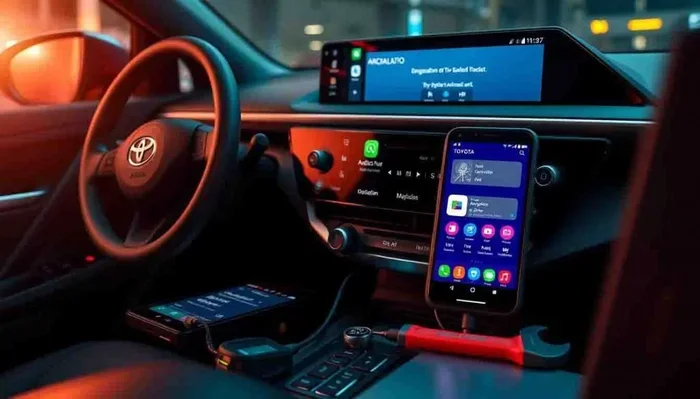
Does Toyota have Android Auto compatibility? Yes, most modern Toyota vehicles support Android Auto, making it easy to connect your phone to the car screen. You can use maps, music, and messages safely while driving. Setup is simple, and many models work with both wired and wireless connections. If you own an older Toyota, you may need an update or a new head unit. This guide explains everything you need to know.
Key Takeaways
- Yes, Toyota supports Android Auto: Most 2019 and newer models come with built-in Android Auto support.
- Wireless and wired options exist: Some trims offer wireless Android Auto, while others need a USB cable.
- Model matters: Camry, Corolla, RAV4, Highlander, and more all support Android Auto in recent years.
- Software updates help: Older Toyota vehicles may gain Android Auto after a system update.
- Safe driving features work: Android Auto keeps your phone locked behind the wheel and shows key apps on the dash.
- Check your trim level: Not every trim gets the same infotainment system, so verify before you buy.
- Setup is easy: You usually just plug in, approve permissions, and start using your favorite apps.
📑 Table of Contents
- Does Toyota Have Android Auto Compatibility in Modern Vehicles
- Which Toyota Models Support Android Auto
- Wired vs Wireless Android Auto in Toyotas
- How to Set Up Android Auto in a Toyota
- Common Android Auto Problems and Fixes
- How Android Auto Improves the Toyota Driving Experience
- Does Toyota Have Android Auto Compatibility for Older Models
- Expert Insights on Choosing a Toyota with Android Auto
- Final Thoughts on Does Toyota Have Android Auto Compatibility
Does Toyota Have Android Auto Compatibility in Modern Vehicles
If you are asking does Toyota have Android Auto compatibility, the short answer is yes for most new models. Toyota has made infotainment a big focus in recent years. Many drivers want their phones to work smoothly with the car screen. Android Auto helps with that. It brings your maps, music, messages, and voice commands to the dashboard in a safe, simple way.
Toyota started adding Android Auto to more vehicles after 2019. Since then, the brand has expanded support across many nameplates. You will find it in popular models like the Camry, Corolla, RAV4, Highlander, and Sienna. Even some trucks and SUVs now include it. The goal is to keep you connected without distracting you.
This guide breaks down what works, what does not, and how to check your own vehicle. We will also cover setup steps, common issues, and tips for getting the best experience. If you are shopping for a Toyota or already own one, this information will help you make the most of your drive.
Which Toyota Models Support Android Auto
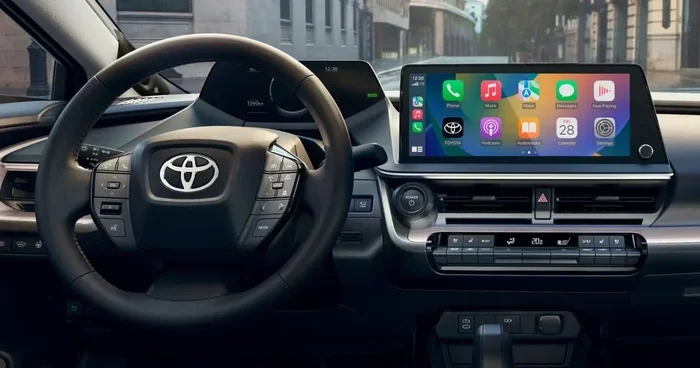
Visual guide about Toyota Android Auto smartphone
Image source: ddztmb1ahc6o7.cloudfront.net
Not every Toyota has the same tech package. The Infotainment III system and newer head units usually support Android Auto. Older systems may only offer Apple CarPlay or no phone projection at all. Here is a quick look at where Android Auto shows up.
Popular Sedans and Hatchbacks
Models like the Toyota Camry and Toyota Corolla often include Android Auto in newer trims. If you are curious about drive modes and handling, you may also want to read about does the Toyota Corolla have all wheel drive. That can matter if you want a car that feels steady in rain or snow while you use navigation on the screen.
The Corolla hatchback and Corolla Cross also appear in many tech lists. These cars usually come with a touchscreen that supports phone projection. Some base trims may skip it, so always check the window sticker or build sheet.
SUVs and Crossovers
The Toyota RAV4 is one of the most popular SUVs, and many versions support Android Auto. If you want to know about cargo space or rear seating, see does the Toyota RAV4 have a third row. That helps when you need to carry more people and still keep your phone connected for maps and music.
The Toyota Highlander is another strong choice for families. It often includes Android Auto on higher trims. You can also check does the Toyota Highlander have remote start if you want to warm up the car before you leave. A connected car experience is even better when you can start things from your phone.
The Toyota 4Runner is built for rugged use, and newer models have added more tech. Some buyers ask about extra seating, so you may also like does Toyota 4Runner have 3rd row seating. While the 4Runner focuses on off-road strength, Android Auto still works in many recent versions for daily driving tasks.
Minivans and Trucks
The Toyota Sienna is a great family hauler, and Android Auto appears in many trims. If you want flexible rear seats, read does the Toyota Sienna have stow and go seats. That matters when you carry kids and need quick access to navigation or music.
Truck buyers often look at the Toyota Tacoma and Toyota Tundra. These vehicles have gained more tech features over time. Some trims include Android Auto, while others may need an update or a higher package. If you want to understand trim labels, check what does SR5 mean on Toyota Tacoma. Knowing your trim helps you confirm which tech features are included.
Wired vs Wireless Android Auto in Toyotas
Toyota offers both wired and wireless Android Auto in different models and trims. Wired Android Auto uses a USB cable to connect your phone. Wireless Android Auto connects over Wi-Fi without a cable. Both have pros and cons.
Wired Android Auto is simple and reliable. You plug in, the car reads the phone, and the screen shows your apps. It is a good choice if your vehicle does not support wireless connections. It also uses less battery on some phones because the cable can charge the device.
Wireless Android Auto is more convenient. You do not need to plug in every time you drive. The phone can stay in your pocket or cup holder. However, wireless connections may use more phone battery and can be slower to start on some models. Signal quality also matters, especially if you have a lot of devices in the car.
Some Toyotas allow both. In those cases, you can choose what works best for you. If you use wired Android Auto, keep a good USB cable in the car. If you use wireless, make sure your phone supports it and that your Toyota software is up to date.
How to Set Up Android Auto in a Toyota
Setting up Android Auto is usually quick. The steps are similar across most Toyota models. Here is a simple process you can follow.
Step-by-Step Setup
- Check your phone: Make sure your Android phone supports Android Auto and has the app installed if needed.
- Turn on the car: Start the engine or put the car in accessory mode.
- Connect the phone: Use a USB cable for wired Android Auto, or pair via Bluetooth and Wi-Fi for wireless.
- Approve permissions: Follow the prompts on the car screen and phone to allow access.
- Open Android Auto: Tap the Android Auto icon on the Toyota screen if it does not launch automatically.
- Test key apps: Try maps, music, and voice commands to confirm everything works.
If the connection fails, try a different USB cable first. Cables are the most common problem. Also check that your phone software is updated. Toyota system updates can also improve stability, so ask your dealer about the latest infotainment software.
Quick Tips for a Smooth Setup
- Use a high-quality USB cable that supports data transfer, not just charging.
- Keep your phone close to the car during wireless pairing.
- Restart the infotainment system if the screen freezes.
- Remove old phone pairings if you changed devices.
- Check that Android Auto is enabled in your phone settings.
Common Android Auto Problems and Fixes
Even when your Toyota supports Android Auto, you may run into small issues. Most of them are easy to fix. Here are the most common problems and what to do about them.
Phone Does Not Connect
This often happens because of a bad cable or a software mismatch. Try a new cable first. Then restart both the phone and the car system. If you use wireless Android Auto, make sure Bluetooth and Wi-Fi are on. Sometimes deleting the car from your phone’s paired devices and re-pairing helps too.
Screen Freezes or Lag
A slow screen can be frustrating. This may happen after a long drive or when the system is updating. Turn the car off, wait a minute, and start again. If the problem keeps happening, ask about a system update. A fresh update can improve speed and fix bugs.
Apps Do Not Show Up
Some apps are not supported by Android Auto. Only approved apps appear on the car screen. If your favorite app is missing, check whether it supports Android Auto. You may also need to update the app itself. In some cases, the car’s infotainment software may need an update to recognize newer apps.
Voice Commands Are Weak
Voice control depends on your phone and the car microphone. If the system does not hear you well, check for background noise. Try speaking clearly and closer to the mic. You can also test voice commands with a different app to see if the issue is app-specific.
How Android Auto Improves the Toyota Driving Experience
Android Auto is more than a convenience. It helps you stay focused and organized. Instead of typing on a small phone screen, you can use the car display and voice commands. That makes driving safer and less stressful.
Here are a few ways Android Auto adds value to a Toyota.
Better Navigation
You can use Google Maps or other supported navigation apps on the big screen. This makes it easier to see turns, traffic, and estimated arrival times. If you often drive in new areas, this is a big help. You can also search for places by voice, which keeps your hands on the wheel.
Music and Podcasts
Android Auto lets you control music without fumbling with your phone. You can switch songs, pause, or change playlists using the car screen or voice commands. That is useful on long commutes or road trips. Many drivers also like how it keeps the audio simple and organized.
Messages and Calls
You can read and reply to messages with voice dictation. Calls can be handled through the car system too. This reduces the temptation to pick up your phone while driving. It is a safer way to stay in touch when you need to.
Customization and Familiarity
Android Auto keeps your phone’s layout and choices close to what you already use. That makes the car feel more familiar. You do not have to learn a completely new system. For many people, that makes daily driving easier.
Does Toyota Have Android Auto Compatibility for Older Models
Many people ask whether older Toyotas can get Android Auto. The answer depends on the model year and the infotainment system. Some older vehicles can gain Android Auto after a software update. Others may need a new head unit to support it.
If your Toyota has a newer screen but does not show Android Auto, check for updates first. Dealers can often install the latest system software. That sometimes adds support or improves existing features. If your vehicle has a very old screen, an upgrade may be the only option.
It is also worth checking whether your model supports Apple CarPlay. Some Toyotas added CarPlay first and later added Android Auto. If you are comparing phone projection options, you may want to look at what your specific trim includes. The best move is to verify the factory features for your exact model year.
If you are thinking about buying a used Toyota, ask for the factory build sheet or window sticker. That can tell you which tech package the car had. It saves time and helps you avoid surprises. A car with Android Auto built in is usually easier than retrofitting one without it.
Expert Insights on Choosing a Toyota with Android Auto
When shopping for a Toyota, it helps to think about how you will use Android Auto every day. If you rely on maps, choose a model with a clear, bright screen. If you want convenience, look for wireless Android Auto. If you care about budget, pick a trim that includes the feature without needing extra packages.
Here are a few expert tips to keep in mind.
Match the Tech to Your Routine
Think about your daily drive. If you commute far, voice commands and navigation matter more. If you drive in the city, quick music control and message handling may be enough. Choose the setup that fits your habits.
Check the Whole Package
Android Auto works best when the rest of the car supports it well. A good microphone, clear screen, and stable software make a big difference. Also consider other features you may want, like remote start or extra seating. For example, if you need more room for passengers, you might explore does the Toyota Highlander have third row seating before you decide.
Think About Long-Term Use
Tech changes over time. A car with a newer infotainment system is more likely to stay compatible with future phone updates. If you plan to keep the Toyota for many years, a newer system can be a smart choice. It may also be easier to get software support later.
Final Thoughts on Does Toyota Have Android Auto Compatibility
So, does Toyota have Android Auto compatibility? In most modern Toyotas, yes. The brand has added Android Auto across many popular models, including sedans, SUVs, minivans, and some trucks. Wired and wireless options are available depending on the trim and model year. Setup is usually simple, and most issues can be fixed with a cable change, a reboot, or a software update.
If you are buying a Toyota, check the specific model and trim. Verify whether Android Auto is included, and decide whether you want wired or wireless support. If you already own a Toyota, look for system updates that may improve compatibility. With the right setup, Android Auto can make your drives safer, easier, and more enjoyable.
Frequently Asked Questions
Does Toyota have Android Auto on all models?
No, not every Toyota has Android Auto. Most newer models include it, but some base trims or older vehicles may not. Always check the specific model and trim to confirm.
Is Android Auto wireless on Toyota vehicles?
Some Toyota vehicles support wireless Android Auto, while others need a USB cable. It depends on the model year and trim level. If wireless matters to you, verify it before buying.
How do I know if my Toyota supports Android Auto?
Check your infotainment screen for an Android Auto icon or option. You can also review the factory features for your model year. If unsure, a dealer can confirm whether your vehicle supports it.
Can I add Android Auto to an older Toyota?
Sometimes, yes. A software update may add Android Auto to certain older systems. In other cases, the vehicle may need a new head unit. It depends on the hardware and model.
Why is my Android Auto not working in my Toyota?
The most common cause is a bad USB cable or a pairing issue. Restarting the phone and car system often helps. Updating the phone and the Toyota infotainment software can also fix problems.
Does Android Auto work with every Android phone?
Most modern Android phones work with Android Auto, but some older models may not. Your phone also needs the right software and permissions. Check your phone settings and the Android Auto app if connection fails.