
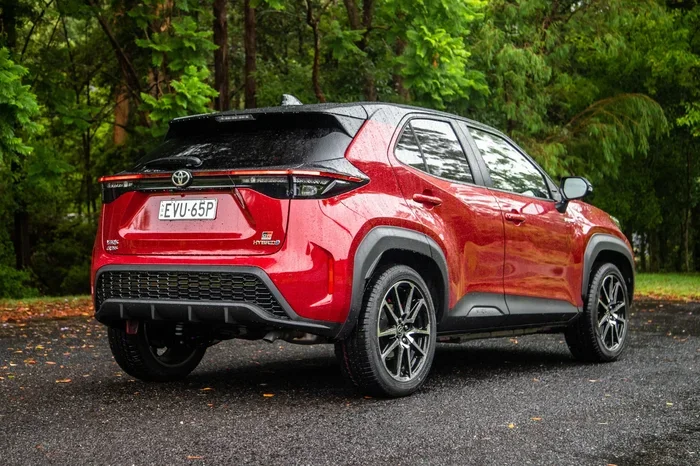
Does Toyota use CVT transmissions? Yes, Toyota uses CVT technology, but they often call it Direct Shift-CVT. This system blends a belt-driven CVT with a small launch gear for better feel. You will find this in many Toyota hybrid models and some gas cars. It offers smooth acceleration and great fuel economy. However, it feels different from a traditional automatic transmission.
Does Toyota use CVT transmissions? This is a common question for car buyers today. You might hear the term CVT and wonder what it means for your driving experience. Toyota is known for making reliable cars. They also use modern technology to save fuel. So, do they use this specific type of gearbox? The short answer is yes. But there is a twist. Toyota does not always use a standard CVT. They often use a hybrid system that acts like one. Understanding this difference helps you buy the right car.
Transmission technology has changed a lot. Old cars used manual gearboxes. Then automatic transmissions became popular. Now, continuously variable transmissions are common. They help save gas. They also make driving smooth. Toyota adopted this tech early. They wanted to improve efficiency. This is especially true for their hybrid lineup. If you are looking at a Toyota Corolla or a Rav4, you might encounter this system. Knowing how it works builds confidence. You will know what to expect on the road.
Key Takeaways
- Toyota uses CVT technology: They implement it mainly in hybrid powertrains and some standard models.
- Unique Design: Toyota calls their system Direct Shift-CVT, which includes a physical launch gear.
- Hybrid Dominance: Most Toyota hybrids use an e-CVT, which is electronically controlled and very reliable.
- Fuel Economy: CVT transmissions help maximize gas mileage by keeping the engine in the optimal range.
- Driving Feel: Some drivers notice a rubber band effect, but Toyota tries to reduce this with simulated gears.
- Reliability: Toyota CVTs are generally known for long-term durability compared to other brands.
- Maintenance: Regular transmission fluid changes are crucial for extending the life of the CVT.
📑 Table of Contents
Understanding Toyota CVT Transmissions
A CVT stands for continuously variable transmission. It does not have fixed gears like a traditional automatic. Instead, it uses a pulley and belt system. This allows the engine to run at the best speed. It changes smoothly without shifting points. This design saves fuel. It also reduces noise. Toyota uses this in many places. But they tweak the design. They want to fix the bad feelings some CVTs have. Some people hate the drone sound. Toyota works to minimize that.
The Direct Shift-CVT Design
Toyota created something special. They call it the Direct Shift-CVT. This is not a pure belt drive system. It has a physical first gear. This gear helps the car launch from a stop. It makes the take-off feel stronger. It feels more like a normal car. After the car gets moving, the belt takes over. This combines the best of both worlds. You get the fuel savings of a CVT. You also get the feel of a stepped gearbox. This is a key innovation for Toyota transmission technology.
How It Differs from Traditional Automatics
Traditional automatics have sets of gears. They shift up and down. You feel a bump when they change. A CVT is smooth. There are no steps. The engine speed rises steadily. This can feel weird at first. Some drivers miss the shifts. Toyota adds simulated shifts to help. The car pretends to shift gears. This gives you some feedback. It makes the drive feel more natural. This is important for driving dynamics. It helps the car feel sporty when needed.
Toyota Hybrid and e-CVT Systems
Hybrids are very popular. Toyota leads the hybrid market. Their hybrid systems use an e-CVT. This is not exactly the same as a belt CVT. It uses planetary gears. It manages the power from the engine and electric motors. This system is incredibly reliable. It has fewer moving parts that wear out. Many people ask if this is a CVT. Technically, it functions similarly. It provides continuous variable ratios. But the mechanics are different. It is a hallmark of Toyota hybrid vehicles.
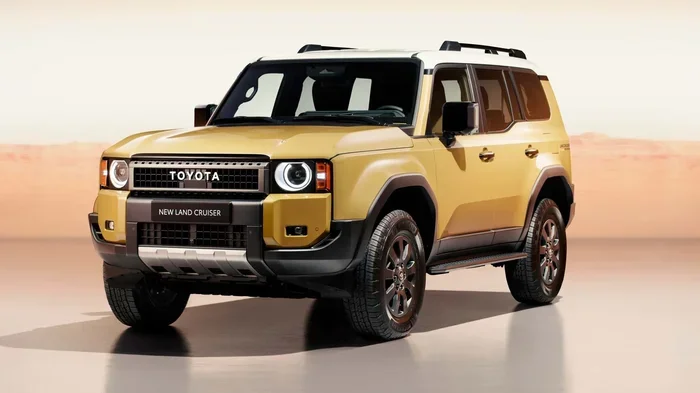
Visual guide about Toyota car engine gear shift
Image source: cdn.motor1.com
Reliability of Hybrid Transmissions
Hybrid transmissions are known for lasting long. They do not get hot like regular gearboxes. The electric motors help share the load. This reduces stress on the transmission. Many Toyota hybrids go over high mileage without issues. The Prius is a great example. People drive them for many years. The e-CVT is a big reason why. It is simple and robust. This builds trust in the brand. If you want reliability, hybrids are a strong choice.
Fuel Efficiency Benefits
Why do cars use these transmissions? The main reason is gas mileage. A CVT keeps the engine at the ideal RPM. It does not rev high unnecessarily. This saves fuel. Toyota focuses heavily on efficiency. They want to meet strict regulations. Using a CVT helps them do that. You spend less money at the pump. This is a huge benefit for owners. It makes owning the car cheaper over time. Fuel economy is a top priority for many buyers.
Models That Feature Toyota CVT
Not every Toyota has a CVT. Some still use traditional automatics. Larger trucks often use old-school gears. This is because trucks need torque. They need to tow heavy loads. A CVT might not handle that stress. But smaller cars use CVTs. The Toyota Corolla often uses one. The Rav4 hybrid uses the e-CVT. The Camry might use a traditional 8-speed auto. It depends on the engine. You need to check the specific trim. Knowing the model helps you choose wisely.
Sedans and Compact Cars
Small cars benefit most from CVTs. They do not need huge power. They need efficiency. The Corolla is a bestseller. It uses this tech to save gas. The Prius is another example. It is built for economy. These cars are city drivers. Smooth acceleration is key here. Stop-and-go traffic is easier with a CVT. You do not need to shift manually. The car does all the work. This reduces driver fatigue in traffic.
SUVs and Larger Vehicles
Larger SUVs are different. Some use CVTs, but many do not. The Highlander might use a different system. Trucks like the Tacoma usually avoid CVTs. They need durability for off-roading. They need strength for towing. A traditional automatic is often better there. However, hybrid SUVs use the e-CVT. The Rav4 Hybrid is very popular. It uses the electric system. This gives it great mileage for an SUV. It is a smart choice for families.
Pros and Cons of CVT Transmission
Every technology has good and bad points. You should know both before buying. A CVT saves gas. That is the biggest pro. It is also smooth. There are no jerky shifts. This makes for a comfortable ride. But there are downsides. Some people dislike the sound. The engine might hum loudly. This is called the rubber band effect. It feels like the power is delayed. Toyota works to fix this. But it is still something to note.
Advantages for Daily Driving
Daily driving is where CVTs shine. In traffic, they are effortless. You just press the gas. The car adjusts automatically. There is less heat generated. This helps the engine last longer. It also helps the transmission last. Maintenance can be simpler. There are fewer clutches to wear. This means fewer repairs potentially. For a commuter car, this is ideal. You want stress-free driving. A CVT provides that ease. It is very user-friendly for new drivers too.
Potential Drawbacks to Consider
Performance enthusiasts might not like it. A CVT does not feel sporty. It does not have crisp shifts. If you love driving fast, it may bore you. The engine noise can be annoying. It drones under hard acceleration. Some older CVTs had reliability issues. Toyota has improved theirs. But you should still check reviews. Transmission reliability is key. Make sure you get the latest model year. Technology gets better over time.
Maintenance and Longevity Tips
Taking care of your transmission is vital. A CVT needs special fluid. You cannot use just any oil. You must use Toyota Genuine Fluid. This ensures the belt slips correctly. If you use the wrong fluid, it can fail. Regular changes are important. Check your owner’s manual. It will tell you when to change it. Usually, it is every 60,000 miles. Keeping it clean prevents wear. This extends the life of the car.
Fluid Changes and Care
Transmission fluid degrades over time. It gets dirty and hot. Old fluid causes friction. This damages the pulley system. You should change it on schedule. Do not wait for problems. By then, it might be too late. A flush might be recommended. Or just a drain and fill. Ask your mechanic what is best. Keeping the fluid cool is also good. Do not tow more than the limit. Overheating is the enemy of CVTs. Proper care ensures long vehicle life.
Signs of Transmission Issues
How do you know if something is wrong? Listen for strange noises. Whining or grinding is bad. Feel for slipping. If the car revs but does not move, stop driving. Check engine lights might appear. The car might go into limp mode. This protects the engine. If you feel shuddering, get it checked. Early detection saves money. Ignoring it leads to big repairs. Transmission repair can be expensive. Prevention is always cheaper.
Toyota Transmission Reliability Overview
Toyota is famous for reliability. Their transmissions are no exception. They test them heavily. They use high-quality parts. This is why they last so long. The Direct Shift-CVT is very sturdy. The hybrid e-CVT is even stronger. Many taxis use Toyota hybrids. They run all day long. This proves the durability. You can trust the system for years. It is a safe bet for buyers. Peace of mind is valuable when buying a car.
Comparison with Other Brands
Some other brands had CVT issues. They had recalls or failures. Toyota generally avoided those big problems. They design their systems conservatively. They prioritize durability over speed. This is a smart approach. It means the car is less exciting. But it means it breaks less. Other brands might offer more fun. But Toyota offers trust. For most families, trust is more important. You want a car that starts every day. Toyota delivers that consistency.
Future of Toyota Transmission Technology
What comes next? Electrification is growing. More cars will be hybrid or electric. Electric cars do not need transmissions. They use single-speed gearboxes. But hybrids will stay for a while. The CVT will evolve. It will become more efficient. Toyota is always researching. They want to reduce emissions. The transmission plays a big role. Expect smoother and smarter systems. They might add more simulated gears. This will make them feel even better. The future looks bright for Toyota tech.
Conclusion
So, does Toyota use CVT transmissions? Yes, they do. But they use them in smart ways. They combine them with gears for better feel. They use them in hybrids for efficiency. This technology helps you save money on gas. It also makes driving smooth and easy. While there are some downsides, Toyota manages them well. Their reputation for reliability stands strong. If you buy a Toyota with a CVT, take care of it. Change the fluid and drive gently. You will enjoy the car for many miles. It is a solid choice for your next vehicle.
Frequently Asked Questions
Do all Toyota cars have a CVT?
No, not all Toyota cars use a CVT. Larger trucks and some performance models use traditional automatic transmissions. You should check the specific specs for the model you want.
Is a Toyota CVT reliable?
Yes, Toyota CVTs are generally very reliable. They are designed for durability and fuel efficiency. Regular maintenance helps ensure they last a long time without major issues.
What is the difference between e-CVT and CVT?
An e-CVT uses planetary gears and electric motors, while a standard CVT uses a belt and pulley. Both provide continuous variable ratios, but the mechanics are quite different in hybrids.
How often should I change CVT fluid?
You should change the fluid according to the owner’s manual, usually around 60,000 miles. Using the correct genuine fluid is critical for the health of the transmission system.
Why does my Toyota CVT make a noise?
Some noise is normal due to the engine staying at high RPM. However, excessive whining could indicate a problem. If the noise is new or loud, have a mechanic inspect it.
Can a Toyota CVT tow a trailer?
Most Toyota CVTs have low towing limits, often around 1,000 to 1,500 pounds. They are not designed for heavy towing like traditional automatic transmissions in trucks.