
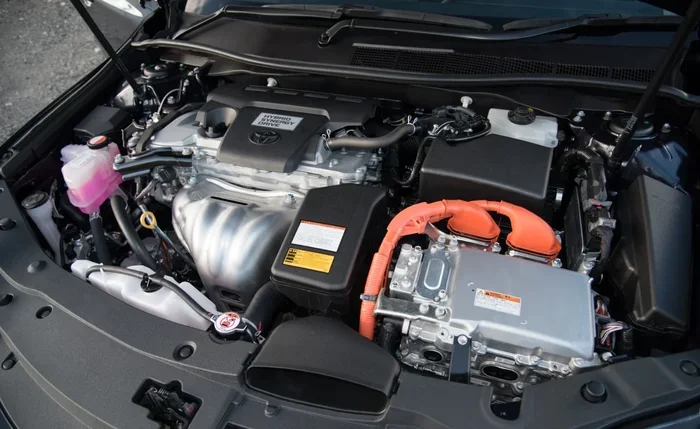
A Toyota Camry hybrid car blends a gasoline engine with an electric motor to boost fuel economy and lower emissions. The system uses regenerative braking, a battery pack, and smart power management to switch between power sources. If you want to know how does a Toyota Camry hybrid car work, you will see a clever mix of efficiency, quiet electric driving, and reliable gas power.
If you have ever wondered how does a Toyota Camry hybrid car work, you are not alone. Many drivers see the badge and want the details. They want to know what happens under the hood, how the battery fits in, and why this setup can save fuel without sacrificing comfort. The good news is that the system is clever, but it is also easy to understand once you break it into parts.
A Camry hybrid is not just a gas car with a battery bolted on. It is a coordinated system. The engine, motor, battery, and transmission all talk to each other. They decide when to use gas, when to use electric power, and when to combine both. That teamwork is what makes the Camry hybrid feel smooth, efficient, and practical for daily driving.
In this guide, we will walk through the main pieces of the system. We will look at the engine, the electric motor, the battery, the transmission, and the driving modes. We will also cover how braking helps recharge the battery and what that means for your wallet and your routine. By the end, you will have a clear picture of how does a Toyota Camry hybrid car work and why so many people like this choice.
Key Takeaways
- Power pair: A gasoline engine and an electric motor work together to move the car.
- Battery support: The hybrid battery stores energy and powers the electric motor at low speeds.
- Regenerative braking: The car captures braking energy and sends it back to the battery.
- Smart switching: The system chooses the best power source based on speed, load, and driving conditions.
- Better efficiency: The hybrid setup uses less fuel, especially in city driving.
- Quiet start: The car can move on electric power alone for short, low-speed trips.
- Simple ownership: The hybrid system is designed for reliability and everyday use.
📑 Table of Contents
What Makes a Toyota Camry Hybrid Different
A regular Camry uses a gasoline engine as the main source of power. A hybrid Camry adds an electric motor and a battery to the mix. That extra hardware changes how the car behaves. It also changes how the car uses energy. The goal is simple. Use the right power source at the right time.
This matters because cars waste energy in different ways. A gas engine works hard during stop-and-go traffic. It also runs at low speeds where electric power can be more efficient. A hybrid system can reduce that waste. It can move the car on electric power when speed is low. It can let the gas engine rest more often. It can also recover energy that would otherwise disappear during braking.
Gas Engine and Electric Motor Team Up
The heart of the system is the partnership between the engine and the motor. The gasoline engine provides strong power when you need it. The electric motor adds extra help, especially during acceleration. In some situations, the motor can drive the car on its own for short distances and low speeds.
This combination helps the car feel responsive. You do not always need the engine running at full tilt. The motor can fill in when the engine would be less efficient. That is one reason hybrid cars often feel calm and easy in city traffic.
Why Hybrid Efficiency Matters
Efficiency is not just a technical word. It affects everyday life. Better efficiency can mean fewer trips to the gas station. It can also mean lower fuel costs over time. For many drivers, that is a big reason to consider a hybrid.
City driving is where hybrids often shine. Frequent stops, slow speeds, and short trips give the system more chances to use electric power. Highway driving is different, but the hybrid still helps by using energy more carefully. If you want a car that handles both kinds of driving well, a Camry hybrid is a strong option.
The Main Parts of the Hybrid System
To understand how does a Toyota Camry hybrid car work, it helps to look at the major components one by one. Each part has a clear job. Together, they create a system that can shift between power sources smoothly.
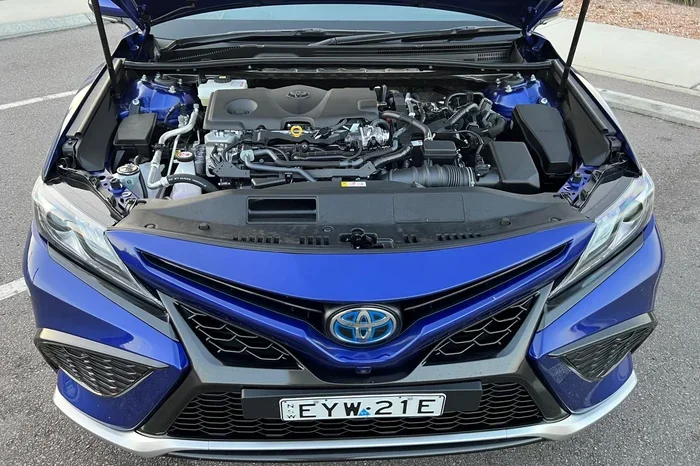
Visual guide about Toyota Camry hybrid engine
Image source: toyotalifestyle.com.au
The Gasoline Engine
The engine in a Camry hybrid is still important. It provides the power needed for higher speeds, heavy loads, and longer drives. In many hybrid designs, the engine also helps charge the battery when needed. The engine is usually tuned to work efficiently, not just to produce maximum power.
This does not mean the engine is weak. It means it is used more intelligently. Instead of running all the time in every situation, it steps in when the car needs more power or when the battery needs support.
The Electric Motor
The electric motor is the quiet helper. It can start the car moving, assist during acceleration, and sometimes drive the car on its own. Electric motors deliver power in a smooth way. That is why hybrid cars often feel gentle when they pull away from a stop.
The motor also helps during harder acceleration. When you press the pedal firmly, the motor can add extra force. This support can make the car feel more eager without forcing the engine to work harder all the time.
The Hybrid Battery
The battery stores electrical energy for the motor. It is not the same as a standard car battery that only starts the engine. The hybrid battery is built to supply and absorb energy regularly. It sits somewhere in the vehicle, often under the rear seat or in another space designed to keep weight balanced.
This battery does not need constant attention, but it is a key part of the system. It gives the car the ability to use electric power and to capture energy from braking. When people ask how does a Toyota Camry hybrid car work, the battery is usually one of the first things they picture, because it makes the electric side possible.
The Power Control Unit
There is also a control system that manages the flow of power. You can think of it as the brain of the hybrid setup. It decides when the engine should run, when the motor should help, and when energy should be sent to the battery. This keeps the car operating in the most efficient way for the current situation.
The driver usually does not need to manage this directly. The car handles it automatically. That is part of the appeal. The system works in the background so the driving experience stays simple.
How Power Moves Through the Car
Now let’s look at the flow of energy. This is where the hybrid idea becomes practical. The car does not rely on one fixed pattern. It changes based on what you are doing behind the wheel.
Starting and Low-Speed Driving
At the beginning of a trip, especially at low speeds, the car may use the electric motor more. This can make the start feel quiet and smooth. If the battery has enough charge, the car can move without the gas engine running right away.
This is useful in parking lots, neighborhoods, and heavy traffic. The car uses less fuel because the engine is not burning gas during every small movement. It also reduces noise, which many drivers appreciate.
Acceleration and Higher Speeds
When you press the accelerator more firmly, the car usually calls on both power sources. The engine provides the main push, and the motor adds support. This teamwork can make the car feel stronger and more coordinated.
At highway speeds, the gas engine often takes the lead. The hybrid system still helps, but the engine becomes the primary workhorse. That is normal. The hybrid setup is designed to use each source where it makes the most sense.
Cruising and Steady Driving
During steady cruising, the system tries to stay efficient. It may run the engine in a calmer range and use the motor only when needed. If the battery needs charging, the system can arrange that too. The goal is to keep the car moving without wasting energy.
This is one reason the Camry hybrid can feel relaxed on longer drives. The car is not constantly shifting power in a rough way. It aims for a smooth balance.
Regenerative Braking and Energy Recovery
One of the smartest parts of a hybrid system is regenerative braking. In a normal car, braking turns motion into heat. That energy disappears. In a hybrid, some of that energy can be captured and sent back to the battery.
When you slow down, the electric motor can switch roles. Instead of only using electricity, it can act like a generator. It takes some of the car’s motion and turns it into electrical energy. That energy then goes into the battery for later use.
This matters because it helps the car reuse energy it already spent. It does not create free energy, but it does improve overall efficiency. It is especially helpful in traffic, where you brake often. If you are learning how does a Toyota Camry hybrid car work, regenerative braking is a key idea to remember.
What This Means for the Driver
For the driver, regenerative braking often feels natural. You brake, the car slows, and the system recovers energy behind the scenes. In some hybrids, the brake pedal can feel a little different because the motor is helping slow the car. That sensation can take some getting used to, but it is usually easy to adapt to.
This feature also supports the battery. Instead of relying only on the engine to recharge the battery, the car can gather energy during normal driving. That helps the hybrid system stay balanced.
Driving Modes and What They Do
Hybrid cars often include different ways to use power. The exact setup can vary by model year and trim, but the general idea stays the same. The car gives you a few ways to manage how the system behaves.
Electric-First Driving
In some situations, the car can lean more on the electric motor. This is common at low speeds or during gentle driving. It helps reduce fuel use and makes the car feel quieter. This is not the same as a fully electric car, but it still gives you some electric-only movement in the right conditions.
Combined Power
Most of the time, the car will blend engine and motor power. This is the everyday mode for many drivers. It gives a good mix of comfort, response, and efficiency. You do not usually have to think about it. The system chooses the blend based on what you are doing.
Power When You Need It
When you want stronger acceleration, the hybrid system can bring both sources together. This is useful for merging, passing, or climbing hills. The car is designed to keep the drive feel steady, even when it is calling on extra help.
Quick Tip
- Drive gently when you can. Smooth acceleration usually lets the hybrid system use energy more efficiently.
- Plan for city trips. Hybrids often show their best efficiency in stop-and-go traffic.
- Keep up with basic maintenance. A healthy hybrid system works better over time.
Maintenance and Long-Term Reliability
A Camry hybrid is built for daily use, and that includes long-term ownership. The hybrid parts do add some complexity, but the system is designed to be dependable. Many owners like that the car feels familiar to drive, even if the powertrain is more advanced.
Routine care still matters. You should follow the usual service schedule for a car of this type. That includes things like checking fluids, tires, brakes, and filters. The hybrid battery and related components are part of the bigger picture, so regular care helps the whole vehicle stay in good shape.
If you want to understand how does a Toyota Camry hybrid car work from an ownership point of view, think of it this way: the technology is there to help you, not to make life harder. Most drivers do not need to manage the hybrid system directly. They just drive, fuel up, and enjoy the ride.
Common Mistakes
- Ignoring routine service because the car feels advanced.
- Assuming the hybrid battery never needs attention.
- Driving too aggressively and missing the efficiency benefits.
- Forgetting that braking behavior may feel slightly different at first.
Expert Insights
A hybrid car works best when the driver understands its strengths. It is often at its best in mixed driving, where it can use electric power more often and recover energy from braking. It is also a good choice for people who want better efficiency without switching to a fully electric vehicle. The Camry hybrid is popular because it balances practicality, comfort, and fuel economy in a way that fits everyday life.
It is also worth noting that hybrids can feel different from one another. Some focus more on efficiency. Others tune the system for a stronger driving feel. That is why it helps to test drive one and see how the power delivery matches your habits.
Is a Camry Hybrid Right for You
This is the big question. The answer depends on how you drive and what you value. If you spend a lot of time in traffic, a hybrid can make sense. If you want lower fuel use without changing your routine too much, it can also be a strong fit. If you like a smooth, quiet start from a stop, the hybrid setup may appeal to you as well.
On the other hand, if you mostly drive long distances at steady highway speeds, the efficiency advantage may be smaller. That does not mean the car is a bad choice. It just means the benefits may show up differently. A hybrid is not magic. It is a smart system that works best when matched to the right driving pattern.
Quick Comparison
Here is a simple way to think about the Camry hybrid compared with a standard gas model:
- Fuel use: The hybrid usually uses less fuel in city driving.
- Driving feel: The hybrid can feel quieter at low speeds.
- Power delivery: The hybrid blends electric and gas power for a smooth feel.
- Ownership style: The hybrid is still a regular car in many ways, just with extra efficiency tools.
If you are comparing options, it can help to look at the whole picture. Think about your commute, your fuel budget, and how much you value smooth, efficient driving. That will tell you whether the hybrid approach fits your life.
Final Thoughts on the Hybrid System
So, how does a Toyota Camry hybrid car work? It works by pairing a gasoline engine with an electric motor and a battery, then using smart control to decide which source should do the most work. It recovers energy during braking, uses electric power when that makes sense, and relies on the engine when more strength is needed. The result is a car that can feel calm, efficient, and practical.
That is the appeal. You do not have to become a technical expert to enjoy it. You just need to understand the basic idea. The car handles a lot of the details for you. If you want a vehicle that can help reduce fuel use while still feeling familiar and comfortable, the Camry hybrid is worth a close look.
Frequently Asked Questions
How does a Toyota Camry hybrid car work at low speeds?
At low speeds, the Camry hybrid often uses the electric motor more than the gas engine. This lets the car move quietly and use less fuel during gentle driving or stop-and-go traffic.
Does the hybrid battery need to be charged by plugging it in?
No, the Camry hybrid battery is charged by the car itself through the engine and regenerative braking. You do not need to plug it in like a plug-in electric vehicle.
Can the Camry hybrid drive on electric power alone?
It can use electric power for short, low-speed driving when conditions allow. However, it is not a fully electric car, so the gas engine still plays an important role.
What is regenerative braking on a Camry hybrid?
Regenerative braking captures some of the energy used during slowing and sends it back to the battery. This helps improve efficiency by reusing energy that would otherwise be lost as heat.
Is a Toyota Camry hybrid good for highway driving?
Yes, it can work well on the highway, though the fuel advantage is often bigger in city driving. On the highway, the gas engine usually does more of the work while the hybrid system still helps manage power efficiently.
Why do many people choose a Camry hybrid?
Many people like it because it combines everyday comfort with better fuel economy. It offers a smooth driving feel and a practical way to reduce fuel use without changing to a completely different type of car.