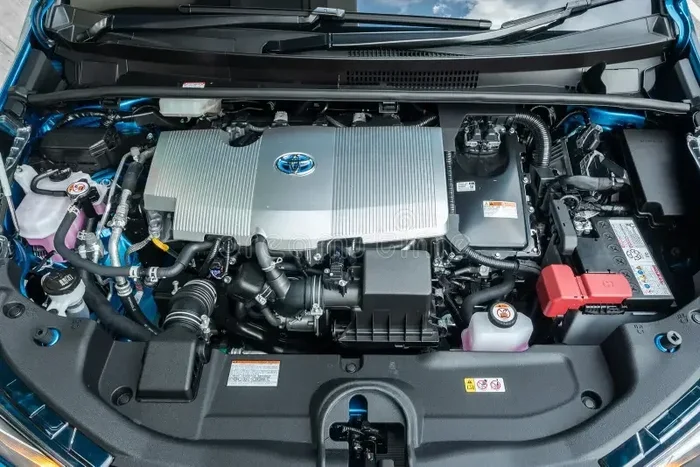

Quick Summary: The Toyota Prius hybrid combines a gasoline engine with an electric motor to maximize fuel efficiency and reduce emissions. Understanding how does Toyota Prius hybrid work reveals a smart system that switches between power sources seamlessly. This guide breaks down the technology in plain language so you can drive with confidence.
Introduction
Cars have changed a lot over the years. People want vehicles that save money and protect the planet. The Toyota Prius answered that call with innovative technology. Many drivers wonder how does Toyota Prius hybrid work under the hood. The answer involves a clever mix of gas and electricity. This combination creates a smooth and efficient ride. You do not need to be a mechanic to understand the basics. We will walk through each part in simple terms. You will learn why this car stands out in its class. Let us explore the magic behind the hybrid system.
Key Takeaways
- Dual Power Sources: The Prius uses both a gasoline engine and an electric motor to optimize performance and efficiency.
- Regenerative Braking: This system captures energy during braking and stores it in the battery for later use.
- Seamless Switching: The car automatically chooses the best power source based on driving conditions.
- Battery Management: The hybrid battery charges itself without needing external plug-in power.
- Fuel Economy: The hybrid system significantly reduces fuel consumption compared to traditional cars.
- Lower Emissions: Electric assist reduces tailpipe emissions, making it an eco-friendly choice.
- Proven Technology: Toyota’s hybrid system has been refined over decades for reliability and performance.
📑 Table of Contents
Understanding the Hybrid Powertrain
The heart of the Prius is its hybrid powertrain. This system pairs a traditional gasoline engine with an electric motor. Both work together to move the car. The gasoline engine handles high-speed driving and heavy loads. The electric motor takes over during low-speed situations. This teamwork reduces fuel waste. You get better mileage without sacrificing power. The system manages everything for you. You just drive and enjoy the results.
Gasoline Engine Role
The gasoline engine in the Prius is smaller than usual. It uses the Atkinson cycle for better efficiency. This cycle extracts more energy from each drop of fuel. The engine kicks in when you need extra power. It also charges the battery when needed. You will notice it runs quietly most of the time. This design saves gas and lowers noise. It is a smart choice for daily commuting.
Electric Motor Contribution
The electric motor provides instant torque. This means quick acceleration from a stop. The motor draws power from the hybrid battery. It works silently and smoothly. You feel a gentle push when you press the pedal. The motor also helps during hill climbs. It reduces the strain on the gasoline engine. This balance keeps the car efficient and responsive.
Battery System and Charging
The hybrid battery is a key component. It stores electricity for the motor. You might ask how does Toyota Prius hybrid work without plugging in. The answer lies in smart charging methods. The battery recharges while you drive. It never needs an external outlet. This makes the Prius a true self-charging hybrid. The battery pack sits under the rear seat. It stays cool and protected. Toyota designed it for long-term reliability.
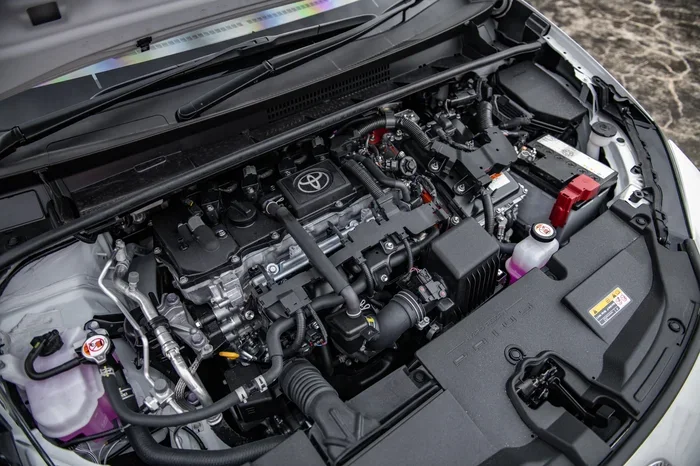
Visual guide about Toyota Prius hybrid engine
Image source: autoapp.sg
Regenerative Braking Explained
Braking usually wastes energy as heat. The Prius captures that energy instead. When you slow down, the electric motor reverses. It acts as a generator during deceleration. This process creates electricity. The system sends that power back to the battery. This is called regenerative braking. It extends your driving range. It also reduces wear on brake pads. You save money on maintenance over time.
Battery Management Tips
The battery management system monitors temperature and charge. It keeps the battery in its sweet spot. You do not need to do much to care for it. Just drive normally and avoid extreme conditions. Park in shade during hot days. This helps the cooling system work better. The car will alert you if something needs attention. Regular checkups keep everything running smoothly.
Power Control Unit and Switching
The power control unit acts as the brain. It decides when to use gas or electricity. It reads your pedal input and speed. Then it chooses the most efficient path. This happens in milliseconds. You never feel the switch. The ride stays smooth and consistent. This intelligent control is why the Prius feels so refined. It balances power and efficiency perfectly.
When the Engine Turns On
You might hear the engine start at times. This usually happens during hard acceleration. It also runs when the battery needs charging. Cold weather can trigger the engine too. The system prioritizes efficiency above all. It will use the motor when possible. It switches to gas when necessary. This dynamic behavior maximizes your fuel savings.
When the Motor Takes Over
The electric motor shines in city traffic. Stop-and-go driving is its ideal environment. You glide quietly at low speeds. The motor handles parking maneuvers too. It provides precise control in tight spaces. This makes daily errands more pleasant. You enjoy a calm and quiet cabin. The hybrid system adapts to your routine seamlessly.
Driving Modes and Efficiency
The Prius offers different driving modes. These modes adjust how power is delivered. You can choose eco mode for maximum savings. This mode softens throttle response. It also limits air conditioning usage. Sport mode gives you quicker acceleration. It keeps the engine ready for action. The default mode balances comfort and efficiency. You can switch modes with a button press.
Eco Mode Benefits
Eco mode helps you build better habits. It encourages gentle braking and steady speeds. You notice the energy monitor more often. This feedback teaches you to drive efficiently. Over time, you save more fuel. The car feels relaxed and easy to handle. It is perfect for long commutes. You reduce your carbon footprint without trying hard.
Sport Mode Characteristics
Sport mode changes the driving feel. The transmission responds faster to inputs. The engine stays in higher rpm ranges. This gives you more power when merging. It is useful on highways or steep roads. You sacrifice some efficiency for performance. Use it when you need confidence. Switch back to eco for daily savings.
Maintenance and Longevity
Hybrid cars need regular care like any vehicle. The hybrid battery lasts many years with proper use. Toyota backs it with a strong warranty. You should follow the service schedule closely. Oil changes keep the engine healthy. Tire rotations ensure even wear. Brake inspections are still important. The regenerative system reduces pad wear, but they still need checks.
Common Maintenance Tasks
Check the engine oil regularly. Replace filters as recommended. Inspect coolant levels to protect the system. Keep tires inflated to the right pressure. This improves efficiency and safety. Listen for unusual noises during drives. Address small issues before they grow. A well-maintained Prius runs for a long time. You get the best value from your investment.
Battery Life Expectations
Many owners worry about battery lifespan. In reality, these batteries prove very durable. Most last well beyond the warranty period. Temperature and driving habits affect longevity. Gentle driving extends battery health. Avoiding deep discharges helps too. The system manages charge automatically. You can trust the technology to protect itself. Proper care keeps it running strong for years.
Comparing Hybrid vs Traditional Cars
It helps to see how the Prius differs from regular cars. Traditional vehicles rely only on a gasoline engine. They burn fuel constantly, even at idle. Hybrids use electricity to offset that consumption. This leads to fewer trips to the gas station. You also produce fewer emissions. The driving experience feels quieter and smoother. Maintenance costs can be lower over time.
Fuel Economy Comparison
Fuel savings are the biggest advantage. The Prius achieves high miles per gallon. City driving often yields the best numbers. Highway driving still performs well. Traditional sedans usually fall short in comparison. You spend less on fuel each month. This adds up to significant savings. It makes the hybrid a smart financial choice.
Environmental Impact
Lower fuel use means less pollution. The Prius reduces greenhouse gas emissions. This helps improve local air quality. Many cities reward clean vehicles with perks. You contribute to a healthier planet. The hybrid system proves that efficiency and performance can coexist. It is a practical step toward greener driving.
Expert Insights and Quick Tips
Experts agree that driving style matters most. Smooth acceleration preserves battery charge. Anticipate traffic to brake gently. Use the energy monitor to learn patterns. Keep your tires properly inflated. Remove excess weight from the cabin. These small habits boost efficiency. You will notice better range over time. The Prius rewards thoughtful driving.
Quick Tips for Better Efficiency
- Drive smoothly: Avoid sudden starts and stops.
- Plan routes: Choose roads with less congestion.
- Use cruise control: Maintain steady speeds on highways.
- Check tire pressure: Inflate to the recommended level monthly.
- Limit idling: Turn off the car during long waits.
Common Mistakes to Avoid
- Aggressive driving: Hard braking wastes captured energy.
- Ignoring warnings: Address dashboard alerts promptly.
- Skipping service: Regular maintenance prevents bigger issues.
- Overloading: Extra weight reduces fuel economy.
- Neglecting tires: Worn tires hurt efficiency and safety.
Conclusion
The Toyota Prius stands as a pioneer in hybrid technology. Learning how does Toyota Prius hybrid work reveals a clever blend of engineering and practicality. The system balances a gasoline engine with an electric motor. It captures energy through regenerative braking. It switches power sources without any effort from you. The result is excellent fuel economy and lower emissions. You get a reliable car that saves money every day. With simple maintenance and mindful driving, the Prius delivers lasting value. It remains a top choice for eco-conscious drivers. Understanding the technology helps you appreciate every smooth mile.
Frequently Asked Questions
How does the Toyota Prius charge its battery without plugging in?
The Prius uses regenerative braking and the gasoline engine to recharge the battery while driving. This self-charging design means you never need an external power source for daily use.
Can the Prius run on electric power alone?
Yes, the Prius can operate on electric power at low speeds and during light acceleration. The system automatically switches to the gasoline engine when more power is needed.
How long does the hybrid battery last in a Prius?
Most hybrid batteries last well beyond ten years with normal driving and proper maintenance. Toyota designs them for durability, and many owners report strong performance for a long time.
Does the Prius use more fuel in city or highway driving?
The Prius typically achieves better fuel economy in city driving because regenerative braking and electric assist work most effectively in stop-and-go traffic. Highway driving still delivers strong efficiency, but city routes often yield the highest numbers.
What happens if the hybrid battery runs out of charge?
The car automatically uses the gasoline engine to keep moving and recharge the battery. You will not be stranded, as the system manages power distribution to maintain drivability.
Is the Prius more expensive to maintain than a regular car?
Overall maintenance costs are similar or lower because regenerative braking reduces brake wear and the efficient engine runs cleanly. You still need routine oil changes and tire care, but the hybrid system does not add major extra expenses.