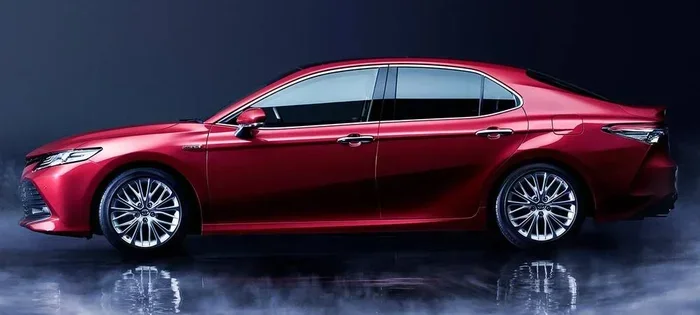

How heavy is a Toyota Camry? The answer depends on the model year and trim level. Most Toyota Camry weights range from 3,300 to 3,600 pounds. This guide covers curb weight, gross weight, and everything you need to know before buying or towing.
If you have ever stood next to a Toyota Camry and wondered about its size, you are not alone. Many car buyers ask this question before making a purchase. Weight plays a big role in how a car feels on the road. It also affects fuel economy and safety ratings.
In this guide, we will break down the Toyota Camry weight in simple terms. You will learn why weight matters and how it changes across different model years. We will also look at hybrid models and compare them to gas versions. By the end, you will have a clear picture of what to expect.
Key Takeaways
- Average Weight Range: Most Toyota Camry models weigh between 3,300 and 3,600 pounds depending on the year.
- Curb Weight Matters: Curb weight affects fuel economy, handling, and braking performance on the road.
- Model Year Changes: Newer Camry models often weigh more due to added safety features and hybrid components.
- Trim Level Impact: Higher trims like XLE or XSE may weigh slightly more than the base LE model.
- Hybrid vs Gas: Hybrid versions typically weigh more because of the battery pack and electric motor system.
- Payload Capacity: You can usually carry 900 to 1,000 pounds of passengers and cargo safely.
- Weight Checks: Always check your specific VIN or door jamb sticker for the most accurate weight information.
📑 Table of Contents
- Understanding Curb Weight vs Gross Weight
- How Heavy Is a Toyota Camry by Model Year
- Toyota Camry Weight by Trim Level
- Toyota Camry Hybrid Weight Explained
- Does Toyota Camry Weight Affect Performance and Safety
- How to Find the Exact Weight of Your Toyota Camry
- Payload Capacity and What You Can Carry
- Toyota Camry Weight vs Other Mid Size Sedans
- Final Thoughts on How Heavy Is a Toyota Camry
Understanding Curb Weight vs Gross Weight
Before we dive into numbers, we need to understand two key terms. These terms help you read weight specs correctly. Knowing the difference will save you from confusion later.
What Is Curb Weight?
Curb weight is the weight of the car when it sits in the showroom. This includes the vehicle itself, all fluids, and a full tank of gas. It does not include passengers or cargo. This is the number most people see in spec sheets.
For the Toyota Camry, curb weight is the standard reference point. It tells you how heavy the car is before you add anything to it. This number helps compare different trims and years fairly.
What Is Gross Vehicle Weight Rating?
Gross vehicle weight rating, or GVWR, is the maximum weight the car can handle safely. This includes the car itself plus all passengers, cargo, and fuel. Going over this limit can damage your brakes and suspension.
You can find the GVWR on a sticker inside the driver side door jamb. It is a legal and safety limit you should always respect. For most Camry models, this number sits around 4,300 to 4,500 pounds.
Why These Numbers Matter
Weight affects everything from acceleration to braking distance. A lighter car often feels more agile in tight turns. A heavier car may feel more stable on the highway. Both have their own strengths depending on your driving style.
Fuel economy also ties directly to weight. Heavier cars require more energy to move. This is why manufacturers try to keep weights reasonable. The Toyota Camry weight strikes a balance between comfort and efficiency.
How Heavy Is a Toyota Camry by Model Year
Weight changes over time as designs evolve. New safety features add mass. Better materials can reduce it. Here is a look at how the Toyota Camry weight has shifted across recent generations.
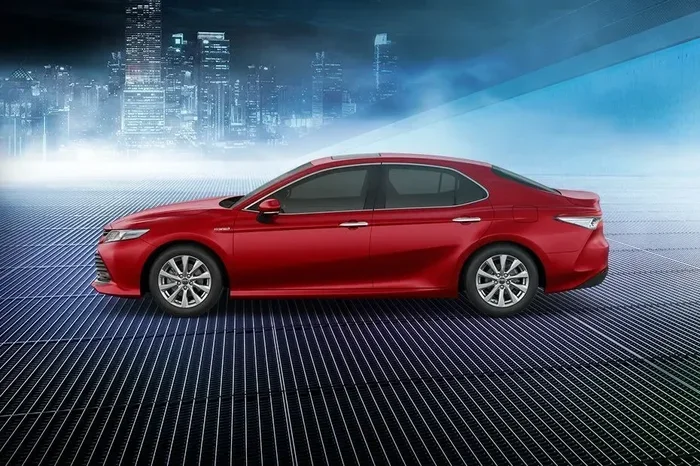
Visual guide about Toyota Camry exterior side view
Image source: imgcdn.zigwheels.my
2018 to 2020 Toyota Camry Weight
The 2018 to 2020 models represent a modern era for the Camry. These cars introduced more standard safety tech. That added some weight compared to older versions.
The base LE trim in this range typically weighs around 3,300 to 3,350 pounds. The XLE and XSE trims add features like larger wheels and more sound insulation. These trims usually weigh between 3,400 and 3,500 pounds.
2021 to 2023 Toyota Camry Weight
The 2021 to 2023 models kept the same platform but refined many details. Weight stayed fairly consistent across these years. Some trims saw minor changes due to option packages.
You can expect the Toyota Camry weight in this period to fall near 3,350 to 3,550 pounds for gas models. Hybrid versions in this range typically weigh a bit more. We will cover hybrids in a later section.
2024 Toyota Camry Weight
The 2024 model continues the trend of balanced design. It offers a sporty look and strong engine options. The weight remains in the same general range as recent years.
Most 2024 gas trims sit between 3,350 and 3,500 pounds. The V6 option may push the weight slightly higher due to the larger engine. Always check the door jamb sticker for your specific car.
Key Weight Trends Over Time
Here are some patterns you will notice when comparing years:
- Safety additions: More airbags and sensors add small amounts of weight over time.
- Engine choices: V6 models weigh more than four cylinder models.
- Wheel size: Larger wheels and tires can add weight to the unsprung mass.
- Sound deadening: Quieter cabins often use extra insulation that adds mass.
Toyota Camry Weight by Trim Level
Not all Camry trims weigh the same. Different features change the final number. Understanding these differences helps you pick the right car for your needs.
Base LE Trim Weight
The LE trim is the lightest common option. It focuses on value and efficiency. Fewer luxury features mean less added weight.
The Toyota Camry weight for the LE usually lands near 3,300 to 3,350 pounds. This makes it a great choice if you want a lighter, efficient sedan. It also tends to have the best fuel economy in the lineup.
Mid Tier XLE and XSE Trims
The XLE and XSE trims add comfort and style. These models often include bigger wheels, more padding, and extra tech. All of this adds a little weight.
You can expect these trims to weigh around 3,400 to 3,500 pounds. The difference is small but noticeable if you compare spec sheets side by side. The Toyota Camry weight here still feels light for a midsize sedan.
V6 and Sport Options
Some Camry models come with a V6 engine. This engine is stronger but also heavier. The sport tuned suspension may also add components.
These models often weigh closer to 3,500 to 3,600 pounds. That extra weight can improve stability at higher speeds. It may also reduce fuel economy slightly compared to the four cylinder versions.
Quick Tips for Trim Weight
- Check the door jamb sticker for the exact weight of your trim.
- Compare curb weight, not just engine size, when looking at trims.
- Remember that options like sunroofs and larger wheels add weight too.
Toyota Camry Hybrid Weight Explained
Hybrid cars carry extra hardware. A battery pack and electric motor add mass. This changes the Toyota Camry weight compared to the gas only version.
Why Hybrids Weigh More
The hybrid system includes a high voltage battery. This battery sits under the rear seat or in the trunk area. It also adds an electric motor to assist the gas engine.
These parts improve fuel economy and low speed torque. They also add weight. A hybrid Camry usually weighs 200 to 300 pounds more than a similar gas model.
Hybrid Weight Range
Most hybrid Camry trims fall between 3,500 and 3,700 pounds. The exact number depends on the trim and options. Even with the extra weight, hybrids often feel smooth and efficient.
The battery weight is distributed carefully by the engineers. This helps keep the car balanced. You may not feel the extra mass in daily driving.
Hybrid vs Gas Weight Comparison
Here is a simple comparison to show the difference:
- Gas LE trim: around 3,300 to 3,350 pounds
- Hybrid LE trim: around 3,500 to 3,550 pounds
- Gas XLE trim: around 3,400 to 3,450 pounds
- Hybrid XLE trim: around 3,550 to 3,600 pounds
These numbers are estimates and can vary by year. Always verify with the official spec sheet for your model.
Does Toyota Camry Weight Affect Performance and Safety
Weight is not just a number on a sticker. It influences how the car behaves in real life. Let us look at the practical effects.
Handling and Braking
A lighter car can change direction more quickly. This can make parking and city driving feel easier. A heavier car may feel more planted on the highway.
Braking distance also ties to weight. More mass means more energy to stop. The Toyota Camry weight is kept within a range that supports strong braking performance. Toyota designs the brakes to handle the expected load safely.
Fuel Economy Connection
Fuel economy drops as weight rises. This is a basic rule of physics. That is why lighter trims often get better miles per gallon.
If you compare two Camry models with the same engine, the lighter one usually uses less fuel. Small weight differences can add up over time. This is one reason many buyers pay attention to Toyota Camry weight specs.
Safety and Crash Structure
Modern cars use weight strategically in safety design. Crush zones and reinforced areas add mass in specific places. This helps protect passengers in a collision.
The Camry includes a strong safety structure. Some of the weight you see comes from these protective features. This is a good trade off for many families.
Expert Insights on Weight and Driving Feel
Many drivers care about how a car feels more than the exact pounds. A well balanced car can feel light even if it is not the lightest on the lot. Weight distribution matters just as much as total weight.
The Camry is known for a smooth, stable ride. This comes from careful tuning, not just low weight. If you want a nimble feel, compare test drives rather than only looking at numbers.
How to Find the Exact Weight of Your Toyota Camry
If you already own a Camry, you can find its exact weight easily. You do not need to guess or rely on averages. Here are the best ways to check.
Check the Door Jamb Sticker
Open the driver side door and look for the safety compliance sticker. This sticker lists important info about your car. It often includes the VIN, tire pressure, and weight data.
Look for terms like curb weight or GVWR. This is the most accurate source for your specific car. It reflects the exact build of your vehicle.
Use the VIN to Look Up Specs
Your VIN is a unique code for your car. You can use it to pull factory spec sheets. Many online tools let you enter the VIN and see original weight data.
This method is helpful if the sticker is faded or missing. It also helps if you are comparing your car to another model year. The Toyota Camry weight from the factory spec is the best baseline.
Weighing at a Scale
If you want the true current weight, you can use a vehicle scale. Some truck stops and inspection stations have these scales. This will show the car with all your personal items inside.
Keep in mind this number may be higher than the factory curb weight. It includes your cargo, passengers, and any added accessories. This is useful if you plan to carry heavy loads often.
Common Mistakes When Checking Weight
- Relying only on internet averages instead of your specific VIN.
- Confusing curb weight with GVWR or payload capacity.
- Forgetting to account for aftermarket parts and accessories.
- Assuming all trims of the same year weigh exactly the same.
Payload Capacity and What You Can Carry
Weight is not just about the car itself. It is also about what you can safely add. Payload capacity tells you how much extra weight the car can handle.
What Is Payload Capacity?
Payload capacity is the difference between curb weight and GVWR. It includes passengers, cargo, and any extra equipment. This number tells you how much you can add without exceeding safe limits.
For most Camry models, payload capacity sits around 900 to 1,000 pounds. That is enough for several passengers and a moderate amount of luggage. It is not meant for heavy towing or large cargo loads.
Practical Examples of Payload Use
Here are some everyday examples to help you picture the limit:
- Four adults: roughly 600 to 700 pounds depending on size
- Luggage for a weekend trip: about 100 to 200 pounds
- Groceries and small items: usually well within the limit
If you plan to carry more than usual, do a quick mental math check. Add up passenger weight and cargo weight. Keep the total under your payload capacity for safe driving.
Why Payload Matters for Daily Driving
Payload affects how the car sits and handles. Too much weight can make the rear end feel heavy. It can also reduce braking efficiency and increase wear on tires.
Staying within the limit helps the car perform as designed. This is especially important if you carry passengers often. The Toyota Camry weight and payload balance is built for typical family use.
Toyota Camry Weight vs Other Mid Size Sedans
It helps to see how the Camry compares to similar cars. This gives you context for the numbers. Many midsize sedans fall in a similar weight range.
General Weight Comparison
Most competitors in this class weigh between 3,200 and 3,600 pounds. The Camry sits comfortably in this range. It is not the lightest, but it is not unusually heavy either.
Some cars focus on being lighter for sporty handling. Others add more sound insulation and features, which adds weight. The Camry aims for a balanced middle ground.
What This Means for Buyers
If you compare the Toyota Camry weight to other sedans, you will see it is competitive. The weight supports a smooth ride and solid safety design. It also helps keep repair costs and part wear reasonable over time.
When choosing between cars, think about your priorities. If you want a lighter feel, compare test drives. If you want a stable highway cruiser, the Camry weight works well for that too.
Quick Tips for Comparing Cars
- Compare curb weight, not just horsepower or trim names.
- Look at weight distribution if the manufacturer shares it.
- Think about how you will use the car most often.
- Remember that tires, wheels, and options change the final weight.
Final Thoughts on How Heavy Is a Toyota Camry
So, how heavy is a Toyota Camry? Most models fall between 3,300 and 3,600 pounds depending on the year and trim. Hybrid versions add a bit more weight because of the battery and electric system. That extra weight is usually small enough that most drivers do not notice it in daily use.
The Toyota Camry weight is well balanced for a midsize sedan. It supports good fuel economy, steady handling, and strong safety design. Whether you choose the base LE or a higher trim, the car stays within a practical weight range.
If you want the exact number for your car, check the door jamb sticker or look up your VIN. These sources give you the most accurate data. Use the curb weight and GVWR to understand what your car can handle safely.
In the end, weight is one piece of the puzzle. The best choice is the one that fits your driving habits, cargo needs, and comfort preferences. The Camry remains a dependable option with a weight that works well for most families and daily commuters.
Frequently Asked Questions
How heavy is a Toyota Camry on average?
Most Toyota Camry models weigh between 3,300 and 3,600 pounds depending on the model year and trim level. Hybrid versions usually weigh a bit more because of the battery and electric motor system.
Does the Toyota Camry weight change by trim level?
Yes, trim level can change the weight slightly. Higher trims often add larger wheels, more sound insulation, and extra features that increase curb weight by a small amount.
Why do Toyota Camry hybrid models weigh more?
Hybrid models carry a battery pack and electric motor, which add extra mass compared to the gas only version. This added weight is usually around 200 to 300 pounds depending on the trim.
How can I find the exact weight of my Toyota Camry?
You can check the safety compliance sticker inside the driver side door jamb for the most accurate info. You can also use your VIN to look up factory spec sheets or visit a vehicle scale for the current total weight.
What is the payload capacity of a Toyota Camry?
Payload capacity is the total weight of passengers and cargo the car can carry safely. For most Camry models, this number is around 900 to 1,000 pounds, which is enough for several passengers and moderate luggage.
Does Toyota Camry weight affect fuel economy?
Yes, weight affects fuel economy because a heavier car needs more energy to move. Lighter trims and models usually get slightly better miles per gallon than heavier ones with the same engine.