
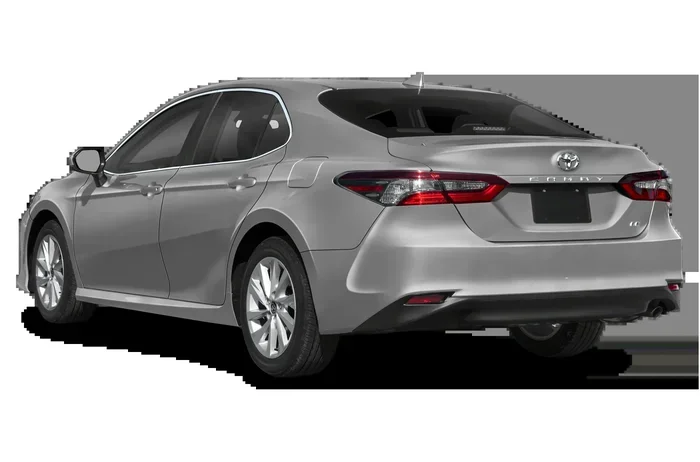
The Toyota Camry is a midsize sedan with a curb weight that typically ranges from about 3,300 to 3,600 pounds depending on trim, engine, and options. Knowing the exact weight helps you understand fuel economy, handling, and towing limits. In this guide, you will learn how trim levels change the number, why weight matters, and where to find official specs for your model year. We will also compare trims and share practical tips for loading your car safely.
If you are shopping for a reliable family sedan, the Toyota Camry is a name that comes up often. People love it for its smooth ride, strong safety record, and low cost of ownership. One question that comes up a lot is how heavy is Toyota Camry. The answer matters more than you might think. Weight affects braking, cornering, fuel economy, and even how the car feels on the highway. In this article, we will break down the numbers in a simple way and show you what they mean for daily driving.
We will look at curb weight, payload, and the small differences between trims. You will also learn where to find the official number for your specific car. By the end, you will know exactly what to check and how to use the information when you buy, load, or compare vehicles.
Key Takeaways
- Curb weight range: Most Toyota Camry models weigh between 3,300 and 3,600 pounds, depending on trim and options.
- Trim matters: Base LE models are lighter, while fully loaded trims with bigger wheels and more features add weight.
- Engine choices: The standard four-cylinder is lighter than the available V6 in older model years, which affects performance and fuel use.
- Payload and passengers: The payload capacity tells you how much weight the car can safely carry, including people and cargo.
- Fuel economy link: A lighter car usually uses less fuel, so weight plays a role in gas mileage and running costs.
- Check the door jamb: The safest way to confirm your exact weight is the manufacturer label on the driver side door frame.
- Load smart: Spread weight evenly, avoid overloading the trunk, and keep heavy items low for better balance and control.
📑 Table of Contents
How Heavy Is Toyota Camry by Trim and Model Year
The short answer is that most modern Toyota Camry models weigh between 3,300 and 3,600 pounds. That range covers the common four-cylinder trims you see on the road today. The exact number changes with the engine, wheels, sound insulation, seating materials, and extra features like a sunroof or premium audio. A base model is usually lighter, while a fully loaded trim can push the scale a bit higher.
It helps to think of weight in three simple groups. First, there is the bare car with standard equipment. Second, there is the same car with common options. Third, there is the maximum load you can add safely. When people ask how heavy is Toyota Camry, they usually mean the first one, which is called curb weight. Curb weight includes the car itself, a full tank of fuel, and all standard fluids. It does not include passengers or cargo.
Why the Numbers Vary
Several small parts add up to a noticeable difference. Larger wheels and low profile tires often weigh more than standard wheels. Leather seats and extra sound deadening material also add mass. A power liftgate, bigger battery, or upgraded infotainment system can nudge the number up too. Even the fuel you put in the tank matters, since a full tank adds several pounds compared to a half tank.
Model year changes can shift the weight a little as well. Designers may update brackets, use new materials, or change the suspension setup. These changes are usually small, but they can move the curb weight by a few pounds from one year to the next. That is why it is smart to check the label for your exact vehicle instead of relying on a general guess.
Quick Trim Weight Guide
Here is a simple comparison to help you picture the differences. These figures are typical ranges for common Camry setups, not exact numbers for every car.
| Trim Level | Typical Curb Weight Range | What Adds Weight |
|---|---|---|
| LE | Around 3,300 to 3,400 pounds | Standard wheels, cloth seats, basic features |
| SE | Around 3,350 to 3,450 pounds | Sport tuning, larger wheels on some packages |
| XLE | Around 3,400 to 3,500 pounds | Comfort features, bigger wheels, sunroof option |
| XSE | Around 3,450 to 3,550 pounds | Sport styling, upgraded wheels, extra equipment |
| Limited | Around 3,500 to 3,600 pounds | Premium materials, advanced tech, more options |
This table gives you a practical way to compare trims. If you want the lightest setup, look at the simpler trims with standard wheels. If you want more comfort or more tech, expect a modest increase in weight. The difference is usually small enough that most buyers will not feel it in daily driving, but it can matter if you care about fuel economy or payload.
What Curb Weight Really Means
Curb weight is the weight of the car as it leaves the factory, ready to drive. It includes the body, engine, transmission, fluids, wheels, and a full tank of gas. It does not include you, your passengers, or your luggage. This is the number most people use when they ask how heavy is Toyota Camry, because it is the easiest weight to compare between models.
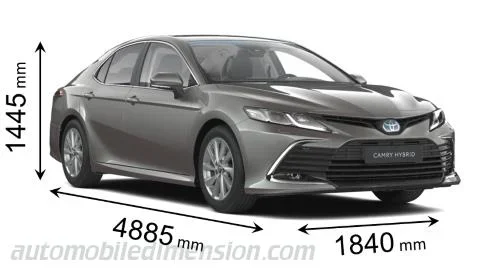
Visual guide about Toyota Camry sedan weight
Image source: automobiledimension.com
Another useful term is gross vehicle weight rating, often called GVWR. This is the maximum total weight the car can safely handle. It includes the car itself plus everyone and everything inside it. You can think of GVWR as the ceiling. If curb weight is the starting point, GVWR is the limit you should not pass.
Curb Weight vs Payload
Payload is the extra weight you can add safely. It covers passengers, cargo, and any accessories you install after purchase. To find your payload, subtract the curb weight from the GVWR. The result tells you how much room you have left for people and stuff. This is important because a car can feel fine at curb weight but become overloaded once you add a full carload and a heavy trunk.
For example, if a Camry has a GVWR of about 4,300 pounds and a curb weight near 3,400 pounds, you have roughly 900 pounds of payload. That number sounds generous, but it fills up fast. Four adults can easily use 600 to 700 pounds. Add a few bags, a stroller, or sports gear, and you can reach the limit sooner than you expect.
Why This Matters for Daily Driving
Weight influences how the car brakes and turns. A heavier car needs more distance to stop, especially in wet weather or sudden situations. It also changes how the suspension feels over bumps. A lighter setup often feels quicker and more nimble, while a heavier setup can feel steadier but less lively. Neither is automatically better. It depends on what you want from the car.
Weight also affects fuel use. A lighter car usually needs less energy to move, so it can return better gas mileage. That does not mean you should chase the lightest trim at any cost. Comfort, safety, and features matter too. The best choice is the one that fits your needs while staying within safe loading limits.
How Engine and Options Change the Scale
The Camry is offered with different powertrains, and those choices affect weight. A standard four-cylinder engine is the most common and usually the lightest setup. In past years, a V6 was available, and that engine added more weight than the four-cylinder. If you are comparing used models, this is one of the biggest things to check.
Options matter too. A set of larger alloy wheels can add weight compared with steel wheels and hubcaps. A sunroof adds mechanisms and glass. Extra sound insulation can make the cabin quieter, but it also adds mass. Even the battery size can change a little if the car has more electrical accessories. These are small changes on their own, but they add up.
Common Add-Ons That Add Weight
Here are a few items that often increase the scale:
- Larger wheels and low profile tires: Often heavier than standard wheels.
- Sunroof or moonroof: Adds glass, motors, and structure.
- Leather or premium seats: Can be heavier than cloth options.
- Premium audio: Extra speakers and hardware may add mass.
- More sound deadening: Improves noise control but increases weight.
- Cargo organizers and accessories: Aftermarket items can add pounds too.
You do not need to avoid these features. They often improve comfort, style, and convenience. The point is simply to understand that every extra feature has a small weight cost. When you compare trims, think about which items you truly want and which ones you can live without.
Where to Find Your Exact Weight Spec
The most accurate way to answer how heavy is Toyota Camry for your specific car is to check the manufacturer label. You can usually find it on the driver side door jamb. Open the door and look for a silver or white sticker on the frame. It lists important facts like the VIN, tire pressure, and weight information.
This label is the best source because it matches your exact build. Two cars with the same trim can still have different weights if one has optional equipment and the other does not. The door jamb label removes the guesswork. If you are buying used, this is one of the first things you should check.
What to Look For on the Label
The sticker may show several weight figures. Common items include the vehicle weight, GVWR, and tire information. Some labels also list the front and rear axle weights. These numbers help you understand how weight is spread across the car. Proper balance matters because too much weight over one axle can affect handling and tire wear.
If you cannot find the label, the owner manual is another good place to look. You can also contact a Toyota dealer with your VIN. The VIN tells them exactly which build you have, so they can give you the correct specs. This is especially helpful for older models or cars with unusual option packages.
Quick Tips for Checking Weight the Right Way
- Check the door jamb label first. It is the fastest and most reliable source.
- Use the VIN if you need help. A dealer can look up the exact build.
- Do not trust memory or guesswork. Two similar trims can differ in weight.
- Include fuel weight in your thinking. A full tank adds more than an empty one.
- Compare curb weight, not loaded weight, when shopping. It keeps the comparison fair.
How Weight Affects Fuel Economy, Handling, and Towing
Weight touches almost every part of the driving experience. The most obvious effect is fuel economy. A lighter car usually uses less fuel to accelerate and maintain speed. That is one reason compact and midsize sedans often beat larger vehicles on gas mileage. If you drive a lot, even a small improvement can matter over time.
Handling is another area where weight shows up. A lighter car can change direction more easily, which can make it feel more agile. A heavier car may feel more planted, but it can also feel slower to respond. The suspension, tires, and chassis design also play a big role, so weight is only one part of the story. Still, it is a part you can notice if you compare two cars side by side.
Towing and Practical Limits
The Camry is not a truck or a large SUV, so towing is limited. If you are wondering whether it can pull a small trailer, the answer depends on the model and the rating for that year. In many cases, the safest approach is to keep towing very light or avoid it altogether. Always check the official towing rating before attaching anything. If you need to haul more often, you may want a vehicle with a stronger towing setup.
If you want to compare the Camry with other popular sedans, it helps to look at both weight and overall balance. For example, you might explore a comparison between the Camry and its main rival to see how they stack up in comfort, fuel use, and features. A useful guide is which is better Honda Accord or Toyota Camry. That kind of comparison can help you decide whether the Camry fits your priorities.
Common Mistakes When Thinking About Weight
- Assuming all trims weigh the same. Options and wheels can change the number.
- Ignoring payload. Passengers and cargo add up quickly.
- Overloading the trunk. Too much rear weight can affect balance.
- Forgetting fuel weight. A full tank is heavier than a partial one.
- Guessing instead of checking the label. The door jamb sticker is the right source.
Smart Ways to Load Your Camry and Stay Safe
Once you know how heavy is Toyota Camry, the next step is learning how to load it wisely. The goal is to stay within the payload limit and keep the weight balanced. Put heavy items low and close to the center of the car when you can. That helps the car feel stable and reduces stress on the suspension.
Spread the load evenly between the front and back. A trunk packed with heavy boxes can make the front end feel light, which may reduce steering grip. If you carry a lot of cargo, try to move some of it forward of the rear axle if space allows. Even distribution is usually better than stacking everything in one spot.
Practical Loading Tips
- Keep heavy items low. Lower weight helps balance and control.
- Do not stack loose items too high. They can shift during sudden stops.
- Use the trunk for bulky gear. It is designed for cargo storage.
- Check tire pressure before heavy loads. Proper pressure supports safer driving.
- Leave room for passengers. People count toward payload too.
If you often carry family, sports gear, or work tools, make a habit of checking the total load. A quick mental math check is useful. Add up the people, then add the cargo. If you are close to the payload limit, remove something or make two trips. It is better to be cautious than to overload the car.
Expert Insight on Weight and Balance
Think of the car as a system, not just a number on a scale. The engine, brakes, tires, and suspension all work together. Weight changes how hard each part has to work. That is why a car can be strong and capable but still feel sluggish if it is overloaded. The best results come from matching the car’s setup to the way you actually drive and carry things.
If you are curious about other Toyota models and how they compare in size or weight, it can help to look at related vehicles too. For example, you might check how big is Toyota RAV4 if you are considering a smaller SUV instead of a sedan. Seeing the differences across the lineup can make your choice clearer.
Conclusion
So, how heavy is Toyota Camry? For most trims, the curb weight sits in a range near 3,300 to 3,600 pounds, with the exact number depending on engine, wheels, and options. The best way to know your exact weight is to check the door jamb label or look up the VIN. Once you have that number, you can understand payload, fuel use, and loading limits much more clearly.
Weight is not just a spec sheet detail. It affects how the car feels, how it stops, and how much it costs to run. By choosing the right trim and loading the car wisely, you can get the best balance of comfort, efficiency, and safety. Use the numbers as a guide, but always match them to your real-world needs.
Frequently Asked Questions
How much does a Toyota Camry weigh at curb weight?
Most Toyota Camry models have a curb weight between about 3,300 and 3,600 pounds, depending on trim, engine, and options. The exact number varies by model year and equipment, so the door jamb label is the best source for your specific car.
Does the Camry weigh more with a V6 engine?
Yes, a V6 engine usually adds more weight than the standard four-cylinder, especially in older model years. That can affect acceleration, fuel use, and payload. If you are comparing used models, check the engine type on the window sticker or VIN record.
What is the payload capacity of a Toyota Camry?
Payload capacity is the difference between curb weight and gross vehicle weight rating, so it varies by model. It usually allows for a full carload of passengers plus a moderate amount of cargo. Always check the label on your vehicle to stay within the safe limit.
Where can I find the exact weight for my Camry?
Look for the manufacturer label on the driver side door jamb. It lists important weight and tire information for your exact build. If the label is missing, a Toyota dealer can often help using your VIN.
Does a heavier Camry trim affect fuel economy?
It can. Extra weight from bigger wheels, more features, or a larger engine may reduce fuel economy slightly. The difference is often small in daily driving, but it can matter if you drive long distances or want to keep running costs low.
Is the Toyota Camry good for carrying heavy cargo?
It can carry everyday cargo and family gear well, but it is still a sedan with a limited payload ceiling. For best results, spread weight evenly and avoid overloading the trunk. If you need to haul very heavy items often, a larger vehicle may be a better fit.