
Toyota Corollas last an impressive 200,000 to 300,000 miles with proper care. Their reputation for engine reliability and low cost of ownership makes them a top choice for budget-conscious drivers. Learn how routine maintenance and smart driving habits can help you push your Corolla mileage even higher.
If you are shopping for a car that simply will not quit, you have probably heard the same name come up again and again. People ask how long do Toyota Corollas last because this sedan has built a legendary reputation for staying on the road year after year. The short answer is very encouraging. With normal use and basic care, a Corolla can easily cover 200,000 miles. Many owners push past 300,000 miles without major headaches.
This guide breaks down the real numbers, the common weak spots, and the simple habits that help a Corolla keep running strong. You will see what affects Corolla mileage, which model years tend to hold up best, and how to protect your investment. Whether you are buying used or keeping your current car longer, these insights will help you plan with confidence.
Key Takeaways
- Exceptional Longevity: Most Toyota Corollas easily reach 200,000 miles, with many surpassing 300,000 miles when maintained well.
- Engine Reliability: The 1.8L and 2.0L powertrains are known for simplicity, durability, and fewer major repairs over time.
- Maintenance Matters: Regular oil changes, fluid checks, and timely part replacements are the biggest factors in extending Corolla lifespan.
- Low Cost of Ownership: Affordable parts, widespread service knowledge, and high fuel efficiency keep long-term expenses low.
- Real-World Proof: Fleet data, taxi use, and owner reports consistently show Toyota Corolla durability outperforming many rivals.
- Model Year Nuances: Newer generations add tech and safety features, but older models often prove simpler and cheaper to keep running.
- Smart Driving Helps: Gentle acceleration, proper tire care, and avoiding harsh conditions can add years to your vehicle lifespan.
📑 Table of Contents
- How Long Do Toyota Corollas Last in Real World Driving
- Toyota Corolla Reliability and Engine Durability
- Toyota Corolla Maintenance Tips to Maximize Lifespan
- Common Issues and How to Avoid Them
- Model Year Differences and What to Look For
- Cost of Ownership and Long-Term Value
- Expert Insights and Real Owner Experiences
- Final Thoughts on How Long Do Toyota Corollas Last
How Long Do Toyota Corollas Last in Real World Driving
The Toyota Corolla has a long track record of reliable daily driving. Most well-maintained examples reach 200,000 miles with only routine service. Many keep going to 250,000 miles and beyond. The key is consistent care and reasonable driving habits. This car is not built for racing. It is built for steady, economical miles.
Real-world data from fleets, rental returns, and owner forums supports the same pattern. Cars that get regular oil changes and timely fluid swaps tend to age gracefully. Engines stay tight. Transmissions shift smoothly. Suspension parts wear at a normal pace. You can expect a Corolla lifespan that outlasts many compact rivals when you stay on top of basics.
Typical Mileage Ranges You Can Expect
Here is a simple breakdown of what many owners report over time:
- 0 to 100,000 miles: Minimal issues if serviced on schedule. Mostly wear items like brakes and tires.
- 100,000 to 150,000 miles: Start watching suspension bushings, struts, and minor leaks. Oil changes remain critical.
- 150,000 to 200,000 miles: Many Corollas still run strong. Replace spark plugs, coolant, and belts per schedule.
- 200,000 to 300,000 miles: Achievable with patient driving and careful maintenance. Some engines reach this mark with original internal components.
These ranges are not guarantees. They are common patterns. Your results depend on how the car was driven, where it was driven, and how well it was cared for.
Toyota Corolla Reliability and Engine Durability
The heart of the Toyota Corolla durability story is the powertrain. Most Corollas use a naturally aspirated 1.8L or 2.0L four-cylinder engine. These units are simple. They have fewer moving parts than turbocharged options. That simplicity helps them run for a long time with basic care.

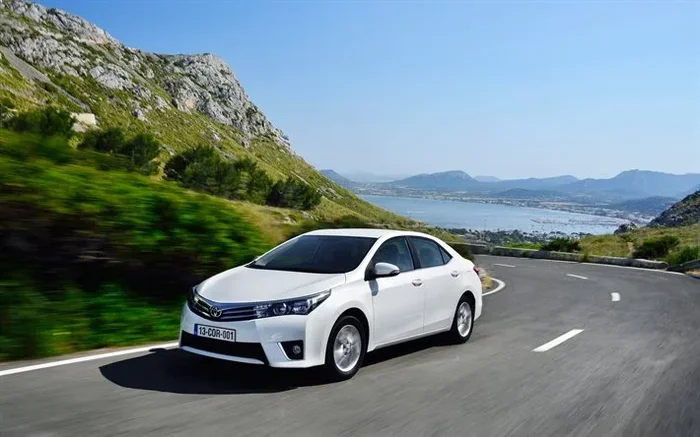
Visual guide about Toyota Corolla driving on highway
Image source: thumbs.dreamstime.com
The transmission choices include a trusted CVT and a traditional automatic in older models. Both can last a long time when fluid changes happen on time. The CVT is smooth and efficient. It does need clean fluid to stay healthy. The older automatic is straightforward and easy to service. Either way, gentle driving protects the drivetrain.
Why These Engines Tend to Last
Several design choices support long-term strength:
- Proven block and head design: Toyota refines these engines over many years. The basics stay solid.
- Moderate power output: Lower stress on internals helps reduce wear during normal driving.
- Simple accessory layout: Fewer complex parts can mean fewer surprises down the road.
- Wide service network: Any shop can work on these engines, which keeps maintenance affordable.
That mix of simplicity and support is a big reason people trust this sedan. If you keep up with car maintenance, the powertrain usually rewards you with steady performance.
Toyota Corolla Maintenance Tips to Maximize Lifespan
Good habits matter more than any single part. A Toyota Corolla maintenance routine does not need to be fancy. It just needs to be consistent. Follow the schedule in your owner manual, and adjust for your climate and driving style. Hot weather, cold starts, and stop-and-go traffic can all speed up wear.
Start with the basics. Fresh oil protects the engine. Clean coolant manages temperature. Proper brake fluid keeps the system responsive. Tire rotation and alignment save fuel and reduce suspension strain. Small checks today prevent big bills later.
A Simple Service Checklist
Use this list as a quick reference:
- Oil changes: Every 5,000 to 7,500 miles for conventional or synthetic blend, or per your manual for full synthetic.
- Air filter: Inspect yearly. Replace when dirty to protect fuel efficiency and engine breathing.
- Fluid checks: Brake, coolant, transmission, and power steering fluids should stay at proper levels and look clean.
- Spark plugs: Replace around the recommended interval to keep combustion efficient and smooth.
- Belts and hoses: Look for cracks, softness, or leaks. Replace before they fail.
- Tires and brakes: Rotate tires on schedule. Replace pads and rotors before damage spreads.
If you are not sure about a noise or a warning light, get it checked early. Catching a small leak or a worn component is much cheaper than waiting for a breakdown. Preventative maintenance is the cheapest insurance you can buy.
Common Issues and How to Avoid Them
No car is perfect. Even a highly dependable sedan can develop wear items or minor faults. The good news is that most Toyota Corolla problems are manageable when you know what to watch for. Many reports point to small leaks, suspension wear, or sensor quirks rather than major engine failure.
The CVT in some model years can be sensitive to neglected fluid. Older models may show premature tire wear if alignment is off. A few owners note accessory noise or minor oil seepage at higher mileage. These are usually serviceable. They do not define the car. Good care keeps them small.
Quick Tips to Reduce Wear
Try these habits to limit common issues:
- Warm up gently: Drive lightly for the first few minutes instead of blasting off cold.
- Cool down the transmission: After hard driving, idle a minute or two so the CVT or automatic can settle.
- Watch for leaks: Check under the car after parking. A small spot now can save a big repair later.
- Keep alignment in check: Straight wheels save tires and reduce strain on suspension parts.
- Use quality parts: Stick to reputable OEM parts or trusted equivalents for long-term fit and function.
If you address small items early, your vehicle lifespan stretches out nicely. A little attention goes a long way.
Model Year Differences and What to Look For
Not every Corolla is identical. Generations bring different tech, safety features, and minor design changes. Newer models often add better infotainment, more airbags, and improved crash protection. Older models may feel simpler and cheaper to service. Both can be great choices if they fit your needs and budget.
When comparing used examples, look at service records first. A well-documented higher-mileage car is often a better bet than a lower-mileage car with an unknown past. Also check for rust, alignment wear, and smooth transmission behavior. A test drive should feel quiet and steady at low speeds and confident on the highway.
What to Check Before You Buy
Use this short list during your search:
- Service history: Look for regular oil changes and documented fluid work.
- Engine behavior: Listen for knocks, ticking, or rough idle. Watch for smoke or hesitation.
- Transmission feel: Shifts should be smooth. The CVT should not shudder or flare oddly.
- Suspension and brakes: The ride should feel controlled. Brakes should stop straight without pulsing.
- Electronics: Test the AC, windows, lights, and audio system to avoid surprise repair costs.
These checks help you gauge Toyota Corolla reliability in the specific car you are considering. A careful inspection now saves money later.
Cost of Ownership and Long-Term Value
A long-lasting car is only a good deal if it stays affordable to keep. The Toyota Corolla cost of ownership is generally low. Parts are common. Labor is straightforward. Fuel bills stay modest thanks to strong fuel efficiency. That combination makes this sedan a smart pick for budget-minded drivers.
Insurance costs are often reasonable too. The car is not a high-theft target in most areas, and repair claims tend to be routine. Over time, those savings add up. If you plan to keep your car for many years, low running costs matter just as much as long-term durability.
Where the Savings Really Show Up
Consider these common expense areas:
- Routine service: Oil, filters, and fluid swaps are affordable and easy to schedule.
- Wear items: Brakes, tires, and wipers are widely available and fairly priced.
- Major repairs: Less frequent than many competitors when the car is cared for properly.
- Fuel: Efficient engines and a light, aerodynamic body help every tank last longer.
- Resale value: Strong demand for reliable used compacts helps protect your trade-in or sale price.
When you stack all of this together, the Corolla offers a clear long-term value story. You spend less to keep it moving, and it tends to keep moving for a long time.
Expert Insights and Real Owner Experiences
Mechanics and long-time owners often say the same thing: consistency beats complexity. A Corolla does not need special treatment. It needs regular attention. Shops see these cars every day, which means problems are usually easy to diagnose and fix. That familiarity keeps labor time down and confidence up.
Owners frequently share stories of high-mileage examples that still run well. Some report original timing components lasting deep into five-figure mileage. Others mention swapping a few wear items and continuing for years. These accounts line up with the broader reputation for engine reliability and steady performance.
Key Takeaways from the Field
Here is what experts and experienced owners often emphasize:
- Follow the manual: Factory intervals are a solid starting point for car maintenance.
- Fix small things fast: A minor leak or odd noise is cheaper to solve today than next month.
- Drive smoothly: Gentle throttle and braking reduce stress on the drivetrain and suspension.
- Keep records: A simple log helps you track service and spot patterns over time.
- Use common sense: If something feels off, get a second opinion before assuming the worst.
These habits are simple, but they make a real difference. They help a Toyota Corolla durability story stay true for your specific car.
Final Thoughts on How Long Do Toyota Corollas Last
So, how long do Toyota Corollas last? In real-world use, a well-cared-for Corolla can comfortably reach 200,000 miles and often goes much farther. The engine is straightforward. The transmission is dependable when serviced. The parts are affordable. The whole package is built for the long haul.
Your results will depend on your habits. Regular oil changes, timely fluid swaps, and quick attention to small issues will pay off for years. Gentle driving and proper tire care help too. If you treat the car well, it tends to return the favor with steady, economical miles.
Whether you are buying your first Corolla or keeping one for the long run, the path is clear. Stick to a simple maintenance routine, watch for early warning signs, and enjoy a sedan that is known for staying on the road. That is the real strength of this compact classic.
Frequently Asked Questions
How many miles can a Toyota Corolla last?
Most Toyota Corollas reach 200,000 miles with routine care, and many push past 300,000 miles. Real-world results depend on maintenance, driving habits, and model year. Consistent oil changes and timely repairs make a big difference.
What is the average lifespan of a Toyota Corolla?
The average lifespan is commonly 15 to 20 years or 200,000 to 300,000 miles when maintained well. Many examples last longer with gentle driving and regular service. Harsh use or neglected care can shorten that timeline.
Do Toyota Corollas have major problems at high mileage?
High-mileage Corollas usually face normal wear items like brakes, tires, suspension bushings, and minor leaks rather than major engine failure. CVT fluid neglect or ignored small issues can cause bigger trouble. Most concerns are manageable when caught early.
How often should I change the oil in a Corolla?
Follow your owner manual, but many drivers change oil every 5,000 to 7,500 miles for conventional or synthetic blend, and up to 10,000 miles for full synthetic in normal conditions. Severe driving may call for more frequent changes. Consistent oil changes protect engine reliability.
Is a high-mileage Corolla a good buy?
A high-mileage Corolla can be a smart buy if it has a clear service history and no major red flags. Look for smooth transmission behavior, solid suspension, and evidence of regular maintenance. A well-documented older car often beats a low-mileage car with an unknown past.
What maintenance tips help a Corolla last longer?
Stick to the factory schedule, change fluids on time, and replace wear items before they fail. Keep tires aligned, drive gently when the engine is cold, and fix small leaks quickly. These simple habits extend Corolla mileage and support long-term value.