
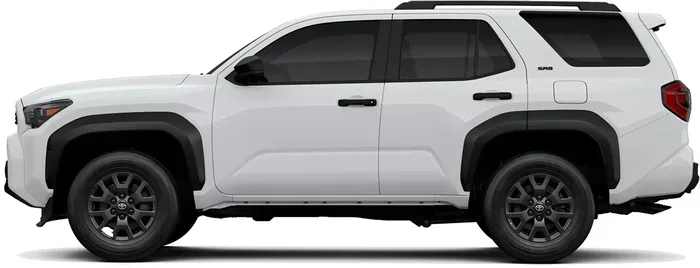
Wondering how long is a Toyota 4Runner? This complete vehicle size guide breaks down the exact exterior dimensions, cargo capacity, and interior measurements for every model year. You will learn how the 4Runner compares to rivals, what size garage it needs, and how trim levels affect overall length. Whether you are planning a purchase or checking fitment, this guide gives you clear, reliable numbers.
If you have ever stood in a dealership lot and tried to guess the size of a truck-based SUV, you know it can be tricky. The Toyota 4Runner has a bold, boxy shape that makes it look bigger than it actually is. That is why so many buyers ask the same question: how long is a Toyota 4Runner? Getting the right answer matters for garage fitment, towing setup, parking comfort, and even cargo planning.
In this guide, we will walk through the exact exterior dimensions, interior measurements, and cargo numbers for the 4Runner. We will also look at how different trims and model years change the size profile. You will get practical tips for measuring your space, comparing the 4Runner to other SUVs, and avoiding common fitment mistakes. By the end, you will have a clear picture of what this vehicle actually occupies on the road and in your driveway.
Key Takeaways
- Overall Length: The modern Toyota 4Runner measures approximately 189 to 190 inches long, depending on the trim and model year.
- Width and Height: Most 4Runners sit around 78 inches wide and 70 to 71 inches tall, giving them a boxy, rugged profile.
- Cargo Space: Behind the rear seats, you typically get 40 to 46 cubic feet of storage, which expands with the rear seats folded.
- Wheelbase: A standard 110 to 112-inch wheelbase provides a stable ride and predictable handling on rough terrain.
- Trim Differences: Sport, SR5, TRD Off-Road, and Limited trims share similar dimensions, but accessories can change the final measurements.
- Garage Fit: A standard 20-foot garage usually fits a 4Runner with room to spare, but always measure your door clearance first.
- Comparison Value: The 4Runner is slightly longer than compact SUVs but shorter than full-size truck-based SUVs, striking a balanced middle ground.
📑 Table of Contents
How Long Is A Toyota 4Runner: The Short Answer
The direct answer is simple. For most recent model years, the Toyota 4Runner measures about 189 to 190 inches in overall length. That number stays fairly consistent across trims because Toyota keeps the same basic body structure. The small differences you see usually come from bumper overlays, side steps, roof racks, or factory accessories.
If you want a quick reference, here is what the length typically looks like across recent generations:
- Current Generation (2010 to present): Around 189 to 190 inches
- Previous Generation (2003 to 2009): Roughly 188 to 189 inches
- Older Second Generation (1996 to 2002): Close to 187 to 188 inches
These numbers give you a solid starting point. Still, the exact figure can shift by an inch or two depending on the year, market, and optional equipment. If you need precision for a tight garage or a custom build, always verify the specific VIN or window sticker for your exact truck.
Why The Length Matters For Daily Use
Knowing the length helps you plan for more than just parking. A vehicle in the 189-inch range behaves differently in driveways, parking garages, and narrow streets than a compact crossover. It also affects how you angle in and out of spaces. If you have ever scraped a bumper on a tight corner, you already understand why a few inches matter.
Length also plays a role in towing and hauling. A longer wheelbase can improve stability when you pull a trailer, while a shorter overall length can make reversing easier in crowded lots. The 4Runner sits in a sweet spot where it feels capable without becoming awkward to maneuver.
Quick Tip: Measuring Your Own Space
Before you bring a new 4Runner home, measure your actual parking area. Use a tape measure or a laser tool and mark the floor with painter’s tape. Then compare that space to the 189-inch length plus a few extra inches for mirror clearance and door opening. This simple step saves a lot of guesswork.
Exterior Dimensions Beyond Length
Length is only one part of the size story. The Toyota 4Runner also has a distinct width and height that shape its road presence. Most recent models measure around 78 inches wide and roughly 70 to 71 inches tall, depending on the trim and roof setup. That upright, rectangular shape is part of what makes the 4Runner look so rugged.
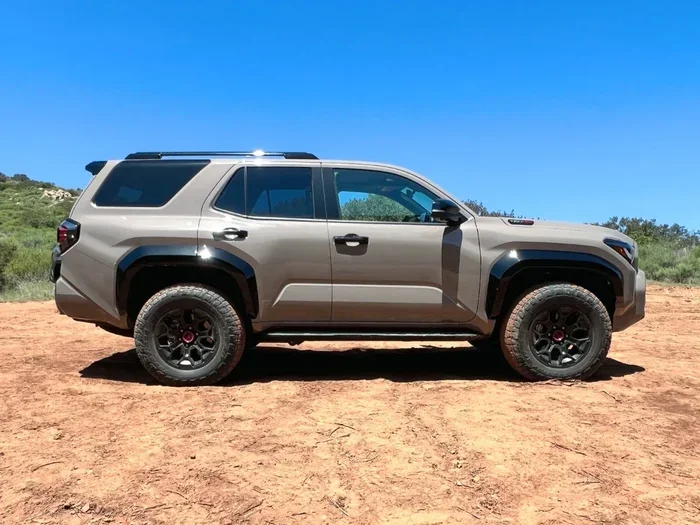
Visual guide about Toyota 4Runner vehicle side profile
Image source: cdn.jdpower.com
Here is a simple comparison of the main exterior dimensions for a typical modern 4Runner:
- Overall Length: About 189 to 190 inches
- Overall Width: Around 78 inches, excluding mirrors
- Overall Height: Approximately 70 to 71 inches
- Wheelbase: Roughly 110 to 112 inches
- Ground Clearance: Varies by trim, often around 8 to 9 inches
These numbers explain why the 4Runner feels substantial but still manageable. The width is wide enough for stable highway driving, yet it usually fits within standard parking spaces. The height gives you a commanding view of the road, which many drivers appreciate on trails and in traffic.
How Trim Levels Affect Exterior Size
Most 4Runner trims share the same core dimensions. The SR5, Sport, TRD Off-Road, Limited, and TRD Pro generally use the same body footprint. The real differences come from added equipment. A factory roof rack, side ladder, or running board can change the effective height. A rear bumper accessory or tow hitch can alter the overall length slightly.
If you are comparing trims, focus on the features that matter for your use. A TRD Pro with off-road tires and a lift may feel taller and more capable, but the base length remains similar. That consistency is one reason the 4Runner is so popular among people who want a predictable size across trim choices.
Expert Insight: Reading The Window Sticker
When you shop for a used or new 4Runner, the window sticker or build sheet often lists the official dimensions. This is the most reliable source for your exact vehicle. If you are ordering accessories, use those numbers rather than rough estimates. A small mismatch can affect rack fitment, cargo organizers, and even garage door clearance.
Interior Space And Cargo Capacity
Exterior length does not tell the whole story. You also want to know what happens inside. The Toyota 4Runner offers a practical cabin with enough room for families, gear, and weekend projects. Behind the rear seats, cargo space typically ranges from about 40 to 46 cubic feet. With the rear seats folded, that number grows to roughly 80 to 89 cubic feet, depending on the model year and measurement method.
That cargo area is one of the reasons the 4Runner stays competitive. It handles camping gear, sports equipment, and work tools without feeling cramped. The upright rear design also makes it easy to stack bins and storage boxes. If you often carry bulky items, the 4Runner’s shape works in your favor.
Seating And Passenger Room
Inside, the 4Runner usually seats five passengers in a standard three-across front bench and two-seat rear bench. Some configurations and markets may offer different seating layouts, so it is worth checking the specific model. Front legroom and headroom are generous for a compact truck-based SUV. Rear passengers get a comfortable amount of space, though taller adults may notice the upright roofline more than a smoothly raked crossover.
If you regularly carry adults in the back, test the rear seat comfort before you buy. The 4Runner is practical, but its boxy shape can feel a bit tighter for long trips compared with some lower, wider crossovers. For mixed family use and gear hauling, though, it remains a strong choice.
Common Mistakes When Estimating Cargo Space
Many buyers guess cargo size by looking at the rear opening. That can be misleading. The actual usable space depends on seat fold-flat behavior, wheel well intrusion, and the shape of your gear. A tall box may fit even if the trunk seems narrow. A long item may need the rear seats down, even if the cargo floor looks short.
To avoid surprises, measure your most common items first. Then compare them to the folded-seat floor length and the vertical cargo height. This practical approach works better than relying on cubic feet numbers alone.
How The 4Runner Compares To Other Toyota SUVs
If you are weighing the 4Runner against other Toyota models, size is a major factor. The 4Runner is longer and taller than many compact crossovers, but it is not as large as some three-row family SUVs. That middle ground is exactly where it shines. You get truck-based toughness without the full bulk of a large SUV.
For a broader view of how Toyota SUVs stack up, it helps to compare their overall footprint and use cases. You can read more in our guide on how much is a Toyota Highlander to see how a larger, more passenger-focused SUV differs in size and price. If you want a smaller option, check how much is a Toyota Rav4 for a compact crossover that is easier to park but less rugged. And if you are curious about a truck-based alternative, how much is a Toyota Tacoma shows how Toyota’s midsize truck compares in footprint and utility.
Length, Width, And Use Case Comparison
Here is a simple way to think about the size differences:
- Toyota 4Runner: About 189 to 190 inches long, boxy shape, strong off-road image, solid cargo space.
- Toyota RAV4: Shorter and narrower, easier for tight city parking, more crossover-like ride.
- Toyota Highlander: Longer and often wider, designed for more passenger comfort and three-row seating.
- Toyota Tacoma: Truck-based, shorter bed options, more focused on hauling and towing in a pickup form.
This comparison shows why the 4Runner is such a versatile choice. It is not the smallest option, and it is not the largest. It sits in a practical zone where daily driving stays comfortable while off-road readiness and cargo utility remain high.
Quick Tip: Choosing The Right Toyota For Your Space
If your garage is tight, measure first and compare the numbers. A 4Runner usually fits a standard two-car garage, but a larger Highlander or a truck with accessories may feel more cramped. On the other hand, if you need maximum passenger room, the 4Runner’s two-row layout may not be the best match. Match the vehicle size to your real-world needs, not just the badge on the hood.
Garage Fitment, Parking, And Practical Size Tips
One of the most common reasons people ask how long is a Toyota 4Runner is garage fitment. A vehicle near 189 inches usually fits comfortably in a standard garage, but the real test is your door width, driveway angle, and any side obstacles. Mirrors add width, and open doors add length, so always leave extra clearance.
If you park in a shared garage or a narrow alley, practice your entry angle before you commit. The 4Runner’s tall body can make it easier to see obstacles, but its boxy corners can also catch on tight turns. A few practice runs in an empty lot can build confidence fast.
Expert Insight: Planning For Accessories
Accessories change the effective size of the vehicle. A roof rack adds height. A rear cargo carrier adds length. Side steps or rock sliders can change clearance. If you plan to add gear, factor that into your measurements from the start. It is much easier to plan ahead than to discover a fit problem after installation.
Also think about everyday items. Bike racks, kayak carriers, and tow hitches all affect how the 4Runner fits in your world. A little planning now prevents frustration later.
Key Takeaways For Fitment
- Measure your garage door and interior width before buying.
- Leave extra room for mirrors, open doors, and rear accessories.
- Test your parking angle in an empty space if your area is tight.
- Account for roof racks and carriers when calculating height and length.
- Use the official window sticker dimensions for your exact model year.
Model Year Differences And What Stays The Same
Toyota has kept the 4Runner’s basic shape consistent for a long time. That consistency is a big reason buyers trust the model. While styling updates and interior refreshes happen, the overall length and body structure usually stay close to the same. That means a newer 4Runner often fits into the same space as an older one.
Still, small changes do occur. Bumpers, lighting, mirrors, and trim-specific equipment can shift the exact measurements by an inch or so. If you are comparing a 2015 model to a 2024 model, expect the same general footprint but verify the details if you need exact fitment. For more on how Toyota vehicles are built and where they come from, you can also explore where is Toyota company from to understand the brand’s broader manufacturing background.
Why Consistency Matters
A stable size profile makes the 4Runner easier to live with over time. If you already own a 4Runner, a replacement usually fits the same garage and uses the same storage solutions. If you are buying used, you can compare different years without worrying about major size jumps. That predictability is valuable, especially for people who plan to keep their SUV for many years.
Practical Example: Switching Model Years
Imagine you are moving from an older 4Runner to a newer one. The length is likely close enough that your garage setup still works. Your cargo bins, tonneau-style covers, and rear organizers probably still fit. That kind of continuity saves time and money, and it is one reason the 4Runner has such a loyal following.
Final Thoughts On The Toyota 4Runner Size
So, how long is a Toyota 4Runner? For most modern models, the answer sits right around 189 to 190 inches, with width near 78 inches and height around 70 to 71 inches. That size gives the 4Runner a strong, capable look while still keeping it practical for daily use. It is long enough to feel substantial and short enough to stay manageable in normal parking and driving situations.
If you are deciding whether the 4Runner fits your life, focus on the whole package. Look at cargo space, passenger room, accessory plans, and garage clearance. Compare it with smaller crossovers and larger SUVs to see where it lands for your needs. Once you know the real numbers, the choice becomes much easier.
The 4Runner’s size is part of its appeal. It feels ready for work, trails, and family trips without becoming oversized. That balance is hard to beat, and it explains why so many drivers keep coming back to this durable SUV.
Frequently Asked Questions
How long is a Toyota 4Runner in inches?
Most recent Toyota 4Runner models measure about 189 to 190 inches in overall length. The exact number can vary slightly by model year and optional equipment, so it is best to check the window sticker for your specific vehicle.
How wide is a Toyota 4Runner?
A typical 4Runner is around 78 inches wide, not including the side mirrors. Mirrors add extra width, so remember to account for them when measuring garage space or narrow parking areas.
How tall is a Toyota 4Runner?
The height usually falls between 70 and 71 inches, depending on the trim and any roof accessories. Adding a roof rack or off-road tires can increase the effective height, so plan accordingly if you have low clearances.
Does the 4Runner fit in a standard garage?
In most cases, yes. A 4Runner around 189 inches long usually fits in a standard two-car garage with room to spare. Just make sure to measure your door width and leave space for mirrors, open doors, and any rear accessories.
How much cargo space does a 4Runner have?
Behind the rear seats, the 4Runner generally offers about 40 to 46 cubic feet of cargo space. With the rear seats folded, that expands to roughly 80 to 89 cubic feet, depending on the model year and how the space is measured.
Do different 4Runner trims have different lengths?
Most trims share very similar overall length because they use the same basic body structure. Small differences can come from bumpers, side steps, roof racks, or other accessories, but the core footprint stays close across SR5, Sport, TRD Off-Road, Limited, and TRD Pro models.