
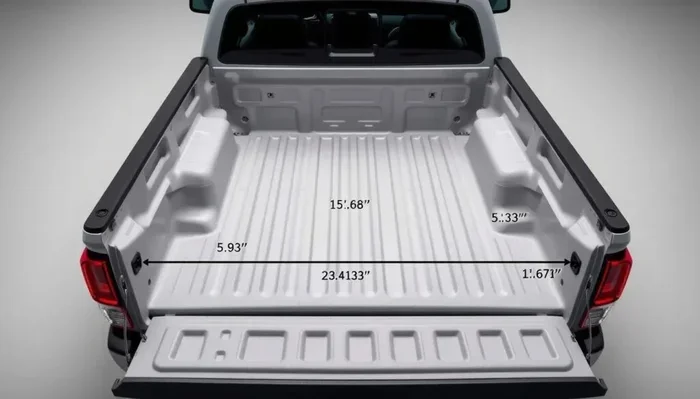
How long is the bed of a Toyota Tacoma? The answer depends on your trim level and model year. Most owners choose between a 4.6-foot short bed and a 6.1-foot long bed, each built for different hauling needs. Knowing the exact measurements helps you plan gear storage, towing setups, and daily driving comfort. We will walk you through every size option, practical uses, and smart buying tips so you can make a confident choice.
Picking the right truck size can feel overwhelming at first. You want enough space for your gear, but you also want a vehicle that feels easy to drive every day. If you are shopping for a midsize pickup, one question comes up fast: how long is the bed of a Toyota Tacoma? The answer matters more than many buyers expect. Bed length changes how you load equipment, how the truck handles on the road, and even how it fits in your garage.
In this guide, we will break down the bed sizes you can expect, explain why those measurements matter, and help you decide which option fits your routine. We will keep things simple and practical. You will learn what to look for, how to compare configurations, and which features can make the most of your cargo space. By the end, you will have a clear picture of what works best for your needs.
Key Takeaways
- Two main bed sizes: Toyota Tacoma trucks typically come with either a 4.6-foot or 6.1-foot bed, depending on the cab and trim configuration.
- Cab style matters: Double cab models usually pair with the shorter bed, while access cab and some sport variants often offer the longer option.
- Cargo volume varies: The longer bed increases total cargo space and makes it easier to carry long items like lumber, kayaks, and camping gear.
- Maneuverability trade-off: A shorter bed improves parking, turning, and daily driving comfort, while a longer bed boosts hauling capability.
- Aftermarket flexibility: Bed liners, tonneau covers, and roof racks can change how you use the space, so measure your gear before buying.
- Model year consistency: Bed lengths have stayed fairly steady across recent generations, but always verify specs for your exact year and trim.
- Match size to lifestyle: Pick the bed length that fits your most common tasks, whether that means weekend trips, work hauling, or everyday errands.
📑 Table of Contents
- Understanding the Toyota Tacoma Bed Options
- Exact Bed Lengths by Model Configuration
- Cargo Space and Practical Measurements
- Maneuverability, Parking, and Daily Driving
- Trim Levels, Cab Styles, and Configuration Choices
- Aftermarket Upgrades and Smart Ways to Maximize Bed Utility
- Final Thoughts on Choosing the Right Tacoma Bed Length
Understanding the Toyota Tacoma Bed Options
Toyota built the Tacoma to serve a wide range of owners. Some people want a compact truck for city driving. Others need a capable work truck for jobsite runs or weekend adventures. That balance shows up in the bed choices. When you ask how long is the bed of a Toyota Tacoma, the most common answer is that you will usually see two main lengths. One is shorter and more nimble. The other is longer and better for hauling bulky items.
The shorter bed is often appealing for daily driving. It keeps the truck feeling tighter on the road and makes parking easier. The longer bed gives you more room for tools, outdoor gear, and long cargo. If you frequently carry plywood, ladders, or extended camping equipment, the extra length can make a real difference. Both options have their place, and the right choice depends on how you plan to use the truck.
It helps to think about your typical load before you settle on a size. If most of your trips involve a cooler, a few bags, and some random hardware, the shorter bed may be plenty. If you regularly move furniture, haul sports gear, or carry materials for home projects, the longer bed can save you time and frustration. The goal is to match the truck to your routine, not the other way around.
Exact Bed Lengths by Model Configuration
Many buyers want a simple number, but truck configurations can make the answer feel a little more detailed. The bed length often depends on the cab style and the trim level you choose. That is why two Tacomas from the same model year can feel different in practical use. When people search how long is the bed of a Toyota Tacoma, they are usually comparing the compact option with the extended option.
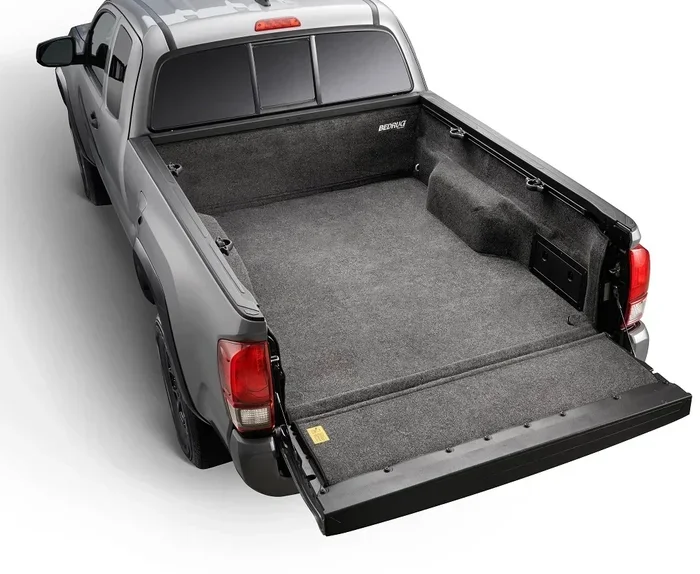
Visual guide about Toyota Tacoma truck bed
Image source: i2.wp.com
The shorter bed is commonly around 4.6 feet. This size is often paired with cab configurations that prioritize passenger space. It is a strong choice if you want a more balanced truck for everyday life. The longer bed is commonly around 6.1 feet. This version is usually chosen by buyers who care more about cargo capacity than maximum maneuverability.
Here is a simple comparison to make the difference easier to visualize:
- Short bed: Easier to park, better for tight streets, great for light to moderate cargo
- Long bed: More hauling room, better for long items, slightly less agile in narrow spaces
If you are trying to decide between the two, think about the longest item you expect to carry on a regular basis. That single test can clarify a lot. A truck that looks perfect on paper may feel awkward if your gear hangs over the tailgate too often. On the other hand, a longer bed can feel unnecessary if you rarely use the extra space.
Why Bed Length Affects Real-World Use
Bed length is not just a spec sheet number. It changes how you load, secure, and access your cargo. A shorter bed can make the tailgate easier to reach and reduce the distance between the cab and your tools. That can be helpful if you move smaller items in and out frequently. A longer bed gives you more room to lay things flat, stack gear, or keep longer items from sticking out.
It also affects how the truck feels when you drive it. Shorter beds usually make the vehicle feel a bit more compact, especially when turning or backing into tight spots. Longer beds can shift the weight distribution slightly and change how the truck behaves when loaded. Neither option is inherently better. They simply serve different priorities.
Matching Bed Size to Common Tasks
A good way to choose is to picture your most common jobs. If you are a contractor carrying binders, hand tools, and a small toolbox, the shorter bed may be enough. If you often transport ladders, pipes, or building materials, the longer bed can be much more convenient. Outdoor enthusiasts may also notice the difference. Fishing rods, camping tables, kayaks, and mountain bikes can all fit more easily in the longer option.
Here are a few common scenarios and how bed length can help:
- Weekend camping: A longer bed makes it easier to pack tents, coolers, and bulky gear without stacking everything high.
- Daily commuting: A shorter bed can feel easier to live with if you only carry light items.
- Home projects: Lumber, drywall, and hardware are often simpler to manage in a longer cargo area.
- Recreational gear: Bikes, boards, and outdoor equipment usually benefit from extra length and better spacing.
Cargo Space and Practical Measurements
Bed length is only part of the story. You also want to think about usable cargo space. Two trucks with similar bed lengths can still feel different depending on the interior layout, tailgate design, and how the bed walls are shaped. When you are evaluating how long is the bed of a Toyota Tacoma, it is smart to look at the whole picture rather than one measurement alone.
Cargo space matters because real loads are rarely perfect rectangles. You might carry odd-shaped gear, bulky boxes, or items that need to stay upright. A longer bed gives you more room to spread things out. That can reduce damage risk and make loading easier. It also helps when you need to carry multiple items at once without stacking them too high.
If you want a practical rule, think in terms of flexibility. A shorter bed works well when your loads are small and predictable. A longer bed works better when your loads vary a lot. The more varied your hauling needs, the more likely you are to appreciate extra length.
How to Measure Your Own Gear
Before you buy, measure the items you carry most often. Write down the length, width, and height of your biggest regular loads. Then compare those numbers to the bed size you are considering. This simple step can prevent a lot of guesswork. It is especially useful if you plan to carry long items regularly.
A few helpful tips:
- Measure your longest item first, since that often decides the best bed length.
- Think about how often you carry that item, not just whether it fits once in a while.
- Leave a little extra room so you do not have to force items in or worry about damage.
- Consider how you will secure the load, because space alone does not guarantee safe transport.
Tailgate Use and Loading Habits
The tailgate is part of the bed experience too. Some owners use it as a work surface, a seat, or a support for long items. Others keep it down only when hauling. If you like to load and unload frequently, a bed that feels easy to access can make daily use much smoother. A longer bed can help when you need to slide items farther back, but a shorter bed can still be very practical for lighter loads.
It is also worth thinking about how you secure cargo. Tie-downs, bed mats, and cargo organizers can improve usability regardless of length. If you plan to carry loose items, a tidy setup matters. If you carry boxed items or equipment with handles, the arrangement may matter less. Either way, the bed should support your routine without making every trip feel complicated.
Maneuverability, Parking, and Daily Driving
Some buyers focus only on hauling space and forget about everyday driving. That can be a mistake. A truck is not just a cargo tool. It is also something you will drive through traffic, park in narrow spots, and live with day after day. When you consider how long is the bed of a Toyota Tacoma, remember that bed length can influence how the truck feels in real life.
A shorter bed usually makes the truck easier to maneuver in tight areas. That can matter if you park on busy streets, navigate narrow driveways, or spend time in crowded parking lots. A longer bed may feel slightly less compact, especially when you are turning or reversing. For many people, that difference is small. For others, it matters a lot.
Daily driving comfort also includes how often you use the truck for mixed tasks. If your truck doubles as a family vehicle, errand runner, and work truck, the shorter bed may feel more versatile. If the truck is mostly used for hauling and weekend projects, the longer bed may be worth the trade-off. The best choice depends on your habits, not just the spec sheet.
Garage Fit and Space Planning
If you plan to keep the truck in a garage, bed length can affect fit. You should check the full length of the vehicle, not only the bed. The cab, mirrors, and bumpers all play a role too. It is frustrating to buy a truck that looks perfect only to realize it feels cramped when parked.
A few quick checks can help:
- Measure your garage length and width before choosing a configuration.
- Account for mirrors, accessories, and any bed covers you plan to add.
- Think about how often you open the tailgate inside the garage.
- Make sure you have room to walk around the truck if needed.
City Driving Versus Weekend Use
City driving often rewards a more compact setup. You may encounter tight turns, narrow lanes, and limited parking. A shorter bed can make those situations easier. Weekend use is different. If you head to campsites, job sites, or rural roads, extra cargo room can be more valuable than maximum compactness. Many owners end up choosing based on where they drive most often.
If your routine is mixed, think about which use dominates. A truck that works well 80 percent of the time is usually a better choice than one that only fits occasional needs. That balance is one of the main reasons Tacoma buyers compare bed lengths so carefully.
Trim Levels, Cab Styles, and Configuration Choices
Bed length does not exist in isolation. It is tied to the cab style, trim level, and available packages. That is why two buyers can look at the same truck model and end up with different cargo setups. If you are trying to answer how long is the bed of a Toyota Tacoma for your situation, you need to look at the full configuration, not just the bed alone.
Cab style is one of the biggest factors. Some cab designs prioritize passenger room and easier daily use. Others are chosen more for utility and cargo flexibility. The bed length you want may be available in one setup and not another, so it helps to compare the complete vehicle rather than focusing on a single feature.
Trim level can also affect what you get. Different trims may offer different accessories, cargo features, or convenience items that change how the bed works in practice. A well-equipped truck may feel more useful even if the bed length is the same. That is why it is smart to compare the whole package, including storage aids, protection features, and comfort options.
Choosing Based on Passenger Needs
If you often carry passengers, the cab setup matters just as much as the bed. A truck with more rear-seat comfort may be a better family vehicle, even if it comes with a shorter bed. If you rarely carry passengers and mostly use the truck for work or recreation, you may be willing to prioritize cargo space instead. The right balance depends on how you split your time.
A simple way to think about it is this: choose the cab first if passenger comfort is your top priority, then see which bed lengths are available. If cargo space is your top priority, start there and check which cab setups fit your lifestyle. Either approach can work, as long as you stay honest about your real-world use.
Common Configuration Mistakes to Avoid
One common mistake is assuming the longest bed is always the best choice. That is not true for everyone. Another mistake is ignoring how often you will actually carry long items. If you only need extra length once or twice a year, a shorter bed may still make more sense overall. Buyers also sometimes forget to consider accessories, like tonneau covers or bed organizers, that can affect usable space.
A few mistakes to watch for:
- Picking a bed length based on rare scenarios instead of regular use
- Overlooking how the truck fits in your garage or driveway
- Ignoring passenger comfort if you carry people often
- Forgetting to compare the full trim package, not just the bed
Aftermarket Upgrades and Smart Ways to Maximize Bed Utility
Even after you choose a bed length, there are ways to make the space work better. Aftermarket products can improve protection, organization, and convenience. They do not change the actual length, but they can change how useful the bed feels every day. If you are thinking about how long is the bed of a Toyota Tacoma, it helps to remember that the bed is only one part of the system.
Bed liners are a popular upgrade because they protect the surface and make loading easier. Tonneau covers can help secure cargo and improve weather protection. Cargo dividers, tie-down tracks, and storage boxes can keep items organized. Roof racks and accessory options can also expand what you can carry, especially when the bed is already full.
Useful Accessories to Consider
The best accessories depend on what you carry. If you haul dirty gear, a bed mat or liner can make cleanup easier. If you carry valuable items, a cover adds security and keeps weather out. If you carry a mix of small and large items, storage organizers can reduce clutter. The right setup can make even a shorter bed feel more capable.
A few practical upgrades to think about:
- Bed liner: protects the surface and adds traction
- Tonneau cover: helps secure cargo and reduce exposure
- Tie-downs and tracks: keep loads stable during travel
- Cargo organizer: helps separate tools, gear, and loose items
- Roof rack: adds extra carrying space when the bed is full
Expert Insight on Choosing the Right Setup
Experienced truck owners often say the best setup is the one you use comfortably and consistently. That means thinking beyond maximum capacity. A truck that is easy to load, easy to clean, and easy to secure will usually get more use than one that looks impressive but feels awkward. If a shorter bed helps you drive and park with less stress, that advantage matters. If a longer bed saves you from constant rearranging, that advantage matters too.
The smartest approach is to match the truck to your routine, then add accessories that solve your real problems. Do not buy features just because they sound useful in theory. Buy what helps you carry the things you actually move, week after week. That mindset usually leads to a more satisfying purchase.
Final Thoughts on Choosing the Right Tacoma Bed Length
So, how long is the bed of a Toyota Tacoma? In most cases, you will be choosing between a shorter bed and a longer bed, with each serving a different kind of owner. The shorter option is often better for daily driving, easier parking, and lighter hauling. The longer option is often better for bulky cargo, long items, and more flexible loading. Neither choice is universally better. The right answer depends on your routine, your gear, and your driving environment.
If you want the most satisfying result, start by listing your most common loads. Measure the longest items you carry. Think about how often you drive in tight spaces. Then compare the bed lengths available for the cab and trim you want. Once you do that, the choice usually becomes much clearer. A Tacoma should fit your life, not force you to change it.
Take your time, test the feel if you can, and choose with your real-world use in mind. When you do, you will end up with a truck that works harder for you and makes every trip a little easier.
Frequently Asked Questions
How long is the bed of a Toyota Tacoma in feet?
Most Toyota Tacoma trucks come with either a short bed around 4.6 feet or a long bed around 6.1 feet, depending on the cab and trim setup. The exact length can vary by model year, so it is best to confirm the specs for the specific truck you are considering.
Which Toyota Tacoma bed length is better for hauling long items?
The longer bed is usually the better choice for ladders, lumber, kayaks, and other extended cargo because it gives you more room to lay items flat. A shorter bed can still work, but long items may hang over the tailgate more often and require extra care when securing the load.
Does bed length affect how easy the Tacoma is to drive daily?
Yes, bed length can change how the truck feels in traffic, parking lots, and narrow streets. A shorter bed generally makes the truck feel more compact and easier to maneuver, while a longer bed may feel slightly less agile but offers more cargo room.
Can I find both bed sizes on the same Tacoma trim?
Not always. Bed length is often tied to cab style and trim configuration, so some trims may only be available with one bed option. If a specific bed length matters to you, check the available combinations before you decide on a trim.
How do I choose between a short bed and a long bed?
Start by thinking about your most common loads and how often you carry long or bulky items. If you mostly carry small gear and value easier parking, the short bed may be the better fit. If you regularly haul larger equipment or materials, the long bed is usually more practical.
What accessories help make a Tacoma bed more useful?
Bed liners, tonneau covers, tie-downs, cargo organizers, and roof racks can all improve how the bed works for your needs. The best accessories depend on what you carry, but they can help protect the bed, keep cargo secure, and make loading easier.