
Most Toyota Camry models hold between 14.8 and 15.8 gallons of fuel, depending on the model year and trim level. Knowing your exact Toyota Camry fuel tank capacity helps you plan road trips, estimate gas costs, and avoid running out of fuel unexpectedly. This guide breaks down the gas tank size by generation, explains how driving habits affect your fuel range, and shares practical tips to maximize every drop of gas.
Key Takeaways
- Standard Capacity: Most Toyota Camry models feature a fuel tank that holds between 14.8 and 15.8 gallons.
- Model Year Variations: Fuel tank size can shift slightly across generations, with newer models often optimized for efficiency.
- Real-World Range: A full tank typically delivers 350 to 450 miles of driving, depending on engine type and driving conditions.
- Hybrid Differences: Camry Hybrid models share similar tank sizes but achieve better mileage due to electric assist.
- Fuel Planning Matters: Knowing your exact tank capacity helps you budget for trips, avoid emergency fill-ups, and reduce range anxiety.
- Driving Habits Impact Range: Aggressive acceleration, heavy cargo, and high speeds can significantly reduce your miles per gallon.
- Maintenance Keeps Efficiency High: Regular tire pressure checks, clean air filters, and timely oil changes help your Camry use fuel more effectively.
📑 Table of Contents
- How Many Gallons of Gas Does a Toyota Camry Hold
- Toyota Camry Fuel Tank Capacity by Model Year
- Real-World Fuel Range and What Affects It
- Camry Hybrid Fuel Tank and Efficiency Differences
- How to Plan Fuel Stops and Budget for Gas
- Common Mistakes That Reduce Fuel Efficiency
- Expert Insights on Maximizing Every Gallon
- Key Takeaways for Camry Fuel Planning
How Many Gallons of Gas Does a Toyota Camry Hold
If you drive a Toyota Camry, you have probably asked yourself this question at least once. Maybe you are planning a long road trip. Maybe you just want to budget your weekly commute costs. Either way, knowing your exact Toyota Camry fuel tank capacity makes life easier. It helps you calculate how often you need to visit the pump. It also helps you estimate how far you can go before refueling.
Most Camry models come with a fuel tank that holds around 14.8 to 15.8 gallons. The exact number depends on the model year, trim level, and drivetrain. Some older generations sit at the lower end of that range. Newer models often land near 15.8 gallons. The difference is small, but it matters when you are planning long drives or tracking fuel expenses.
Understanding your gas tank size is more than a trivia fact. It connects directly to your fuel range, your miles per gallon, and your overall driving comfort. In this guide, we will break down the numbers by generation, explain what affects your real-world range, and share simple ways to stretch every gallon. You will also learn how hybrid models compare and what to watch for when reading your dashboard fuel gauge.
Toyota Camry Fuel Tank Capacity by Model Year

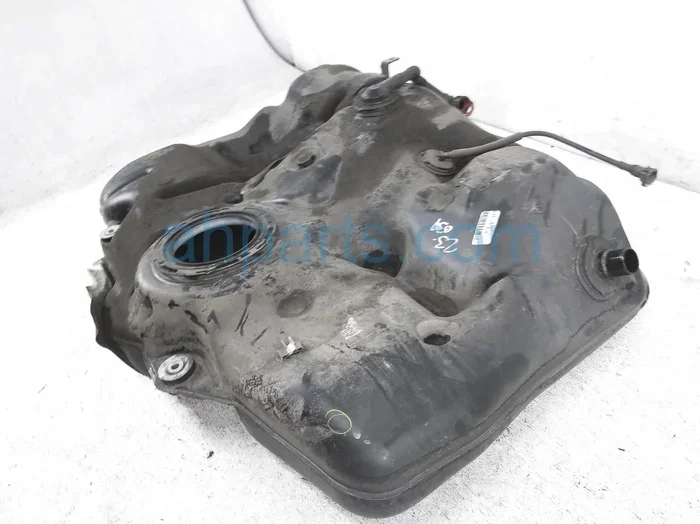
Visual guide about Toyota Camry gas tank
Image source: ahparts.com
Toyota has refined the Camry over many generations. Each update brought changes to the engine, suspension, interior, and sometimes the fuel system. While the Toyota Camry gas tank size has stayed fairly consistent, there are small differences worth noting.
Here is a general breakdown of how the tank capacity has looked across recent generations:
- 1997 to 2001 Camry: Most models from this era hold about 15.0 to 15.5 gallons. These were solid, reliable sedans with straightforward fuel systems.
- 2002 to 2006 Camry: This generation typically carries around 15.5 to 15.8 gallons. The tank design remained practical and easy to fill.
- 2007 to 2011 Camry: You will usually see 15.8 gallons in this range. Toyota kept the capacity steady while improving engine efficiency.
- 2012 to 2017 Camry: Many trims in this period also feature a 15.8-gallon tank. The focus shifted toward better aerodynamics and lighter components.
- 2018 to 2024 Camry: Current-generation models generally hold 15.8 gallons. Hybrid versions often share the same tank size but deliver more miles per gallon.
Keep in mind that trim level and market can cause small variations. Always check your owner’s manual or the fuel door sticker for the most accurate number. If you are curious about other Toyota maintenance topics, you might also want to explore how to turn off the maintenance required light on a Toyota Camry so your dashboard stays clean and accurate.
Why the Tank Size Stays Consistent
You might wonder why Toyota does not just keep increasing the tank size. The answer comes down to balance. A larger tank adds weight. Extra weight can reduce fuel efficiency and affect handling. Toyota designed the Camry to be a comfortable daily driver, not a long-haul truck. So the company focused on a tank size that supports a strong driving range without sacrificing performance.
This approach also helps keep the car’s center of gravity stable. Fuel is stored low in the chassis. That design choice improves ride quality and safety. When you combine a reasonable tank size with efficient engines, you get a sedan that can handle daily errands and weekend trips without constant stops.
Real-World Fuel Range and What Affects It
Knowing how many gallons of gas does a Toyota Camry hold is only the first step. The next question is how far that fuel will actually take you. Your fuel range depends on more than tank size. It also depends on your engine, your driving style, and the conditions you drive in.
A Camry with a 15.8-gallon tank and an average of 30 miles per gallon can theoretically travel about 474 miles on a full tank. In real life, you will usually see a slightly lower number. Most drivers can expect between 350 and 450 miles per tank. That range covers mixed city and highway driving.
Several factors can push your range up or down:
- Driving Speed: Steady highway cruising often improves mileage. Frequent hard braking and rapid acceleration burn more fuel.
- Traffic Conditions: Stop-and-go city driving usually lowers your average miles per gallon.
- Cargo and Passengers: Extra weight forces the engine to work harder. A full car with luggage will use more fuel than a light one.
- Weather: Cold temperatures can reduce battery performance in hybrids and increase engine warm-up time. Hot weather may increase air conditioning use.
- Tire Pressure: Underinflated tires create more rolling resistance. That extra drag reduces efficiency.
If you want to keep your Camry running efficiently, simple habits matter. Smooth acceleration, moderate speeds, and regular maintenance all help. You can also learn more about keeping your dashboard alerts in check by reading how to reset the maintenance light on a 2026 Toyota Camry after routine service.
City Versus Highway Range
City driving and highway driving affect your Camry fuel economy in different ways. In the city, you face more idling, more braking, and more acceleration. Those factors lower your average miles per gallon. On the highway, the engine can settle into a steady rhythm. That usually improves efficiency.
For example, a Camry that averages 28 miles per gallon in the city might reach 35 miles per gallon on open roads. Multiply those numbers by a 15.8-gallon tank, and you can see why your range changes. City driving might give you around 440 miles. Highway driving could push that closer to 550 miles under ideal conditions. Real-world results will vary, but the pattern is clear.
Camry Hybrid Fuel Tank and Efficiency Differences
The Camry Hybrid has become a popular choice for drivers who want strong fuel efficiency without switching to a fully electric vehicle. Many people assume hybrids have smaller tanks, but that is not always true. Most Camry Hybrid models use a tank size very similar to the gasoline versions.
The real difference comes from how the car uses fuel. A hybrid system combines a gasoline engine with an electric motor. The electric motor helps during low-speed driving and stop-and-go traffic. That means the engine runs less often. As a result, the Camry Hybrid often achieves better miles per gallon than a standard gas-only Camry.
Here is how the hybrid advantage usually shows up:
- Lower City Fuel Use: Electric assist reduces engine load in traffic.
- Regenerative Braking: The car captures energy during braking and stores it for later use.
- Smoother Power Delivery: The system shifts between gas and electric power to optimize efficiency.
- Strong Combined Mileage: Many hybrid models deliver higher combined mpg than their gas-only counterparts.
If you drive a hybrid, you may notice that your fuel gauge drops more slowly during light driving. That is normal. The electric system is doing some of the work. Just keep in mind that highway speeds can reduce the electric assist benefits, so your mileage may look more like a standard Camry at higher speeds.
For hybrid owners who also want to manage small convenience features, it can help to know how to change the battery in a Toyota key fob so your remote functions stay reliable.
Hybrid Range Expectations
Because hybrids use fuel more efficiently, their total driving range can sometimes exceed that of a gas-only Camry with the same tank size. A hybrid with 15.8 gallons and an average of 40 miles per gallon could theoretically travel around 632 miles. Again, real-world results will be lower, but the potential is impressive.
That extended range is one reason many drivers choose the hybrid trim. It reduces the number of fill-ups on long trips. It also lowers overall fuel costs over time. If you are comparing trims, think about how often you drive in traffic and how much you value fuel savings.
How to Plan Fuel Stops and Budget for Gas
Once you know how many gallons of gas does a Toyota Camry hold, you can use that number to plan smarter. Fuel planning is especially useful for road trips, commuting, and monthly budgeting. A few simple calculations can save you time and stress.
Start by checking your tank capacity and your average miles per gallon. Multiply those numbers to estimate your maximum range. Then subtract a safety buffer. It is wise to refuel before the tank gets too low. Running on empty can expose your fuel pump to heat and debris, and it leaves no room for traffic delays or detours.
Here is a simple planning approach:
- Step 1: Confirm your tank size from the owner’s manual or fuel door label.
- Step 2: Track your average miles per gallon over a few fill-ups.
- Step 3: Multiply tank size by average mpg to estimate range.
- Step 4: Subtract 15 to 20 percent for a safety buffer.
- Step 5: Plan fuel stops before you reach the buffer limit.
This method works well for both daily driving and longer journeys. If you commute regularly, you can also estimate weekly fuel costs by dividing your weekly miles by your mpg, then multiplying by the local gas price. That gives you a realistic picture of what it costs to keep your Camry on the road.
Quick Tips for Better Fuel Planning
- Keep a small notebook or use a phone app to track fill-ups and mileage.
- Note how weather, traffic, and cargo affect your mpg.
- Refuel during low-traffic hours when possible to save time.
- Use price-comparison tools if you travel through areas with different gas prices.
- Check your route for convenient fuel stops before long highway stretches.
Good planning reduces range anxiety and helps you avoid expensive last-minute fill-ups. It also makes your Camry feel more predictable and easier to live with every day.
Common Mistakes That Reduce Fuel Efficiency
Even a reliable car like the Camry can lose efficiency if small issues pile up. Some mistakes are easy to spot. Others hide in plain sight. Knowing what to avoid can help you get the most out of every tank.
One common mistake is ignoring tire pressure. Underinflated tires increase rolling resistance and make the engine work harder. Another mistake is carrying unnecessary weight. Extra bags, sports gear, or tools in the trunk add up over time. A third mistake is aggressive driving. Fast starts, hard braking, and speeding all raise fuel use.
You should also pay attention to routine maintenance. A clogged air filter, old spark plugs, or dirty engine oil can all affect performance. If your dashboard lights come on, address them promptly. For example, if you see a maintenance reminder, you can often clear it after service by following how to reset maint reqd on a Toyota Camry so your instrument cluster stays accurate.
Common Mistakes to Avoid
- Skipping tire pressure checks: Even a small drop in pressure can reduce mpg.
- Ignoring warning lights: Small issues can become bigger problems if left unchecked.
- Carrying heavy items daily: Remove what you do not need from the trunk.
- Driving aggressively: Smooth inputs save fuel and reduce wear.
- Delaying routine service: Clean filters and fresh fluids support better efficiency.
Avoiding these mistakes is simple, but the benefits add up. You will likely see better mileage, smoother driving, and fewer unexpected repair costs.
Expert Insights on Maximizing Every Gallon
Experienced drivers and service technicians often say the same thing: small habits create big results. If you want to stretch your fuel budget, focus on consistency. A steady driving style, proper maintenance, and smart route planning usually outperform any single trick.
One useful insight is to think about your daily routine. If you spend most of your time in traffic, a hybrid may make more sense. If you drive mostly on open roads, a gas-only Camry can still deliver excellent range. The best choice depends on how you actually drive, not just on paper numbers.
Another insight is to treat fuel economy as a long-term habit. Track your mileage for a few weeks. You will start to notice patterns. Maybe your mpg drops in winter. Maybe it improves when you remove extra cargo. Those observations help you make better decisions.
Expert Tips for Everyday Drivers
- Drive at moderate speeds when possible.
- Use cruise control on steady highways to reduce speed fluctuations.
- Plan errands in one loop instead of multiple trips.
- Keep your car light and your tires properly inflated.
- Schedule regular service so small issues do not grow.
These habits are easy to adopt. They do not require special tools or expensive upgrades. They simply help your Camry work the way it was designed to work.
Key Takeaways for Camry Fuel Planning
Before you hit the road, remember the basics. Your Camry’s tank size gives you a solid starting point for range estimates. Your real-world mileage depends on how you drive and how well you maintain the car. A little planning goes a long way.
- Know your tank size: Most Camry models hold around 14.8 to 15.8 gallons.
- Estimate your range: Multiply tank size by your average mpg, then add a safety buffer.
- Adjust for conditions: Traffic, weather, cargo, and speed all affect fuel use.
- Consider hybrid benefits: Hybrid models often deliver stronger efficiency and longer range.
- Maintain regularly: Tires, filters, fluids, and warning lights all matter.
- Plan fuel stops early: Refuel before the tank gets too low.
- Track your results: Small observations lead to better fuel habits over time.
When you understand how many gallons of gas does a Toyota Camry hold and how that fuel translates into real miles, you gain confidence behind the wheel. You can budget better, travel smarter, and enjoy your Camry without worrying about the next gas station.
Frequently Asked Questions
How many gallons of gas does a Toyota Camry hold?
Most Toyota Camry models hold between 14.8 and 15.8 gallons of fuel, depending on the model year and trim. The exact capacity is usually listed on the fuel door label or in the owner’s manual.
What is the fuel range of a Toyota Camry on a full tank?
A full tank typically provides about 350 to 450 miles of driving in real-world conditions. Your exact range depends on your engine, driving style, traffic, and fuel efficiency.
Do Camry Hybrid models have a smaller gas tank?
Most Camry Hybrid models use a tank size similar to the gasoline versions. The main difference is that hybrids often achieve better fuel economy because the electric motor reduces engine load.
How can I improve my Camry’s gas mileage?
You can improve mileage by keeping tires properly inflated, driving smoothly, reducing extra cargo, and staying current on routine maintenance. Moderate highway speeds also help.
When should I refuel my Toyota Camry?
It is best to refuel before the tank gets too low, ideally when you still have a comfortable safety buffer. Waiting too long can leave you vulnerable to traffic delays and may stress the fuel system.
Where can I find my Camry’s exact fuel tank capacity?
You can find the exact capacity in your owner’s manual, on the fuel door sticker, or through Toyota’s official specifications for your model year. If you are unsure, check the documentation for your specific trim.
=== CONCLUSION ===
Understanding how many gallons of gas does a Toyota Camry hold gives you a practical advantage every time you drive. With a tank size that usually sits near 14.8 to 15.8 gallons, the Camry offers a dependable balance of range, efficiency, and everyday convenience. When you combine that tank capacity with smart driving habits and regular maintenance, you can stretch each tank further and reduce fuel stress.
Use your tank size as a starting point, then adjust for your real-world mileage. Track your fuel use, plan stops ahead of time, and keep your car in good shape. Those simple steps turn basic fuel numbers into better trips, lower costs, and a more confident driving experience.