

If you are asking how many km does the Toyota hybrid 1.8 engine last, you are not alone. Many drivers want to know the real lifespan before buying. This guide breaks down the facts, expert tips, and common myths in simple terms. You will learn what to expect, how to protect your investment, and when to plan for maintenance.
People ask how many km does the Toyota hybrid 1.8 engine last because they want a clear answer before they spend their money. The short version is simple. With normal use and basic care, this powertrain often reaches 200,000 km and sometimes much more. The engine itself is small, light, and built for steady duty. The hybrid system shares the work, so the petrol engine does not carry the full load all the time. That balance helps reduce wear.
The real story is a bit more nuanced. A car is not just one part. It is a team of parts working together. The 1.8 litre engine, the electric motor, the battery, the inverter, and the cooling system all play a role. If one part struggles, the others feel it. That is why mileage alone does not tell the whole tale. Care, driving style, climate, and service history matter just as much. In this guide, we will walk through what to expect, what helps, and what to watch.
Key Takeaways
- Realistic lifespan: Most Toyota hybrid 1.8 engines run well past 200,000 km with normal care.
- Hybrid battery matters: The battery often needs attention before the engine itself fails.
- Driving habits count: Smooth acceleration and steady speeds help the system last longer.
- Regular service is key: Oil changes, filter swaps, and cooling system checks keep the engine healthy.
- Climate plays a role: Extreme heat or cold can stress parts, so extra care helps in harsh regions.
- Watch for warning signs: Unusual noises, drop in fuel economy, or battery warnings deserve quick checks.
- Plan ahead: Save for battery replacement and follow the service schedule to avoid big repairs.
📑 Table of Contents
Understanding the Toyota Hybrid 1.8 Engine
The Toyota hybrid 1.8 engine is a compact petrol unit that works alongside an electric motor. It is not a big, loud powerhouse. It is a calm, efficient worker. The engine often turns on to move the car at higher speeds, to charge the battery, or to help on hills. At lower speeds, the electric motor often does the heavy lifting. This teamwork reduces strain on the petrol engine. Less strain usually means less wear over time.
This setup is known for being smooth and quiet. The engine does not need to rev high to do its job. It often runs at lower speeds and lower loads. That is a good thing for longevity. Parts last longer when they are not pushed hard every day. Of course, no machine is magic. Seals dry out. Hoses age. Oil breaks down. Belts and sensors wear. But the basic design is friendly to long-term use.
How the hybrid system shares the work
The hybrid system is clever about load sharing. When you start off, the electric motor often moves the car. When you cruise, the petrol engine may join in or take the lead. When you brake, the system captures energy and sends it back to the battery. This means the engine is not always on, and it is not always working hard. Less run time and lower stress can help the engine last longer.
There is a trade-off, though. The battery and power control parts add complexity. They are reliable, but they do need attention. A healthy battery helps the engine run in its comfort zone. A weak battery can force the engine to run more often or harder. So, battery health is part of engine health. They are linked.
What makes this engine different from a regular petrol engine
A regular petrol engine often works alone. It must handle start, stop, climb, and cruise by itself. The hybrid 1.8 engine often gets help. It also tends to run in a narrower band of speed and load. That can reduce fatigue on pistons, valves, and bearings. The engine is also tuned for efficiency, not peak power. That focus helps it stay calm during daily driving.
Another difference is the start-stop behavior. The engine may shut off at lights and in traffic. Frequent stopping and starting can feel rough in some cars, but Toyota’s system is built for it. Still, the starter motor and related parts see more cycles. They are designed for that life. Routine checks help keep everything in shape.
Real-World Lifespan: How Many Km Does the Toyota Hybrid 1.8 Engine Last
So, how many km does the Toyota hybrid 1.8 engine last in the real world? Many owners report smooth operation well past 200,000 km. Some push past 250,000 km with no major engine work. The exact number depends on care, parts quality, and driving conditions. The engine itself is often the last major piece to fail. More often, the battery, sensors, or small auxiliaries need attention first.
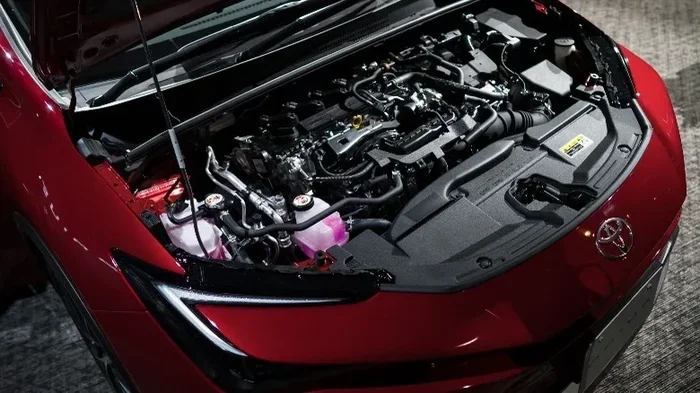
Visual guide about Toyota Prius hybrid engine
Image source: slashgear.com
Think of it like a good pair of shoes. If you clean them, store them well, and walk on decent roads, they last. If you drag them through mud and ignore repairs, they wear fast. Cars are similar. A well-serviced hybrid can cover a lot of distance. A neglected one can develop problems much sooner. Mileage is a useful guide, but it is not the whole story.
Typical mileage ranges owners report
Here is a simple look at what many owners see over time:
- 0 to 100,000 km: Usually smooth and reliable. Minor service items only.
- 100,000 to 200,000 km: Still strong for most cars. Battery health becomes more important.
- 200,000 to 300,000 km: Very possible with good care. Some need battery service or small repairs.
- Beyond 300,000 km: Less common, but real. Often depends on history and parts replacement.
These are broad ranges, not promises. Some cars hit issues early. Others run for years with only routine care. The key is to watch the car’s behavior, not just the odometer. Fuel economy, startup behavior, and cabin comfort can hint at what is changing.
Factors that affect longevity
Several things change how long the system lasts. The list is simple, but each item matters:
- Service history: On-time oil changes and inspections help a lot.
- Battery care: A healthy battery reduces extra strain on the engine.
- Driving style: Gentle inputs are easier on all parts.
- Climate: Heat, cold, and salt can age parts faster.
- Fuel quality: Clean fuel supports clean combustion.
- Storage: Long sits can dry out seals and reduce battery charge.
You cannot control everything. You can control how you drive and how you service the car. That is where the big gains come from. Small habits add up over tens of thousands of kilometers.
Hybrid Battery vs Engine: What Usually Fails First
A common question is whether the engine or the battery gives up first. In many hybrids, the battery needs attention before the engine does. The battery is a working part. It charges and discharges every day. Over time, its capacity can drop. That does not mean the car is dead. It means the system may need a battery service or replacement.
When the battery weakens, the engine may run more often. It may also run for longer stretches. That extra work is not ideal, but it is usually manageable. The engine is still robust. It is built to handle these duties. Still, it is better to keep the battery healthy so the engine can stay relaxed.
Signs the battery may be tiring
Watch for these clues. They do not always mean the battery is failing, but they are worth checking:
- Shorter electric-only runs: The car uses the engine sooner than it used to.
- Lower fuel economy: You visit the pump more often without a change in driving.
- More engine noise at low speeds: The petrol engine starts up more frequently.
- Battery warning messages: The dashboard hints at a charging or hybrid system issue.
- Warmth or cooling fan noise: The battery cooling system works harder than usual.
If you notice these signs, book a check. Early care is cheaper than late fixes. A small drop in performance is easier to manage than a sudden breakdown.
When the engine itself needs attention
The engine usually shows its age in smaller ways first. You might hear a new tick, feel a rough idle, or see a drop in power. Oil leaks can appear as seals age. Hoses and gaskets can weep. Sensors can drift. These are normal signs of a used car. They are not disasters. They are reminders to stay on top of service.
Major engine failure is less common when the car is cared for. The hybrid system protects the engine from some stress. That is a real plus. Even so, do not ignore warning lights or strange sounds. Quick checks save money and keep the car on the road.
Maintenance Tips to Maximize Engine Life
Good care is the best way to answer how many km does the Toyota hybrid 1.8 engine last with confidence. You do not need fancy tricks. You need steady habits. Keep the oil fresh. Keep the cooling system clean. Keep the battery cool and charged. Drive in a smooth, steady way. These simple steps protect the whole system.
Also, use parts that match the car. Cheap parts can cause expensive problems. A good filter or a proper coolant mix costs a little more, but it protects the system. The same goes for oil. Follow the grade and change interval in the owner’s guide. If you drive in dust, heat, or stop-and-go traffic, you may need more frequent checks.
Simple service checklist
Use this quick list to stay on track:
- Oil changes: Keep to the schedule. Fresh oil reduces internal wear.
- Air filter: Swap it when dirty. Clean air helps combustion.
- Coolant: Use the right mix. The hybrid system relies on good cooling.
- Battery cooling vents: Keep them clear. Heat is the enemy of battery life.
- Tires and brakes: Healthy rolling and stopping reduce strain on the drivetrain.
- Software updates: Ask about recalls and updates at service visits.
- Inspections: Look for leaks, worn hoses, and odd noises during routine checks.
This list is not heavy. It is basic care. The payoff is big. A car that is checked often tends to surprise you with fewer problems.
Driving habits that help
How you drive matters. Smooth inputs are kind to the engine and the battery. Try these easy habits:
- Accelerate gently: Let the hybrid system find the right balance.
- Brake early and softly: Regenerative braking captures energy and saves pads.
- Avoid hard launches: Fast starts ask the engine and battery to work harder.
- Keep speeds steady: Cruising is easier than constant speeding up and slowing down.
- Plan cool parking: Shade or a garage helps reduce heat stress.
These habits feel small. Over time, they protect the system. They also make the car more pleasant to drive. Smooth is fast, and smooth is kind.
Common Myths About Hybrid Longevity
There is a lot of noise around hybrid cars. Some of it is fear, and some of it is old news. Let us clear a few points. First, hybrids are not fragile. They are used as taxis, shuttles, and family cars all over the world. They handle daily duty well. Second, the battery is not a ticking bomb. It ages, like any rechargeable part, but it usually gives warning before it fails.
Third, the engine is not overworked. In many cases, it works less than a plain petrol engine because the motor helps. Fourth, you do not need to baby the car all the time. You just need sensible care. Drive it, service it, and watch for changes. That is enough for most owners.
Quick tips to avoid common mistakes
Here are a few traps to skip:
- Ignoring warning lights: A small light today can be a big bill later.
- Skipping coolant care: Hybrid systems need stable temperatures.
- Blocking battery vents: Heat shortens battery life. Keep airflow clear.
- Using the wrong oil or coolant: Match the spec in the manual.
- Letting the car sit too long: Start and drive it now and then to keep things fresh.
Avoid these, and you remove a lot of risk. Simple choices protect the engine and the battery. You do not need perfect care. You need steady care.
Expert Insights and Real Owner Experiences
Mechanics and long-term owners often say the same thing. The hybrid 1.8 system is steady when it is looked after. The engine is not the weak link in most cases. The battery, cooling, and small sensors get more attention over time. That is useful to know. It helps you plan. If you save a little for future battery service, you are ahead of the game.
Owners also note that fuel economy can drift down as the battery ages. That is normal. It is a sign to check the system, not panic. Many cars keep going strong after a battery service. The engine then returns to its comfortable rhythm. This is one reason the hybrid 1.8 remains a popular choice for people who want calm, efficient transport.
Key Takeaways
Let us tie this together. The Toyota hybrid 1.8 engine is built for steady, efficient work. It often lasts well past 200,000 km when it is serviced and driven sensibly. The battery usually needs attention before the engine does. Good cooling, clean oil, and smooth driving help a lot. Watch for small changes, and act early. That is the simple path to a long-lived hybrid.
If you are weighing a purchase, look at service records, battery health, and overall care. If you already own one, keep up with the basics and enjoy the smooth ride. The Toyota hybrid 1.8 engine rewards steady care with long, reliable service. That is the real answer to how many km does the Toyota hybrid 1.8 engine last. With good habits, the number can be very high.
Frequently Asked Questions
How many km does the Toyota hybrid 1.8 engine last on average?
Most well-cared-for examples run smoothly past 200,000 km, and many reach 250,000 km or more. The exact number depends on service history, driving style, and battery health. The engine itself is often reliable for a long time.
Does the hybrid battery fail before the engine?
Often, yes. The battery is a working part that ages with use, so it may need service or replacement first. The engine usually keeps going, especially if the car is serviced on time. A healthy battery also helps the engine run with less strain.
What is the best way to make the engine last longer?
Keep up with oil changes, use the right coolant, and keep the battery cooling vents clear. Drive smoothly, avoid hard launches, and fix small issues early. These simple habits reduce wear on the whole hybrid system.
Can a Toyota hybrid 1.8 engine reach 300,000 km?
It is less common, but it can happen with excellent care and timely part replacement. Some owners reach that range, especially when the battery and cooling system are maintained well. Mileage alone is not the only factor.
What are the early signs that something is wearing out?
Look for a drop in fuel economy, more frequent engine use at low speeds, new noises, or warning lights. You might also notice warmer battery cooling fans or small leaks. These signs are worth a check before they grow into bigger problems.
Is the Toyota hybrid 1.8 engine good for long commutes?
Yes, it is a strong fit for long, steady commutes. The system likes calm driving and consistent speeds, which helps both the engine and the battery. Smooth highway miles are generally easier on the car than constant hard driving.