

Many drivers ask how many miles will a Toyota Rav4 last, and the answer is often surprisingly high. With proper care, a Toyota Rav4 typically reaches 200,000 to 300,000 miles before major issues appear. Regular maintenance, gentle driving, and quality parts play a huge role in extending its life. This guide breaks down real-world mileage, common failure points, and simple habits that help your SUV stay reliable for years.
If you are shopping for a reliable SUV, you have probably wondered how many miles will a Toyota Rav4 last. This question matters because a vehicle that stays strong for years saves you money, reduces stress, and gives you more freedom on the road. The Toyota Rav4 has built a solid reputation for toughness, practicality, and everyday usability. Many owners keep their SUVs for a decade or more, and that kind of longevity does not happen by accident.
In this guide, we will look at real-world mileage expectations, the factors that stretch a Rav4 lifespan, and the small habits that protect your investment. You will also learn which components usually need attention first, how hybrid models compare, and what to check before buying a used example. By the end, you will know exactly what to expect and how to keep your SUV running smoothly for the long haul.
Key Takeaways
- Realistic lifespan: Most Toyota Rav4 models comfortably reach 200,000 to 300,000 miles with routine care.
- Maintenance matters most: Oil changes, fluid swaps, and timely part replacements directly impact long-term reliability.
- Hybrid models last longer: Toyota Rav4 hybrid longevity often exceeds gas versions because the hybrid system reduces engine strain.
- Watch common weak spots: Suspension components, brakes, and infotainment electronics usually need attention before the engine fails.
- Driving habits count: Smooth acceleration, proper warm-ups, and avoiding hard towing protect the drivetrain.
- Parts quality matters: Using genuine or high-quality aftermarket parts helps maintain Toyota vehicle durability over time.
- Pre-purchase checks save money: Review service records, scan for codes, and inspect suspension before buying a high-mileage SUV.
📑 Table of Contents
- How Many Miles Will A Toyota Rav4 Last In Real Life
- Toyota Rav4 Longevity And What Drives It
- Toyota Rav4 Mileage Expectations By Model Year And Powertrain
- Common Problems That Affect Toyota Rav4 Lifespan
- How To Make Your Toyota Rav4 Last Longer
- Buying A High-Mileage Toyota Rav4: What To Check
- Final Thoughts On Toyota Rav4 Mileage And Reliability
How Many Miles Will A Toyota Rav4 Last In Real Life
The short answer is that a well-maintained Toyota Rav4 often reaches 200,000 to 300,000 miles before major repairs become frequent. Some examples go even further, especially when owners stay consistent with service and avoid abuse. This range is not a guarantee, but it reflects what many drivers see when they treat the vehicle properly.
Several things shape this number. The engine type matters, since the hybrid powertrain usually puts less stress on the internal combustion side. Driving conditions also matter, because constant stop-and-go traffic, extreme heat, and rough roads can wear parts faster. Maintenance history is the biggest predictor, though. A Rav4 with complete service records usually outperforms a neglected one, even if the neglected one has fewer miles.
What Owners Commonly Report
Owners often share stories of Rav4s that keep going strong well past 200,000 miles. Many of these vehicles still handle daily commuting, school runs, and weekend trips without major drama. The most common story is simple: regular oil changes, timely brake service, and attention to small warnings keep the SUV alive.
That said, no vehicle is immune to age. Seals dry out. Bushings crack. Electronics can act up. The good news is that these issues usually show up gradually, which gives you time to plan repairs instead of facing a sudden breakdown.
Quick Tip
Keep a simple maintenance log, even if you do not own the car for its full life. Future buyers value clear records, and you will spot patterns before small problems grow.
Toyota Rav4 Longevity And What Drives It
Toyota vehicle durability comes from a mix of engineering choices, conservative tuning, and a culture of reliability. The Rav4 benefits from this approach. Its powertrains are generally tuned for smooth, everyday use rather than extreme performance. That means less strain on internal parts and a lower chance of premature wear.
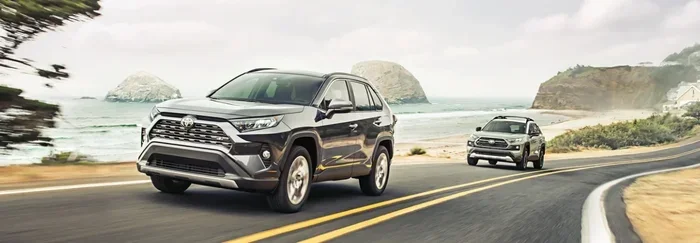
Visual guide about Toyota RAV4 driving highway
Image source: ardmoretoyota.com
The platform also supports practical longevity. The suspension is designed for comfort and durability, the interior materials are built for daily use, and the mechanical layout is straightforward enough for most shops to service. When a vehicle is easy to maintain, owners are more likely to keep up with service, and that alone extends the life of the car.
Key Factors That Extend Life
- Consistent oil changes: Clean oil protects the engine and reduces internal wear.
- Fluid maintenance: Transmission, brake, coolant, and differential fluids all matter.
- Timely part replacement: Belts, hoses, brakes, and suspension parts should be replaced before they fail.
- Gentle driving habits: Smooth starts, moderate braking, and reasonable speeds reduce stress.
- Quality parts: Good filters, brakes, and batteries support long-term reliability.
- Seasonal care: Winter salt, heat, and moisture can accelerate wear if you ignore cleaning and inspections.
Toyota Rav4 Mileage Expectations By Model Year And Powertrain
Not every Rav4 is identical. Different model years brought updates, and the hybrid option changed the ownership experience for many buyers. If you want a clearer picture of Toyota Rav4 mileage expectations, it helps to compare the main powertrain choices and understand what each one tends to need over time.
Gas Versus Hybrid
The gas version is straightforward and familiar. It uses a conventional engine and transmission, which means the usual maintenance schedule applies. The hybrid version adds an electric drive system that can reduce wear on the gasoline engine because the motor shares the workload. Many owners find that hybrids feel smoother in city traffic, and that gentler operating pattern can support longer engine life.
Hybrid systems do add complexity, though. You still need to think about the high-voltage battery, cooling, and related components. In practice, most hybrid batteries last a long time, but they can eventually lose capacity. When that happens, the vehicle usually still drives, but fuel economy and assist performance may drop.
Comparison Table: General Expectations
| Aspect | Gas Rav4 | Hybrid Rav4 |
|---|---|---|
| Typical high-mileage range | 200,000 to 300,000 miles | 200,000 to 300,000+ miles |
| Main wear areas | Engine, transmission, suspension, brakes | Engine, hybrid system, battery, suspension, brakes |
| Fuel economy advantage | Good, especially on highways | Stronger in city driving |
| Common long-term concern | Routine engine and drivetrain wear | Battery health and hybrid component service |
| Maintenance style | Conventional schedule | Conventional plus hybrid system checks |
This table is a general guide, not a promise. Your results depend on how the vehicle was driven, how it was serviced, and whether any accidents or modifications affected it.
Model Year Notes
Newer model years usually bring refinements, better materials, and updated safety or convenience features. That can improve the ownership experience, but age still matters. A newer car with poor maintenance may age worse than an older car with excellent care. When evaluating a used Rav4, focus on the service history first and the model year second.
Common Problems That Affect Toyota Rav4 Lifespan
Even a dependable SUV has weak spots. Knowing them helps you stay ahead of trouble. Most long-term issues on a Rav4 are not sudden engine failures. They are gradual wear items or electronic quirks that become annoying if ignored.
Suspension And Steering Wear
The suspension takes a lot of punishment from roads, potholes, and cargo. Bushings, struts, and steering components can wear out over time. You may notice clunks, loose feelings over bumps, or uneven tire wear. Addressing these items early protects other parts and keeps the ride comfortable.
Brakes And Tires
Brakes are obvious, but people sometimes wait too long. Worn pads can damage rotors, and old brake fluid can affect performance. Tires also matter more than many buyers realize. Uneven wear can signal alignment problems, and old tires reduce safety even if the tread still looks acceptable.
Electronics And Infotainment
Modern vehicles rely heavily on electronics. Screen freezes, sensor warnings, and battery drain issues can happen. Most of these are inconvenient rather than catastrophic. Still, they can distract you from real mechanical problems if you get used to ignoring warning lights.
Engine And Transmission Care
Major engine or transmission failures are less common when the vehicle is maintained, but they can happen if oil changes are skipped or if the car has been driven hard for years. Unusual noises, slipping, rough shifts, or loss of power should never be ignored. A quick inspection can prevent a small issue from becoming a big bill.
Common Mistakes
- Waiting for a warning light to become constant before seeking service
- Using cheap parts that wear out faster or fit poorly
- Skipping fluid changes because the car seems to run fine
- Ignoring small noises, vibrations, or leaks
- Assuming high mileage alone means the vehicle is done
How To Make Your Toyota Rav4 Last Longer
If you want to push your SUV toward the higher end of the mileage range, the formula is simple: stay consistent, fix small things early, and drive in a way that respects the vehicle. Longevity is rarely about one miracle upgrade. It is about many small decisions added together.
Build A Smart Maintenance Routine
Start with the basics. Change the oil on schedule, use the correct specification, and replace filters when they are due. Check coolant condition, brake fluid, and transmission fluid at the intervals recommended for your model. If you are unsure about timing, a trusted mechanic can help you build a plan that matches your driving habits.
It also helps to inspect the vehicle regularly. Look for leaks under the car, check tire pressure, and listen for changes in noise or handling. These quick habits catch problems early, and early repairs are usually cheaper.
Drive In A Way That Reduces Wear
Smooth driving protects more than just fuel economy. Gentle acceleration reduces stress on the drivetrain. Easy braking saves pads and rotors. Allowing the engine to warm up properly in cold weather helps oil reach all the parts that need it. None of this requires extreme caution; it just means avoiding constant hard use when you can.
If you tow, carry heavy loads, or drive in steep terrain, be extra mindful. Those activities increase heat and strain. Following the vehicle’s guidance for load use and cooling is a smart move. If you want to understand towing limits better, you may also find it useful to review how much weight will a Toyota Tacoma pull, since towing habits affect durability across many Toyota models.
Keep Records And Use Quality Support
Good records make life easier. They help you remember what was done, and they help a mechanic understand the vehicle’s history. Keep receipts, note mileage at each service, and save information about replaced parts. When you buy parts, choose reputable options. Filters, brakes, batteries, and fluids all do their job better when they meet the right standards.
Expert Insight
The longest-lasting vehicles are usually the ones that are serviced before they feel broken. Preventive care is less exciting than a major repair, but it is the real secret behind high-mileage reliability.
Buying A High-Mileage Toyota Rav4: What To Check
A high-mileage Rav4 can be a smart purchase if it has been cared for well. Mileage alone does not tell the full story. A well-documented 220,000-mile SUV may be a better choice than a neglected 120,000-mile one. The trick is knowing what to inspect before you commit.
Service History And Patterns
Ask for records and look for consistency. Oil changes should appear regularly. Major items like brakes, tires, batteries, and suspension work should make sense for the mileage. Gaps in service are not automatically disqualifying, but they do mean you should inspect the vehicle more carefully.
Inspection Focus Points
- Engine bay: Look for leaks, cracked hoses, and corroded connections.
- Fluids: Check color, level, and smell. Dirty or burnt-smelling fluids are a warning sign.
- Tires and alignment: Check tread wear patterns and sidewall condition.
- Brakes: Listen for grinding, feel for pulsation, and inspect pad thickness.
- Suspension: Watch for excessive bounce, noise over bumps, or uneven ride height.
- Electronics: Test the screen, gauges, lights, and warning indicators.
- Exhaust and undercarriage: Look for rust, damage, and loose components.
If you are considering a hybrid, ask about battery health and any hybrid-related service. A hybrid SUV can be an excellent value, but it is worth understanding the battery status before buying. You can also compare reliability expectations with other popular Toyota models, such as whether the Toyota Rav4 is a reliable car, to put your purchase in a broader context.
When A High-Mileage Rav4 Makes Sense
A high-mileage Rav4 makes sense when the price reflects the remaining work, the service history is solid, and the vehicle has been inspected thoroughly. It can also make sense if you plan to keep it for a long time and are willing to stay ahead of maintenance. The goal is not to find a perfect car. The goal is to find a car that still has life left and a clear path to keep it running well.
Final Thoughts On Toyota Rav4 Mileage And Reliability
So, how many miles will a Toyota Rav4 last? In real-world use, many examples reach 200,000 to 300,000 miles, and some go beyond that when they are cared for properly. The exact number depends on maintenance, driving habits, model year, and whether you chose the gas or hybrid version. What matters most is not chasing a magic number. It is building a routine that keeps the SUV healthy year after year.
If you stay on top of oil changes, fluids, brakes, tires, and small repairs, your Rav4 has a strong chance of serving you for a very long time. If you are buying used, focus on records, inspect the vehicle carefully, and do not let mileage alone scare you away. A well-maintained Rav4 can be a dependable partner for daily life, long commutes, and family trips alike.
Key Takeaways
- Expect a long life: Many Rav4s reach 200,000 to 300,000 miles with good care.
- Maintenance is the real predictor: Consistent service matters more than the odometer.
- Hybrids can be strong contenders: They often reduce engine strain, though battery health still matters.
- Watch wear items first: Suspension, brakes, tires, and electronics usually need attention before catastrophic failure.
- Drive gently and inspect often: Small habits protect the drivetrain and help you catch issues early.
- Buy history, not just mileage: Service records and a thorough inspection matter most on used examples.
Frequently Asked Questions
How many miles will a Toyota Rav4 last on average?
Most well-maintained Toyota Rav4 models reach 200,000 to 300,000 miles, and some go further with consistent care. The exact lifespan depends on maintenance, driving habits, and model year.
Does the Toyota Rav4 hybrid last longer than the gas version?
A Toyota Rav4 hybrid can last just as long, and sometimes longer, because the electric motor reduces strain on the gasoline engine. The tradeoff is that hybrid components add complexity, so battery health and hybrid system service still matter.
What is the biggest factor in Toyota Rav4 longevity?
Regular maintenance is the biggest factor. Oil changes, fluid service, timely brake work, and fixing small issues early all help the vehicle stay reliable for high mileage.
What problems should I watch for on a high-mileage Rav4?
Suspension wear, brake wear, tire aging, minor electronics issues, and fluid leaks are the most common concerns. Major engine or transmission failures are less common when the vehicle has been serviced properly.
Can a Toyota Rav4 reach 300,000 miles?
Yes, some Toyota Rav4s can reach 300,000 miles, especially if they have been maintained consistently and not driven hard. Reaching that point usually requires attention to wear items and timely repairs.
What should I check before buying a used Toyota Rav4?
Check service records, inspect for leaks, test the brakes and suspension, look at tire wear, and verify that electronics and warning lights work correctly. If it is a hybrid, ask about battery condition and any hybrid-related service.