
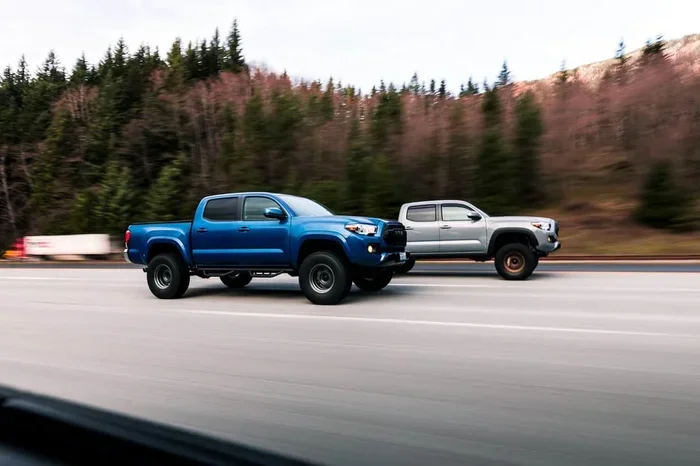
How many miles will a Toyota Tacoma last is a question every truck buyer asks. Most owners report 200,000 to 300,000 miles with proper care. This truck earned a reputation for long-term durability and off-road toughness. You will learn maintenance tips, common failure points, and real-world mileage data in this guide.
If you are shopping for a used truck, you probably wonder about long-term reliability. The Toyota Tacoma has built a strong reputation for staying on the road for many years. People trust this mid-size pickup for daily commutes, off-road adventures, and light towing tasks. But what really happens when the odometer climbs past 150,000 miles? This guide breaks down the real-world lifespan, common wear items, and smart care habits that keep a Tacoma running strong.
We will look at engine durability, transmission performance, suspension wear, and rust prevention. You will also find maintenance checklists, cost-saving tips, and answers to frequent questions. Whether you drive a 2016 model or a newer generation, these insights help you plan ahead. Let us dive into the numbers and see what owners actually experience.
Key Takeaways
- Average Lifespan: A well-maintained Toyota Tacoma often reaches 200,000 to 300,000 miles before major repairs.
- Engine Reliability: Both 2.7L four-cylinder and 3.5L V6 engines prove highly durable when serviced on schedule.
- Transmission Strength: The six-speed automatic and manual gearbox handle heavy towing and daily driving with ease.
- Suspension Wear: Front control arms and rear leaf springs may need attention after 100,000 miles.
- Rust Prevention: Undercoating and regular washes protect frame components in snowy regions.
- Maintenance Schedule: Following factory service intervals extends truck longevity significantly.
- Real Ownership Data: Many Tacoma owners report high mileage with only routine oil changes and brake replacements.
📑 Table of Contents
How Many Miles Will a Toyota Tacoma Last on Average?
Most Toyota Tacoma owners report that their trucks easily pass 200,000 miles with routine care. Many examples reach 250,000 to 300,000 miles before major component replacement becomes necessary. The average lifespan depends heavily on driving habits, maintenance history, and climate conditions. A truck used for city commuting often lasts longer than one abused on rough trails or overloaded for heavy hauling.
Mechanics and long-term owners agree that the powertrain stands out as the strongest part of the design. The four-cylinder engine offers excellent fuel economy and simple mechanics. The V6 option delivers more power while still proving dependable. Both setups benefit from regular oil changes and clean filters. When you treat the engine and transmission well, the truck rewards you with high mileage and low repair costs.
Real-World Mileage Reports from Owners
Owner forums and used truck listings show a clear pattern. Many Tacomas with 180,000 miles still run smoothly and pass state inspections without trouble. Some examples even exceed 300,000 miles after timing belt service and suspension refreshes. These reports highlight a key point: consistent maintenance matters more than the model year alone.
You will also see high-mileage trucks that develop rust, wear in steering components, or cracked exhaust manifolds. These issues usually stem from neglected care or harsh environments. The lesson is simple. If you follow scheduled service and address small problems early, your Tacoma can stay reliable for many years.
Factors That Influence Longevity
Several variables shape how far a truck travels before major work. Consider these common factors:
- Maintenance consistency: Skipping oil changes or fluid services shortens engine life.
- Driving style: Hard launches, off-road impacts, and frequent heavy towing add stress.
- Climate exposure: Road salt, humidity, and coastal air accelerate rust and corrosion.
- Parts quality: Using genuine Toyota parts or reputable aftermarket components supports long-term reliability.
- Load management: Staying within payload and towing limits protects the suspension and drivetrain.
If you keep these points in mind, you can stretch the service life of your pickup far beyond typical expectations.
Engine Durability and Common Wear Points
The Toyota Tacoma engine options are known for straightforward design and solid build quality. The 2.7L inline-four uses simple mechanics that many shops can service easily. The 3.5L V6 adds power and torque while maintaining a strong reliability record. Both engines handle daily driving and moderate off-road use without major drama.
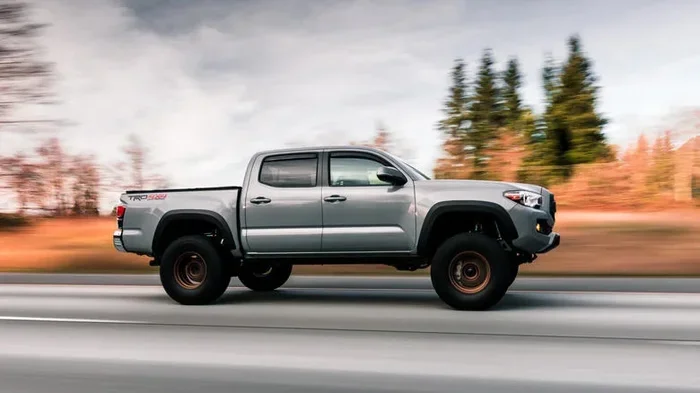
Visual guide about Toyota Tacoma truck on highway
Image source: img-s-msn-com.akamaized.net
Over time, certain parts naturally wear out. Oil consumption can increase slightly as piston rings age. Spark plugs and ignition coils may need replacement after 100,000 miles. Coolant hoses and thermostats often require attention during mid-life service. These are normal wear items, not signs of failure. Addressing them on schedule keeps the powertrain healthy.
Oil Changes and Fluid Care
Fresh engine oil protects internal parts from friction and heat. Most owners benefit from oil changes every 5,000 to 8,000 miles, especially if they tow or drive in stop-and-go traffic. Using the correct viscosity recommended by Toyota helps maintain engine sealing and wear protection.
Other fluids also matter. Transmission fluid, differential oil, and transfer case lubricant support smooth power delivery. Many Tacoma owners check these during routine inspections. Clean fluid reduces internal wear and helps the transmission shift cleanly.
Signs of Engine Stress to Watch
Listen for unusual noises, watch for loss of power, and monitor temperature readings. A sudden coolant leak or oil spot under the truck deserves quick attention. Catching small issues early prevents costly repairs later. If you notice rough idling or check engine lights, a diagnostic scan can reveal simple fixes before they grow.
Transmission, Drivetrain, and Towing Capacity
The Toyota Tacoma transmission options include a smooth six-speed automatic and a sturdy manual gearbox. Both are designed to handle daily driving and light to moderate towing. The automatic shifts cleanly when serviced on time, while the manual appeals to drivers who want direct control. Either choice can last a long time with proper care.
Towing places extra load on the drivetrain. The Toyota Tacoma towing capacity varies by configuration, but most setups handle campers, small boats, and utility trailers with confidence. Staying within rated limits protects the transmission, brakes, and suspension. If you tow often, consider transmission coolers and tire pressure checks before each trip.
Transmission Maintenance Tips
Fresh transmission fluid keeps clutches and bands working smoothly. Many technicians recommend fluid changes every 60,000 to 100,000 miles, or sooner if you tow frequently. Avoid harsh shifting and let the automatic warm up in cold weather. For manual transmissions, gentle clutch use and proper gear selection reduce wear.
Drivetrain Components to Monitor
The transfer case and differentials need clean lubricant to handle off-road angles and loaded driving. Inspect CV joints, axle boots, and driveshaft u-joints for cracks or leaks. Replacing a worn boot early prevents contamination and extends component life. These small checks pay off when you drive on rough terrain or carry heavy loads.
Suspension, Frame, and Rust Prevention
The Toyota Tacoma suspension uses a combination of coil springs up front and leaf springs in the rear on many models. This setup balances ride comfort with load carrying ability. Over time, ball joints, tie rods, and control arm bushings may show wear. Replacing these parts restores steering precision and ride quality.
Frame rust is a common concern in snowy regions and coastal areas. Road salt and moisture attack exposed metal, especially around crossmembers and wheel arches. Regular undercoating, rustproofing, and frequent washes slow this process. If you live where salt is common, inspect the frame each year and treat early signs of corrosion.
Suspension Wear Timeline
Many Tacomas begin showing suspension noise or loose steering around 100,000 miles. This does not mean failure. It simply signals that bushings and ball joints are due for inspection. Replacing worn items keeps the truck stable and safe. A suspension refresh can also improve off-road control and daily comfort.
Body and Interior Longevity
The Tacoma body holds up well when protected from rust and sun damage. Paint care, wax, and garage storage help preserve the exterior. Inside, seat upholstery and dash trim last longer with UV protection and regular cleaning. A well-kept interior adds to the overall resale value and daily enjoyment.
Maintenance Schedule and Cost Expectations
A clear maintenance schedule is the best way to protect your investment. Start with the owner manual and follow the factory service intervals. Track oil changes, filter replacements, brake inspections, and tire rotations. Many Tacoma owners also check battery health, lights, and wiper blades during routine stops.
Costs vary by region and service type. Routine oil changes and basic inspections remain affordable for most owners. Brake pads, rotors, and tires are normal expenses that appear as mileage climbs. Larger jobs, such as suspension work or transmission service, cost more but happen less often. Planning ahead helps you budget for these items without stress.
Quick Maintenance Checklist
- Oil and filter: Change on schedule and use the correct viscosity.
- Transmission fluid: Inspect color and smell; replace at recommended intervals.
- Coolant: Test concentration and flush when due to prevent overheating.
- Brakes: Check pad thickness, rotor condition, and fluid level.
- Tires: Monitor tread depth, pressure, and alignment.
- Battery: Test voltage and terminals, especially before cold weather.
- Rust protection: Wash often and apply undercoating where needed.
Common Mistakes to Avoid
Some owners skip small services to save money, but this often leads to bigger bills later. Ignoring strange noises, fluid leaks, or warning lights can turn a simple fix into a major repair. Another mistake is using cheap parts that wear quickly or do not fit well. Choosing quality components and trusted shops usually saves money over time.
Real Owner Experiences and Reliability Insights
Long-term Tacoma owners often share stories of trucks that keep going year after year. Many report only routine services and a few wear-item replacements across high mileage. Others mention rust treatment, suspension updates, or exhaust repairs after many miles. These accounts show a consistent theme: care and attention drive long-term reliability.
If you compare the Toyota Tacoma to other mid-size trucks, the durability reputation stands out. Some rivals offer more luxury features or towing numbers, but the Tacoma is widely known for low ownership stress. That peace of mind matters when you plan to keep a truck for many years.
Expert Insights on Longevity
Mechanics often point to the simple engineering and proven components in the Tacoma. Fewer complex systems can mean fewer surprises. Experts also stress the value of preventive care. Regular inspections catch loose bolts, worn bushings, and early rust before they become expensive problems. This proactive approach helps the truck reach high mileage with confidence.
When to Plan for Major Service
As the odometer climbs, plan for timing belt service if your model uses one, along with water pump and hose replacements. Review suspension components and steering parts for wear. Check exhaust mounts and manifold hardware for signs of cracking or loosening. These mid-life updates keep the truck reliable and safe.
If you want to compare the Tacoma with other popular models, you may find helpful context in our guide on how much is a Toyota RAV4. For owners who also care about maintenance reminders, our article on how to reset the maintenance light on a Toyota offers a quick walkthrough. And if you are curious about Toyota manufacturing locations, you can read where is a Toyota made for background on the brand.
Conclusion
So, how many miles will a Toyota Tacoma last? With steady care, most examples reach 200,000 to 300,000 miles and many keep going beyond that. The engine, transmission, and chassis are built for durability, while suspension and rust prevention need regular attention. Follow the service schedule, address small issues early, and drive with care. Do that, and your Tacoma can serve you well for many years and many miles.
Frequently Asked Questions
How many miles will a Toyota Tacoma last with normal use?
Most well-maintained examples reach 200,000 to 300,000 miles and often go beyond with routine care. Driving habits, climate, and service history play a big role in the final number.
Does the Toyota Tacoma engine last longer than competitors?
The Toyota Tacoma engine options are known for simple design and strong reliability, which helps them age well. Consistent oil changes and fluid service keep them running smoothly for many years.
What maintenance matters most for high mileage?
Focus on oil changes, transmission fluid, coolant, brakes, and rust prevention. Regularly inspecting suspension and steering parts also helps prevent bigger repairs later.
Can a Toyota Tacoma tow enough for a small camper?
Yes, many configurations handle small campers, boats, and utility trailers within their rated limits. Staying inside the towing capacity and checking tire pressure protects the drivetrain.
How do I prevent rust on a Tacoma in snowy areas?
Wash the undercarriage often, apply undercoating or rustproofing, and store the truck in a garage when possible. Inspecting the frame each year helps you catch early corrosion before it spreads.
When should I expect major repairs on a Tacoma?
Major work usually appears after 150,000 to 200,000 miles if deferred, such as timing belt service or suspension replacements. Planning these services ahead keeps the truck reliable and avoids sudden breakdowns.