
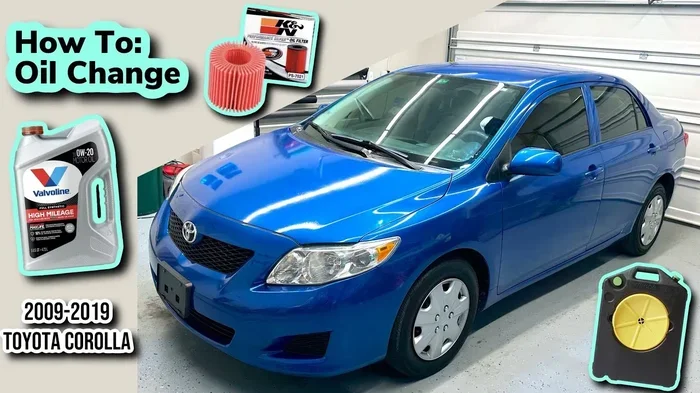
Knowing how many quarts of oil for Toyota Corolla models require keeps your engine running smoothly and prevents costly damage. Most Corolla engines need between four and five quarts, but the exact amount depends on your model year and engine size. This guide breaks down the exact capacities, recommended oil types, and simple steps to change your oil with confidence.
Key Takeaways
- Standard Capacity: Most Toyota Corolla engines require 4.4 to 5.0 quarts of oil, including the filter.
- Oil Viscosity: 0W-20 synthetic oil is the standard recommendation for modern Corolla models.
- Model Year Matters: Older Corollas may use slightly different capacities, so always check your owner’s manual.
- Filter Replacement: Always replace the oil filter during every oil change to maintain proper flow.
- Check the Dipstick: Add oil gradually and verify the level on the dipstick to avoid overfilling.
- Mileage Intervals: Toyota typically recommends oil changes every 5,000 to 10,000 miles depending on driving conditions.
- Proper Disposal: Recycle used oil at certified centers to protect the environment and follow local regulations.
📑 Table of Contents
Understanding How Many Quarts of Oil for Toyota Corolla Engines
Your Toyota Corolla is a reliable daily driver. It handles commutes, errands, and long trips with ease. But like any engine, it needs clean oil to stay healthy. Many owners wonder how many quarts of oil for Toyota Corolla models actually require. The answer is straightforward, but it depends on a few key factors.
Most modern Corollas use between four and five quarts of oil. This includes the oil that stays in the filter. If you skip the filter replacement, you might need slightly less oil. However, replacing the filter is always the right choice. Clean oil flows better. It reduces friction. It keeps engine parts cool. Ignoring the filter can lead to sludge buildup and poor performance over time.
The exact amount also depends on your engine size. The standard 1.8-liter engine is common in many Corolla years. The 2.0-liter engine appears in newer dynamic force models. Both engines have similar oil capacities, but small differences exist. Always verify the specs for your specific vehicle. Your owner’s manual is the best source. It lists the exact capacity and the recommended viscosity. Using the wrong amount can cause low oil pressure or excess waste. Both issues hurt your engine in the long run.
Here is a quick reference for common Corolla engines:
- 1.8L 4-Cylinder: Typically requires 4.4 quarts with a new filter.
- 2.0L 4-Cylinder: Usually needs around 4.6 to 5.0 quarts with a new filter.
- Hybrid Models: Often follow similar capacity ranges, but check your manual for hybrid-specific notes.
These numbers are general guidelines. Always add oil slowly. Check the dipstick after each addition. This simple habit prevents overfilling. Overfilling can cause foaming. Foaming reduces lubrication. It can also stress the seals and gaskets. A careful approach keeps your Corolla running smoothly for years.
Why Oil Capacity Matters for Your Corolla
Engine oil is the lifeblood of your car. It lubricates moving parts. It washes away dirt and metal particles. It helps control temperature. When you know how many quarts of oil for Toyota Corolla engines need, you protect your investment. The right amount ensures proper pressure. Proper pressure keeps bearings and camshafts safe. It also helps the oil pump work efficiently.
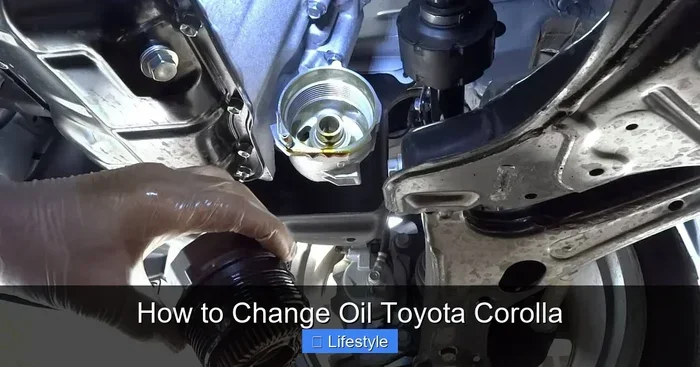
Visual guide about Toyota Corolla oil change
Image source: i.ytimg.com
Too little oil creates serious problems. The engine runs hotter. Parts wear faster. You may hear knocking sounds. In worst cases, the engine seizes. Too much oil causes different issues. The crankshaft can splash into the oil. This creates foam. Foam does not lubricate well. It also increases pressure inside the crankcase. Seals may leak. Smoke may appear from the exhaust. Both extremes cost money. Avoiding both extremes starts with knowing the correct capacity.
Oil capacity also affects your maintenance schedule. When you change oil at the right interval, you keep contaminants low. Fresh oil holds particles in suspension. The filter traps them. This cycle keeps the engine clean. If you stretch intervals too far, the oil breaks down. It loses viscosity. It forms sludge. Sludge blocks passages. It starves parts of oil. Regular changes with the correct capacity prevent these issues.
Quick Tip: Check Your Dipstick After Filling
Always wait a minute after adding oil. Turn off the engine. Wait for the oil to drain back into the pan. Then check the dipstick. The level should sit between the minimum and maximum marks. This simple step confirms you used the right amount.
Recommended Oil Type and Viscosity
Capacity is only half the story. The oil type matters just as much. Toyota recommends specific viscosity grades for each model. Most modern Corollas use 0W-20 synthetic oil. This thin, high-performance oil flows quickly at cold starts. It also maintains stability at high temperatures. Synthetic blends and full synthetic oils offer better protection than conventional oils. They resist breakdown longer. They handle stress better.
If you live in a hot climate, you might wonder if a thicker oil is better. The answer is usually no. Modern engines have tight clearances. They need oil that flows easily. Thicker oil can increase drag. It can reduce fuel economy. It can also strain the oil pump. Stick with the manufacturer recommendation. If you have extreme conditions, ask a trusted technician. They can suggest a safe alternative if needed.
Here is a simple comparison of common oil choices for the Corolla:
- 0W-20 Full Synthetic: Best for most model years. Excellent cold flow and high-temperature protection.
- 5W-20 Conventional or Blend: Sometimes used in older models. Check your manual before choosing this option.
- High-Mileage Oil: Helpful for older Corollas with over 75,000 miles. It contains conditioners that support seals and reduce leaks.
Many owners also ask about oil brands. The brand matters less than the specification. Look for oils that meet Toyota’s standards. Check for the API certification mark. This mark confirms the oil meets industry performance requirements. A reputable brand with the right viscosity is a safe choice. You do not need expensive premium oils unless your driving conditions demand them.
Common Mistake: Mixing Oil Types
Some drivers top off with a different viscosity when they are in a pinch. Mixing oils occasionally is not catastrophic, but it should not become a habit. Different viscosities can alter the oil’s performance. Stick to one type for consistent results. If you must mix, use the same viscosity family when possible.
Step-by-Step Oil Change Guide for Toyota Corolla
Changing your own oil saves money. It also helps you learn your car better. The process is simple when you follow a clear plan. First, gather your supplies. You need the correct oil, a new filter, a drain pan, a wrench, and a funnel. Safety matters too. Park on level ground. Use jack stands if you lift the car. Never rely on a jack alone.
Next, warm the engine slightly. Warm oil flows faster. It carries more contaminants out of the engine. Do not overheat the engine. Just run it for a few minutes. Then turn it off. Open the hood and remove the oil fill cap. This step helps the oil drain faster. Place your drain pan under the oil pan. Remove the drain plug carefully. Hot oil can burn your hands. Let the old oil drain completely.
While the oil drains, replace the filter. The filter traps dirt and metal particles. A clogged filter restricts flow. A new filter keeps the oil clean. Coat the new filter’s gasket with a thin layer of fresh oil. This helps the seal sit properly. Screw the filter on by hand. Do not overtighten it. Hand-tight is usually enough.
After the oil stops dripping, reinstall the drain plug. Use a new washer if your plug requires one. Tighten it to the proper spec. Do not crush the threads. Then lower the car if you lifted it. Add the new oil through the funnel. Start with slightly less than the full capacity. For many Corollas, this means adding about four quarts first. Then check the dipstick. Add more if needed. This method prevents overfilling.
Once the level is correct, replace the fill cap. Start the engine. Let it run for a minute. Watch for warning lights. Then turn it off. Wait a moment. Check the dipstick again. Top off if necessary. Finally, clean up your tools. Wipe any spills. Dispose of the old oil properly. Many auto parts stores accept used oil for free.
Expert Insight: Use a Quality Filter
Cheap filters can fail under pressure. They may collapse or bypass dirty oil. A quality filter protects your engine better. Look for filters with strong ratings and good reviews. The extra cost is small compared to the protection it provides.
Maintenance Intervals and Oil Life Monitoring
Knowing how many quarts of oil for Toyota Corolla models need is important. Knowing when to change it is just as important. Toyota offers different intervals based on driving habits. Normal driving usually allows longer intervals. Severe driving shortens them. Severe conditions include frequent short trips, stop-and-go traffic, extreme heat, and towing. If your daily routine includes these factors, change the oil more often.
Many newer Corollas have an oil life monitoring system. This system tracks engine conditions. It calculates oil degradation based on temperature, RPM, and driving time. It gives you a percentage reminder. When the percentage drops, it is time to change the oil. This system is helpful, but it is not a substitute for regular checks. Always verify the level manually. Sensors can miss leaks or consumption issues.
Here are general interval guidelines:
- Normal Driving: Every 5,000 to 10,000 miles, depending on the model year and oil type.
- Severe Driving: Every 3,000 to 5,000 miles for high-stress conditions.
- Time Interval: At least once a year, even if you do not reach the mileage limit.
Regular checks also help you catch problems early. If you notice the level dropping quickly, you may have a leak or burning oil. Address these issues promptly. Small problems grow into big repairs when ignored. A quick inspection under the car and around the filter can save you money.
Troubleshooting Oil Level Issues
Sometimes the oil level behaves strangely. You might add oil and see the level drop again soon after. Or you might see foam on the dipstick. These signs point to specific issues. Low oil consumption can happen with worn piston rings or valve seals. High consumption can also happen with leaks around the drain plug or filter. Check for puddles under the car. Look for wet spots around the oil pan.
Foam on the dipstick often means overfilling or coolant mixing with the oil. Coolant contamination is serious. It can damage bearings and other parts. If the oil looks milky, stop driving. Have the car inspected right away. Overfilling causes foaming too. If you added too much oil, drain the excess carefully. Use a pump or drain some oil from the pan. Then recheck the level.
Another common issue is a stubborn filter leak. This happens when the old gasket sticks to the old filter. The new filter then sits on top of the old gasket. This creates a double gasket. It leaks under pressure. Always check that the old gasket came off with the old filter. If it did not, remove it before installing the new one.
Key Takeaways for Oil Maintenance
- Know your capacity: Most Corollas need 4.4 to 5.0 quarts with a filter change.
- Use the right viscosity: 0W-20 synthetic is standard for most model years.
- Check the dipstick: Add oil slowly and verify the level after filling.
- Replace the filter: A new filter keeps oil clean and flow strong.
- Follow intervals: Change oil based on mileage, time, and driving conditions.
- Watch for leaks: Early detection prevents expensive engine damage.
Keeping up with oil maintenance is one of the easiest ways to extend your Corolla’s life. It takes a little time, but the payoff is huge. A well-lubricated engine runs smoother. It uses less fuel. It lasts longer. When you know the correct capacity and the right oil type, you can change oil with confidence. You also avoid costly mistakes. Your Corolla will thank you with reliable performance mile after mile.
Frequently Asked Questions
How many quarts of oil does a 2020 Toyota Corolla take?
Most 2020 Toyota Corolla models require about 4.4 to 4.6 quarts of oil with a new filter. Always check your owner’s manual for the exact capacity. Add oil slowly and verify the level on the dipstick to avoid overfilling.
Can I use 5W-20 instead of 0W-20 in my Corolla?
You should stick with the viscosity recommended in your owner’s manual. Many modern Corollas are designed for 0W-20 synthetic oil. Using 5W-20 occasionally may not cause immediate harm, but it can affect performance and fuel economy. When in doubt, use the manufacturer’s recommendation.
What happens if I overfill the oil in my Toyota Corolla?
Overfilling can cause the crankshaft to splash into the oil and create foam. Foam reduces lubrication and can increase pressure inside the engine. This may lead to leaks, smoke from the exhaust, or poor performance. If you overfill, drain the excess and recheck the level.
How often should I change the oil in a Toyota Corolla?
Toyota typically recommends oil changes every 5,000 to 10,000 miles for normal driving. Severe driving conditions may require more frequent changes. Always follow your model year’s schedule and check the oil life monitor if your car has one.
Do I need to replace the oil filter every time I change the oil?
Yes, you should replace the oil filter during every oil change. The filter traps dirt and metal particles that can harm your engine. A new filter keeps oil flow strong and helps maintain clean oil. Skipping the filter can reduce the benefits of a fresh oil change.
Where can I dispose of used oil from my Corolla?
Many auto parts stores, service centers, and recycling facilities accept used oil for free. Never pour oil down drains or on the ground. Store the used oil in a sealed container and take it to a certified recycling location. Proper disposal protects the environment and follows local regulations.