
Most Toyota Corolla models need 4.4 quarts of oil for a complete change, but always check your owner’s manual for exact specs. Using the right viscosity grade like 0W-20 synthetic blend protects your engine and improves fuel efficiency. Regular oil changes every 5,000 to 10,000 miles prevent wear and extend vehicle lifespan.
Key Takeaways
- Exact Capacity: Most Corolla engines require 4.4 quarts of oil, but verify with your specific model year and engine type.
- Recommended Viscosity: Toyota typically recommends 0W-20 synthetic or synthetic blend oil for optimal engine protection.
- Change Intervals: Follow Toyota’s maintenance schedule, usually every 5,000 to 10,000 miles depending on driving conditions.
- Check Oil Level: Use the dipstick regularly to monitor oil consumption and catch leaks early.
- Filter Matters: Always replace the oil filter during each change to maintain proper oil flow and cleanliness.
- Driving Conditions: Severe driving like frequent short trips or extreme temperatures may require more frequent oil changes.
- Professional Help: If you are unsure about oil capacity or viscosity, consult a Toyota dealer or trusted mechanic.
📑 Table of Contents
- How Many Quarts of Oil Toyota Corolla Needs
- Understanding Toyota Corolla Oil Capacity
- Choosing the Right Oil for Your Corolla
- Oil Change Intervals and Maintenance Schedule
- Step-by-Step Oil Change Guide for Corolla Owners
- How Engine Size and Driving Habits Affect Oil Needs
- Expert Tips for Maintaining Your Corolla Oil System
- Conclusion
How Many Quarts of Oil Toyota Corolla Needs
Keeping your Toyota Corolla running smoothly starts with one simple task. You need to change the engine oil on time. But many car owners ask the same question. How many quarts of oil Toyota Corolla needs? The answer matters because too little oil causes engine damage. Too much oil creates pressure problems. Getting the right amount keeps your car healthy for years.
Most Toyota Corolla models need about 4.4 quarts of oil for a full change. This number works for many recent model years. Yet you should always check your owner manual. Different engines and model years can change the exact amount. Some older Corollas may need slightly less. Some newer ones with different engine options may need a bit more. The safest path is to verify your specific vehicle.
Oil capacity is not the only thing that matters. You also need the right viscosity grade. Toyota usually recommends 0W-20 synthetic or synthetic blend oil for modern Corollas. This thin oil flows quickly at cold starts. It also reduces friction inside the engine. That means better fuel economy and less wear. If you use the wrong thickness, you may hurt engine performance over time.
Understanding your oil needs helps you avoid costly mistakes. It also helps you plan your maintenance budget. Oil changes are one of the cheapest ways to protect a car. When you know the right quarts, the right grade, and the right schedule, you can drive with confidence. Let us break down everything you need to know in simple terms.
Understanding Toyota Corolla Oil Capacity
Engine oil capacity tells you how much oil your engine holds when it is full. This number matters because it guides your oil change routine. If you buy too little oil, you may run low before the next change. If you buy too much, you waste money and may cause foaming issues. Knowing the correct quarts helps you prepare the right supplies every time.
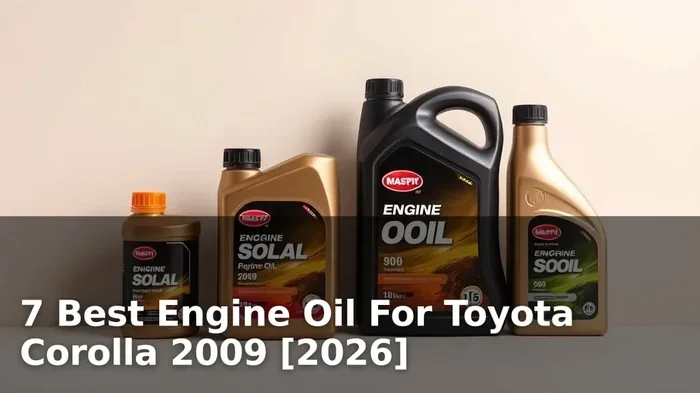
Visual guide about Toyota Corolla engine oil
Image source: rcfact.com
For most Toyota Corolla cars, the engine holds around 4.4 quarts of oil. This includes the oil that stays in the filter and oil pan. When you drain the old oil, you remove most of it. Then you add new oil until the level reaches the proper mark. The dipstick shows you when you hit the right zone. Always add oil slowly and check the level often.
Some Corolla owners wonder if they need exactly 4.4 quarts every time. The truth is that oil capacity can vary slightly. The exact amount depends on the engine size, model year, and whether the car uses a standard or hybrid powertrain. Hybrid models may have different oil circulation patterns. That is why checking your manual is so important. Your manual lists the precise capacity for your specific vehicle.
You can also find oil capacity info on reliable automotive sites. For example, if you want to compare how long different Toyota models last, you can read guides like how long will Toyota Corolla last. These resources help you understand the bigger picture of Toyota ownership. They show why proper oil care matters for long-term reliability.
Why Oil Capacity Varies by Model Year
Toyota has made the Corolla for many decades. Over time, the engine designs have changed. Newer engines often use tighter tolerances and advanced materials. These changes can affect how much oil the engine needs. A 2000s Corolla may have different requirements than a 2020s Corolla. That is normal in the auto world.
Model year changes also bring updates to oil filters and oil pans. A larger oil pan can hold more oil. A smaller filter may hold less. These small differences add up. When you look up your car, make sure you match the exact year, make, model, and engine. This careful approach prevents confusion and keeps your engine safe.
How to Check Your Specific Oil Requirement
The best way to confirm your oil need is to check the owner manual. The manual usually lists oil capacity in the maintenance section. It also lists the recommended viscosity and service interval. If you lost your manual, you can find digital copies online. Many Toyota owners also ask a dealership service team for help.
Another simple method is to look at the oil fill cap or dipstick area. Some cars print the recommended oil type right on the engine. This can be a quick clue. Still, do not guess. Always verify the quarts and grade before you start the job. A few minutes of checking can save you from engine trouble later.
Choosing the Right Oil for Your Corolla
Picking the right oil is just as important as picking the right amount. Oil is not one-size-fits-all. Different oils flow differently. They also protect differently under heat and cold. Toyota designs its engines around specific oil standards. When you follow those standards, you give your engine the best chance to perform well.
Most modern Corollas use 0W-20 oil. The 0W part means the oil stays fluid in cold weather. The 20 part means it has a light thickness at operating temperature. This combination helps the engine start easily in winter. It also helps the oil reach critical parts fast. That quick coverage reduces wear during the first few seconds after startup.
You may see synthetic, synthetic blend, and conventional options. Synthetic oil usually offers the best protection for modern engines. It resists breakdown better under high heat. It also lasts longer between changes. Synthetic blend oil mixes conventional and synthetic base stocks. It can be a good middle ground for some drivers. Conventional oil works, but it may not match the latest engine needs as well.
If you drive in very hot or very cold climates, oil choice matters even more. Extreme temperatures stress engine oil. A high-quality synthetic can handle those stresses better. It also helps maintain steady oil pressure. That steady pressure supports smooth engine operation and long-term health.
Synthetic vs Conventional Oil for Corolla
Many Corolla owners ask whether synthetic oil is worth it. The short answer is yes for most drivers. Synthetic oil usually provides better sludge resistance. It also keeps the engine cleaner over time. That cleaner environment helps parts move smoothly. It can also support better fuel economy.
Conventional oil can still work if your car has older recommendations or if you drive very gently. But if you want the best protection, synthetic is the stronger choice. It usually costs a bit more per quart. Yet it often pays for itself by extending oil life and reducing engine wear. Think of it as a small investment in your car future.
Oil Viscosity and Engine Protection
Viscosity is a fancy word for oil thickness. Thick oil resists flow more than thin oil. Thin oil flows faster but may thin out too much at high heat. The right viscosity balances these needs. For Corolla engines, 0W-20 is a common match because it stays light enough for efficiency yet stable enough for protection.
Using the wrong viscosity can cause problems. If the oil is too thick in winter, the engine may struggle at startup. If the oil is too thin in summer, it may not protect well under load. Always follow Toyota recommendation for your model. That guidance comes from testing and engineering data. It is the safest path for daily driving.
Oil Change Intervals and Maintenance Schedule
Knowing how many quarts of oil Toyota Corolla needs is only part of the job. You also need to know when to change it. Oil breaks down over time. It collects dirt, metal particles, and combustion byproducts. When oil gets old, it loses its ability to protect the engine. That is why regular changes matter so much.
Toyota usually suggests oil change intervals based on mileage or time. Many modern Corollas can go longer between changes when using synthetic oil. Some drivers follow a 5,000-mile schedule. Others follow a 10,000-mile schedule. The right choice depends on your driving habits and the oil type you use. Your owner manual gives the official guidance.
Driving conditions play a big role too. Short trips, stop-and-go traffic, towing, and extreme weather can stress oil faster. These are often called severe service conditions. If your daily drive looks like that, you may need more frequent changes. A shorter interval can help keep the oil fresh and the engine clean.
Severe vs Normal Driving Conditions
Normal driving usually means longer trips and steady speeds. The engine warms up fully and oil gets hot enough to burn off moisture. Severe driving is different. Frequent cold starts, idling, and dusty roads can load the oil with contaminants. In those cases, oil works harder and ages faster.
If you are not sure which category fits your life, lean toward more frequent changes. It is better to change oil a little early than too late. That habit is especially useful for newer drivers or anyone who wants extra peace of mind. Regular care is one of the easiest ways to support long-term reliability.
Signs Your Corolla Needs an Oil Change
Your car often gives clues when oil is overdue. The most obvious clue is the maintenance reminder light. Many Corollas track mileage and driving conditions to prompt service. If that light comes on, do not ignore it. Schedule a change soon.
You can also check the oil level and condition with the dipstick. Fresh oil looks amber or light brown. Old oil often looks dark and dirty. If the level is low, you may have consumption or a leak. If the oil looks gritty or smells burnt, it is probably time for a change. Catching these signs early helps you avoid bigger repairs.
For more Toyota maintenance tips, you can also explore related guides such as how long does Toyota battery last. Battery health and oil care both affect overall reliability. Looking at the whole maintenance picture helps you keep your car in top shape.
Step-by-Step Oil Change Guide for Corolla Owners
Changing oil at home can save money and teach you about your car. It is not hard if you follow a clear process. The key is to work safely and use the right supplies. Before you start, gather a few basic items. You will need new oil, a new filter, a drain pan, a wrench, and a funnel. A jack and jack stands or ramps may also help if you need more clearance.
First, warm the engine slightly. Warm oil flows out more easily. Then lift the car safely and remove the drain plug. Let the old oil drain into the pan. This usually takes several minutes. While the oil drains, replace the filter. A dirty filter can hold old oil and reduce flow. Install the new filter with a light coat of fresh oil on the gasket.
Next, reinstall the drain plug and tighten it to the proper spec. Do not overtighten. Then add the new oil slowly. Start with about 4 quarts for a Corolla, then check the dipstick. Add more if needed until the level sits in the correct range. Wipe any spills and run the engine for a moment. Check for leaks around the filter and drain plug. Finally, recheck the dipstick after the engine settles.
Tools and Supplies You Will Need
A smooth oil change starts with good preparation. Here is a simple list of what you may need:
- New engine oil: Usually 0W-20 synthetic or as recommended for your model.
- New oil filter: Match the filter to your Corolla engine.
- Drain pan: Large enough to hold all the old oil.
- Socket wrench and drain plug socket: For removing the plug safely.
- Oil filter wrench: Helpful if the filter is tight.
- Funnel: Keeps oil from spilling during refill.
- Gloves and rags: Protect your hands and clean up drips.
- Jack and jack stands or ramps: For safe access under the car.
Having these items ready makes the job faster and cleaner. It also reduces the chance of mistakes. A little prep goes a long way.
Common Mistakes to Avoid
Even a simple oil change can go wrong if you rush. One common mistake is overfilling the engine. Too much oil can raise pressure and cause leaks or foaming. Another mistake is forgetting to replace the filter. A new oil change with an old filter is not a full service.
People also sometimes cross-thread the drain plug or overtighten it. That can damage the pan and create leaks. Another issue is using the wrong oil type. Always match the viscosity and specification for your Corolla. If you are unsure, ask a professional or check the manual. Small errors can lead to big headaches, so take your time.
How Engine Size and Driving Habits Affect Oil Needs
Toyota Corolla engines are known for being efficient and reliable. Still, oil needs can shift based on engine size and how you drive. A smaller engine may use less oil than a larger one. Driving style also matters. Hard acceleration, frequent high speeds, and heavy loads can stress the engine more. That stress can make oil break down faster.
City driving often means more starts and stops. That pattern can lead to more fuel dilution in the oil, especially in newer engines. Highway driving usually lets the engine run at steady temperatures. That can be easier on the oil. If your routine mixes both, you may want to check oil condition more often.
It also helps to think about the bigger Toyota ownership picture. If you compare Corolla oil needs with other Toyota models, you will see differences across the lineup. For example, larger vehicles and SUVs often have different oil capacities and maintenance demands. You can read more about Toyota vehicle comparisons in articles like how many cars do Toyota make a year. These broader topics show how Toyota builds cars for different uses and needs.
Fuel Economy and Oil Choice
Oil can affect fuel economy in a subtle but real way. Thinner, low-friction oil can reduce internal engine drag. That can help the engine work a little less during normal driving. Over time, those small gains add up. That is one reason many modern Corollas use 0W-20 oil.
If you want to stretch every gallon, keep up with oil changes and use the recommended grade. A well-lubricated engine runs more efficiently. It also produces fewer harmful deposits. Clean oil supports smoother performance and better long-term mileage. That is a win for your wallet and your car.
Long-Term Engine Health and Oil Care
Good oil care is one of the best ways to protect your investment. Engine repairs are expensive. Oil changes are relatively cheap. That makes oil maintenance one of the smartest habits you can build. When you keep the oil fresh, you help the engine stay clean and cool. You also reduce the risk of early wear.
Many Corolla owners want their cars to last for many years. Proper oil use supports that goal. If you are curious about long-term durability, you can explore resources like how long will a Toyota 4Runner last. Comparing different Toyota models can help you see how maintenance habits influence vehicle life across the brand.
Expert Tips for Maintaining Your Corolla Oil System
A few simple habits can make oil care easier and more effective. First, check the dipstick regularly. You do not need to do it every day, but a quick look every few weeks can catch problems early. If the level drops faster than expected, you may have a leak or unusual consumption. Finding that early can save you time and money.
Second, keep a simple maintenance log. Write down the date, mileage, oil type, and quarts used for each change. This record helps you stay on schedule. It also helps you spot patterns over time. If you ever sell the car, a clean maintenance history can add value too.
Third, use quality parts. A good oil filter matters as much as good oil. A cheap filter may not trap contaminants well. It may also wear out faster. Stick with reputable brands that match your Corolla. Your engine will thank you with smoother performance and fewer worries.
Quick Tips for Oil Maintenance
- Check oil level monthly: A quick dipstick check helps you spot low oil early.
- Use the recommended viscosity: Stick with Toyota suggested oil grade for your model.
- Change oil on schedule: Follow the manual or a trusted service plan.
- Replace the filter every time: A fresh filter keeps oil cleaner longer.
- Watch for leaks: Puddles or spots under the car can signal a problem.
- Keep records: Track mileage and service dates for better maintenance planning.
When to See a Professional Mechanic
DIY oil changes are great for many people. But sometimes professional help makes sense. If you do not have the right tools, or if you feel unsafe working under the car, let a shop handle it. If you notice unusual noises, warning lights, or oil pressure issues, get help right away. Those signs can point to bigger problems that need expert attention.
A trusted mechanic can also spot other issues during an oil change. They may notice leaks, worn parts, or fluid problems you might miss. That extra set of eyes can be valuable. If you want the easiest route, a dealership or reputable service center can keep your Corolla on track with factory-style care.
Conclusion
So, how many quarts of oil Toyota Corolla needs? For most models, the answer is about 4.4 quarts, but you should always confirm the exact amount for your year and engine. The right oil amount, the right viscosity, and the right change schedule work together to protect your engine. When you stay on top of these basics, your Corolla can deliver the smooth, reliable performance Toyota is known for.
Take a few minutes to check your manual, gather the correct supplies, and follow a steady maintenance routine. Watch the dipstick, listen for warning signs, and change oil before it gets too old. These simple habits make a big difference over time. With the right care, your Corolla can stay efficient, dependable, and ready for the road ahead.
Frequently Asked Questions
How many quarts of oil does a Toyota Corolla take?
Most Toyota Corolla models take about 4.4 quarts of oil for a full change, but the exact amount depends on the engine and model year. Always check your owner manual or oil filler specifications to confirm the correct capacity before refilling.
What oil type should I use in a Toyota Corolla?
Toyota usually recommends 0W-20 synthetic or synthetic blend oil for modern Corolla engines. This viscosity helps with cold starts, engine protection, and fuel efficiency. If your car has special requirements, follow the guidance in your manual.
How often should I change the oil in a Corolla?
Many Corolla owners change oil every 5,000 to 10,000 miles, depending on the oil type and driving conditions. Severe driving, such as frequent short trips or extreme temperatures, may require more frequent changes. Your owner manual provides the best schedule for your vehicle.
Can I use conventional oil instead of synthetic in a Corolla?
You may be able to use conventional oil in some cases, but synthetic oil usually offers better protection for modern engines. Synthetic oil resists breakdown better and helps keep the engine cleaner. If you want the best long-term results, synthetic is often the stronger choice.
What happens if I overfill the oil in my Corolla?
Overfilling can raise oil pressure and cause leaks, foaming, or unusual engine behavior. Too much oil may also reduce lubrication quality and create extra stress on seals and gaskets. If you overfill, drain the excess to bring the level back to the proper range.
How do I check the oil level in a Toyota Corolla?
Park on level ground, turn off the engine, and wait a few minutes for the oil to settle. Then pull the dipstick, wipe it clean, reinsert it fully, and pull it out again to read the level. The oil should sit between the low and full marks on the dipstick.