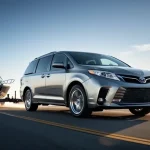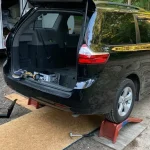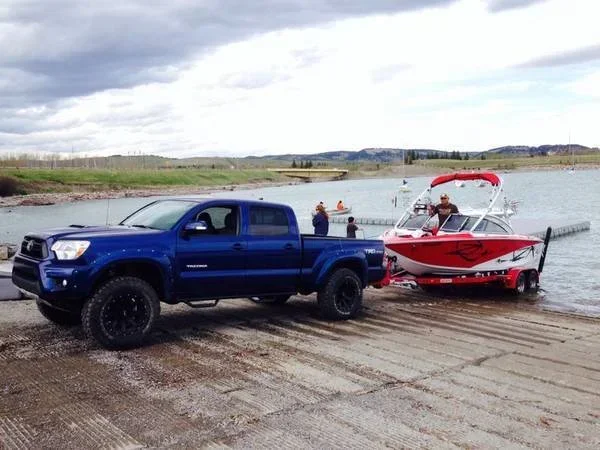

The Toyota Tacoma is a capable mid-size truck that can tow between 3,500 and 6,800 pounds depending on the engine, drivetrain, and equipment package. If you plan to haul a small boat, a lightweight camper, or a utility trailer, knowing your exact tow rating keeps you safe and legal on the road. This guide explains how to read your spec sheet, pick the right configuration, and load your trailer without stressing your truck. You will also learn simple setup steps, weight limits, and common mistakes that reduce your towing confidence.
If you are shopping for a mid-size truck, you probably want a vehicle that feels nimble around town but still handles real jobs. That is exactly why so many people ask how much can the Toyota Tacoma tow before they buy or load up a trailer. The short answer is that this truck can pull a surprising amount for its size, but the exact number depends on your configuration. In this guide, we will walk through the numbers, the setup steps, and the smart habits that make towing easier and safer.
Towing is not just about the maximum number on a spec sheet. It is about matching the right truck to the right trailer, then loading it correctly. A small fishing boat, a lightweight utility trailer, or a compact camper can all be great fits for a Tacoma. Heavier travel trailers or large boats may push the limits of a mid-size truck, so it helps to know where the line is. We will keep this simple, practical, and focused on what you actually need to know before you hook up.
You will also see how the Tacoma compares with other popular trucks and why some owners look at the tow capacity of a Toyota Tacoma when they are deciding between trims. If you are curious about the Tacoma’s pulling ability in plain language, you are in the right place. Let’s get into the details.
Key Takeaways
- Tow rating range: Most Tacoma models tow from 3,500 to 6,800 pounds, depending on engine, axle ratio, and towing package.
- Engine matters: The 4-cylinder and V6 configurations have different payload and towing limits, so check your window sticker or door jamb label.
- Package upgrades: Adding the proper towing package, hitch, and wiring harness can unlock higher factory ratings.
- Weight distribution: Keep tongue weight around 10 to 15 percent of trailer weight for stable handling.
- Gears and brakes: Use lower gears on hills, let the transmission cool, and test your trailer brakes before long trips.
- Certified limits: Always follow the manufacturer rating for your exact model year, cab style, and bed length.
- Smart setup: A quick pre-trip check of tires, lights, and load balance prevents most towing headaches.
📑 Table of Contents
How Much Can the Toyota Tacoma Tow by Configuration
The most important thing to understand is that towing capacity is not a single fixed number for every Tacoma. It changes based on engine, cab style, drivetrain, axle ratio, and whether the truck has the right towing equipment. That is why two Tacomas from the same model year can have different limits. The best source for your exact number is the door jamb sticker or the owner’s manual for your specific vehicle.
In general, many Tacoma configurations fall into a range that suits small to medium trailers very well. If you are hauling a jet ski, a dirt bike, a small camper, or a landscape trailer, you are usually within a comfortable zone. If you are planning to pull something heavier, you need to check your payload, hitch rating, and brake setup before you hit the road. The goal is to stay safely under your limit, not to scrape the ceiling.
Here is a simple way to think about it:
- Light trailers: Small utility trailers and single-axle cargo trailers are usually easy for a Tacoma to handle.
- Medium trailers: Compact campers and small boats often fit well, as long as the total weight stays within your rating.
- Heavier trailers: Larger boats or big travel trailers may be possible on some configurations, but you should verify every limit first.
If you want a deeper look at the official numbers, you can review how much weight can Toyota Tacoma pull in different setups. That kind of detail helps you avoid guessing and gives you a clearer picture of what your truck can do.
What Changes the Tow Number
Several factors can raise or lower your towing capacity. The engine is a big one because it affects torque and pulling power. The axle ratio also matters because it changes how the truck feels under load. Cab and bed configuration can affect payload, which is the amount of weight the truck itself can carry. Even the hitch you install can change what is safely possible, because the truck is only as strong as its weakest rated component.
Payload is easy to overlook, but it is a critical part of towing. Your trailer tongue weight counts against the truck’s payload capacity, along with passengers, cargo, and fuel. If you pack the truck too full, you may reduce the amount you can safely tow. That is why smart owners check the door jamb label and do a quick math check before loading up.
Quick Tips for Reading Your Specs
- Check the door jamb sticker: It lists payload and other key limits for your exact truck.
- Look at the owner’s manual: It explains towing guidelines and any equipment requirements.
- Confirm your hitch rating: The hitch itself has a limit that may be lower than the truck’s rating.
- Count tongue weight: Treat it as part of the truck’s payload, not just trailer weight.
If you ever feel unsure about your setup, it is worth checking what is the tow capacity of a Toyota Tacoma for your model year and trim. A few minutes of verification can save you from an uncomfortable tow or an unsafe load.
Engines, Gearing, and Real-World Towing
When people compare Tacoma towing, they often focus on the engine first. That makes sense, because the engine helps determine how smoothly the truck accelerates with a load behind it. A truck that feels strong at low speeds can make merging, hill climbing, and parking lot maneuvering much easier. Still, engine size is only one piece of the puzzle.
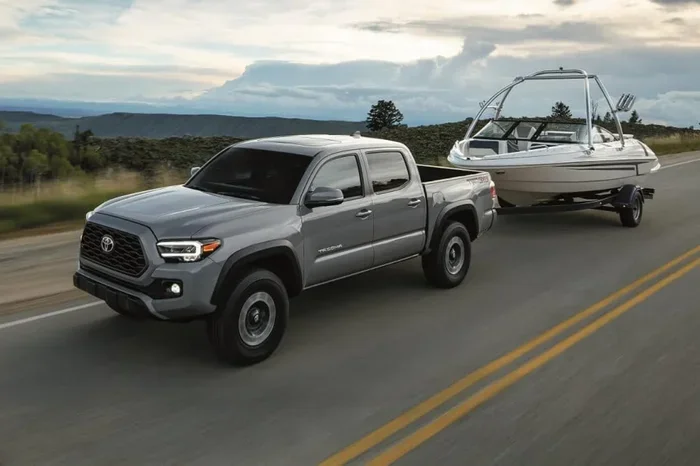
Visual guide about Toyota Tacoma towing boat
Image source: trailtacoma.com
Gearing is another major factor. The right axle ratio can make a truck feel more confident when it is pulling weight, especially on grades. A lower gear can help you maintain momentum without making the transmission work too hard. If you tow often, it is worth learning how your truck behaves in different conditions so you can choose the right driving habits.
A practical example helps here. Imagine you are pulling a small boat to a lake on a warm weekend. With a moderate trailer and a properly loaded truck, the Tacoma should feel steady and controllable. If you add a heavy camper trailer and a full crew in the cab, the same truck may feel more strained. That does not mean it cannot do the job, but it does mean you should slow down, watch your temperature gauges, and plan for extra stopping distance.
Driving Habits That Help
- Start smoothly: Ease into acceleration so the truck and trailer settle together.
- Use lower gears on hills: This reduces strain and helps control speed on descents.
- Leave more space: A trailer adds length and weight, so brake earlier than usual.
- Watch heat: If you notice transmission or brake heat building, take a short break.
If you are comparing options in the Toyota lineup, you may also wonder how the Tacoma stacks up against larger trucks. Some buyers start with the Tacoma and then look at bigger models if their towing needs grow. For example, you might explore towing capacity of a Toyota 4Runner or larger Toyota trucks if you need more room for passengers and gear. The right choice depends on how often you tow and how heavy your typical load is.
Common Mistakes With Engine and Gearing
One common mistake is assuming a bigger engine automatically solves every towing issue. A strong engine helps, but it does not replace good loading, proper hitch setup, or sensible driving. Another mistake is ignoring the transmission’s need for cooling on long hills or hot days. Towing can generate extra heat, so it pays to monitor your gauges and take breaks when needed.
It also helps to remember that towing is not a race. The best tow vehicle is the one that keeps you calm, stable, and in control. If your Tacoma feels good at the wheel, stays cool, and stops confidently, you are probably using it well within its comfort zone.
Hitches, Tongue Weight, and Safe Loading
A tow rating is only useful if your equipment matches the job. The hitch, ball, wiring, and safety chains all matter. So does the way you distribute weight on the trailer. A well-loaded trailer tracks straight, brakes predictably, and feels easier to steer. A poorly loaded one can sway, pull to one side, or make the truck work harder than it should.
Tongue weight is one of the most important loading concepts to understand. It is the downward force the trailer exerts on the hitch. Too little tongue weight can make the trailer feel loose. Too much can overload the rear of the truck and affect steering. A balanced setup usually keeps the trailer stable and the truck more predictable.
A simple rule many owners use is to aim for a tongue weight that is a moderate percentage of the total trailer weight. That is not a magic number for every situation, but it is a helpful starting point. From there, you can adjust by sliding cargo forward or backward on the trailer until the ride feels steady.
Loading Checklist
- Place heavy items over the trailer axles: This helps balance the load.
- Keep cargo secure: Use straps or tie-downs so nothing shifts while driving.
- Check side-to-side balance: Uneven loading can cause handling issues.
- Re-check after stops: Loads can settle, so a quick inspection is smart.
If you are new to towing, it can help to read a few practical guides about key fob access and basic truck setup, especially if you need to unlock doors, operate lights, or manage accessories before hitching up. For example, learning how to change the battery in a Toyota key fob can be useful when your remote start or lock controls become sluggish. Small prep steps like that make the whole process smoother.
Expert Insight on Sway Control
Trailer sway is one of the most common towing concerns, especially with lighter trucks and longer trailers. The best defense is a balanced load, proper tire pressure, and calm driving inputs. If you notice sway, avoid jerking the steering wheel. Instead, ease off the accelerator and let the truck and trailer settle. A hitch setup that is designed for your trailer can also improve stability.
Payload, Passengers, and Cargo Limits
Towing capacity often gets all the attention, but payload is just as important. Payload is the total weight the truck can carry on its frame and suspension. That includes you, your passengers, cargo in the bed, fuel, and the trailer tongue weight. If you ignore payload, you may overload the truck even when the trailer itself is within the towing limit.
This is where many owners get surprised. A Tacoma may have a decent towing number, but if the cab is full of people and gear, the available payload can shrink quickly. That is why it helps to think of towing as a system, not a single number. The truck, the trailer, the hitch, and the load all share the responsibility.
A practical way to stay safe is to weigh your setup before a long trip. A local scale can tell you the true trailer weight and help you confirm that your tongue weight and truck payload are in a healthy range. It is a small step that can prevent big problems later.
Payload Quick Tips
- Count every pound: Passengers, gear, fuel, and tongue weight all add up.
- Keep heavy items low and centered: This helps the truck stay balanced.
- Avoid stacking loose cargo high in the bed: A lower center of gravity is easier to manage.
- Re-evaluate after modifications: Accessories can change how the truck carries weight.
If you are comparing different Toyota models for daily use and occasional towing, you may also want to look at how other vehicles in the lineup handle weight and utility. Some buyers eventually compare the Tacoma with the brand new Toyota Tundra when they need more towing muscle or a larger bed. Others stay with the Tacoma because it is lighter, easier to park, and well suited to moderate towing duties.
How the Tacoma Compares for Towing
The Tacoma sits in a popular spot because it blends everyday driving with decent utility. It is not a heavy-duty hauler, but it is often more than enough for weekend projects, small recreational trailers, and work gear. For many owners, that balance is the whole appeal. You get a capable truck without the size and fuel demands of a much larger vehicle.
When you compare the Tacoma to other options, think about how you actually use the truck. If your towing is occasional and your trailers are modest, the Tacoma can be a very good fit. If you regularly pull heavier loads or want more reserve capacity, you may want a larger platform. The best choice is the one that matches your real-world needs, not just the biggest number on a chart.
It can also help to compare towing with other Toyota models if you are deciding what to buy. For example, some shoppers look at the tow capacity of a Toyota Tacoma alongside other mid-size or full-size options to see which truck fits their lifestyle. Others compare fuel economy, bed size, and passenger space before making a final call.
Comparison Table: Tacoma Towing in Plain Terms
| Use Case | Typical Trailer Type | Tacoma Fit |
|---|---|---|
| Weekend projects | Utility trailer, landscape gear | Usually a strong fit |
| Small recreation | Jet ski, dirt bike, kayak trailer | Often comfortable |
| Compact camping | Light camper, small popup-style trailer | Good for many configs |
| Larger boats | Bigger boat trailer | Check limits carefully |
| Heavy travel trailers | Large enclosed trailer | May exceed mid-size limits |
This table is a general guide, not a substitute for your truck’s official rating. The exact fit depends on your engine, axle ratio, payload, hitch, and how you load the trailer. When in doubt, verify the numbers for your specific vehicle.
Pre-Trip Setup and Towing Best Practices
Good towing starts before you leave the driveway. A short pre-trip check takes only a few minutes and can prevent annoying problems on the road. You want to confirm that the hitch is secure, the lights work, the tires look healthy, and the load is balanced. It is also smart to make sure your mirrors give you a clear view of the trailer.
Once you are on the road, the best habits are simple. Drive smoothly, leave extra space, and take corners wider than usual. Backing up takes practice, so go slow and use small steering corrections. If you are towing for the first time, an empty parking lot is a great place to get comfortable with how the truck and trailer move together.
Temperature and terrain matter too. Long climbs, hot weather, and heavy loads can all increase stress on the truck. If your route includes steep grades, plan for lower gears, slower speeds, and occasional stops. A little patience goes a long way when you are pulling a trailer.
Pre-Trip Checklist
- Hitch secured: Confirm the coupler is locked and the safety chains are attached.
- Lights working: Test brake, turn, and running lights.
- Tires checked: Look for proper inflation and any visible damage.
- Load balanced: Verify tongue weight and secure all cargo.
- Mirrors adjusted: Make sure you can see behind the trailer.
If you use smart features or phone apps with your vehicle, it can also help to understand how to connect them before you leave. For owners who rely on remote features or vehicle alerts, learning how to connect Toyota app to car can make it easier to stay informed before and during a trip. Small tech prep can be surprisingly useful when you are managing a trailer and a schedule at the same time.
Expert Insight on Braking and Control
Trailer braking is one of the most important safety topics in towing. If your trailer has its own brakes, test them at low speed first so you know how the system feels. If you are using a truck with integrated trailer brake control, make sure you understand the setting before you carry a load. The goal is steady, predictable stopping, not sudden grabs or uneven slowing.
It is also wise to remember that a trailer changes your stopping distance. Even if the truck feels responsive, the added weight means you should begin braking sooner than you would without a trailer. That habit becomes second nature after a few trips, and it makes towing much less stressful.
Conclusion
So, how much can the Toyota Tacoma tow? The answer depends on your exact truck, your equipment, and the way you load your trailer. For many owners, the Tacoma offers a very practical towing range that handles small boats, utility trailers, and compact campers with confidence. The key is to know your limits, balance your load, and drive in a way that keeps the truck and trailer working together.
If you take the time to check your payload, verify your hitch rating, and run a quick pre-trip inspection, towing becomes much easier. You do not need to guess or push the edge of the rating. Instead, you can use the Tacoma for what it does best: a capable mid-size truck that is friendly for daily driving and still ready for real work.
Towing is a skill that gets simpler with practice. Start with moderate loads, learn how your truck responds, and build good habits one trip at a time. When you do that, you will get the most out of your Tacoma and enjoy the road much more.
Frequently Asked Questions
How much can the Toyota Tacoma tow in general?
Most Tacoma configurations can tow a moderate range of loads, with many falling somewhere between 3,500 and 6,800 pounds depending on engine, axle ratio, and equipment. Your exact number should come from the door jamb label or owner’s manual for your truck.
Does the engine affect how much a Tacoma can tow?
Yes, the engine is one of the main factors because it influences pulling power and how the truck feels under load. A V6 and a 4-cylinder setup can have different characteristics, so it helps to check the specs for your exact model.
What is tongue weight and why does it matter?
Tongue weight is the downward force the trailer puts on the hitch, and it affects stability and truck handling. If it is too light or too heavy, the trailer can feel less controlled, so balancing the load is important.
Can I tow a boat with a Toyota Tacoma?
Many owners do tow small to moderate boats with a Tacoma, especially when the total weight stays within the truck’s rating. Larger boats may require careful checking of payload, hitch limits, and braking capability.
Do I need a special hitch to tow with a Tacoma?
You usually need a hitch that matches your trailer and your truck’s rated capacity, along with the proper ball size and wiring. The hitch rating matters because it can limit what is safely possible even if the truck itself has a higher number.
What should I check before towing with a Tacoma?
Before you leave, check the hitch connection, safety chains, tire pressure, lights, load balance, and mirror visibility. A quick pre-trip inspection helps you catch small issues before they become road problems.