
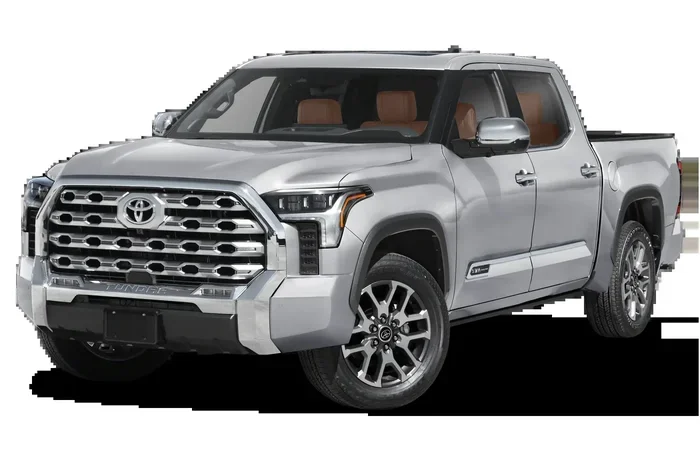
The Toyota Tundra typically weighs between 4,800 and 5,600 pounds, depending on the trim, cab configuration, drivetrain, and optional equipment. Knowing the exact curb weight helps you calculate safe payload capacity, choose the right towing setup, and avoid overloading your truck. Weight also affects braking distance, fuel economy, and resale value. In this guide, we break down the Toyota Tundra weight specs by model year, trim, and configuration so you can find the exact number for your truck. We also explain how to read the door jamb sticker, what factors add or reduce weight, and why these numbers matter for every owner.
If you have ever stood next to a full-size pickup and wondered about its sheer size, you are not alone. Many buyers ask the same question before they buy or tow with a truck. The short answer is simple. The Toyota Tundra weight usually falls between 4,800 and 5,600 pounds, but the exact number depends on your trim, cab, bed, and drivetrain. That range may sound broad, yet it covers a lot of real-world choices. A base work truck and a fully loaded crew cab with a premium interior will not weigh the same. Even small options can shift the scale by a few pounds here and there.
Why does this matter? Because weight touches almost every part of truck ownership. It affects how much you can carry, how well the brakes perform, how much fuel you burn, and even how the truck feels on rough roads. If you plan to tow a boat, a camper, or a utility trailer, knowing the curb weight helps you calculate safe loads. If you haul tools or building materials, you need to know your payload capacity. And if you simply want a truck that feels balanced and predictable, understanding weight is a smart first step.
In this guide, we will walk through the Toyota Tundra specs by trim and configuration. We will explain the difference between curb weight and gross weight, show how 4WD changes the numbers, and share simple ways to find the exact weight of your own truck. You will also learn how weight connects to towing, braking, and everyday driving. By the end, you will have a clear picture of what your Tundra weighs and why it matters.
Key Takeaways
- Curb weight range: The Toyota Tundra generally weighs between 4,800 and 5,600 pounds, depending on trim, cab, and drivetrain.
- Twin-turbo V6 vs. V8: The newer twin-turbo V6 models often weigh slightly more than older V8 versions due to added hardware and reinforced components.
- Cab and bed size matter: Double-cab and crewmax configurations add weight compared to standard cabs, while shorter beds can reduce overall mass.
- 4WD adds pounds: Four-wheel-drive models typically carry 300 to 400 extra pounds over two-wheel-drive versions because of the transfer case and front drivetrain parts.
- Payload vs. curb weight: Curb weight is the truck alone. Payload capacity is the extra weight you can safely carry in cargo and passengers.
- Check the door jamb sticker: The most accurate weight for your specific truck is on the certification label inside the driver door frame.
- Weight affects towing and braking: Heavier trucks need longer stopping distances and careful load balance for safe towing and hauling.
📑 Table of Contents
- How Much Does a Toyota Tundra Weigh by Trim and Cab
- Curb Weight vs. Gross Vehicle Weight: What Is the Difference
- How Much Does a Toyota Tundra Weigh with 4WD vs. 2WD
- Toyota Tundra Weight and Towing: What Owners Should Know
- How to Find the Exact Weight of Your Toyota Tundra
- Why Toyota Tundra Weight Matters for Fuel Economy and Handling
- Expert Insights: Choosing the Right Tundra for Your Needs
- Final Thoughts on Toyota Tundra Weight
How Much Does a Toyota Tundra Weigh by Trim and Cab
The Toyota Tundra weight changes with every major configuration. Trim level is the biggest factor because higher trims add more features, more sound insulation, more luxury pieces, and sometimes heavier wheels or tires. Cab style matters too. A standard cab is lighter than a double cab or a crewmax cab because it has less glass, less interior structure, and fewer comfort features. Bed length can also influence weight, though the difference is usually smaller than the cab and trim effects.
Here is a simple way to think about it. A work-oriented trim with minimal options will sit near the lower end of the range. A luxury-oriented trim with leather, premium audio, advanced safety tech, and larger wheels will sit higher. The drivetrain adds another layer. Four-wheel-drive models carry extra components that increase weight compared to two-wheel-drive versions. If you want the most accurate number, you need to look at your specific build, not just the model name.
Typical Weight Ranges by Configuration
While exact numbers vary by model year and options, you can use these general ranges as a starting point:
- Base or work trim, two-wheel drive: Often near the lighter end, roughly 4,800 to 5,000 pounds.
- Mid-level trims, two-wheel drive: Usually a bit higher due to added comfort and tech features.
- Higher trims, two-wheel drive: Can move closer to 5,100 to 5,300 pounds depending on options.
- Four-wheel-drive models: Add weight across the board, often 300 to 400 pounds more than the same trim in two-wheel drive.
- Crewmax or double cab with luxury options: Typically among the heavier builds, sometimes approaching the upper end of the range.
These ranges give you a practical picture. If you are comparing trucks, remember that small differences add up. A set of all-season tires, a bed liner, a spare tire, and a few convenience packages can change the final number. That is why the door jamb label is so useful. It shows the weight for your exact vehicle, not a generic average.
Curb Weight vs. Gross Vehicle Weight: What Is the Difference
Before you use any weight number, it helps to know which number you are looking at. Curb weight is the weight of the truck as it leaves the factory, with all standard equipment and fluids, but without passengers or cargo. This is the number most people mean when they ask how much a truck weighs. It is also the baseline for many comparisons.
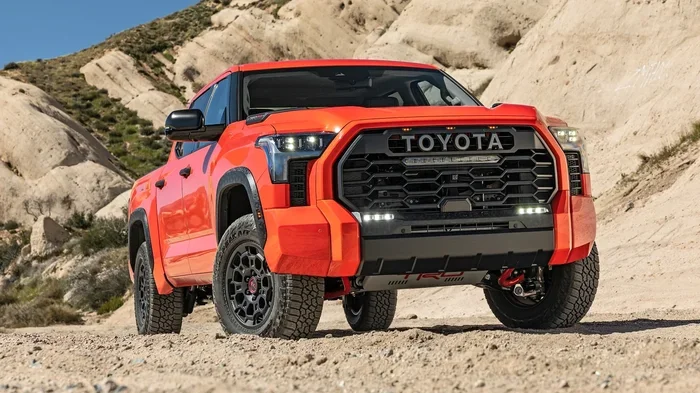
Visual guide about Toyota Tundra exterior shot
Image source: motortrend.com
Gross Vehicle Weight Rating, often called GVWR, is the maximum total weight the truck can safely carry. That includes the truck itself, plus passengers, fuel, cargo, and any accessories you add. This number matters because it sets the safe limit for everything you put in the vehicle. If you exceed the GVWR, you can stress the brakes, suspension, and tires. You may also reduce handling stability.
Why This Distinction Matters for Daily Use
Think of curb weight as the starting point and GVWR as the ceiling. If your truck weighs 5,000 pounds and the GVWR is 6,500 pounds, you have about 1,500 pounds available for people, gear, and fuel. That available space is your payload capacity. It is not just about the bed. It includes everything inside the truck, from the driver and a passenger to tools, coolers, and a full tank of gas.
This is where many owners get surprised. A truck can feel empty, yet still be close to its payload limit once you add a few heavy items. That is why it is smart to check the door jamb sticker and do a quick mental math before loading up. A little planning goes a long way toward safe driving and confident handling.
How Much Does a Toyota Tundra Weigh with 4WD vs. 2WD
One of the clearest weight differences comes from the drivetrain. A Toyota Tundra 4WD model usually weighs more than the same trim in 2WD. The reason is simple. Four-wheel drive adds a transfer case, front differential, front driveshaft, and extra hardware. These parts help power all four wheels, but they also add mass. In many full-size trucks, the 4WD system adds roughly 300 to 400 pounds, though the exact amount depends on the model year and design.
That extra weight is not a flaw. It is the trade-off for better traction in snow, mud, gravel, and other low-grip conditions. Many buyers choose 4WD for confidence and versatility, and the weight difference is usually worth it for those use cases. Still, it is helpful to know how the number changes so you can estimate payload and towing more accurately.
Practical Effects of the Extra Weight
The added mass from 4WD can influence a few everyday things. First, it can slightly reduce fuel economy because the engine moves more weight. Second, it can change how the truck feels when cornering or stopping, especially if the load is not balanced well. Third, it can affect towing calculations, since the truck itself is heavier before you ever hitch a trailer. None of these are deal-breakers. They are just factors to keep in mind.
If you live in a climate with real winter weather, the 4WD option often makes sense. If you mostly drive on dry pavement and want the lightest setup, 2WD can be a sensible choice. Either way, knowing the drivetrain weight difference helps you compare trims with a clearer head.
Toyota Tundra Weight and Towing: What Owners Should Know
Weight and towing are closely connected. A common question is not just how much the truck weighs, but how that weight affects what it can pull. The Toyota Tundra towing capacity depends on the engine, drivetrain, cab, bed, and options, but the truck’s own weight is part of the equation. A heavier truck does not automatically tow less, but it does change the way you calculate safe loads and manage trailer balance.
When you tow, you are dealing with two weight figures that matter a lot: the truck’s curb weight and the trailer’s tongue weight. Tongue weight is the downward force the trailer puts on the hitch. If the truck is heavier, you still need to stay within the payload limit after accounting for passengers, cargo, and the tongue weight from the trailer. That is why some owners who tow frequently watch their truck’s weight closely.
Simple Towing Checklist
If you plan to tow with your Tundra, use this quick checklist before you head out:
- Check the door jamb sticker for your truck’s weight and GVWR.
- Calculate payload by subtracting the truck’s curb weight from the GVWR.
- Add up passengers, cargo, and fuel before you hitch the trailer.
- Estimate tongue weight and make sure the total stays within payload limits.
- Balance the load in the trailer so weight is distributed evenly.
- Verify tire pressure and brake function before towing.
This routine takes only a few minutes, but it can prevent big problems. Towing is not just about horsepower or torque. It is also about staying within safe weight limits and keeping the setup balanced. A truck that is loaded carefully feels steadier, stops more predictably, and tracks better on the highway.
How to Find the Exact Weight of Your Toyota Tundra
If you want the most accurate number for your specific truck, you do not need to guess. You can find it in a few simple ways. The best source is the certification label on the driver door jamb. This sticker lists important vehicle information, including the weight and GVWR. It is specific to your build, so it is more reliable than a general chart.
You can also check your owner’s manual or the original build details if you have them. Another option is to weigh the truck at a scale, such as a truck stop or a local scale facility. That gives you the real-world weight with your current fuel level, accessories, and options. If you want a quick reference, you can look up the approximate weight for your trim and configuration, but the door jamb label is the gold standard.
Quick Tips for Reading the Label
When you open the door and look at the sticker, focus on a few key items:
- Curb weight or vehicle weight if listed directly.
- GVWR so you know the maximum safe total weight.
- Payload capacity if it is shown, because it tells you how much extra weight you can carry.
- Tire and pressure information since weight and tires work together.
If the label is faded or missing, you can still get a solid estimate from the trim and drivetrain. Just remember that options, accessories, and fuel can shift the final number. For the most precise result, a scale is the best choice.
Why Toyota Tundra Weight Matters for Fuel Economy and Handling
Weight influences more than towing and payload. It also affects fuel economy and handling. A heavier truck usually needs more energy to accelerate and more distance to stop. That does not mean it is unsafe or inefficient by default. It simply means the truck’s weight becomes part of how you drive and plan your trips. Smooth acceleration, steady braking, and mindful loading can make a big difference.
Handling is another area where weight shows up. A full-size truck is already large and tall, so the mass of the vehicle interacts with the suspension, tires, and steering. When the truck is loaded close to its limit, the ride can feel more planted, but the steering may feel heavier and the stopping distance may increase. When the truck is lighter, it often feels quicker to respond. Neither setup is wrong. They just behave differently.
Common Mistakes to Avoid
Here are a few common mistakes owners make when thinking about truck weight:
- Confusing curb weight with payload. Remember that payload is what you can add, not what the truck already weighs.
- Forgetting passengers and fuel. These count toward the total weight, not just the cargo in the bed.
- Overloading the bed without checking limits. Heavy items can push you near the GVWR faster than you expect.
- Ignoring tongue weight when towing. A trailer can use up payload quickly if the load is not balanced.
- Assuming all trims weigh the same. Higher trims and 4WD setups usually add noticeable weight.
Avoiding these mistakes is mostly about awareness. Once you know the basic numbers and what they mean, it becomes easy to load the truck safely and drive with confidence.
Expert Insights: Choosing the Right Tundra for Your Needs
If you are shopping for a Tundra, weight is one of the factors worth considering early. Think about how you will use the truck most often. If your main goal is daily driving with occasional light hauling, a lighter setup may feel easier to live with. If you need traction in winter or plan to tow regularly, a 4WD model may be the better fit, even with the extra weight. The right choice depends on your real-world use, not just the spec sheet.
It also helps to match the truck to your typical loads. If you often carry heavy tools, equipment, or passengers, look closely at payload and GVWR. If you plan to tow a trailer, think about the full picture: truck weight, trailer weight, tongue weight, and the safe limits of your setup. A truck that fits your routine will feel more useful and less stressful every day.
Key Takeaways for Buyers
Here is a quick summary to help you decide:
- Start with your use case. Daily driving, towing, off-road use, and work duties all point to different priorities.
- Compare trims honestly. More features usually mean more weight, so choose only the options you truly need.
- Think about drivetrain. 4WD adds weight but can improve confidence in rough conditions.
- Check the door jamb sticker. It gives the most accurate weight for your exact truck.
- Keep payload in mind. The safe limit includes people, fuel, cargo, and trailer tongue weight.
When you look at the Toyota Tundra weight this way, it stops being just a number on a chart. It becomes a practical tool that helps you choose the right truck and use it safely.
Final Thoughts on Toyota Tundra Weight
So, how much does a Toyota Tundra weigh? In most cases, the answer sits in a range that reflects your trim, cab, bed, and drivetrain. That range is useful, but the exact number for your truck matters even more. Once you know the curb weight and the GVWR, you can make smarter choices about cargo, towing, and daily driving. You will also have a better sense of how the truck behaves on the road and how to load it safely.
The best habit is simple. Check the door jamb label, do a quick payload calculation before heavy loads, and keep weight balance in mind when towing. Those small steps make a big difference. Whether you drive a base model or a fully loaded Tundra, understanding weight helps you get the most from your truck with confidence and peace of mind.
Frequently Asked Questions
How much does a Toyota Tundra weigh on average?
On average, a Toyota Tundra weighs between 4,800 and 5,600 pounds, depending on trim, cab style, bed length, and drivetrain. Higher trims and four-wheel-drive models usually sit at the heavier end of that range.
Does the Toyota Tundra weigh more with 4WD?
Yes, a Toyota Tundra 4WD model usually weighs more than the same trim in 2WD because of the extra drivetrain components. The difference is often around 300 to 400 pounds, though the exact number varies by model year and setup.
How do I find the exact curb weight of my Toyota Tundra?
The easiest way is to check the certification label on the driver door jamb, which lists weight information for your specific vehicle. You can also weigh the truck on a scale or review the original build details if you have them.
What is the difference between curb weight and payload capacity?
Curb weight is the weight of the truck itself with fluids and standard equipment, while payload capacity is the extra weight you can safely add in passengers, cargo, and fuel. Payload is the space left between curb weight and the GVWR.
Why does Toyota Tundra weight matter for towing?
Toyota Tundra weight matters for towing because the truck’s own weight affects payload limits, braking, and how you calculate tongue weight. Staying within safe weight limits helps the truck tow more securely and handle better on the road.
Do higher trim levels make the Toyota Tundra heavier?
Usually, yes. Higher trim levels often include more comfort features, sound insulation, luxury materials, and larger wheels, which can increase the Toyota Tundra weight compared with a base or work-oriented trim.