
The Toyota 4Runner remains a top choice for rugged adventure seekers, with 2024 prices ranging from around $37,000 to over $55,000 depending on trim and options. Understanding the true cost goes beyond the sticker price, as factors like financing, insurance, fuel economy, and long-term reliability play a huge role. This guide breaks down every trim level, hidden expenses, and smart buying strategies so you can drive away with confidence. Whether you need a daily driver or a weekend trail companion, knowing exactly how much is a Toyota 4Runner helps you plan your budget without surprises.
If you have ever stared at a dealership window and wondered how much is a Toyota 4Runner, you are not alone. This truck has built a loyal following for years, and that reputation comes with a price tag that deserves a close look. The 2024 lineup offers a mix of practical daily driving and serious off-road capability, which means the final number depends on what you actually need. Some buyers want a simple work truck. Others want a luxury-friendly adventure rig. Both paths lead to different prices, and both deserve a clear breakdown.
Buying a vehicle is never just about the sticker on the window. You also need to think about financing, insurance, fuel, maintenance, and how long you plan to keep the truck. A lower upfront price can sometimes hide higher long-term costs, while a more expensive trim might save you money later through better features and reliability. That is why a full price guide matters. It helps you compare apples to apples and avoid buyer regret.
In this guide, we will walk through the 2024 Toyota 4Runner pricing structure, trim-by-trim differences, ownership costs, and smart ways to stretch your budget. You will also find practical tips, common mistakes to avoid, and answers to the questions buyers ask most. By the end, you will know exactly what to expect and how to make a confident decision.
Key Takeaways
- Starting MSRP sits near $37,000 for the base SR trim, while fully loaded TRD Pro and Limited models can exceed $55,000.
- Trim level drives the biggest price jump, with each step up adding comfort, tech, and off-road hardware that changes the total cost.
- Ownership expenses matter just as much as the purchase price, including insurance, fuel, maintenance, and potential depreciation.
- Financing and incentives can shift the final number, so comparing loan terms and checking for dealer promotions saves real money.
- Used and certified pre-owned models offer strong value, often letting you step up to a higher trim for less money.
- Researching total cost of ownership prevents budget shocks, especially if you plan to tow, modify, or drive in extreme conditions.
- Shopping multiple dealerships and timing your purchase can unlock better pricing, especially near model year changes or holiday sales.
📑 Table of Contents
Understanding How Much Is a Toyota 4Runner in 2024
The short answer is that how much is a Toyota 4Runner depends on the trim, options, destination charge, and any dealer adjustments. For 2024, the base model starts near the mid-$30,000 range, while top-tier trims can push well into the mid-$50,000 range. That spread may feel wide, but it reflects the difference between a no-frills utility vehicle and a fully equipped off-road or luxury-leaning package.
Toyota keeps the 4Runner line focused on durability, resale value, and rugged versatility. That strategy usually means strong demand, which can affect negotiation room. Some shoppers find the listed price firm, while others discover room to negotiate on options, documentation fees, or add-ons. The key is to know the baseline before you walk into a dealership.
Here is a simple way to think about the price ladder:
- Base trims focus on essential utility and lower cost.
- Mid-level trims add comfort, technology, and styling.
- Top trims bring advanced off-road hardware, premium materials, and extra convenience features.
If you are comparing the 4Runner to other compact trucks or SUVs, it helps to look at the full picture. Some rivals may appear cheaper at first glance, but the 4Runner often stands out for long-term durability and strong resale value. That can make the total cost of ownership more attractive over time.
Trim Levels and What They Cost
Trim selection is the biggest factor in how much is a Toyota 4Runner for your specific needs. Each trim targets a different buyer, and the feature gaps between them can be substantial. Below is a practical look at the main trims and what you typically get at each step.

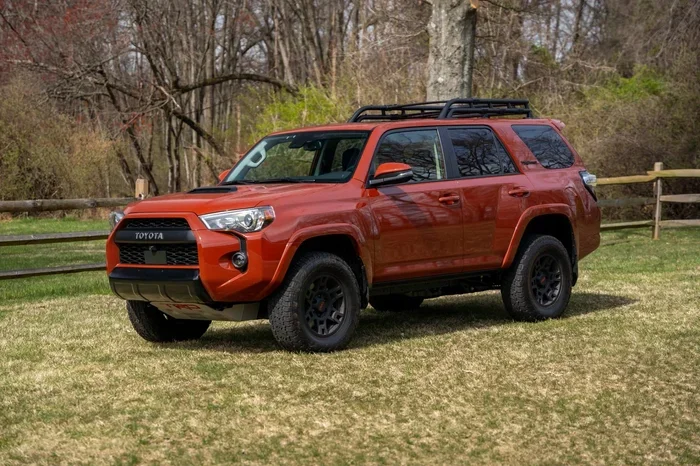
Visual guide about Toyota 4Runner 2024 model
Image source: platform.cstatic-images.com
SR Trim Overview
The SR trim is the entry point for buyers who want the 4Runner identity without extra luxury features. It usually carries the lowest starting price and keeps the focus on utility. You get the core SUV structure, dependable performance, and a straightforward interior. For many budget-conscious shoppers, this is the most direct answer to how much is a Toyota 4Runner if they want to keep the purchase price modest.
Expect the SR to offer the essentials rather than premium comfort. That means functional materials, practical seating, and a solid driving experience. If your priority is value and you do not need every convenience feature, this trim makes sense.
SR5 Trim Overview
The SR5 is often the sweet spot for families and casual adventurers. It adds more comfort, more technology, and a more polished look than the base trim. Many buyers land here because it balances price and features in a way that feels practical for daily use. When people ask how much is a Toyota 4Runner for a family-friendly setup, the SR5 often becomes the benchmark.
This trim typically brings a more complete interior package, better tech integration, and more style choices. It is a strong option if you want a truck that feels comfortable on the highway but still ready for dirt roads or light off-road use.
TRD Off-Road and TRD Pro Trims
If your plans include rougher terrain, the TRD Off-Road and TRD Pro trims step up the capability game. These versions usually cost more because they include specialized suspension tuning, protective hardware, and off-road-focused equipment. For buyers who care about trail performance, how much is a Toyota 4Runner becomes a question about capability as much as price.
The TRD Off-Road trim generally targets serious hobbyists who want better ground clearance, more rugged tuning, and trail-ready features. The TRD Pro often goes further with premium off-road components and a more distinct look. These trims can carry a noticeable price premium, but they also deliver a more specialized driving experience.
Limited and Premium Trims
On the more comfort-oriented side, the Limited trim leans into luxury-style features and a refined interior. This is the path for buyers who want a capable SUV that also feels polished every day. If you are wondering how much is a Toyota 4Runner with a higher level of convenience and finish, this trim usually sits above the mid-range options.
Premium trims often add better materials, more driver aids, and extra convenience technology. They can make the 4Runner feel more like a lifestyle vehicle and less like a pure workhorse. That comfort comes at a cost, but many buyers find it worthwhile if they spend lots of time on pavement.
TRD Sport and Specialized Packages
Some versions focus on styling and sporty presentation rather than extreme off-road hardware. These trims can appeal to buyers who want a sharper look and a more tuned street presence. They may also include unique wheels, suspension tuning, and cosmetic touches that change the price. When shopping, it helps to compare these packages carefully so you know whether you are paying for performance, appearance, or both.
Options, Packages, and Hidden Costs
The base MSRP is only the starting point. Once you add packages, protection plans, and dealer extras, the final number can shift quickly. That is why how much is a Toyota 4Runner should always include a look at the optional equipment that matters to you.
Common add-ons that affect price include:
- Wheels and tire packages that change appearance and road behavior.
- Technology upgrades such as enhanced audio, navigation, or connectivity features.
- Protection and convenience packages that may include weather shields, bed accessories, or trim-specific hardware.
- Destination charges and documentation fees that appear on almost every new vehicle contract.
It is easy to overlook these extras during the excitement of shopping. A smart buyer decides in advance which options are truly worth it. If you do not need a premium audio system or a specific wheel design, skipping it can keep the price closer to your target.
Another cost factor is the difference between new and used. A used 4Runner may cost less upfront, but you should still check service history, condition, and remaining warranty coverage. Sometimes a slightly older model with higher mileage still offers excellent value because the biggest depreciation hit has already happened.
Real Ownership Costs Beyond the Sticker Price
Many buyers focus only on the purchase price, but the real question is often broader: how much is a Toyota 4Runner over time? Ownership costs can include insurance, fuel, routine maintenance, tires, and occasional repairs. The 4Runner has a reputation for durability, which can help keep long-term expenses predictable, but it is still important to plan ahead.
Here are the main ownership costs to consider:
- Insurance premiums vary by location, driving history, trim level, and usage.
- Fuel costs depend on engine choice, driving habits, and how often you tow or drive off-road.
- Routine maintenance includes oil changes, filters, brakes, and tires, which all add up over time.
- Depreciation and resale value matter if you plan to sell or trade in the vehicle later.
One reason the 4Runner stays popular is that it tends to hold value well. That can be a double-edged sword. It means your trade-in may stay stronger than expected, but it also means new prices can remain firm because demand stays high. When budgeting, think in terms of five years, not just the day you buy the truck.
If you plan to use the vehicle for towing, frequent off-roading, or heavy daily commuting, those habits can increase wear and fuel use. A trim that looks affordable may not be the cheapest in practice if it leads to higher fuel consumption or more frequent maintenance.
Quick Tips for Lowering Total Cost
- Choose only the options you will actually use. Extra features feel good, but they also raise the price.
- Compare insurance quotes before buying. A different trim or deductible can change your monthly budget.
- Plan maintenance on a schedule. Preventive care usually costs less than waiting for problems to grow.
Common Mistakes to Avoid
- Focusing only on monthly payments. A low payment can hide a higher total price.
- Ignoring dealer add-ons. Some extras are useful, but others are overpriced and easy to skip.
- Assuming all trims cost the same to own. Features, weight, and usage can affect long-term expenses.
Expert Insights on Pricing and Value
From a buying perspective, the best approach is to separate wants from needs before you start shopping. If you truly need off-road hardware, then paying more for a TRD trim may be justified. If you mostly drive on paved roads, a lower trim may deliver the same core experience at a better price. That simple distinction often answers how much is a Toyota 4Runner for your situation more accurately than any generic price list.
It also helps to think about resale value early. The 4Runner is known for staying desirable on the used market, which can work in your favor if you plan to upgrade later. A vehicle that keeps its value can be a smarter financial choice than one that looks cheaper today but loses value faster tomorrow.
Another expert tip is to compare the 4Runner with other Toyota models if your needs are more city-focused. Some buyers start with the 4Runner and realize a different Toyota SUV or sedan fits their lifestyle better. For example, if you want a lower starting price and a more fuel-efficient daily driver, you may want to compare options like the Toyota Corolla or the Toyota RAV4. If you need more space for passengers and cargo, the Toyota Highlander may also deserve a look.
The right choice depends on how you plan to use the vehicle. The 4Runner shines when you want toughness, versatility, and a strong reputation for lasting a long time. Other models may make more sense if your priorities lean toward lower cost, better fuel economy, or more passenger room.
How to Get the Best Deal on a 4Runner
Getting a good price is less about luck and more about preparation. If you know how much is a Toyota 4Runner in the trim you want, you can shop with confidence and avoid pressure tactics. The best deals usually go to buyers who are clear, patient, and willing to compare offers.
Start by deciding your target trim and your maximum budget. Then contact multiple dealerships and ask for out-the-door price estimates. That approach makes it easier to compare offers because you are looking at the full cost, not just the monthly payment. It also helps to ask what is included in the price and whether any accessories or fees can be removed.
Timing can matter too. Dealerships may be more flexible at certain times of the month, during promotional events, or near the end of a model year. Even if the 4Runner holds its value well, there can still be room to negotiate on options, trade-in value, or financing terms.
If you are open to a used or certified pre-owned model, you may find a higher trim for a lower price. That can be a smart move if you want more features without stretching your budget. Just make sure to inspect the vehicle carefully and verify service records, especially if the truck has seen off-road or heavy use.
Key Takeaways for Smart Buyers
- Know your trim target before shopping. It keeps you focused and reduces upsell pressure.
- Compare out-the-door prices. That gives you the real number, not just a marketing price.
- Consider used models if you want more features for less. A well-checked pre-owned 4Runner can be excellent value.
- Think long term. Reliability, resale value, and maintenance costs matter as much as the purchase price.
If you are still weighing your options, it can help to step back and ask a simple question: what do I actually need this vehicle to do? The answer often clarifies whether the 4Runner is the best fit or whether another Toyota model better matches your budget and lifestyle. For buyers curious about Toyota ownership costs more broadly, it can also be useful to explore topics like Toyota Remote Connect pricing or even wrapping a Toyota Highlander if customization is part of your plan.
The 4Runner continues to earn its place because it delivers a dependable mix of strength, practicality, and long-term appeal. Once you understand the trim differences, the option costs, and the ownership picture, the price becomes much easier to evaluate. That is the real value of a good price guide: it turns a confusing shopping process into a clear decision.
Conclusion
So, how much is a Toyota 4Runner in 2024? The answer depends on the trim, options, and how you plan to use the truck, but the lineup gives you a range that can fit different budgets and goals. The base trims offer a more affordable entry point, while the higher trims add comfort, technology, and off-road capability at a higher cost. Beyond the sticker price, it is wise to factor in insurance, fuel, maintenance, and resale value so you understand the full financial picture.
If you approach the purchase with a clear budget and a realistic idea of your needs, you are far more likely to land on the right model. The 4Runner has earned its strong reputation by offering durability and versatility, and that makes it worth evaluating carefully. Take your time, compare offers, and choose the trim that matches both your lifestyle and your wallet.
Frequently Asked Questions
How much does a Toyota 4Runner start at in 2024?
The starting price for a 2024 Toyota 4Runner depends on the trim, but the base model typically begins in the mid-$30,000 range before options and fees. Keep in mind that destination charges, dealer fees, and added packages can raise the final out-the-door cost.
Which Toyota 4Runner trim is the best value?
The best value trim depends on your needs, but many buyers find the SR5 offers a strong balance of comfort, technology, and price. If you want more off-road capability, the TRD Off-Road may be worth the extra cost, while the Limited suits buyers who prefer a more refined daily driver.
Why are Toyota 4Runners so expensive?
The 4Runner often carries a firm price because it is known for durability, strong resale value, and steady demand. Its rugged design, capable platform, and long-term popularity also help keep prices from dropping quickly.
Is it cheaper to buy a new or used Toyota 4Runner?
A used 4Runner usually costs less upfront, but a new model can offer the latest features, full warranty coverage, and fewer unknowns about past use. The better choice depends on whether you prioritize lower initial cost or peace of mind and modern equipment.
What extra costs should I expect when buying a 4Runner?
Beyond the sticker price, expect destination charges, documentation fees, insurance, fuel, and routine maintenance. Optional packages, protection plans, and dealer accessories can also increase the total price, so it helps to review every line item before signing.
Does the Toyota 4Runner hold its value well?
Yes, the 4Runner is widely recognized for strong resale value compared with many other SUVs and trucks. That can be a major advantage if you plan to sell or trade it in later, though it also means new models often stay in demand.