

Is your Toyota remote acting up? how to change a Toyota key fob battery is easier than you think, and you can fix it at home in just a few minutes. We will walk you through the right battery type, safe opening steps, and simple testing tricks. You will save time, avoid dealer fees, and get back on the road faster. Let’s get your key fob working like new again.
Few things feel more annoying than a key fob that stops working right when you need it. You press the buttons, and nothing happens. The lights stay dark, and the car ignores your signals. The good news is that this problem is usually simple. In most cases, the issue is just a dead coin cell. If you know how to change a Toyota key fob battery, you can fix this problem at home without waiting for a dealership.
This guide keeps things easy. You do not need special tools or advanced skills. A small flat tool, a fresh battery, and a few careful steps are enough. We will show you how to open the remote safely, swap the old cell, and test the signal. You will also learn how to avoid common mistakes that can damage the shell or confuse the battery orientation.
Before we dive in, it helps to understand why these remotes fail. The tiny battery inside sends a signal to your car. Over time, that cell loses power. Temperature changes, age, and heavy use can speed up the process. When the signal weakens, your locks, trunk, and panic button may stop responding. Replacing the cell brings the system back to life in most cases.
Key Takeaways
- Use the correct battery: Most Toyota remotes need a CR2032, but always confirm the exact model first.
- Open the fob carefully: Use a gentle prying method to avoid cracking the plastic shell.
- Match the battery orientation: The positive and negative sides must face the right direction for power to flow.
- Test before reassembly: Press the buttons after replacing the cell to confirm the signal works.
- Clean contacts if needed: Dust or corrosion can block power, so wipe the terminals gently.
- Keep a spare battery handy: A small emergency kit prevents future lockouts and stress.
- Try the backup key: If the remote still fails, use the physical key to rule out other issues.
📑 Table of Contents
Why Your Toyota Key Fob Battery Dies
Every remote runs on a small power source that works constantly. Even when you are not pressing buttons, the chip stays ready to send a signal. That steady readiness slowly drains the cell. Most Toyota remotes use a common coin battery, and these cells usually last several years. Still, the exact lifespan depends on usage, storage, and climate.
Hot cars and freezing garages can shorten battery life. So can carrying the remote in a pocket with other metal items. If your fob is used often, the cell may wear out sooner. Some owners also notice weaker range before the battery fully dies. That early warning is your chance to replace the cell before you get stranded.
A dead battery is not the only possible issue, but it is the easiest one to check. If the car does not respond, start with the power source. This saves time and helps you avoid unnecessary repairs. Once you know the remote has fresh power, you can look at other causes if needed.
Signs Your Remote Needs a New Cell
Watch for small changes before the fob stops working completely. These clues often appear early:
- Weak range: You must stand closer to the car for the signal to work.
- Unresponsive buttons: One or more buttons feel dead or inconsistent.
- Dashboard warnings: Some models show a key or battery alert on the display.
- Intermittent function: The remote works sometimes and fails other times.
If you notice these signs, replace the cell soon. Waiting until the fob fails completely can make the swap more stressful. A quick replacement is much easier than dealing with a lockout.
Choosing the Right Toyota Key Fob Battery
Not every remote uses the same battery. That is why the first step is identifying your exact fob style. Many Toyota remotes use a CR2032 coin cell, but some models may use a different size. The safest approach is to check the old battery after opening the case. You can also check the owner’s manual or the part number printed inside the shell.
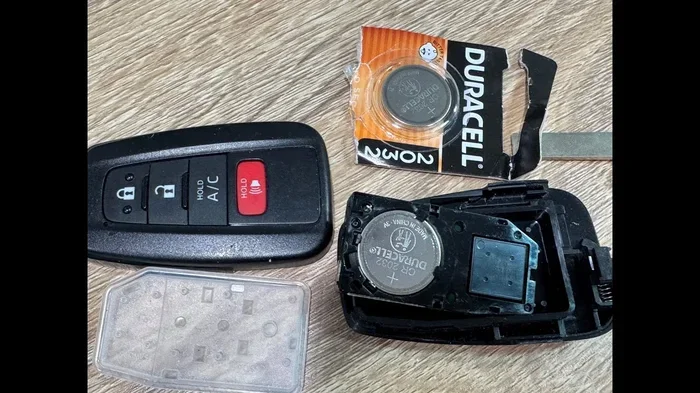
Visual guide about Toyota key fob battery replacement
Image source: i.ytimg.com
Using the correct battery matters. A cell that is too thick or too thin may not sit properly. A wrong voltage or chemistry can also cause poor performance. Stick with a trusted brand if possible. Quality cells usually hold power longer and fit more reliably.
Here is a simple comparison to help you understand common options:
| Battery Type | Common Use | Notes |
|---|---|---|
| CR2032 | Most Toyota key fobs | Widely available and reliable |
| CR2025 | Some thinner remotes | Slightly less capacity |
| CR1632 | Smaller or older styles | Check fit before buying |
Before you buy, count how many remotes you own. If one fails, the others may age at a similar rate. Replacing all of them at once can save future hassle. It also helps to keep one spare cell in your home or glovebox. A small backup plan makes life easier.
Where to Buy a Replacement
You can find coin batteries at many stores. Auto parts shops, electronics retailers, and online sellers all carry them. Look for packs that include fresh dates. Old stock can lose power before you even install it. If you are in a rush, local stores are usually the fastest option.
If you want convenience, buy a small multi-pack. That way, you have a spare for later. Just store the extra cells in a cool, dry place. Heat and moisture can shorten their shelf life.
How to Open Your Toyota Key Fob Safely
Opening the remote is the part that makes people nervous. The shell is usually small and snapped together tightly. If you force it, you can crack the plastic. The goal is to separate the pieces gently and keep everything aligned.
Start by checking the fob for a small release slot or seam. Some models have a tiny groove where a flat tool can slide in. Others hide the opening near the key blade. If your remote has a physical key, remove it first. That step often makes the case easier to open.
Use a thin, flat tool such as a small screwdriver, a coin, or a plastic pry tool. Slide it into the seam and apply light pressure. You should hear a soft click as the clips release. Work slowly around the edges instead of forcing one side open. Patience prevents damage.
Helpful Opening Tips
- Work on a soft surface: Use a towel or mat so small parts do not get lost.
- Keep the key blade out: Removing it first creates more room and reduces stress on the case.
- Use gentle pressure: Let the tool do the work. Do not twist or bend the shell.
- Watch for hidden clips: Some fobs have multiple release points, so open them evenly.
If the case feels stuck, stop and check for a missed seam. Forcing it can break the housing. A careful approach is much better than a quick rip. Once the shell opens, note how the pieces fit together. That memory will help during reassembly.
Step-by-Step Guide to Swap the Battery
Now comes the main part. This process is simple when you take it one step at a time. The most important rule is to handle the battery carefully and pay attention to direction. A coin cell has a positive side and a negative side, and the remote needs the correct orientation.
Follow these steps:
- Remove the old battery: Note which side faces up before you take it out.
- Clean the compartment: Brush away dust or debris if needed.
- Insert the new battery: Match the polarity exactly as the old one was placed.
- Check the fit: Make sure the cell sits flat and does not wobble.
- Reassemble the fob: Press the shell back together until the clips engage.
- Test the buttons: Confirm that the remote sends a signal.
If the battery does not seem to work after reassembly, open it again and verify the placement. A reversed cell is one of the most common mistakes. It is easy to fix, but it can make the remote look dead.
Testing After Replacement
Once the new cell is in place, test the remote right away. Stand near the car and press the lock and unlock buttons. If the vehicle responds, the swap was successful. If the range seems short, try a different position or check whether the battery is seated correctly.
You can also test the trunk or panic button if your remote has them. This helps confirm that every function is working. If one button fails while others work, the issue may be with the switch rather than the battery. In that case, the remote may need further attention.
Common Mistakes to Avoid
Even a simple repair can go wrong if you rush. A few small errors cause most problems. Avoiding them makes the job smoother and protects your remote.
- Forcing the case open: This can crack the plastic or damage internal clips.
- Ignoring battery orientation: A reversed cell will not power the circuit correctly.
- Using an old battery: Shelf-life matters, so check freshness when buying.
- Dropping small parts: Loose pieces can disappear quickly if you work on a hard surface.
- Skipping the test: Reassembling without testing can mean doing the job twice.
Another common mistake is assuming the battery is the only issue. If the new cell does not solve the problem, the fob may have a different fault. In that case, try the spare key or inspect the buttons for wear. A careful check saves time and frustration.
Quick Tips for a Smooth Fix
- Use good lighting: A bright area helps you see the battery polarity and tiny clips.
- Keep your hands steady: Small parts are easier to handle when you move slowly.
- Take a photo before closing: A quick picture can help if reassembly feels confusing.
- Store spares safely: Extra batteries last longer when they stay dry and cool.
When the New Battery Does Not Fix the Problem
Sometimes the remote still fails after the swap. That can feel frustrating, but it is not uncommon. The next step is to narrow down the cause. Start by testing the spare key if you have one. If the spare works normally, the first remote may have a hardware issue.
If both remotes fail, the problem may involve the car’s receiver or settings. A dead car battery can also affect keyless systems. In some cases, the remote may need to be reprogrammed. That step varies by model, so check the manual for instructions that match your vehicle.
Do not assume the worst right away. Many key fob issues are simple. A weak signal, a dirty contact, or a misaligned shell can all create trouble. Work through the basics first. If the remote still will not respond, professional help may be the best next step.
Expert Insights for Long-Term Reliability
A little care goes a long way with key fobs. Try not to drop the remote often, since repeated impact can loosen internal parts. Keep it away from moisture when possible. If you carry it with keys or coins, the metal contact may scratch the shell or interfere with the buttons.
It also helps to replace the battery before it fails completely. If you notice weaker range, treat that as an early warning. A proactive swap is easier than an emergency fix. Many owners find it useful to check the remote during routine car cleaning or maintenance.
If you own more than one Toyota vehicle, keep a small note of the battery type each one uses. That simple habit makes future replacements faster. You will not have to guess when a remote stops working.
Final Thoughts on Replacing Your Remote Cell
Learning how to change a Toyota key fob battery is a small skill that can save you a lot of stress. The process is quick, affordable, and doable at home. With the right battery, a careful opening method, and a simple test, most remotes work like new again. You do not need to wait for a service appointment for a basic power issue.
Take your time, follow the steps, and keep the shell protected while you work. Store a spare battery nearby so the next replacement is even easier. If the remote still acts up after the swap, use the backup key and check for other possible causes. A calm, methodical approach usually solves the problem faster than guessing.
Your key fob is a small tool, but it plays a big role in daily driving. Keeping it powered and in good shape makes every trip smoother. With this guide, you are ready to handle the next battery change with confidence.
Frequently Asked Questions
What battery does a Toyota key fob usually use?
Most Toyota key fobs use a CR2032 coin battery, but some models may use a different size. Always open the remote or check the manual to confirm the exact battery type before buying a replacement.
How long does it take to replace a Toyota key fob battery?
The swap usually takes only a few minutes once you have the correct battery and a small tool. The longest part is often opening the shell carefully without cracking the plastic.
Can I change the battery without breaking the key fob?
Yes, you can avoid damage by using gentle pressure and a thin tool at the seam. Work slowly, release the clips evenly, and keep the remote on a soft surface while you open it.
What should I do if the remote still does not work after replacing the battery?
Check the battery orientation first, then test the buttons again near the car. If it still fails, try the spare key and look for other issues such as a dirty contact or a car battery problem.
Do I need to reprogram the key fob after changing the battery?
In many cases, no reprogramming is needed after a simple battery replacement. If the remote still does not respond, the vehicle or remote may need resetting, so check the manual for model-specific steps.
Where can I buy a replacement battery for my Toyota key fob?
You can buy a replacement at auto parts stores, electronics shops, and online retailers. Look for a fresh pack with the correct size, and keep an extra cell stored in a cool, dry place.