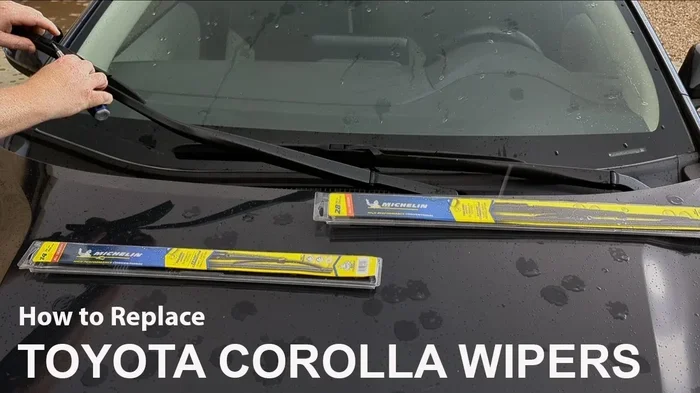

Replacing your Toyota windshield wipers is a quick and simple task that anyone can do at home. With the right size blades and a few basic steps, you can restore clear visibility in just minutes. This guide walks you through the exact process for most Toyota models, so you can skip the dealership and handle it yourself.
Key Takeaways
- Correct wiper size matters: Always check your owner manual or use a fit guide to buy the right Toyota windshield wipers for your specific model and year.
- Simple replacement process: You can change Toyota windshield wipers in under ten minutes with no special tools required.
- Safety first: Never let the bare metal wiper arm snap back against the glass, as it can crack or chip your windshield.
- Regular maintenance improves safety: Replacing worn blades every six to twelve months keeps your view clear during rain and snow.
- Know your attachment style: Toyota vehicles use different connector types, so identify yours before buying new blades.
- Test after installation: Always run the wipers with washer fluid to check for skipping, streaking, or improper contact.
- DIY saves money: Learning how to change Toyota windshield wipers yourself avoids dealership fees and keeps your car maintenance budget low.
📑 Table of Contents
- Why You Should Learn How to Change Toyota Windshield Wipers
- Choosing the Right Toyota Windshield Wipers for Your Vehicle
- How to Change Toyota Windshield Wipers Step by Step
- Common Mistakes to Avoid When Replacing Toyota Wipers
- Expert Tips for Better Wiper Performance and Longer Life
- Frequently Asked Questions About Toyota Windshield Wipers
Why You Should Learn How to Change Toyota Windshield Wipers
Keeping your Toyota windshield wipers in good shape is one of the easiest ways to stay safe on the road. Rain, snow, and even heavy dust can turn a clear drive into a stressful one if your blades are worn out. The good news is that you do not need a mechanic to handle this job. In fact, how to change Toyota windshield wipers is a skill that takes just a few minutes to learn and pays off every time the weather turns bad.
Many car owners wait until their wipers start squeaking or leaving streaks before they think about replacement. That is a mistake. Old rubber hardens, cracks, and loses its grip on the glass. When that happens, your visibility drops right when you need it most. By learning how to change Toyota windshield wipers on your own, you can swap out old blades before they fail you during a storm.
Another reason to tackle this yourself is the cost. Dealerships and repair shops often charge extra for simple wiper replacements. When you buy Toyota windshield wipers online or at an auto parts store, you only pay for the blades. You also avoid waiting in line or scheduling an appointment. Plus, once you know the process, you can help friends and family with their vehicles too.
When Should You Replace Your Wipers?
Most experts recommend swapping out wiper blades every six to twelve months. The exact timing depends on your local weather and how often you use them. If you live in a hot, sunny area, the sun can bake the rubber and cause it to crack. In colder regions, ice and snow can tear the blade edge. Watch for these warning signs:
- Streaking or smearing: The blade leaves thin lines or hazy patches across the glass.
- Skipping or chattering: The wiper jumps or vibrates instead of gliding smoothly.
- Squeaking noises: A high-pitched sound usually means the rubber is dry or damaged.
- Visible cracks or tears: Run your finger along the edge to feel for rough spots or missing rubber.
- Poor clearing: The blade misses corners or fails to wipe away water in one pass.
If you notice any of these issues, it is time to look into new Toyota windshield wipers. Waiting too long can strain your wiper motor and scratch the windshield, so early replacement is always the smarter choice.
Choosing the Right Toyota Windshield Wipers for Your Vehicle
Before you start the replacement, you need to find the correct blade size for your car. Not all Toyota windshield wipers are the same size, and using the wrong fit can cause poor performance or even damage the glass. The easiest way to get the right match is to check your owner manual or use an online fit guide. You will usually need your vehicle year, make, and model.
Toyota vehicles often use different wiper arm styles and connector types. Some models use a hook slot, while others use a pin arm or a side lock system. Knowing your attachment style helps you buy blades that slide on quickly without forcing or bending the arm. Many aftermarket blades also come with multiple adapter options, which makes installation much easier.
Common Toyota Wiper Sizes by Model
While sizes can vary by year and trim, here is a general reference to help you shop:
- Toyota Corolla: Usually uses a 26-inch driver side and a 18-inch passenger side.
- Toyota Camry: Often fits a 26-inch driver side and a 18-inch passenger side, though some trims differ.
- Toyota RAV4: Commonly uses a 26-inch driver side and a 18-inch passenger side.
- Toyota Highlander: May use larger blades, often around 26 inches on the driver side and 18 to 20 inches on the passenger side.
- Toyota Tacoma: Typically uses a 26-inch driver side and a 18-inch passenger side, but always verify for your model year.
Keep in mind that these numbers are general guidelines. Always double-check the fit before you buy. The right Toyota windshield wipers should sit flat against the glass and follow the curve of the windshield without lifting at the edges.
Standard vs. Beam Blades: Which One Should You Pick?
You will usually see two main blade styles when shopping for Toyota windshield wipers. Standard blades use a metal frame with multiple pressure points. Beam blades use a single curved spring steel spine covered in rubber. Both can work well, but they have different strengths.
Standard blades are often more affordable and easy to find. They work nicely for everyday driving in mild weather. Beam blades tend to handle heavy rain and snow better because they apply even pressure across the whole blade. They also resist ice buildup more effectively in cold climates. If you want a low-profile look and better performance in harsh weather, beam blades are worth considering.
How to Change Toyota Windshield Wipers Step by Step
Now let us walk through the actual replacement process. This method works for most Toyota models, and you do not need any special tools. Just take your time and follow each step carefully. Once you understand how to change Toyota windshield wipers, you will be able to do it quickly next time too.
Step 1: Park Safely and Turn Off the Wiper System
Start by parking your car on a flat surface and turning off the engine. Make sure the wipers are in the off position. If your wipers are currently running, stop them before you begin. It is also a good idea to lift the wiper arms away from the windshield gently so you have room to work.
Some Toyotas have a wiper service position that lifts the arms automatically. If your vehicle has that feature, use it according to the instructions in your owner manual. If not, simply raise the arms by hand. Be careful not to let them snap back against the glass, because that can cause cracks or chips.
Step 2: Identify the Wiper Arm Attachment
Before you remove the old blade, look at the connection point where the blade meets the arm. Toyota vehicles may use a hook, side lock, or push-button release. Knowing the attachment style helps you remove the blade without damaging the arm or the new wiper.
If you are unsure, check the old blade packaging or the new blades you bought. Many packages include diagrams for common connector types. This small step can save you frustration and keep the installation smooth.
Step 3: Remove the Old Wiper Blade
Once you know the attachment type, release the old blade from the arm. For a hook-style arm, you usually lift a small locking tab and slide the blade down off the hook. For a pin or side-lock system, you may need to press a button or slide a clip to free the blade.
As you remove the old blade, keep one hand under it so it does not fall and hit the windshield. If the blade feels stuck, do not force it. Check the locking mechanism again and make sure you are using the correct release method. Patience here prevents damage later.
Step 4: Attach the New Toyota Windshield Wipers
Take your new Toyota windshield wipers and match the adapter to the arm connection. Many aftermarket blades include several adapter choices, so pick the one that fits your arm style. Line up the blade connector with the arm and slide it into place until it clicks or locks securely.
Gently tug on the blade after attaching it to make sure it is held firmly. If it slips or feels loose, remove it and try again. A secure connection is important because loose blades can detach while you are driving in bad weather.
Step 5: Lower the Wiper Arms and Test the Blades
After both blades are installed, carefully lower the wiper arms back onto the windshield. Make sure they sit evenly and do not touch the glass at an odd angle. Once everything is in place, turn on the wipers and watch how they move.
Spray some washer fluid and run the wipers a few times. Look for skipping, streaking, or uneven wiping. If the blades clear the glass smoothly, you have done the job correctly. If you see issues, pause the wipers and check the installation again. Sometimes a small adjustment fixes the problem.
Common Mistakes to Avoid When Replacing Toyota Wipers
Even though how to change Toyota windshield wipers is simple, a few mistakes can make the job harder or reduce performance. Avoiding these errors will help your new blades last longer and work better.
- Forcing the blade onto the arm: If the connector does not slide on easily, stop and check the adapter. Forcing it can bend the arm or damage the locking mechanism.
- Letting the arm snap back: Always control the wiper arm as you lower it. A sudden drop can crack the windshield.
- Buying the wrong size: Oversized or undersized blades can leave gaps or overlap in the wrong places. Always verify the fit before installation.
- Ignoring the attachment style: Different Toyota models use different connectors. Make sure your new blades match your arm type.
- Skipping the test run: Always test the wipers with washer fluid after installation. This helps you catch problems before you hit the road.
- Reusing damaged adapters: If the old adapter is bent or worn, use the replacement adapter included with your new blades.
Quick Tip: Protect Your Windshield During Replacement
A simple trick many people overlook is to place a soft towel or thick cloth on the windshield while you work. If the wiper arm slips, the cloth helps cushion the impact. This small step adds extra protection and gives you peace of mind during the swap.
Expert Tips for Better Wiper Performance and Longer Life
Once your new Toyota windshield wipers are installed, a few good habits can help them last longer. Wiper blades are exposed to sun, dirt, rain, and temperature changes, so a little care goes a long way. These tips are easy to follow and can improve your visibility in every season.
Keep the Windshield Clean
A dirty windshield wears out wiper blades faster. Dust, bug residue, and road grime act like sandpaper every time the wipers move. Clean your glass regularly with a good glass cleaner and a soft microfiber cloth. This keeps the blade edge in better condition and helps it wipe more cleanly.
Use Washer Fluid Before Wiping in Dry Conditions
If your windshield is dry and dusty, do not run the wipers without fluid. Dry wiping can scratch the glass and rough up the blade edge. A quick spray of washer fluid lubricates the surface and lets the blades glide more smoothly.
Park Smart When Possible
Whenever you can, park in the shade or use a windshield cover in very hot weather. Direct sunlight can dry out the rubber and shorten blade life. In winter, try to clear heavy snow before using the wipers. Pulling the wipers across packed snow can strain the blades and the motor.
Check Both Sides Regularly
It is easy to notice a problem on the driver side and forget the passenger side. Check both Toyota windshield wipers from time to time, especially before rainy seasons. Replacing both blades at once usually gives the most balanced wiping performance.
Frequently Asked Questions About Toyota Windshield Wipers
How often should I change Toyota windshield wipers?
Most drivers should replace their Toyota windshield wipers every six to twelve months, depending on weather and usage. If you notice streaking, skipping, or squeaking, replace them sooner. Regular checks help you stay safe in rain and snow.
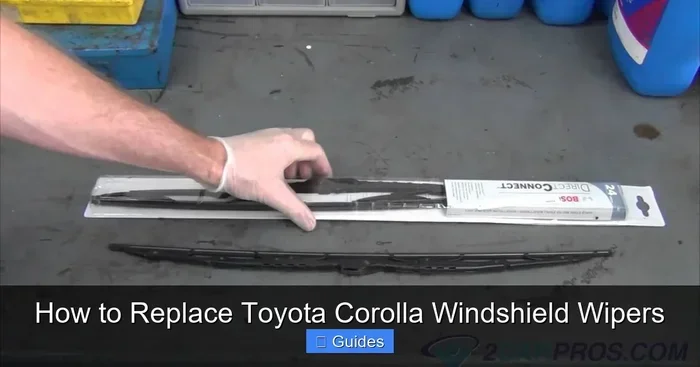
Visual guide about Toyota windshield wiper replacement
Image source: toyotaautodealer.com
What size Toyota windshield wipers do I need?
The correct size depends on your Toyota model and year. Many Corolla, Camry, and RAV4 models use a 26-inch driver blade and an 18-inch passenger blade, but you should always verify the fit. Check your owner manual or use a vehicle fit guide before buying.
Do I need any tools to change Toyota windshield wipers?
Usually, no special tools are required. You can typically replace the blades by hand once you understand the attachment style. Some connectors may need a small clip or adapter, but the process is still simple and quick.
Why are my new Toyota windshield wipers streaking?
New blades may streak if the windshield is dirty, the blades are not seated correctly, or the adapter does not match the arm properly. Clean the glass thoroughly and test the installation again. If the problem continues, confirm that the blade size and connector type are correct.
Can I change Toyota windshield wipers myself?
Yes, most drivers can easily do this at home in just a few minutes. The main things to watch are the attachment style, blade size, and lowering the arm gently onto the glass. Once you learn the steps, it becomes a fast routine maintenance task.
What happens if I install the wrong wiper size?
The wrong size can leave parts of the windshield uncovered or cause the blades to overlap and hit each other. It may also reduce wiping efficiency and create annoying noise. Always match the blade size to your vehicle for the best results.